
Reviewed · 2-HOUR EXPERIENCES
Berlin: Backyards of Berlin 2-Hour Tour
Berlin’s back courtyards tell louder stories. This 2-hour walk across Spandauer Vorstadt feels personal, with Hidden courtyards and Jewish history woven into the streets you already know. I also like the way the guide uses humor and keeps the pace moving, so a cold day does not drag. One drawback to consider: two hours can feel long if you are only in it for the biggest landmarks and you do not care about the smaller side stops.
You start in the Hackesche Höfe area and finish with another courtyard payoff at Heckmann Höfe. Along the way, you get a clear read on why Berlin’s courtyards work like mini-neighborhoods, not just pretty passages between buildings. If you want deep architectural trivia on every doorway, this is a good fit, but if you want a slower photo stroll, you might wish you had booked a longer walk.
In This Review
- Key highlights you should care about
- Berlin Backyards: the value of a tight 2-hour walk
- Hackesche Höfe start point: courtyards as Berlin’s original indoor-outdoor neighborhoods
- Sophienstraße and the artisan courtyards: how planning shapes daily life
- Große Hamburger Straße: tolerance as a street-level theme
- Oranienburger Straße and the New Synagogue area: seeing memory in architecture
- Heckmann Höfe to finish: the best “back courtyard” payoff
- Price and logistics: is $21 worth it for most visitors?
- Who should book this courtyard tour, and who might skip it?
- FAQ
- How long is the Berlin Backyards of Berlin 2-Hour Tour?
- Where do I meet the guide?
- What languages are available for the live guide?
- What is included in the tour price?
- Is hotel pickup or drop-off included?
- Does the price include food and drink?
- What is the cancellation policy?
- Can I request special interests like Jewish history or urban planning?
Key highlights you should care about
- Hackesche Höfe courtyard show-and-tell: see the first courtyard start point and then move through the block like a local
- Sophienstraße as a “tolerance street” in practice: everyday multicultural street life alongside older layers
- Jewish Berlin context on Oranienburger Straße: the New Synagogue story and the adjacent Postfuhramt
- Große Hamburger Straße, plus the Baroque church view: a street route tied to Catholic and Baroque-era landmarks
- Heckmann Höfe at the end: a final look into one of the neighborhood’s most interesting back courtyards
Berlin Backyards: the value of a tight 2-hour walk
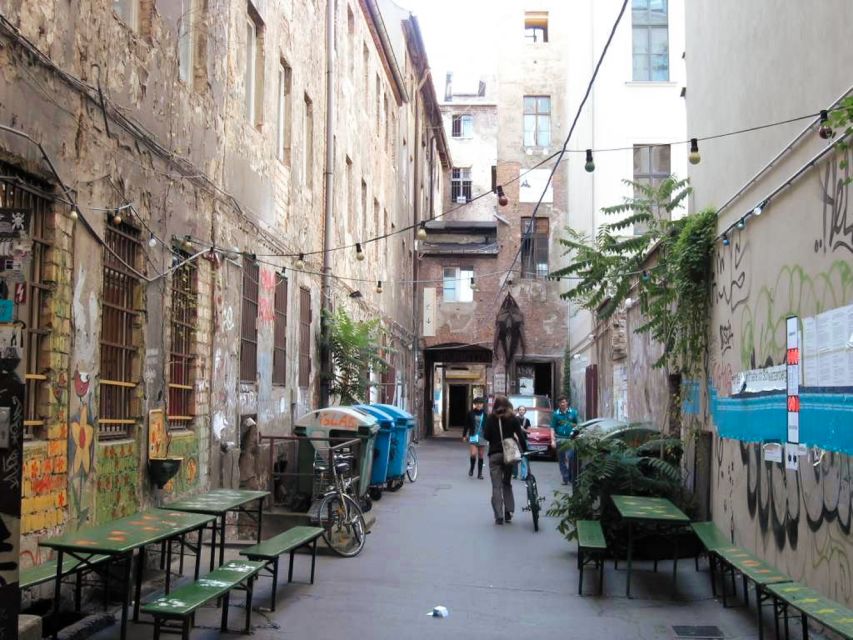
At about two hours and $21 per person, this tour is built for people who want more than a standard streetscape. You are not just passing buildings. You are walking into the kind of semi-private spaces Berlin is famous for: courtyards, gates, and passages that sit behind the street’s front doors.
I like that this is a walking format that keeps the rhythm. You are in motion, but the stops are deliberate. You also get a live guide in English or German, which matters when you want the why behind what you see, not just dates and names.
One practical thing: this is a city-walk tour, so dress for weather and plan to keep your hands free for photos. Courtyard days can mean short bursts of wind, especially in winter.
A few more Berlin walks and trips to compare
- Berlin: Reichstag, Dome and Government District Guided Tour
★ 4.7 · 18,288 reviews - Berlin: 1-Hour City Tour by Boat with Guaranteed Seating
★ 4.3 · 16,993 reviews - Berlin: TV Tower Standard Entrance Ticket
★ 4.4 · 15,883 reviews
Hackesche Höfe start point: courtyards as Berlin’s original indoor-outdoor neighborhoods
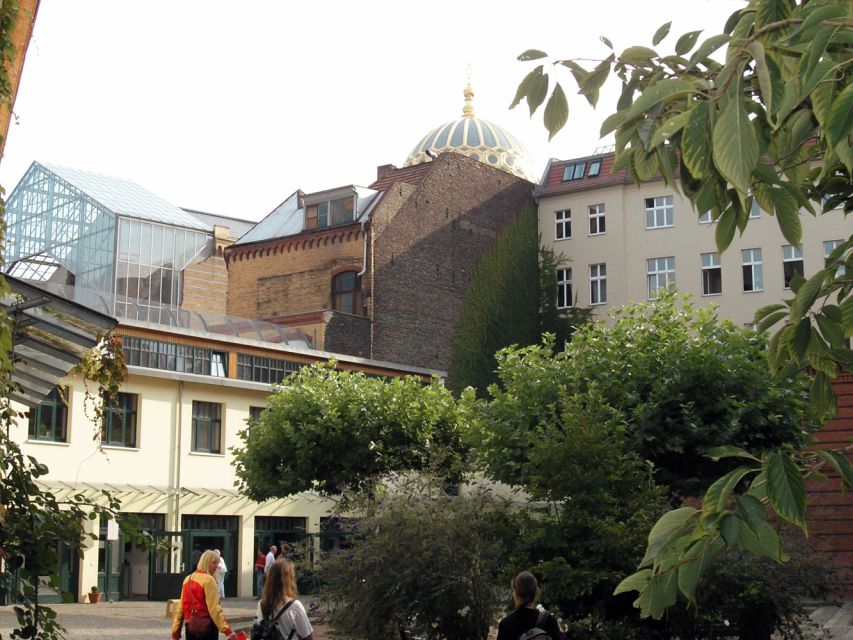
You begin at Hackesche Höfe, specifically the first courtyard, at the cash counter of Chamäleon. That is a smart meeting choice because Hackesche Höfe is already a courtyard world. You can get your bearings quickly, and you start the tour with the exact style of space it is promising.
What you are looking at here is the logic of Berlin courtyards: buildings face the street, then the real life happens inside. Courtyard space often holds smaller businesses, services, and associations that would never fit the public street image. On this tour, you use Hackesche Höfe as a kind of reference point, then compare it with other back-courtyard areas you pass later.
Two things I particularly like about a start like this:
- You begin with immediate payoff. No waiting for the first “interesting part.”
- You learn how to read the neighborhood. After Hackesche Höfe, you notice the in-between spaces as part of the story.
Potential drawback: if you are expecting only major monuments, courtyards can feel subtle at first. Give them a few minutes. The tour’s best moments come when you understand how these spaces were used and how they changed over time.
Sophienstraße and the artisan courtyards: how planning shapes daily life
One section takes you along Sophienstraße, where the tour focuses on the district’s unusual fate and the colorful multicultural life that exists there now. The point is not just to name places. It is to show you how a neighborhood’s layout and building patterns create room for new cultures to live side by side.
From there, you visit courtyards linked with craft and shared workspaces, including the courtyard connected to an artisan association and the Sophie-Gips-Höfe. This matters because these are the kinds of places that make Berlin feel different from cities where everything is either purely residential or purely commercial.
When you understand courtyards as working space, not just scenic space, you start seeing Berlin differently:
- You realize why courtyards survived as usable interior space.
- You understand how older districts can be revitalized without becoming theme-park replicas.
There is also a practical payoff. These courtyards often provide natural photo breaks and calmer moments between busier street segments.
Große Hamburger Straße: tolerance as a street-level theme
The tour treats Große Hamburger Straße like a theme, not just a route. It is described as a “road of tolerance,” and you can see why once you know what the guide is pointing out. The street becomes a timeline where different institutions, religious buildings, and community memories sit within walking distance.
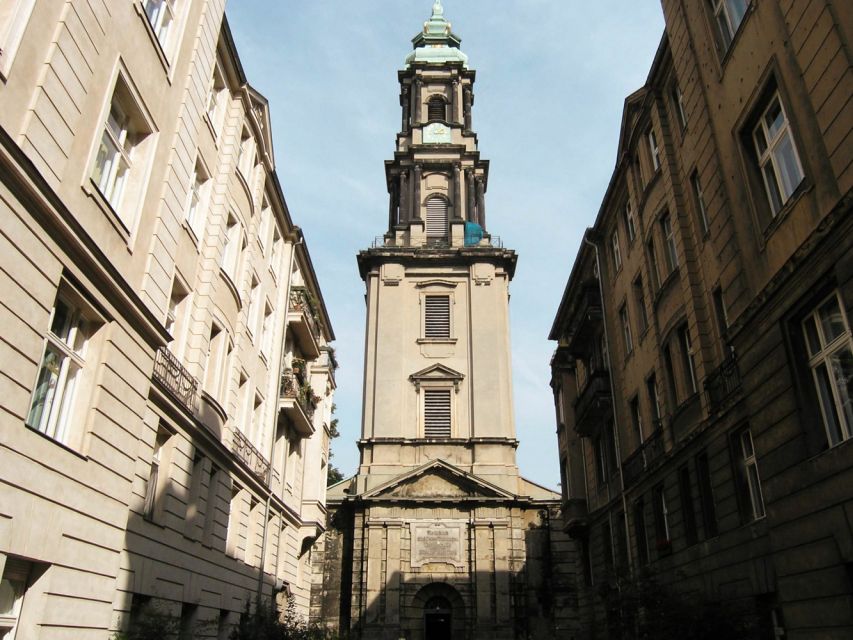
This stretch includes a look behind the facades of a major Catholic institution and views related to the city’s most important Baroque church. Even if you already recognize Baroque architecture in Berlin, this kind of tour focus changes the experience. You stop thinking about style alone and start thinking about how religion, power, and community were physically anchored in the neighborhood.
Another part of this segment connects directly to Jewish history in Berlin and the fate of the Jewish community in the area, including mention of the first cemetery. You do not get that kind of context just by reading a brochure at a sidewalk sign. Here, you walk and listen to how the physical city relates to the people who were forced to endure enormous change.
My advice for this part: take the guide’s cues on what to look for. Baroque façades and religious buildings can be visually similar if you rush. Slow down for the details the guide points out, then let those details do the storytelling for you.
Same city, a different way to spend the afternoon:
- Berlin: Boat Tour Along the River Spree
★ 4.4 · 11,252 reviews - Discover Berlin Half-Day Walking Tour
★ 5.0 · 9,624 reviews - Berlin: Government District around the Reichstag Guided Tour
★ 4.7 · 8,447 reviews - Berlin: Reichstag, Plenary Chamber, Cupola & Government Tour
★ 4.6 · 8,422 reviews
Oranienburger Straße and the New Synagogue area: seeing memory in architecture
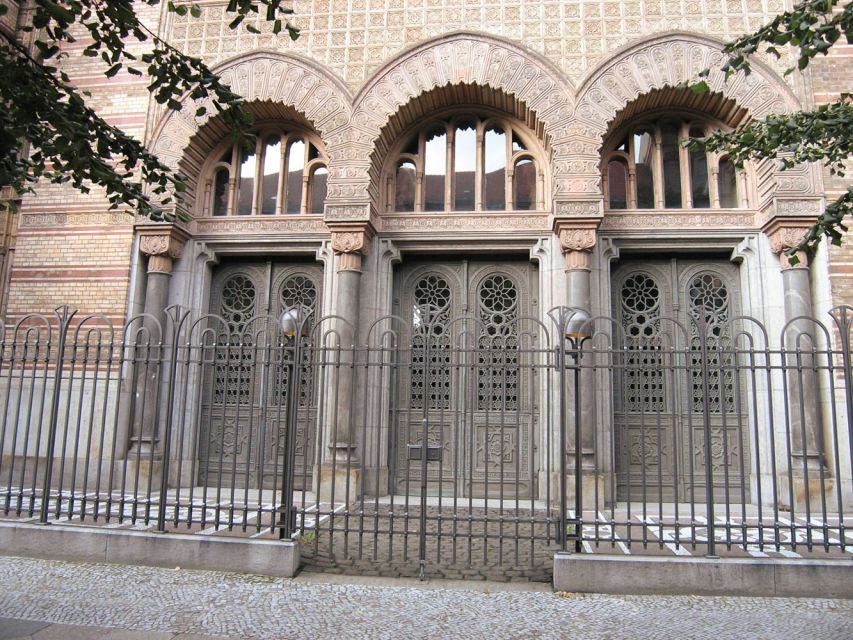
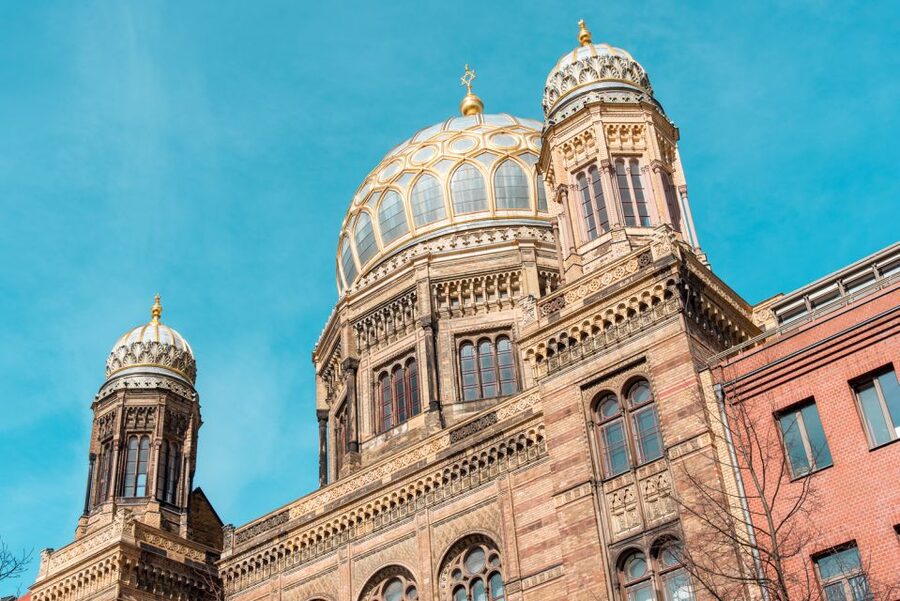
On Oranienburger Straße, you get one of the tour’s most important historical threads. The guide explains the history of the imposing New Synagogue and the adjacent Postfuhramt.
This is the moment where the tour connects architecture to communal life. A synagogue is not only a building. It is a symbol of worship, identity, and continuity, especially in a city where the Jewish story includes both community building and tragic disruption. The Postfuhramt reference also adds texture, because it helps you see how the neighborhood functioned beyond sacred walls.
What I like here is that it avoids turning the story into pure museum mode. You are still walking a real street. You can stand where buildings dominate the view, then keep moving to see how the area’s layers relate.
If you have a personal interest in Jewish history or urban change, this is the section that will feel most direct. The tour also offers a note that special interests can be arranged with the operator in advance, including Jewish history, urban planning, and city history. If that is you, it is worth contacting them ahead of time so the guide can shape the route to your questions.
Heckmann Höfe to finish: the best “back courtyard” payoff
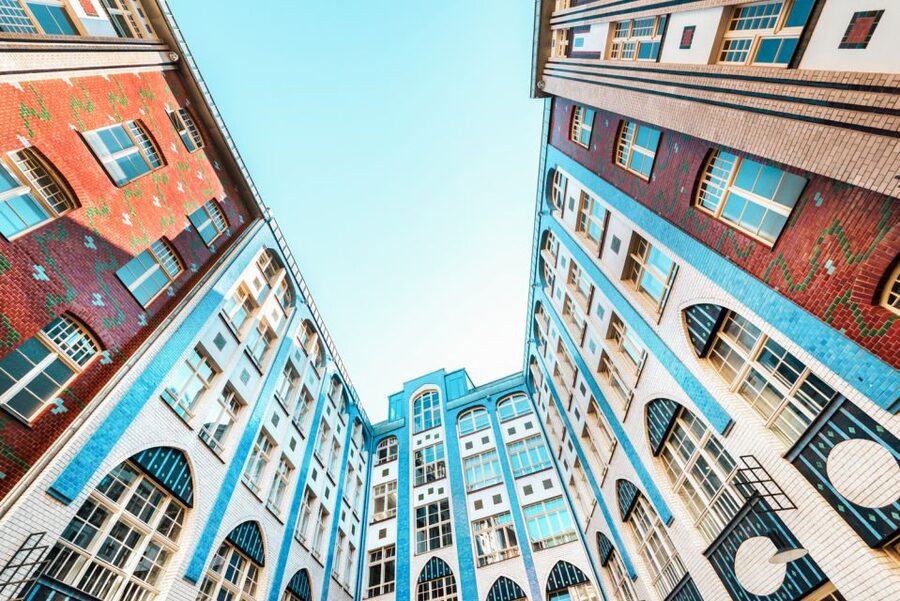
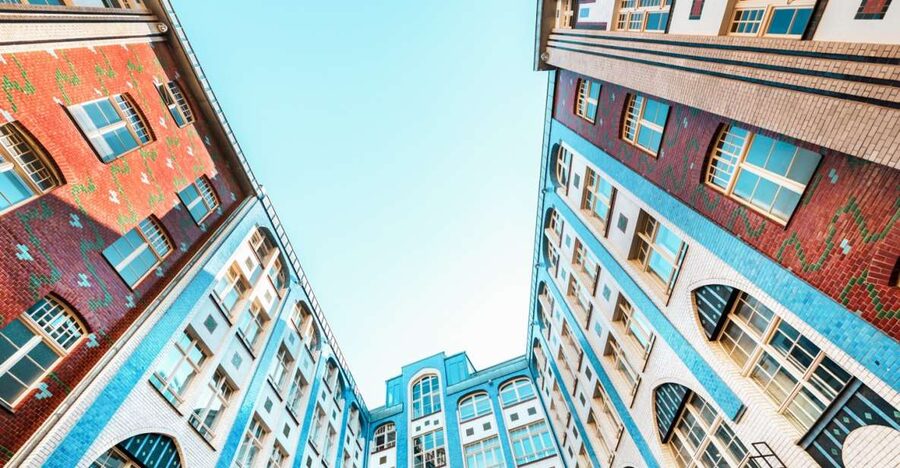
The tour closes with Heckmann Höfe, described as one of the most interesting back courtyards in the neighborhood. Finishing with a courtyard is smart, because it leaves you with an image you can carry into the rest of your Berlin day.
By the time you reach Heckmann Höfe, you have already learned how to read these spaces. That makes the ending more satisfying:
- You recognize courtyard patterns rather than treating each stop as unrelated scenery.
- You connect the current look to what you heard earlier on tolerance, community life, and neighborhood change.
If you are the type who likes to take a few photos and then just sit for a minute, use the last courtyard for that. You will get more out of it than if you rush to the next stop.
Price and logistics: is $21 worth it for most visitors?
For $21 per person and two hours, I think the value is good if you want guided context for places you can’t easily interpret alone. Courtyards and side streets are easy to walk past. With a guide, the same spaces turn into a city lesson you actually remember.
This tour is also a strong option if you are trying to balance time with meaning. Two hours is long enough to cover multiple courtyard systems and multiple street segments, but short enough to still fit into a day that includes museums or major sights.
What you should budget for outside the tour:
- No food or drink is included, so plan a snack or plan to eat after.
- No hotel pickup or drop-off is included, so you will be on your own for getting to Hackesche Höfe.
These are typical for walking tours, but they matter for people who dislike transit days.
One more thought based on practical feedback style you may notice with any short urban walk: some people wish two hours were shorter, especially if they are not interested in small craft shop stops. If you prefer to prioritize architecture and history over storefront browsing, bring that mindset. You can still enjoy the courtyard rhythm while staying selective about anything that feels too shop-focused.
Who should book this courtyard tour, and who might skip it?
You should book if you:
- Want to see Berlin from the inside out, by walking into courtyards instead of only looking at façades
- Like history that connects to real places, especially Jewish history and community change in Berlin
- Enjoy neighborhood-level stories, like how artisan spaces and shared courtyards shaped daily life
- Appreciate a guide who can keep things moving with humor and clear explanations
You might skip if you:
- Only care about the most famous exterior landmarks and do not want a route that spends time in less obvious spaces
- Prefer long, slow wandering instead of a guided, packed two-hour structure
- Think you will get bored by stops that are partly about smaller interior courtyard details
If you are unsure, a good strategy is to go in with one goal: learn how Berlin’s courtyard culture works and what happened here for different communities. The rest tends to fall into place.
FAQ
How long is the Berlin Backyards of Berlin 2-Hour Tour?
The tour lasts 2 hours.
Where do I meet the guide?
Meet at Hackesche Höfe, first courtyard, at the cash counter of Chamäleon.
What languages are available for the live guide?
The live guide is available in English and German.
What is included in the tour price?
The tour includes a tour guide and a private walking tour.
Is hotel pickup or drop-off included?
No. Hotel pickup and drop-off are not included.
Does the price include food and drink?
No. Food and drink are not included.
What is the cancellation policy?
You can cancel up to 24 hours in advance for a full refund.
Can I request special interests like Jewish history or urban planning?
Yes. Special interests such as Jewish history, urban planning, and city history can be arranged with the tour operator in advance.
Newest Berlin reviews on the site
- Jetbike Berlin fun bike beer bike★ 5.0 · 3 reviews
- Karl-Marx-Allee Walking Tour: Berlin’s Socialist History★ 5.0 · 5 reviews
- Homeless on chic streets: city tour in Berlin from personal experience★ 4.6 · 3 reviews
- Berlin: Sachsenhausen Concentration Camp Guided Tour★ 4.9 · 42 reviews
- Historyof the Trans, Queer & Gay communities of Berlin tour★ 4.8 · 17 reviews
- Historic Berlin Pubs & History Tour★ 4.9 · 73 reviews
- Berlin: City Center Walking Tour★ 4.7 · 45 reviews
- Half-Day Berlin Highlights Segway Expedition★ 4.5 · 61 reviews
2-Hour Experiences, compared.

Berlin’s Best: 2 Hour Walking Tour Third Reich and the Cold War
Read our review →

Browse the lists this tour appears in