
Reviewed · WINE TOURS
Trier: Guided City Walk with Wine Tasting
Roman Trier has layers, and this walk connects them to wine.
You get a smart combo of Porta Nigra-style Roman stops plus a Moselle-area wine tasting that ties each pour to where you are standing. I like that it is only 2 hours, so it feels doable even on a packed day, and the route finishes at the Forum Baths for a strong last image. One thing to consider is you will be outside and walking through the city center in all weather, so plan for rain and comfortable shoes.
This tour is also a great way to understand why Trier matters. You start at the Roman-built Porta Nigra, work through major landmarks like the Trier Cathedral and Liebfrauenkirche, and learn how wine culture fits into the city’s long timeline. I especially like the practical touch of water and breadsticks during tastings, and the option to swap wine for grape juice if you book that request ahead. A possible drawback: you will buy glasses or glassware if you want to take home the keepsake, since glass is not included.
In This Review
- Key points I’d circle before you book
- Why Trier and wine make a surprisingly good pairing
- Porta Nigra: starting with a Roman gate that sets the tone
- A Main Market pause at the Market Cross
- Trier Cathedral: seeing Christianity’s long thread
- Liebfrauenkirche: the church stop that usually steals the show
- Aula Palatina: the “how did they build this?” moment
- Electoral Palace and the sense of power in the stone
- Kaiserthermen: Roman baths as the perfect mid-tour payoff
- Forum Baths ending: how to finish strong
- Wine tasting details: what you actually get in your 2 hours
- What about glasses and souvenirs
- Picking the right season for your taste and your timing
- Who this tour fits best, and who might want a different plan
- Practical tips so you get the most from it
- Should you book the Trier guided city walk with wine tasting?
Key points I’d circle before you book
- Roman Trier sights built into a short, easy city loop, starting at Porta Nigra
- 5 regional wines in summer or 4 mulled wines in winter, all linked to specific stops
- Breadsticks and water kept the pace comfortable during tastings
- Finish at the Forum Baths, so the tour ends with a Roman “wow” moment
- Guide runs English and German, and tours are barrier-free with no step climbing
Why Trier and wine make a surprisingly good pairing
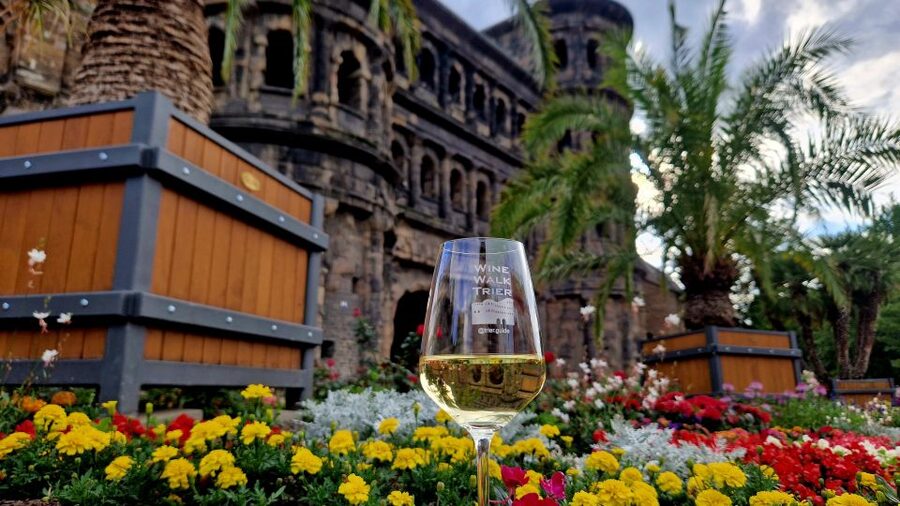
Trier can feel like a greatest-hits album of Western Europe history. You are in Rhineland-Palatinate, in the Moselle wine world, and the city itself still shows Roman structure in plain sight. This is not a generic history lecture, either. The guide uses the landmarks as anchors, then explains the wine connections as you walk.
The value comes from how much you fit into the time. At $43 for about 2 hours, you are paying for guided context plus multiple tastings, not just a stroll. You also get a voucher for one glass of wine with a main course at Weinwirtschaft Friedrich-Wilhelm, next to a Basilica. That nudges the experience beyond the tour window and gives you a real plan for lunch or an early dinner.
More Walking Tours in Trier
- Trier: Guided Old Town Highlights and History Walking Tour
★ 4.7 · 687 reviews - Trier: Private Guided Walking Tour
★ 4.2 · 32 reviews - Trier: City Walking Tour
★ 4.2 · 31 reviews
Porta Nigra: starting with a Roman gate that sets the tone
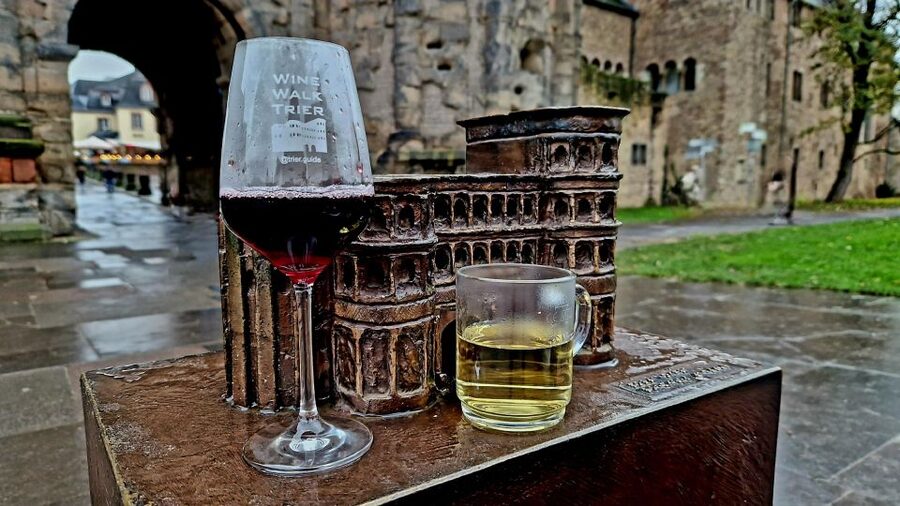
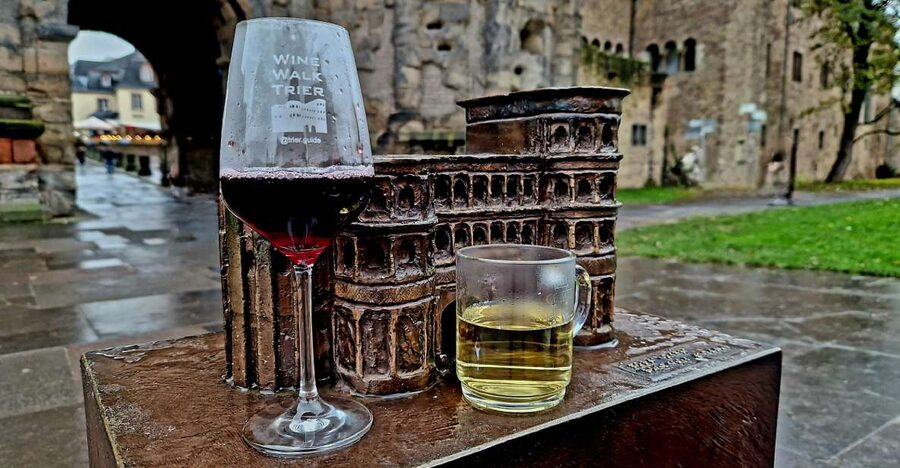
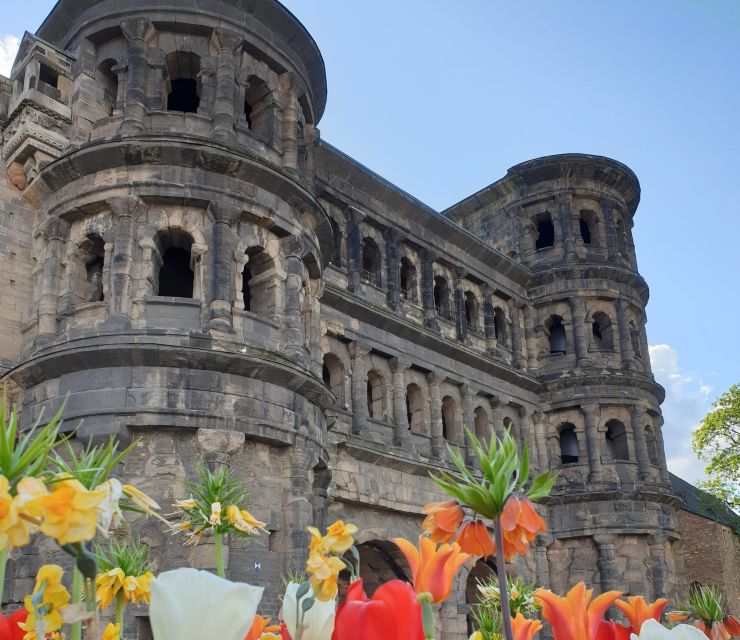
You meet on the left side of the Tourist Information in front of the city model near the flags, at the Porta Nigra. It helps that this is such a visual starting point. Porta Nigra was built by the Romans as part of Trier’s fortifications, and it instantly tells you you are not just visiting old buildings, you are walking through a living map of empire-era planning.
In practical terms, the tour begins with an orientation photo stop and then moves into guided explanations. The best part here is how the guide frames your later stops: this gate is a promise that you will keep encountering Roman ruins as you go.
A Main Market pause at the Market Cross
From Porta Nigra you move toward the main market area, including a stop at the Market Cross. This is one of those city-center moments where Trier’s daily life still sits next to the layered past. It is a small stop, but the value is in the storytelling. The guide uses central spots like this to connect how the city functioned, then brings wine history into the picture.
What to watch for: keep your ears open. Central squares can be noisy, and some groups may find it harder to hear during busy moments. If you want the full effect, position yourself so you can see the guide clearly, not only the building behind you.
Trier Cathedral: seeing Christianity’s long thread
Next up is the Trier Cathedral, another landmark that makes Trier feel unusually deep for a comparatively small city. The tour includes a photo stop and guided time here, which is important. Big sites like this can blur together if you only pass by. With a guide, you get the reason it matters, not just the fact that it exists.
This stop is also a turning point for many people: you started with Rome, and now the city’s later spiritual identity comes forward. That shift helps you understand why Trier has been a magnet for centuries, including for the culture around wine growing in the wider Moselle region.
More food tours in Trier:
- Cologne: Brewery Tour with 3 Kölsch Beer Tastings
★ 4.7 · 3,108 reviews - Hamburg: St. Pauli Highlights Guided Tour with Beer for 18+
★ 4.7 · 2,353 reviews - Hamburg: Elbphilharmonie Plaza and HafenCity Food Tour
★ 4.7 · 1,711 reviews - Bavarian Beer and Food Evening Tour in Munich
★ 4.5 · 1,575 reviews
Liebfrauenkirche: the church stop that usually steals the show
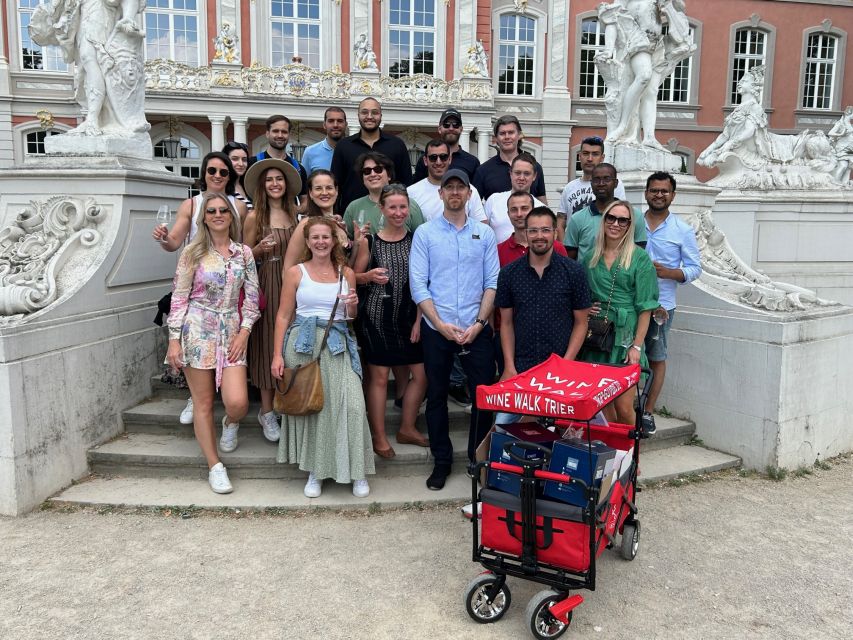
The next highlight is Liebfrauenkirche. It is one of those Trier churches that people point out even after the tour is over, mainly because of how distinct it looks and how central it is to the city’s identity. The tour schedules another photo stop here, which is useful if you want a clear exterior shot without rushing.
This is also where the tasting rhythm starts to feel like part of the walk instead of a separate event. The structure of the experience is that tastings happen along the route and are tied to the historic locations in the city center.
Aula Palatina: the “how did they build this?” moment
You continue to the Aula Palatina. This stop tends to land well because the architecture feels both ancient and intensely intentional. With a guided visit, you are not just looking at stone, you are learning what the site represented and how it fits into the broader timeline of Trier.
Wine history feels less random when it is tied to a place with this kind of presence. The tour’s approach is simple: every pour is linked to historic connections, so you can mentally “file” the wine stories next to the buildings.
Electoral Palace and the sense of power in the stone
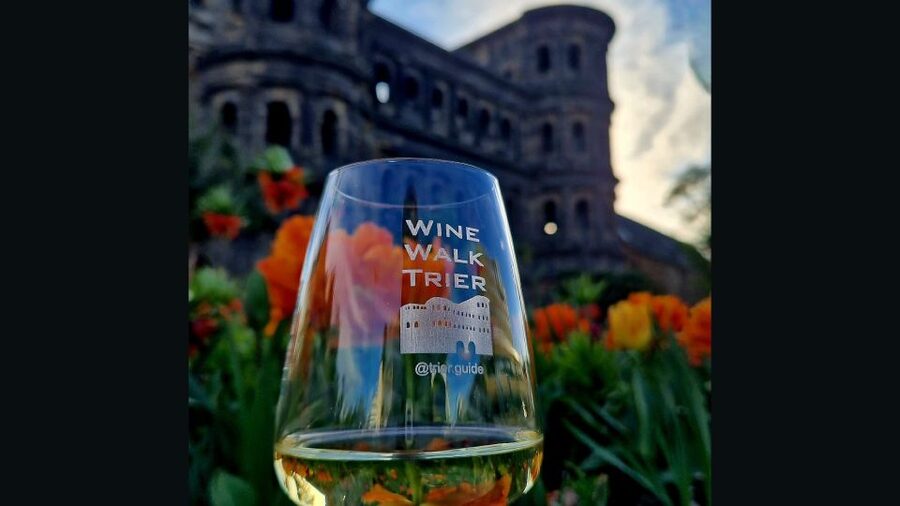
After Aula Palatina, the route includes the Electoral Palace. This is a strong stop for understanding that Trier was not always a sleepy backwater town. It has been a place where authority was expressed in architecture, and that context helps the wine story make more sense too.
Even if you are not an architecture person, you will likely enjoy the way the guide connects the palace’s significance to the region’s long tradition of growing and trading. Think of it as learning the city’s economy and influence in human scale, one building at a time.
Kaiserthermen: Roman baths as the perfect mid-tour payoff
Then comes Kaiserthermen, another Roman ruin stop. Roman baths are practical, but also symbolic. They represent time, resources, and a culture that valued public spaces. That makes Kaiserthermen a great mid-tour “reset” for your brain after several major Christian and civic landmarks.
This is also where your walking pace and attention usually settle in. People often want one point where they can stop and look, then let the guide connect it back to the wine theme. Kaiserthermen gives you that pause, and it sets up the finale at the Forum Baths.
Forum Baths ending: how to finish strong
The tour finishes outside the Forum Baths, a Roman bath complex. It is an excellent ending because the Roman theme closes the loop. You began with Porta Nigra, the Roman gate, and you end with Roman baths. That symmetry is one reason this feels coherent even with multiple tastings and stops.
If you want to squeeze extra value from the experience, plan for a relaxed post-tour wander here. The location is in the city center and good for keeping the day moving, without forcing you into another long commitment.
Wine tasting details: what you actually get in your 2 hours
Here is the most important practical part. You get 5 different regional wines in summer. During the winter season, from mid-November through the end of January, the tasting shifts to 4 different mulled wines from local wineries, as long as at least 6 people register. If that minimum is not met, you still get 5 different wines.
You also get water and breadsticks with the drinks, which is not a small detail. Wine tastings can feel messy without a neutral snack and a sip of water. Here, you get both, which helps the walk feel sociable instead of frantic.
Non-drinkers are not left out either. If you want 4 different grape juices instead of wine, that needs to be booked by email in advance. For many people, that is the difference between a fun couple’s outing and an awkward compromise.
What about glasses and souvenirs
The tour does not include take-home glassware. You can purchase glasses for €6 after the tour, and wine glass holders for €3 after the tour. You can also buy a single glass option at the affiliated place after the tour using the voucher, since you get a voucher for one glass of wine with a main course at Weinwirtschaft Friedrich-Wilhelm.
Picking the right season for your taste and your timing
Summer tastings focus on regional wines, so you get a clearer sense of the Moselle side of the story, and you can enjoy Trier at full outdoor energy. Winter tastings switch to mulled options, which changes the vibe fast. Instead of sharp sips, it is warm comfort, perfect if you want the city to feel cozy as the light fades.
If you are visiting around late November, December, or January, I suggest planning mentally for the winter format. Bring a warm layer, because you will still be outside, rain or shine. The tour itself keeps moving, but your comfort comes from what you wear.
Who this tour fits best, and who might want a different plan
This is ideal if you want three things together:
- Roman Trier landmarks without doing them alone
- a guided explanation that connects wine to place, not place to a generic tasting
- a short, easy time commitment that fits before lunch or after a morning in town
It is also a nice choice for couples and small groups because the walk is barrier-free and the pace stays friendly for photos and listening.
If you are the type who prefers only museums or only wine counters, you might find the mix less focused than you want. This is history plus tasting, not purely one or the other.
Practical tips so you get the most from it
A few small choices can make a big difference:
- Arrive a little early at the meeting point by the city model, near the flags. Being punctual makes the first tasting rhythm smoother.
- Wear shoes you trust for city paving. It is a walk through the old town core.
- Bring hearing-friendly patience. Central areas can be busy, so stand where you can see and hear the guide clearly.
- If you want grape juice instead of wine, request it by email in advance so your spot is set up correctly.
The other “tip” is mindset. Think of each stop as a chapter, and each wine as the summary. When you approach it that way, the tasting choices start to feel like part of the story instead of a break from it.
Should you book the Trier guided city walk with wine tasting?
If you are visiting Trier and you like history that you can see with your own eyes, this is a strong bet. The route hits major highlights, and the tasting element turns a standard walking tour into something you will remember past the photo.
I would book it if:
- you want Roman sights plus Moselle wine context in one compact outing
- you like tours that give you multiple tastings and include practical basics like water and breadsticks
- you want a guided plan that ends at a standout Roman site, the Forum Baths
I would skip it if:
- you dislike walking in light rain or cold weather, since the tour runs rain or shine
- you only want a classic winery visit rather than tastings placed directly into historic city stops
Bottom line, for the price and the time, this tour feels like good value because you are buying both the city orientation and the guided wine story, then cashing out with a voucher for more wine nearby.
More Wine Tastings in Trier
- Trier: Discovery Tour – Germany’s Oldest Wine Cellar
★ 4.7 · 218 reviews - Hamburg: Harbor Cruise with Wine and Cheese
★ 4.7 · 795 reviews - Berlin: 2-Hour Christmas Lights Bus Tour incl. Mulled Wine
★ 4.1 · 233 reviews - Heidelberg: Sightseeing Boat Tour with Mulled Wine
★ 3.6 · 202 reviews
Newest Trier reviews on the site
- Luxembourg to Trier: Tour of Germany’s Oldest City.★ 4.6 · 9 reviews
- Adventure tour: The Devil in Trier★ 4.8 · 42 reviews
- Trier: City Walking Tour★ 4.2 · 31 reviews
- Trier: Private Guided Walking Tour★ 4.2 · 32 reviews
- Trier: Discovery Tour – Germany’s Oldest Wine Cellar★ 4.7 · 218 reviews
- Trier: Solve the Mystery of the Merchant’s Gold!★ 4.2 · 61 reviews
- Trier: Guided Old Town Highlights and History Walking Tour★ 4.7 · 687 reviews
Wine Tours, compared.
Advent Tour with Stollen Tasting and Mulled Wine
Read our review →
Heidelberg and Rhine Valley Day Trip With Wine Tasting and Dinner from Frankfurt
Read our review →Browse the lists this tour appears in