
Reviewed · MORNING
Trier: Early morning tour without the hustle and bustle and with less noise
Trier, minus the crowds. This early bird walk takes you past Trier’s key sights when the streets are still calm, so you can focus on stories and photos without the usual noise. I really like the small group size, and I also like that you get a classic highlights route in just 2 hours, with plenty of chances to pause.
The main tradeoff is that this tour is mostly outdoors, so interior visits are not included. If you want to go inside St. Peter’s Cathedral, the Liebfrauen Church, the Basilica, or the Imperial Baths, you’ll need to plan that separately.
In This Review
- Key points I’d circle before you go
- Trier at 8:00 a.m., when the city actually feels quiet
- Meeting at Porta Nigra and what the small-group pace feels like
- Dreikönigenhaus and Judengasse, getting your bearings without photo bombs
- Hauptmarkt in the morning light, and why 20 minutes matters
- Kreuzgang im Dom St. Peter, where quiet listening pays off
- Aula Palatina and the Roman pulse in Trier
- Ending at Kaiserthermen, the Imperial Baths area in a calm finish
- Price and value: $24 for a structured, quiet highlights route
- The guide experience: why Nathalie’s storytelling works so well
- What’s not included, and how to plan the rest of your day
- Who this tour suits best, and who might want a different format
- Should you book the Early Bird Tour through Trier?
- FAQ
- What days does the early bird tour run?
- What time does the tour start?
- How long is the tour?
- Where do we meet?
- What language is the tour offered in?
- Is the tour wheelchair accessible?
- Is coffee included, and are interiors included?
Key points I’d circle before you go
- 8:00 a.m. start on Fridays and Saturdays keeps the city quieter and easier to navigate
- Limited to 10 participants, which makes questions, pacing, and listening much easier
- Wheelchair accessible and designed as a barrier-free city tour
- Classic World Heritage route from Porta Nigra area down to the Imperial-era Kaiserthermen
- Guides in English or German, with the language set by the first booking
Trier at 8:00 a.m., when the city actually feels quiet
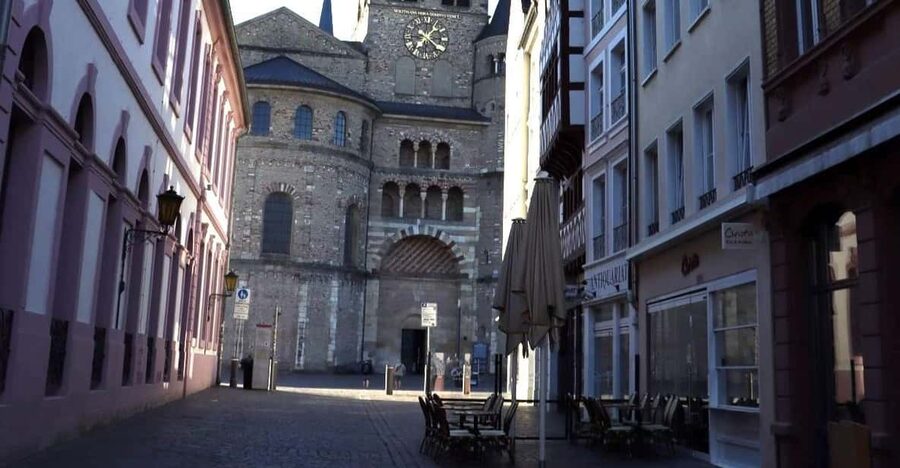
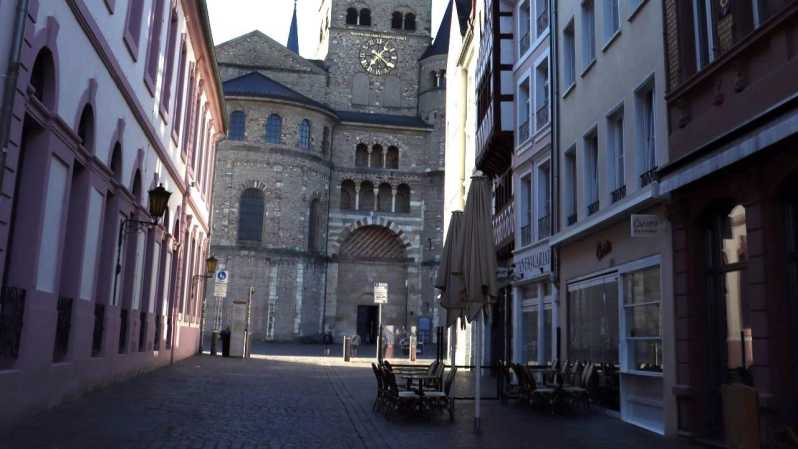
There is a special kind of magic in Trier before the day kicks in. The sidewalks are emptier, traffic is lighter, and the whole place feels like it’s saving its energy for later. This tour leans hard into that morning calm. You’re not sprinting through landmarks while trying to hear over crowd noise. Instead, you’re walking at a human pace, soaking in the big names of Trier when the atmosphere is softer.
This is also a smart pick if you are noise-sensitive or easily overloaded. The tour description is pretty direct about it: fewer people, less bustle, and a format that helps you take in the sights without feeling trapped in a crowd. I find that early starts do more than just improve comfort. They also help your brain connect details, because you have time to actually look.
And since it’s still early, you often get practical little perks like being able to stop and rest. The walk notes that there are free benches along the way, which matters more than it sounds when you’re doing a 2 hour route. It turns sightseeing into something you can manage, not something you just endure.
A few more Trier walks and trips to compare
- Trier: Guided City Walk with Wine Tasting
★ 4.8 · 979 reviews - Trier: Guided Old Town Highlights and History Walking Tour
★ 4.7 · 687 reviews - Trier: Discovery Tour – Germany’s Oldest Wine Cellar
★ 4.7 · 218 reviews
Meeting at Porta Nigra and what the small-group pace feels like
You’ll meet at the entrance to the Tourist Information Center, right next to Porta Nigra. That’s a great anchor. You’re starting at one of Trier’s most famous landmarks, and you’re close to helpful information if you need it before you begin.
The group stays intentionally small, with a limit of 10 participants. That size changes the entire tone of a walking tour. You can hear the guide without competing with a wall of voices. It’s easier to ask a question, and it’s easier for the guide to keep the pacing friendly.
There’s also a key accessibility piece. The tour is wheelchair accessible and described as a barrier-free city tour. That doesn’t mean every moment will feel identical for every mobility need, but it does mean the plan is built with accessibility in mind. If you’re traveling with a wheelchair or mobility support needs, this is the kind of tour that can save you stress.
Another detail that can help a lot: the tour can run in English or German, but only one language per tour. The first person to book decides which language you’ll get. If you’re particular about language, it’s worth double-checking when you book so you’re not surprised later.
Dreikönigenhaus and Judengasse, getting your bearings without photo bombs
After you start near Porta Nigra, the route quickly orients you with a few classic stops. One of the first is Dreikönigenhaus, where you’ll get a short photo stop and a guided look. This is the kind of stop that helps you learn how Trier’s landmarks “talk” to each other. You don’t just see a building, you learn what to notice when you look at it again later.
Next comes Judengasse. You’ll pause here for photos and guided sightseeing. This stop is especially valuable in a quiet morning format. Narrow streets and historic corners can be tricky when you’re shoulder-to-shoulder with strangers. In the early hours, you’re more likely to hear the explanation clearly and to take your time framing a shot. It also makes the area feel less like a backdrop and more like a place with context.
What I like about these first stops is that they set the rhythm. You’re not overwhelmed on minute one. You get a sequence of short pauses that keep attention focused, and then you move on. It’s a walk designed to keep you engaged without draining you.
Hauptmarkt in the morning light, and why 20 minutes matters
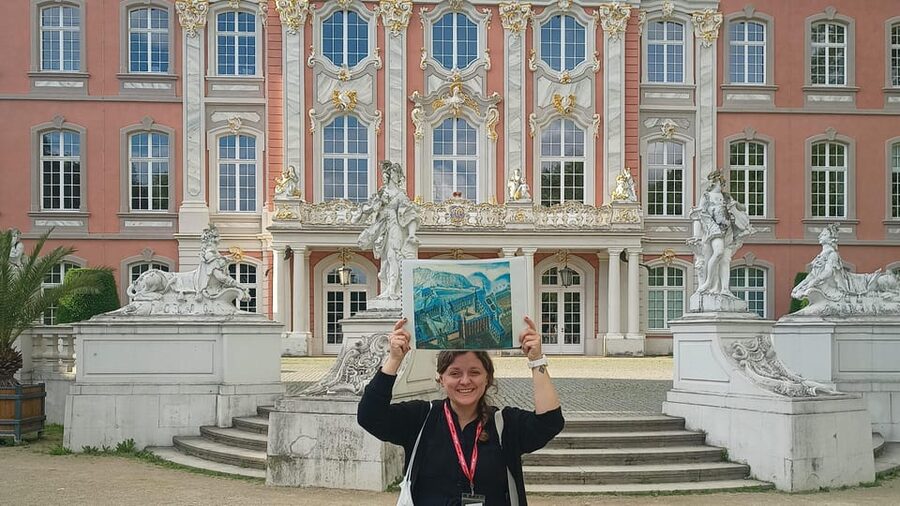
Hauptmarkt, Trier is where the tour gives you a longer chunk of time, with a photo stop and guided sightseeing. Twenty minutes here is a real gift. It’s long enough to slow down and absorb what the square is doing. It’s also long enough to settle into the guide’s narrative, instead of constantly thinking about the next turn.
A Hauptmarkt is often the beating heart of a town, and in Trier it works even better in the quiet morning hours. When the square is less crowded, you can actually see the layout and how people would flow through the space through the day. You also get better photo opportunities, because you’re not editing out a constant stream of faces.
If you are the kind of traveler who likes structure but hates rushing, this is a good point in the tour to enjoy. It balances “big-name location” with enough time to breathe.
Same city, a different way to spend the afternoon:
- Trier: Solve the Mystery of the Merchant’s Gold!
★ 4.2 · 61 reviews - Adventure tour: The Devil in Trier
★ 4.8 · 42 reviews - Trier: Private Guided Walking Tour
★ 4.2 · 32 reviews - Trier: City Walking Tour
★ 4.2 · 31 reviews
Kreuzgang im Dom St. Peter, where quiet listening pays off
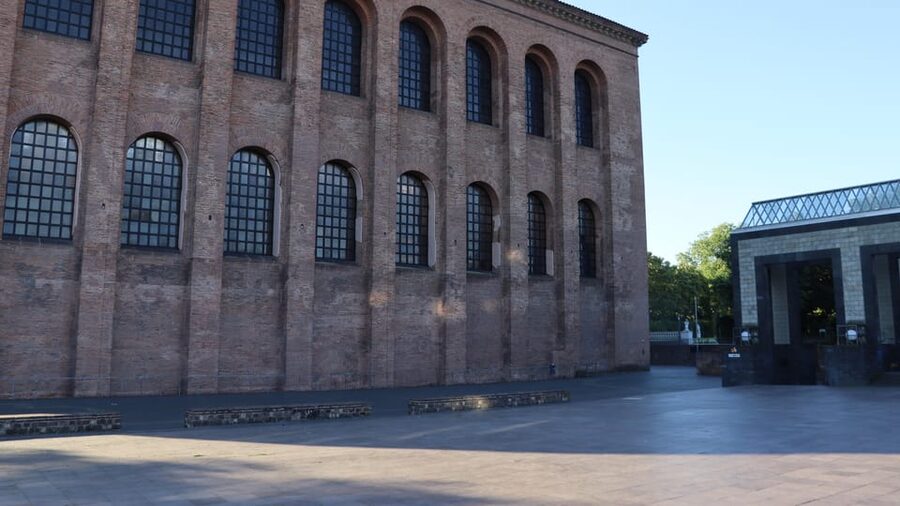
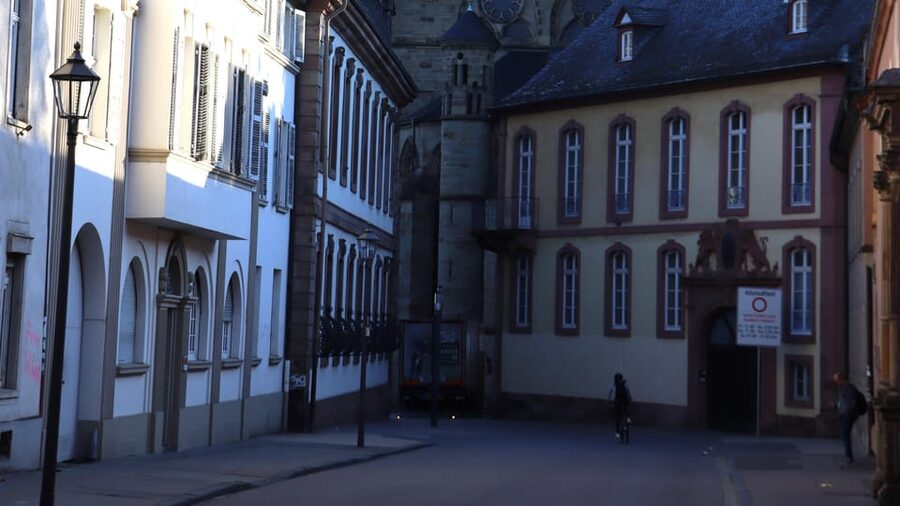
From Hauptmarkt, you head toward the Kreuzgang im Dom St. Peter. This is another photo stop with guided sightseeing, but the real value is what a courtyard-like setting does for a walking tour. You can hear the guide’s explanations more clearly here because the space is more contained.
Even without going inside every building, the route builds a strong sense of Trier’s Christian landmarks. The tour specifically highlights the World Heritage area around St. Peter’s Cathedral, along with other major religious sites later on. Here, you’re getting a taste of the architecture and the feel of the precinct.
This is a great moment to take advantage of the slower pace. If your morning needs a reset, this kind of stop is where you can regroup without the walk feeling broken. Quiet spaces help a lot if you’re traveling with sensory considerations.
Aula Palatina and the Roman pulse in Trier
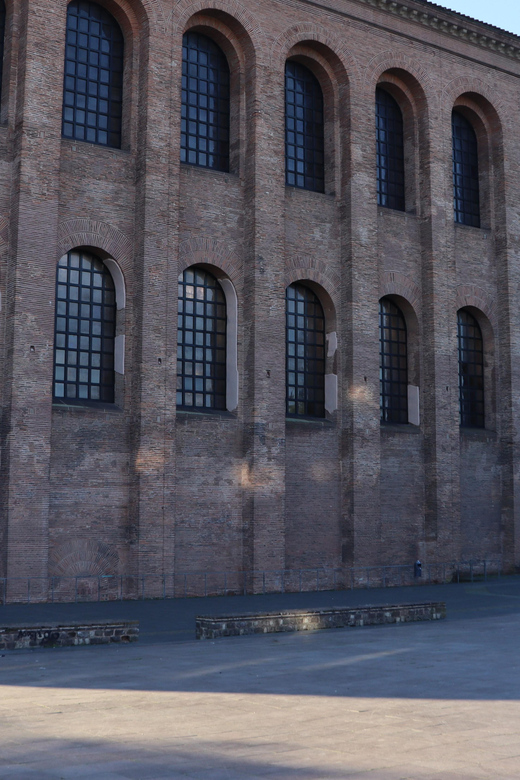
The next major highlight is the Aula Palatina in Trier. This stop includes a photo stop and guided sightseeing, with a longer time slot than some earlier stops. That makes sense, because Roman-era Trier is not just a quick glance and move on. It’s a whole chapter of the city.
What I like here is that the tour keeps connecting the eras. You’re moving from medieval and early historic religious spaces toward the Roman backbone of the city. The Aula Palatina is the sort of building that rewards attentive looking, and the early morning helps with that. Less crowd noise means you can focus on details the guide points out.
Important note: the tour does not include interior visits of certain key sites. That includes the interior of the cathedral and other major buildings named in the tour description. For the Aula Palatina stop, you can still enjoy the outside sightseeing and guided context, but if your travel style is “I must go inside everything,” you’ll want to add that on your own time.
Ending at Kaiserthermen, the Imperial Baths area in a calm finish
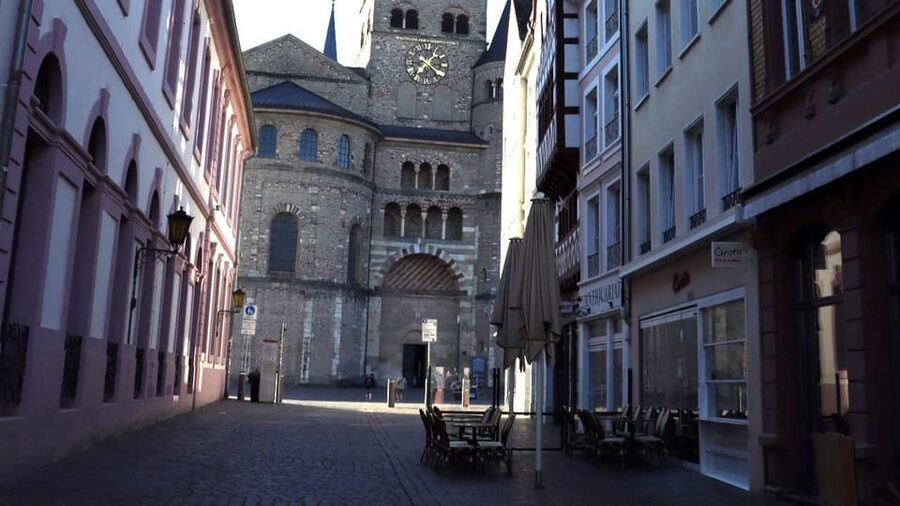
The tour finishes at Kaiserthermen, the area associated with the Imperial Baths. Ending here is a smart move because it closes your route with a strong sense of scale and Roman ambition. Even if you don’t go into the baths during the tour, the exterior experience and guided route help you understand what the place represents in Trier’s World Heritage story.
This final stretch is also a good place to take stock. Two hours is a sweet spot. It’s long enough to feel like you did something substantial, but short enough that you’re not stuck with a full-day schedule. After the walk, you’ll have the rest of the day to go at your own pace, whether that means coffee shopping, a deeper dive into one building, or simply wandering without a plan.
Price and value: $24 for a structured, quiet highlights route
At about $24 per person for a 2 hour guided walk, this tour is priced like a practical local experience rather than a premium ticketed attraction. The value comes from the structure. You’re paying for a guided storyline through key World Heritage sights, for a small-group format, and for the convenience of a route that keeps moving without dragging.
If you’re already interested in Trier’s big monuments, the guide component is what makes the morning feel worth it. It’s not just a checklist. It’s the difference between seeing buildings and understanding why they matter in the city’s timeline.
This is also a cost-efficient choice if you want the highlights without buying multiple individual tickets right away. The tour notes that some interiors are not included, but you still see the major names externally and get the guided context. Then, if something really grabs you, you can decide later what to pay to enter.
The guide experience: why Nathalie’s storytelling works so well
The reviews you can lean on for quality are consistent: the guide makes the tour feel lively and memorable. Nathalie is specifically mentioned as knowledgeable, enthusiastic, and entertaining, with stories that made history feel easier for kids to follow. That matters even if you are an adult. Funny, clear storytelling helps you remember details and it keeps the pace from feeling flat.
Also, the tour is run in either German or English, and only one language per tour. In practice, that means you aren’t listening to partial translations or a mixed group conversation. You’ll hear a single voice clearly throughout, which is exactly what you want on a morning walk.
If you’re traveling with teens, this is a good sign. One family noted their 13-year-old sons found the guide funny and engaging. That often means the explanations include enough human detail to keep younger minds interested, not just facts dumped at speed.
What’s not included, and how to plan the rest of your day
The tour does not include coffee. So if you like caffeine on the move, you can grab your own before you meet, or during the early morning before shops fully open. The tour description paints the morning with the smell of fresh baked goods, but it’s not a baked-goods tasting. Think of it as sightseeing first.
It also does not include interior visits of the cathedral, the Liebfrauen Church, the basilica, or the Imperial Baths. That’s a big “heads up” if you have a must-see list of rooms, mosaics, chapels, or cloister interiors. For this tour, you’re mainly getting outdoor viewing and guided sightseeing, with the interiors left for separate tickets or other tours.
The upside is that by skipping interiors, you keep the group moving and the schedule manageable. Two hours is easier to fit on arrival day or as a morning opener before you do anything more ticket-heavy.
A simple way to plan: use this walk to learn what excites you most, then spend the afternoon inside the one or two places that you want to linger in.
Who this tour suits best, and who might want a different format
This experience is especially well-matched to people who want Trier without the usual crowds and noise. It’s also a strong option if you are neurodiverse or just easily overwhelmed by busy city centers. The smaller group size and early start do a lot of the heavy lifting for you.
It’s also a good choice if you want a barrier-free route and you want a guide to help you understand what you’re seeing. Walking tours can be tough when you’re navigating unfamiliar areas, and having a structured path from Porta Nigra to Kaiserthermen reduces decision fatigue.
If you are chasing maximum time inside museums and churches, you might prefer a tour that includes more interior access. Since this one skips interiors for several major sites, you may end up feeling like you only got the outside version. Still, even that can be worthwhile if you love architecture and want the context first.
Finally, consider your sleep schedule. The tour runs on Fridays and Saturdays starting at 8:00 a.m., sometimes earlier. Early mornings are great when you’re traveling with a plan, but they are not for everyone.
Should you book the Early Bird Tour through Trier?
I think you should book this tour if you want Trier in a calmer mood, with a small group and a clear route through the World Heritage sights. It’s a smart way to get oriented fast, especially if you’re sensitive to noise or simply prefer your photos without a swarm of strangers.
I’d only hesitate if your top priority is going inside every major site during the same 2 hours. This tour is built for guided sightseeing of key areas and landmarks, not for a full indoor circuit.
If your travel style is “get the basics right, then choose what to do next,” this is a great start to your Trier day.
FAQ
What days does the early bird tour run?
The tour runs on Fridays and Saturdays.
What time does the tour start?
It starts at 8:00 a.m., and it may start earlier.
How long is the tour?
The tour lasts 2 hours (120 minutes).
Where do we meet?
You meet at the entrance to the Tourist Information Center right next to Porta Nigra.
What language is the tour offered in?
The guide conducts the tour in either English or German. The first person to book chooses the language for that tour.
Is the tour wheelchair accessible?
Yes, the tour is wheelchair accessible.
Is coffee included, and are interiors included?
Coffee is not included. Interior tours of the cathedral, the Liebfrauen Church, the basilica, and the Imperial Baths are also not included.
Newest Trier reviews on the site
- Luxembourg to Trier: Tour of Germany’s Oldest City.★ 4.6 · 9 reviews
- Adventure tour: The Devil in Trier★ 4.8 · 42 reviews
- Trier: Private Guided Walking Tour★ 4.2 · 32 reviews
- Trier: City Walking Tour★ 4.2 · 31 reviews
- Trier: Solve the Mystery of the Merchant’s Gold!★ 4.2 · 61 reviews
- Trier: Discovery Tour – Germany’s Oldest Wine Cellar★ 4.7 · 218 reviews
- Trier: Guided Old Town Highlights and History Walking Tour★ 4.7 · 687 reviews
- Trier: Guided City Walk with Wine Tasting★ 4.8 · 979 reviews
Morning, compared.

Leipzig’s Mystery Morning: Breakfast & Escape Game
Read our review →
Nuremberg’s Mystery Morning: Breakfast & Escape Game
Read our review →

Early Morning Private Photoshoot to avoid the Crowd
Read our review →
Braunschweig’s Mystery Morning: Breakfast & Escape Game
Read our review →Browse the lists this tour appears in