Reviewed · BERLIN TOURS
Rude Bastards tour of Berlin (CYHIT)
Berlin hits hard when you walk it.
This small-group, English-language tour strings together major WWII and Cold War landmarks in one efficient route, from the Brandenburg Gate area to the Wall zone and beyond. I like the way it keeps you moving and looking at real places, not just names on a map, and I also like the group size cap, with up to 10 people, which keeps the tone chatty and makes questions feel normal.
What makes it feel different is the guide style. You might get guides like Kai, Alex, Arthur, Frey, Nichole, Anna, Jason, or Felix, and the common theme is a mix of humor and clear explanations, with respect when the subject turns serious. You’re also getting a built-in breather, a short break mid-walk, and a practical pacing that works even when it is wet, cold, or busy.
The main drawback is the content and delivery. This is an adult-only tour (18 and up), and the humor can be pretty blunt, including off-color language. If you want a quiet, reverent history lecture the whole time, or you are easily thrown by edgy banter, you may find the style mismatched.
In This Review
- Key highlights worth your attention
- Value for money: 3 hours 15 minutes, English, and a max group of 10
- From Potsdamer Platz into Tiergarten and the Soviet soldier memorial zone
- Brandenburg Gate and the Holocaust Memorial: learn without turning it into a lecture
- Fuhrerbunker stop: Hitler’s last months, fast and focused
- Old Customs checkpoint, Luftwaffe HQ, and the Wall’s long shadow
- Reichstag and the Brandenburg Gate back-and-forth effect
- Jewish memorials, Checkpoint Charlie, Gendarmenmarkt, and Bebelplatz finale
- What it feels like on the ground: guide style, pace, and weather reality
- Who should book this Rude Bastards Berlin tour
- Should you book this tour or not?
- FAQ
- How long is the Rude Bastards tour in Berlin?
- What language is the tour offered in?
- Where does the tour start and end?
- How many people are on the tour?
- Is the tour free, and are tickets included?
- What is the cancellation window?
Key highlights worth your attention
- Small group, up to 10 people, so the walk feels lively instead of mass-tour rigid
- Big headline sites in one go, including Brandenburg Gate, the Holocaust Memorial area, and Wall landmarks
- Adult-only tone, with jokes and profanity that some people love and others prefer to skip
- A real break built in (around 20 minutes) so you are not white-knuckling the whole route
- Start and finish near central sights, ending at Bebelplatz near Unter den Linden
- Plenty of outdoor time, so dress for Berlin weather first
Value for money: 3 hours 15 minutes, English, and a max group of 10
Let’s talk value first, because the price catches your eye. At $3.63 per person, you are not paying for museum-entry comfort or long bus loops. You are paying for a guided walk that covers a dense slice of Berlin’s twentieth-century story, with stops at places you can otherwise spend days trying to line up.
The total time runs about 3 hours 15 minutes, give or take. In practice, you can expect a longer-feeling walk because you are out on the move, stopping often enough to make sense of what you see, but not so long that you lose the thread. It is also capped at 10 travelers, which matters in Berlin because the streets are busy and the sidewalks narrow at key points. Smaller groups keep the flow smoother.
The tour is in English, uses a mobile ticket, and is positioned near public transportation, so it is easy to slot into your day. There is also mention that service animals are allowed, and in general most travelers can participate, which suggests the route is walkable at a normal pace.
One planning point I do not skip: since this type of tour sells out, it is commonly booked around two weeks in advance. If Berlin is your once-a-year trip, lock it in early and you’ll feel less stress later.
A few more Berlin walks and trips to compare
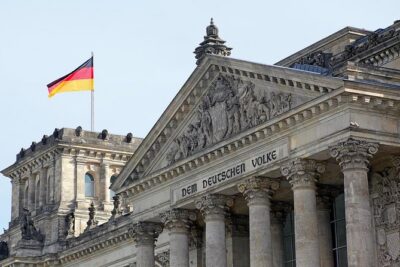
- Berlin: Reichstag, Dome and Government District Guided Tour
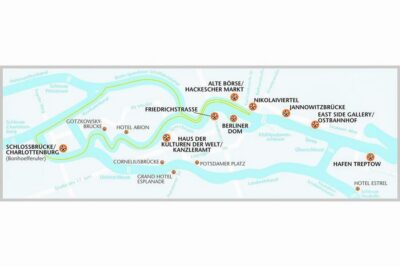
★ 4.7 · 18,288 reviews - Berlin: 1-Hour City Tour by Boat with Guaranteed Seating
★ 4.3 · 16,993 reviews - Berlin: TV Tower Standard Entrance Ticket
★ 4.4 · 15,883 reviews
From Potsdamer Platz into Tiergarten and the Soviet soldier memorial zone
The tour starts at Potsdamer Platz 10 and immediately puts you into the part of Berlin where twentieth-century history is always close by. Potsdamer Platz is modern, busy, and slightly surreal compared to the solemn memorial areas you will hit next. That contrast is helpful. It shows you how Berlin rebuilt itself after the worst parts of the past.
Then you move toward Tiergarten, which is Berlin’s central park and also the third-largest park in Germany. This is not a random stroll in greenery. Tiergarten is where Berlin’s landscape and its political story overlap. Walking through it during a history route gives you a sense of scale. You understand how the city could channel armies, borders, and symbols across real space.
From there, you’ll reach a WWII memorial honoring Soviet soldiers, with statues, tanks, and an obelisk. This is one of those stops where the guide’s tone matters a lot. A good guide keeps the humor dial low when the topic turns to mass death and occupation, and still helps you read the design choices. Even when you disagree with something about how memory is handled, you learn to notice what is being emphasized and what is being left out.
A practical note for this segment: Tiergarten can feel open and exposed. If it is windy or rainy, you will want layers and a hood. If you’re used to museum-only days, this tour is more like “see it, walk it, interpret it.”
Brandenburg Gate and the Holocaust Memorial: learn without turning it into a lecture
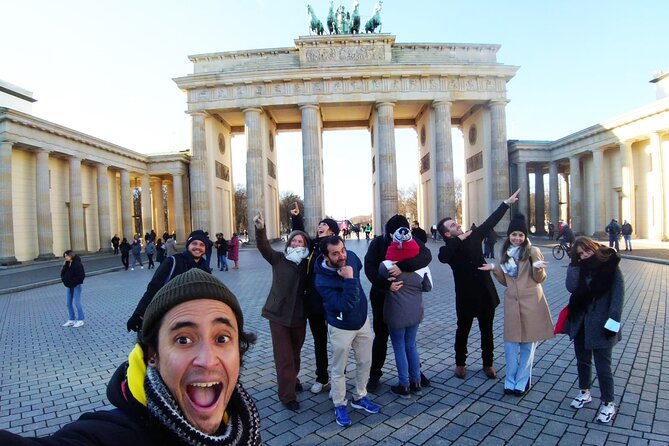
Two of Berlin’s strongest magnets sit close together: Brandenburg Gate and the Memorial to the Murdered Jews of Europe. The tour takes you to the Gate for about 15 minutes, and the entry there is free. Even if you have seen photos, standing there in person changes the feel. You see the geometry, the streets feeding into it, and you start connecting it to how regimes used public space as propaganda.
Then comes the Holocaust Memorial area. Expect around 10 minutes focused time, and also know that entry is not included. That does not mean you are blocked from seeing it. It means the experience is about the guide’s explanation and orientation, not a paid add-on. If you want longer quiet viewing, you will have to budget extra time on your own.
What you should take from this stop is not a list of dates. It is how Berlin teaches remembrance in public space. The memorial’s layout is meant to create discomfort and reflection. A guide who can explain that purpose helps you avoid turning it into just another “big landmark photo spot.”
Fuhrerbunker stop: Hitler’s last months, fast and focused
Next up is the Fuhrerbunker location, where Hitler spent his final three months. This stop is about 10 minutes, and it is free to access. It is short on purpose. Berlin does not hand you everything at once here. You’re supposed to absorb the basics, then move on.
The value of this quick stop is context. You learn why Berlin, not just other places, became the stage for the end of the Nazi regime. You also get a clearer map in your head for later sites tied to the Wall and the division of powers after the war.
One consideration: because the time is brief, this is not the place for deep architectural or documentary immersion. If you want a long, slow, museum-style session focused only on the end of the Third Reich, you’ll need additional time on your own.
Still, as part of a first-orientation walk, it works. It gives you a “why this area, why now” anchor.
Same city, a different way to spend the afternoon:
- Berlin: Boat Tour Along the River Spree
★ 4.4 · 11,252 reviews - Discover Berlin Half-Day Walking Tour
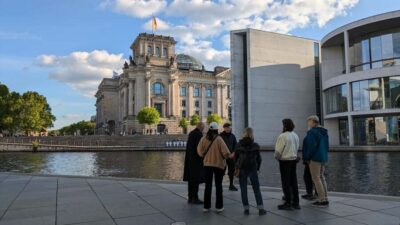
★ 5.0 · 9,624 reviews - Berlin: Government District around the Reichstag Guided Tour
★ 4.7 · 8,447 reviews - Berlin: Reichstag, Plenary Chamber, Cupola & Government Tour
★ 4.6 · 8,422 reviews
Old Customs checkpoint, Luftwaffe HQ, and the Wall’s long shadow
After the bunker stop, the route shifts into border and power territory. You pass the idea of an Old Customs checkpoint, described as sitting between the Soviet Communist and American Capitalist sectors. Even without a big billboard, the concept is easy to grasp when you are standing near the kinds of spaces where checkpoints used to operate. It makes the idea of borders feel physical, not abstract.
You also hit Luftwaffe HQ, which matters because it shows how Berlin was not only a political stage. It was also a military hub. A lot of walking tours skip these “supporting cast” institutions. This one aims to connect the dots so you understand why the war and the aftermath were not just about generals and speeches, but about systems and infrastructure.
Then you reach Berlin Wall territory. This is the main event for many people, and the tour is built to help you understand it as more than a wall you point at. You learn what the Wall represented day to day, and why the city’s streets and crossings turned into contested space.
Also, keep an eye out for the Soviet memorial elements tied to WWII reminders, because they set up a useful contrast. Different groups shaped memory differently. Berlin shows you those competing lenses side by side.
Reichstag and the Brandenburg Gate back-and-forth effect
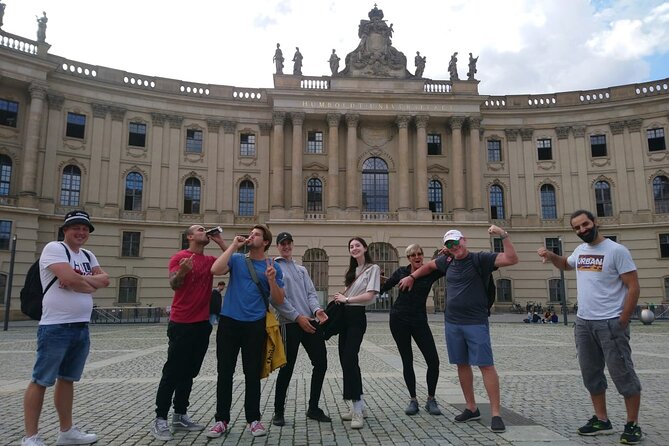
Berlin is full of “I thought they were farther apart” moments, and the Reichstag area is one of them. The route includes key power-symbol locations like the Reichstag and the Brandenburg Gate zone, all tied together so you can see how power sits in the urban plan.
This tour also squeezes in the practical reality of walking: a short 20-minute break at a Berlin mall. That matters more than it sounds. If you skip a break, you start rushing. Rushing leads to missed details. With the pause built in, you can reset before the most emotionally loaded stops.
If you are visiting during winter, you might even see the possibility of seasonal street energy, like the kind of market vibe that can pop up while you are moving through central Berlin. It is not guaranteed for everyone, but it is the sort of thing that can happen when your route follows the city’s main pedestrian corridors.
Jewish memorials, Checkpoint Charlie, Gendarmenmarkt, and Bebelplatz finale
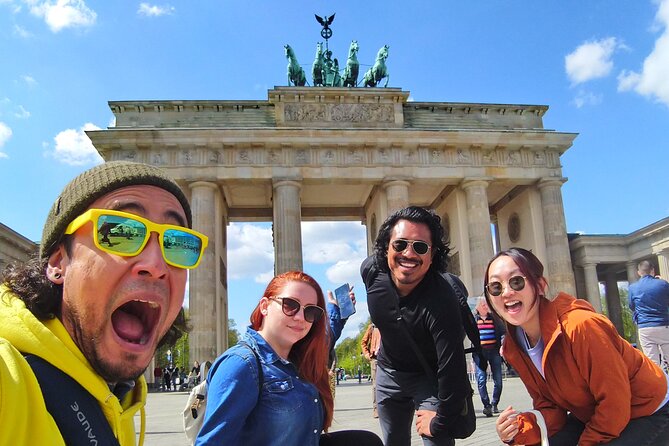
One of the strengths of this route is that it does not treat Berlin’s story like a straight line. You get turns that expand what you think you’re coming to see.
There’s a stop connected to the Jewish memorial theme, and the tour also includes Checkpoint Charlie, a name most people recognize even if they do not know how to place it in the broader story of Berlin’s division. The guide’s job here is to connect the recognizable icon to what it actually meant: crossing points, surveillance, theater of politics, and the tension of everyday movement.
You’ll then move toward Gendarmenmarkt, an 18th-century square with major buildings around it. You also hear how the square ties to serious Nazi-era events, which is a big reminder that Germany’s most beautiful architecture is not automatically disconnected from what happened in the twentieth century.
From there, you reach Bebelplatz near Unter den Linden, which is the tour’s end point. Ending here is smart because it sits in the same central zone as a lot of other walking options. Once you finish, you can pick your next steps without a long transit puzzle.
If you want to extend the day, Museum Island is also referenced on the route, which is a good hint that this area is an easy follow-on for people who want to swap from twentieth-century politics to museum time.
What it feels like on the ground: guide style, pace, and weather reality
This tour is famous for its guide banter. People often talk about it as funny, off-color, and energetic, but still educational. That is exactly the balance you should watch for when you book.
Guides like Kai and Alex are mentioned for keeping things engaging without turning it into a boring slideshow. Arthur is praised for lots of energy and jokes that still land with respect in serious sections. Frey gets credit for making the group comfortable even when it is miserable weather. Nichole and Anna are also mentioned for mixing humor with a steady sense of when to hold the room.
So here is how to decide if the style matches you:
- If you like conversational storytelling and short, memorable explanations, you’ll probably have a great time.
- If you want silence and only museum-like seriousness, you may feel the humor is a mismatch.
Pace-wise, you are walking for hours. Berlin is flat, so it is less about hills and more about stamina. Bring shoes you trust. If you smoke, note that it can interrupt flow, and one person specifically called that out as a minor annoyance. If you are not a smoker, you’re still affected by waiting for people to step aside, so try not to be late to each regrouping moment.
Weather is the other wildcard. Since you are outside most of the time, plan like it is a rain-or-glare walk.
Who should book this Rude Bastards Berlin tour
This one is ideal if you want a first pass at Berlin that hits major sites and still feels like a story. It is especially good for:
- People who like history but get bored by formal lectures
- Adults 18+ who can handle off-color jokes and occasional profanity
- Travelers with limited time who want a structured loop: Brandenburg Gate, Holocaust memorial area, Wall, Checkpoint Charlie, Reichstag zone, and a central finish
- Small-group lovers who prefer less crowding and more interaction
You might want to skip it if:
- You want a strictly sober, quiet tone at every stop
- You need museum-length time at memorial sites
- You are uncomfortable with adult-only humor
Should you book this tour or not?
If you are booking your first time in Berlin and you want a guided map of WWII and Cold War landmarks, this is a strong choice. The small group size, English delivery, and the way it connects symbols like Brandenburg Gate, the Holocaust memorial area, the Fuhrerbunker site, and Wall zones makes it easier to plan the rest of your trip.
Just go in with the right expectations. This is not a hushed, solemn march. It is a walk where jokes are part of the method, and serious topics are treated seriously too. If that style sounds like your kind of learning, book it. If you want a more traditional museum guide voice, choose another format and keep this one for someone in your group who likes banter.
FAQ
How long is the Rude Bastards tour in Berlin?
It runs about 3 hours 15 minutes.
What language is the tour offered in?
The tour is offered in English.
Where does the tour start and end?
It starts at Potsdamer Platz 10, 10785 Berlin and ends at Bebelplatz, Unter den Linden, 10117 Berlin.
How many people are on the tour?
There is a maximum of 10 travelers.
Is the tour free, and are tickets included?
Some stops are listed as free, like Brandenburg Gate and the Fuhrerbunker location. The Holocaust Memorial entry is listed as not included.
What is the cancellation window?
Free cancellation is available up to 24 hours in advance for a full refund.
Newest Berlin reviews on the site
- Jetbike Berlin fun bike beer bike★ 5.0 · 3 reviews
- Karl-Marx-Allee Walking Tour: Berlin’s Socialist History★ 5.0 · 5 reviews
- Homeless on chic streets: city tour in Berlin from personal experience★ 4.6 · 3 reviews
- Berlin: Sachsenhausen Concentration Camp Guided Tour★ 4.9 · 42 reviews
- Historyof the Trans, Queer & Gay communities of Berlin tour★ 4.8 · 17 reviews
- Historic Berlin Pubs & History Tour★ 4.9 · 73 reviews
- Berlin: City Center Walking Tour★ 4.7 · 45 reviews
- Half-Day Berlin Highlights Segway Expedition★ 4.5 · 61 reviews
Berlin Tours, compared.
Reichstag, Dome and Government District Guided Tour
Read our review →
1-Hour City Tour by Boat with Guaranteed Seating
Read our review →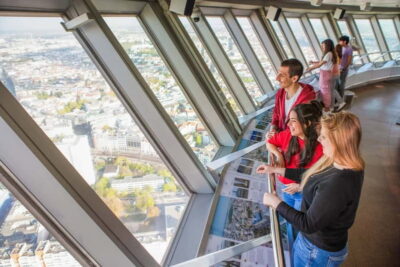
Government District around the Reichstag Guided Tour
Read our review →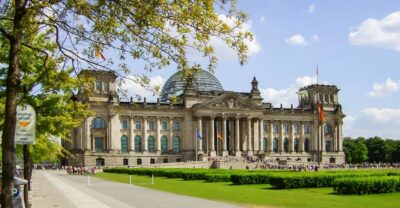
Reichstag, Plenary Chamber, Cupola & Government Tour
Read our review →