
Reviewed · WINE TOURS
Reil, Mosel: Guided organic wine tasting and cellar tour
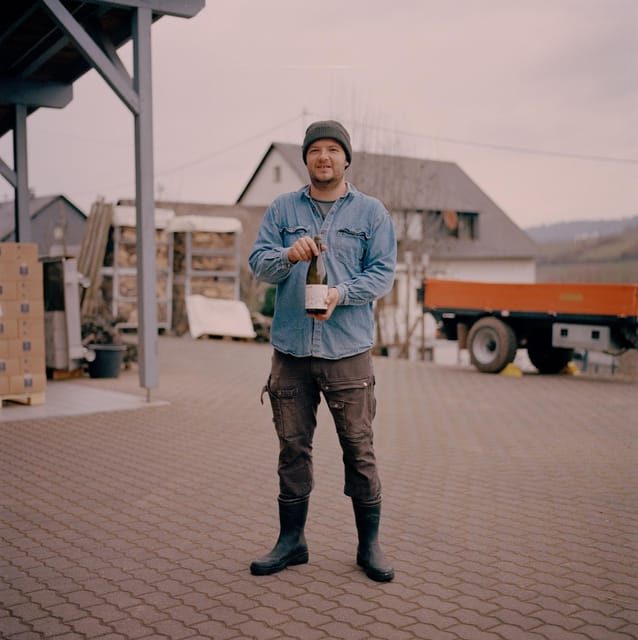
Organic wine should be interesting, and Mosel proves it. At Weingut Arns, you get a guided look at organic winegrowing plus a guided cellar visit, then you taste carefully made bottles with bread and water. I like that you meet the people behind the vines, not just the wine, and you walk away with answers to the practical questions organic farmers ask every season.
One thing to consider: this is a focused 2-hour experience, so it is not a long, slow dinner-and-drinks style evening. You also need to be comfortable with an educational format, in English or German, where the main goal is understanding the vineyard and the choices behind each glass.
In This Review
- Key things I’d circle before you go
- Where Mosel organic wine feels human: Weingut Arns and the why behind each bottle
- Meeting at Kringstraße 36 and what makes the start easy
- The one-hour vineyard tour: seeing organic vines up close
- Inside the modern cellar: where traditional and current methods meet
- Tasting 4 to 5 organic wines, including traditional-method sparkling
- The Q-and-A style that makes the tour stick, guided by Alexander
- What biological diversity and soil have to do with wine quality
- Price and value: is $29 really fair for organic tasting in the Mosel?
- Who should book this organic wine tasting, and who might want a different style of visit
- Should you book the guided organic wine tasting and cellar tour at Weingut Arns?
- FAQ
- What is the duration of the guided organic wine tasting and cellar tour?
- Where do I meet for the tour?
- What is included in the tour?
- Will I taste both still wines and sparkling wine?
- What languages is the tour guide available in?
- Is the tour wheelchair accessible?
- Is free cancellation available?
Key things I’d circle before you go
- Organic vineyard tour that connects farming decisions to flavor
- Meet the winegrowers, not just a guide reading from a brochure
- Modern cellar visit paired with traditional thinking
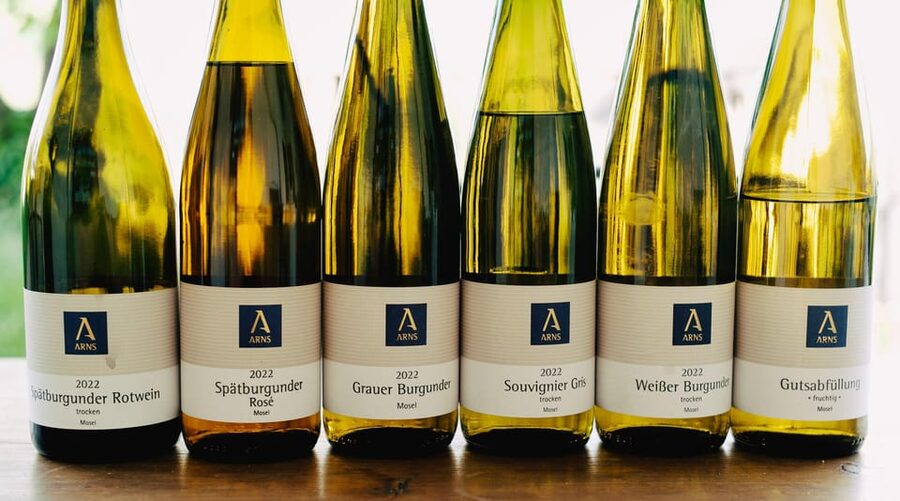
- Tasting of 4 to 5 organic wines, including traditional-method sparkling
- Bread and water included, so the tasting stays comfortable
- Bilingual guidance (English, German), with room for questions
Where Mosel organic wine feels human: Weingut Arns and the why behind each bottle
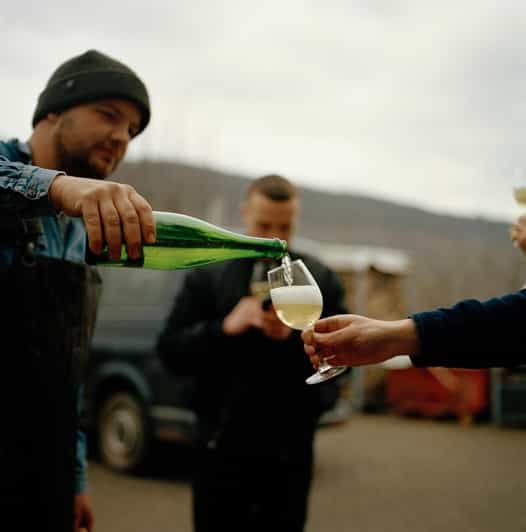
The Mosel valley is a great place to learn how wine is made, because the conversation naturally starts with the ground you grow on and the choices you make. At Weingut Arns, the whole experience is built around organic winegrowing and what it changes in the vineyard and the winery. You are not just sampling, you are getting the thinking behind the glass.
What I like most is how the tour moves through different “layers” of winemaking. You see the organic vines first, then you transition to a cellar space where modern tools and traditional methods can both matter. That rhythm keeps the tour from feeling like a lecture, even when the questions get serious, like how soil affects quality and whether sustainability is actually possible.
More food tours in Germany:
- Cologne: Brewery Tour with 3 Kölsch Beer Tastings
★ 4.7 · 3,108 reviews - Hamburg: St. Pauli Highlights Guided Tour with Beer for 18+
★ 4.7 · 2,353 reviews - Hamburg: Elbphilharmonie Plaza and HafenCity Food Tour
★ 4.7 · 1,711 reviews
Meeting at Kringstraße 36 and what makes the start easy
You meet at Arns Winery at the Blue Flag location, with Kringstraße 36 listed as the starting point. That matters because you can arrive and focus, instead of spending time guessing where the group gathers.
Plan for weather. The vineyard part happens outdoors for about an hour, so you will want a light jacket or a rain layer if the day looks changeable. Also, come with curiosity. The format is a guided Q-and-A style experience, so you will get more out of it if you bring a question, like how biodiversity affects vines or what organic farming changes day to day.
The one-hour vineyard tour: seeing organic vines up close
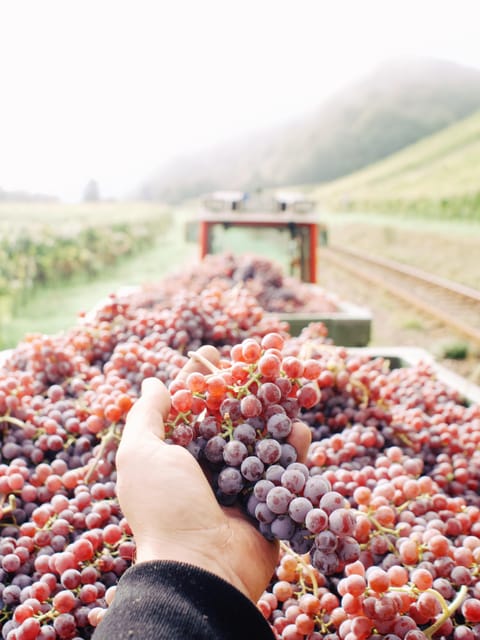
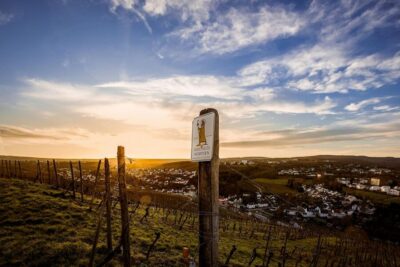
The vineyard stop is where the tour earns its name. You get a guided walk that is not only about pointing at plants, but about explaining how biological diversity and farming choices connect to wine. You will hear practical answers to questions like what the soil does for vine health and why soil quality can show up in the glass.
Even if you have visited vineyards before, this part feels different because the focus is explicitly organic. Organic viticulture is not just a label here. The conversation is about sustainability and whether that goal can be realistic while still producing wines people enjoy.
A good way to make the most of the vineyard hour is to pay attention to the language. When a guide explains organic farming, listen for the “tradeoffs” part. Every method has costs and constraints, and you will hear how they handle them, instead of only hearing success stories.
Inside the modern cellar: where traditional and current methods meet
After the vineyard, you shift gears to the winery. The cellar tour is about more than showing barrels and tanks. It is where the earlier farming talk gets translated into production, decisions, and results you can taste.
What I found useful in this part is the balance between traditional and modern. The tour is designed to answer how sustainability works in practice, not just in theory. You also get context for the different styles you will taste later, including sparkling wine made in the traditional method.
If you care about the details, ask how their approach changes across styles. You can bring up questions like how they manage still wines versus sparkling, or how organic growing choices influence what happens later in the cellar. The format is built for that, and it is the kind of thing that makes your tasting more than a blind “which one do you like” exercise.
More wine tastings in Germany:
- Trier: Guided City Walk with Wine Tasting
★ 4.8 · 979 reviews - Hamburg: Harbor Cruise with Wine and Cheese
★ 4.7 · 795 reviews - Berlin: 2-Hour Christmas Lights Bus Tour incl. Mulled Wine
★ 4.1 · 233 reviews - Trier: Discovery Tour – Germany’s Oldest Wine Cellar
★ 4.7 · 218 reviews
Tasting 4 to 5 organic wines, including traditional-method sparkling
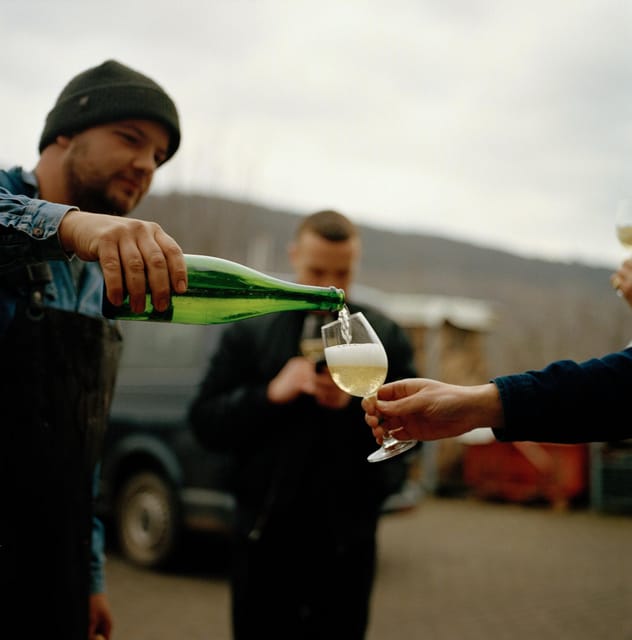
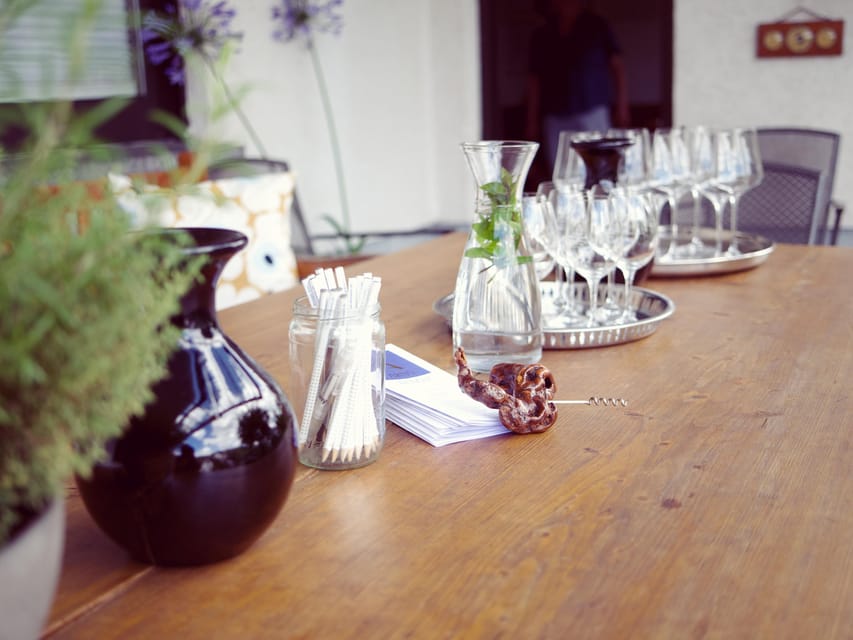
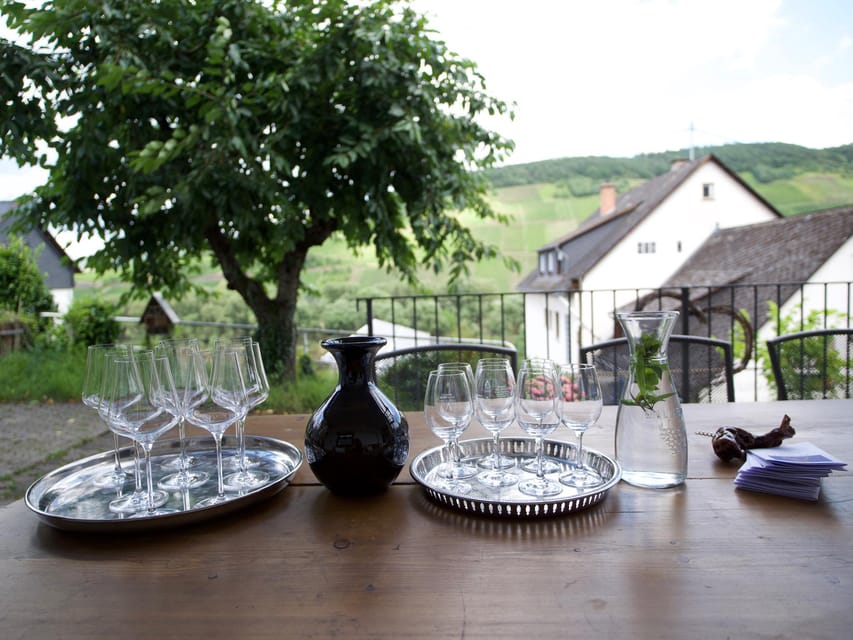
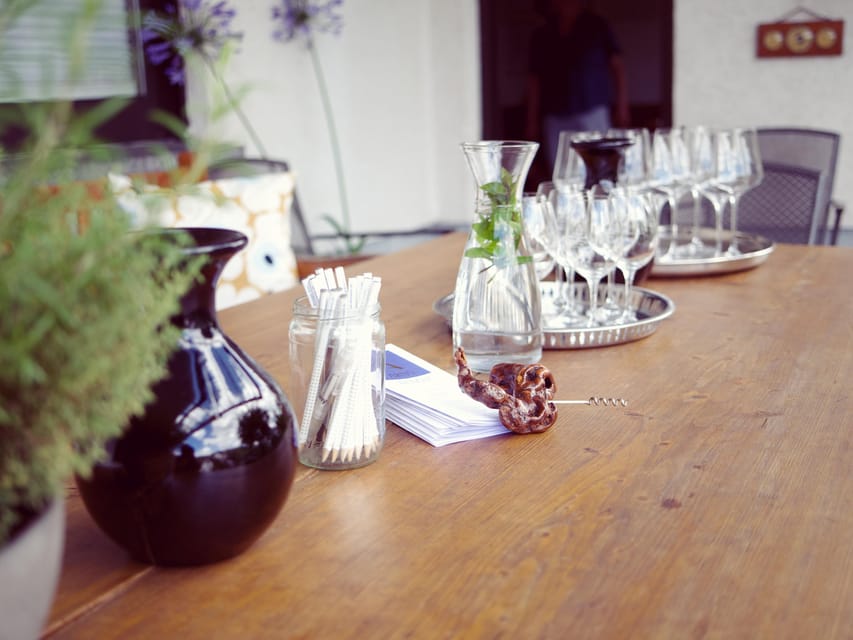
Then comes the part most people book for: tasting. You try four to five different organic wines with bread and water, which is a very practical combo. Bread helps you slow down, and water keeps the whole tasting comfortable, especially since the tour is only two hours total.
The lineup is described as spanning still whites and reds, plus sparkling wine made following the traditional method. That mix is a smart choice for a first Mosel organic tasting, because you get to compare styles without needing a huge flight. It also helps you understand what organic winegrowing can look like across different wine types.
Here is how to get more value from the tasting itself:
- Start by tasting with your nose, not your memory. You will pick up differences faster.
- Compare texture and finish, not only flavor intensity.
- If you hear a farming or cellar concept earlier, see if you can connect it to what you taste.
One nice detail from the experience is that it is handcrafted. The tour is set up so the wines feel like outcomes of real choices, not just products poured because they are popular.
The Q-and-A style that makes the tour stick, guided by Alexander
A big reason this experience rates highly is the way the explanation lands. One named guide you may encounter at Weingut Arns is Alexander, and the best sessions are known for clear, enthusiastic teaching. The tour also supports both English and German, and the guide can switch languages so everyone stays included.
That bilingual approach matters more than people think. Wine talk gets technical fast, and when a guide can adjust in real time, the group understands the same story. You are more likely to ask follow-up questions, because you do not feel left behind.
Another plus is the tone. The guidance is not about making you feel silly for asking basic questions. You are actively invited to ask about sustainability, soil influence, and what biological diversity has to do with wine growing. If you are the kind of person who likes to understand the why, you will feel at home here.
What biological diversity and soil have to do with wine quality
This tour specifically targets the questions many wine lovers wonder about but do not always get answered. Biological diversity is not a random science buzzword in this context. The idea is that healthier ecosystems in the vineyard can support vine health in ways that show up in the end result.
And soil is the other big theme. Soil affects how vines handle stress, how they grow, and what they bring into the grapes. The point of the tour is not to turn you into a soil scientist, it is to connect the dots so your tasting has context.
Sustainability also comes up directly. The tour asks whether it is possible to grow wine sustainably, and you will get the winemaker perspective on what sustainability means for their choices. That is where the human element really shows. You get to hear practical constraints and real goals, not just a marketing statement.
Price and value: is $29 really fair for organic tasting in the Mosel?
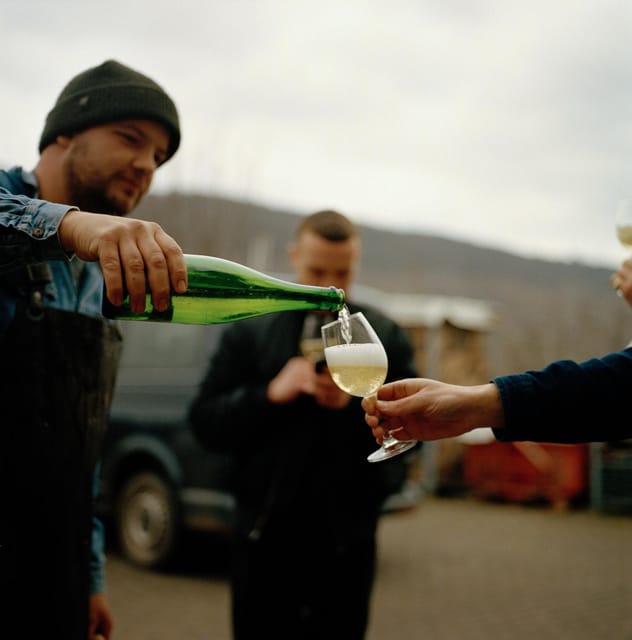
At about $29 per person for a two-hour tour, this is priced like a serious add-on, not a throwaway tasting. The value comes from what you actually get for that time: a vineyard walk, a cellar tour, and a structured tasting of four to five organic wines, plus bread and water.
If you compare this to tastings that only pour a handful of wines with no context, the education component is the difference. You are not paying only for the liquids. You are paying for an explanation of how the vineyard is managed organically, plus a cellar perspective on how traditional-method sparkling fits into their approach.
This is also a good price point if you want to buy bottles later. More than one visitor has said they liked the wines enough to take bottles home, which is often the best sign that the tasting is giving you more than “tourist tastes.” You get enough to form a real opinion.
Who should book this organic wine tasting, and who might want a different style of visit
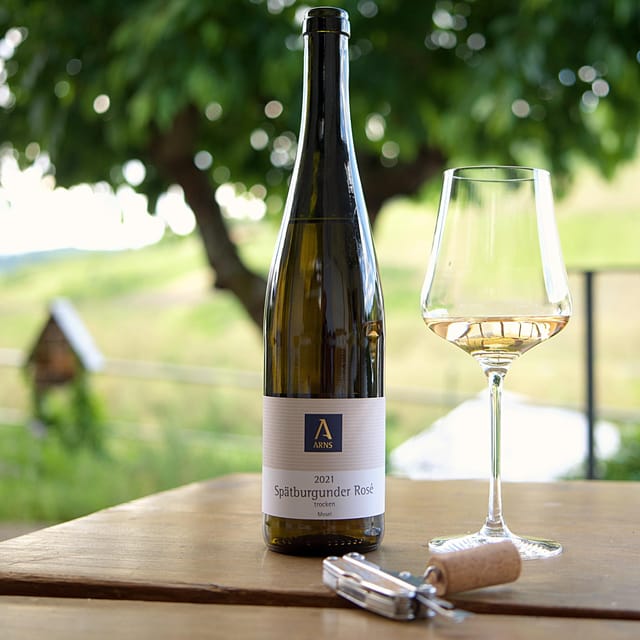
This tour is a great fit if you want:
- Organic winegrowing education tied to real people and real vineyard work
- A compact plan, about two hours, with a clear rhythm from vines to cellar to tasting
- Bilingual guidance (English and German) that keeps questions welcome
- A mix of still whites, reds, and traditional-method sparkling
It might be less ideal if you want a purely social tasting with minimal talk, or if you are looking for a huge variety of wines in one sitting. Because the tour is designed around organic farming and a set tasting sequence, you should expect focus over breadth.
One extra note: if you travel with a dog, you may be able to bring one along. A verified booking specifically said their dog was not an issue. That said, rules can change, so it is smart to ask ahead if you have a dog and want a smooth arrival.
Should you book the guided organic wine tasting and cellar tour at Weingut Arns?
Book it if you want an organic wine experience that actually explains itself. You will spend an hour on the vines, an hour inside the cellar, then taste a small flight of four to five organic wines that includes traditional-method sparkling. The format is tight, practical, and built around the questions that matter: soil, biodiversity, and sustainability.
Skip it if you prefer long leisurely tastings where conversation is minimal, or if you are only interested in a very specific grape or style not emphasized in this tour. Otherwise, this is the kind of booking that pays off fast, because you come away with context, not just a handful of sips.
FAQ
What is the duration of the guided organic wine tasting and cellar tour?
The experience lasts 2 hours.
Where do I meet for the tour?
Meet at Arns Winery, marked with the Blue Flag. The starting location is listed as Kringstraße 36.
What is included in the tour?
You get a vineyard and cellar tour, plus a tasting of four to five different organic wines. Bread and water are included.
Will I taste both still wines and sparkling wine?
Yes. You can expect still whites and reds, and also sparkling wine made using the traditional method.
What languages is the tour guide available in?
The live tour guide is available in English and German.
Is the tour wheelchair accessible?
Yes, the tour is wheelchair accessible.
Is free cancellation available?
Yes. You can cancel up to 24 hours in advance for a full refund.
Newest Germany reviews on the site
- Munich – the essential walking tour★ 5.0 · 30 reviews
- Munich Beer and Bavarian Bites Small-Group Tour★ 5.0 · 167 reviews
- Munich to Prague – Private Transfer with 2 hours of Sightseeing★ 5.0 · 6 reviews
- 800 Years of History: A Munich GPS Audio Tour★ 4.5 · 12 reviews
- Munich in the 3rd Reich and WW2 private walking tour★ 5.0 · 148 reviews
- Munich Scavenger Hunt and Sights Self-Guided Tour★ 4.5 · 8 reviews
- Munich Christmas Market Small Group Tour with Gingerbread Heart★ 4.0 · 9 reviews
- Munich Food Tour with Full Meal & Drinks by Do Eat Better★ 5.0 · 59 reviews
Wine Tours, compared.

Advent Tour with Stollen Tasting and Mulled Wine
Read our review →Browse the lists this tour appears in