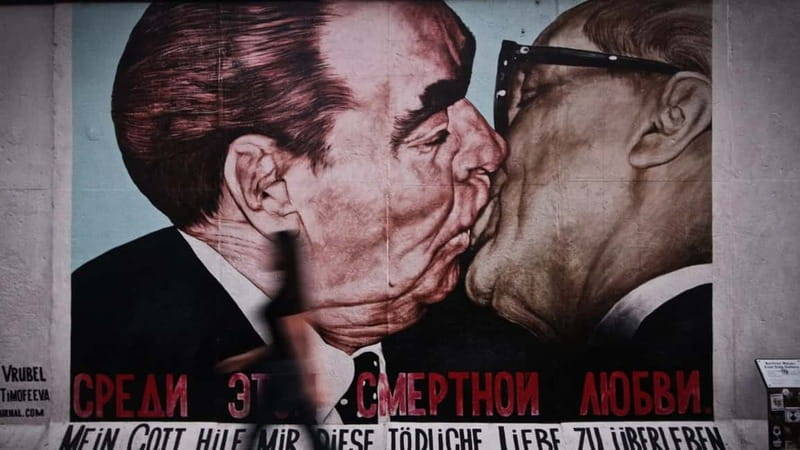
Reviewed · BERLIN TOURS
Red Berlin: Secrets of the Communist Capital
Berlin has two timelines on one street. In this Red Berlin walk, you move through the former Soviet sector like it is a live border zone, learning how Berlin stayed on the Cold War edge. I love how the tour pairs headline places with real human stakes, and I especially like the focus on Palace of Tears and the Ghost Stations story underground. One thing to consider: you need an AB transit ticket to join, so have it ready before you meet your guide.
The pacing works because it is tight, just two hours, with a guide who keeps facts moving and the emotion honest. You’ll also hear about Ostalgie, the strange, very Berlin kind of nostalgia that shows how East German life lingered even after the Wall fell. The route ends at Bernauer Straße, so you finish right where the Wall story is hard to ignore, and easier to remember.
In This Review
- Key highlights you will actually care about
- Entering Cold War Berlin from Starbucks near Brandenburg Gate
- Why the four Cold War embassies matter on this walk
- The Stasi story, and what it does to everyday life
- Palace of Tears: the Wall crossing that felt personal
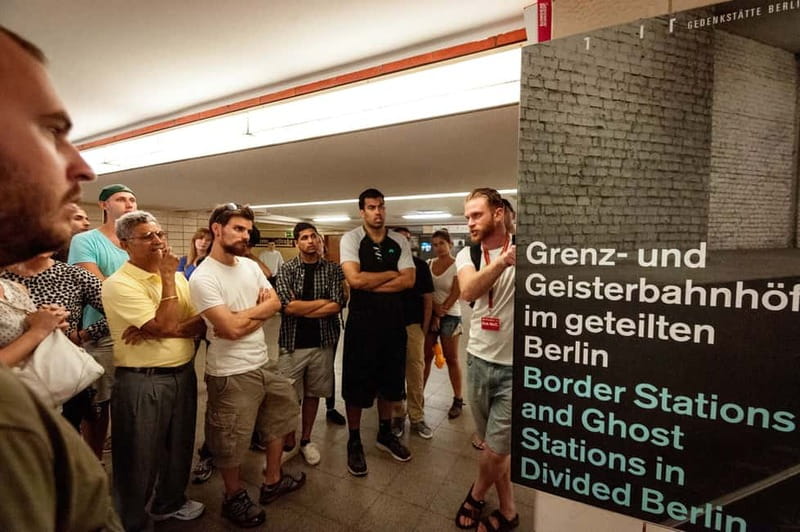
- Ghost Stations: the underground border you did not expect
- Ostalgie: nostalgia with a political shadow
- The walking route and timing: how to plan your half-day
- Who this tour suits best, and who might want a different option
- Price and value: is $30 for two hours worth it?
- Should you book Red Berlin: Secrets of the Communist Capital?
- FAQ
- FAQ
- Where is the tour start point?
- How long is the tour?
- What are the main places you visit?
- Where does the tour end?
- Do I need public transit for this tour?
- Is anything included besides the guide?
Key highlights you will actually care about
- Cold War embassy stop plan: you see embassies tied to four Cold War powers, not just generic photos.
- Palace of Tears Wall crossing: you learn where people tried to leave and what that meant in practice.
- Stasi surveillance context: the tour explains how a vast spy network kept daily life under watch.
- Ghost Stations explained on the ground: you get the story behind underground parts of the border.
- Ostalgie as a living idea: you learn why some East German memories became emotional symbols.
- 2-hour, start to finish route: quick enough for a half-day, with comfort-focused advice like comfortable shoes.
Entering Cold War Berlin from Starbucks near Brandenburg Gate
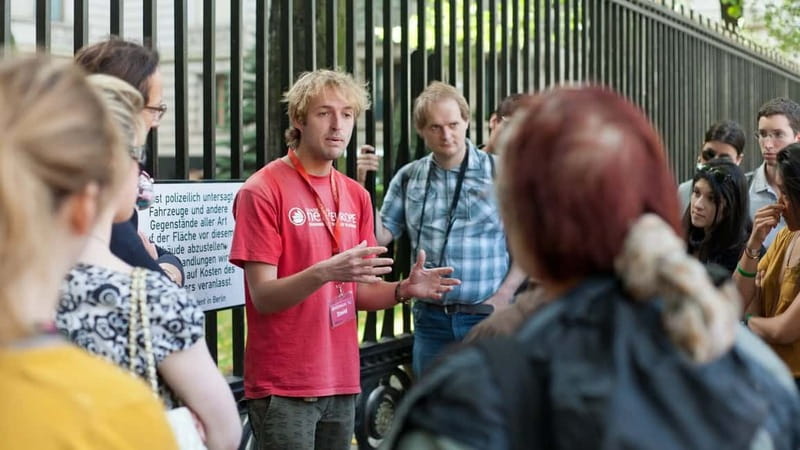
Most walking tours start with history. This one starts with geography, and you feel the difference right away. You meet your guide in front of Starbucks Café, near Berlin’s Brandenburg Gate. Your guide wears a red umbrella and a red t-shirt, so you are not hunting in a crowd while your timing is already stressed.
From that starting point, you head into former East Berlin territory with the Cold War front and center. The tour is designed to show you Berlin as a place where two systems lived side by side, each watching the other, each afraid of the worst. And because it is only two hours, the walk stays focused on the highest-signal moments: where borders tightened, where people were trapped, and where the state tried to control information.
I like this structure because it keeps you from getting lost in big concepts. You get a guided story you can connect to specific locations, which is the fastest way to turn Berlin Wall history from facts into something you remember.
A few more Berlin walks and trips to compare
- Berlin: Reichstag, Dome and Government District Guided Tour
★ 4.7 · 18,288 reviews - Berlin: 1-Hour City Tour by Boat with Guaranteed Seating
★ 4.3 · 16,993 reviews - Berlin: TV Tower Standard Entrance Ticket
★ 4.4 · 15,883 reviews
Why the four Cold War embassies matter on this walk
One of the smartest parts of this tour is that it does not treat diplomacy as a background detail. You visit embassies of four Cold War powers, which helps you understand that the conflict was not only tanks and missiles. It was also paperwork, messaging, spying, and influence, carried out in very real neighborhoods.
This stop gives you an important lens: the Cold War was about control of information and movement. When you look at embassies, you are looking at spaces meant to represent one side while staying surrounded by the other. That tension is the same tension that powered the Wall, and it helps you make sense of why normal life could feel surveilled and restricted.
If you like Berlin because it feels layered, you’ll enjoy how this portion links architectural presence to geopolitical pressure. And since you are walking, you see how the city layout shapes what governments could and could not do.
The Stasi story, and what it does to everyday life
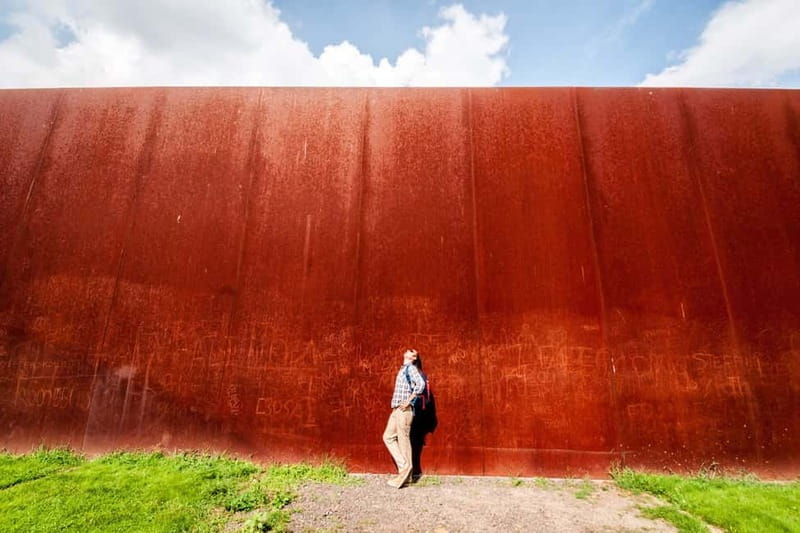
The tour spends real time on the Stasi, described as the largest spy network the world has ever seen. That is a big claim, but the point of bringing it up is simple: the Wall separated people physically, yet the system also separated them mentally.
What you learn here is how observation works when it becomes normal. You do not just hear that spies existed. You learn about the mechanics of living in a place where your routines could draw attention, where neighbors might not be trustworthy, and where reporting could be part of daily life. The guide ties this back to the places you see, so it feels like the city itself is part of the story, not just a set for it.
This is also where I think the tour earns its name, Red Berlin. The communist capital is often reduced to a few iconic images. Here, you understand the pressure behind the images. You come away with a clearer sense of why the Cold War in Berlin did not stay theoretical.
Palace of Tears: the Wall crossing that felt personal
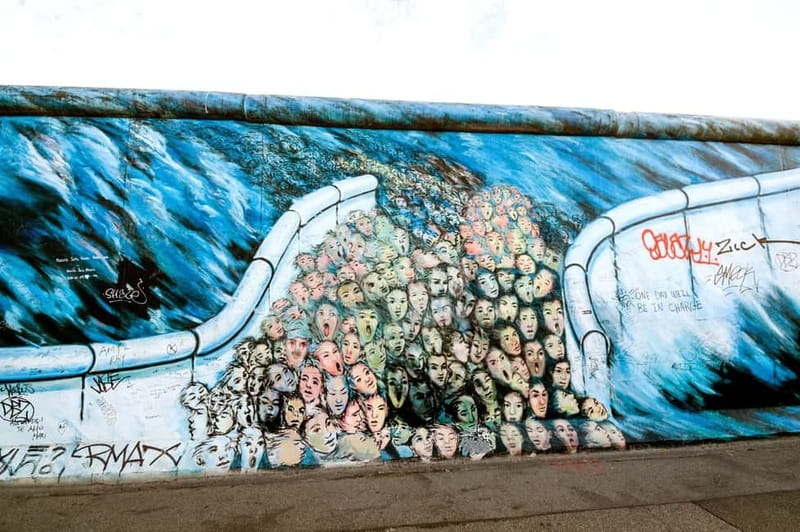
The highlight section you probably care about most is the Palace of Tears. You learn about crossing points of the Berlin Wall at this site, and it is hard not to feel how loaded those words are. A crossing point is a doorway, but in Cold War Berlin it was also a test, a gatekeeping moment, and a place where hope could turn into delays or denials.
This part of the tour works because it connects policy to human outcomes. When you hear about people trying to leave and what the process meant, the Wall stops being an object and becomes a barrier with consequences. The guide helps you see how security and propaganda mixed together, turning movement into a controlled privilege.
Practical note: if you like taking photos, bring your patience. You may be standing and listening in spots where angles are limited or where lighting changes quickly. Comfortable walking shoes matter here, because you will be moving at a steady pace.
Same city, a different way to spend the afternoon:
- Berlin: Boat Tour Along the River Spree
★ 4.4 · 11,252 reviews - Discover Berlin Half-Day Walking Tour
★ 5.0 · 9,624 reviews - Berlin: Government District around the Reichstag Guided Tour
★ 4.7 · 8,447 reviews - Berlin: Reichstag, Plenary Chamber, Cupola & Government Tour
★ 4.6 · 8,422 reviews
Ghost Stations: the underground border you did not expect
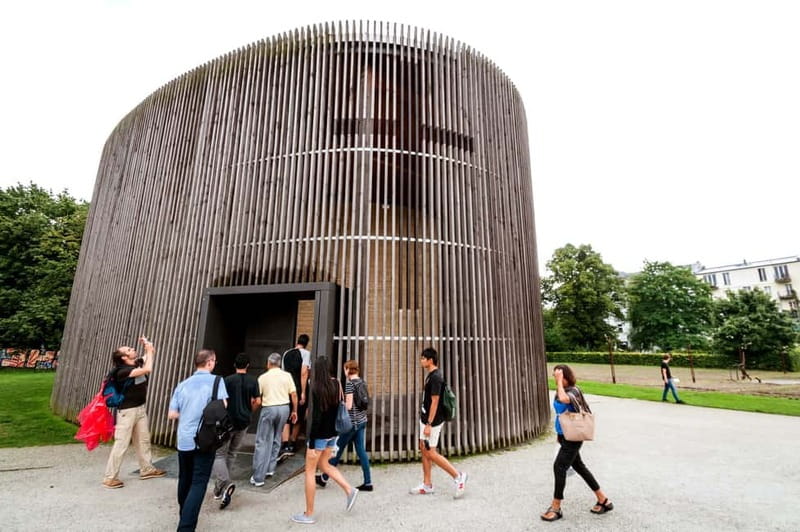
If you have ever wondered how the Wall impacted Berlin transport beyond surface checkpoints, this tour addresses that with the story of the Ghost Stations. You learn about the phenomenon and what it meant for daily rhythms, especially because trains and stations usually feel public, ordinary, even comforting.
In this portion of the walk, you are not just collecting a fun fact. You are looking at how a border can extend downward into a city’s infrastructure. The idea is unsettling in a quiet way: the city’s most routine movements can become controlled, interrupted, or repurposed when politics decides the rules.
This is one of those segments where a good guide makes the difference. Based on the tour’s track record and the way guides bring the material to life, you can expect explanations that connect the concept to what you can see and where you are standing. It is a good match for you if you like history that changes how you see a place, instead of history that stays in the past tense.
Ostalgie: nostalgia with a political shadow
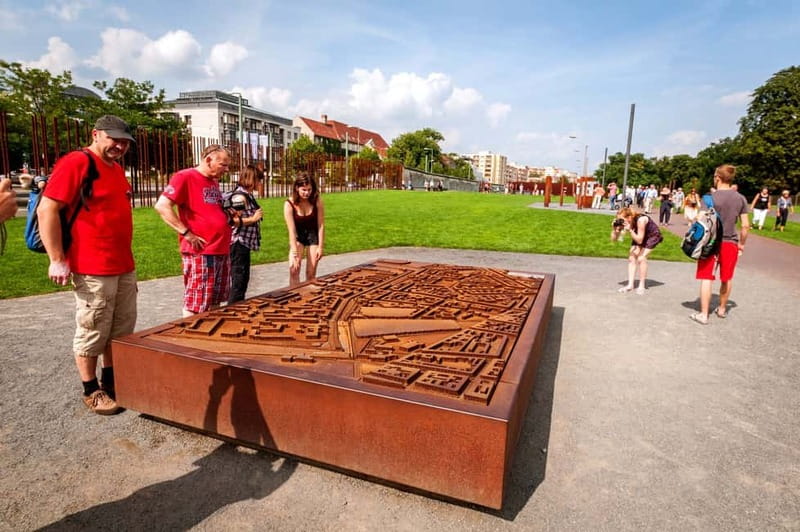
Ostalgie is on the tour highlights list for a reason. You learn about the phenomenon of Ostalgie, which is the kind of nostalgia that can pop up when a society has undergone a rapid, uneven transformation. Some people miss aspects of everyday life, even while acknowledging the system’s unfairness and coercion.
On this walk, Ostalgie is not presented as a simple romance. It is treated as a lens, a way to understand how the communist era stayed emotionally present after reunification. That matters because it prevents the story from becoming one-note. Berlin is not just a before and after map. It is also a place where memory can be complicated.
I like including this because it helps you avoid the common tourist trap: either only mourning the past or only treating it like a costume set. Ostalgie reminds you that people can have mixed feelings, and those mixed feelings often reveal more about a society than clean slogans do.
The walking route and timing: how to plan your half-day
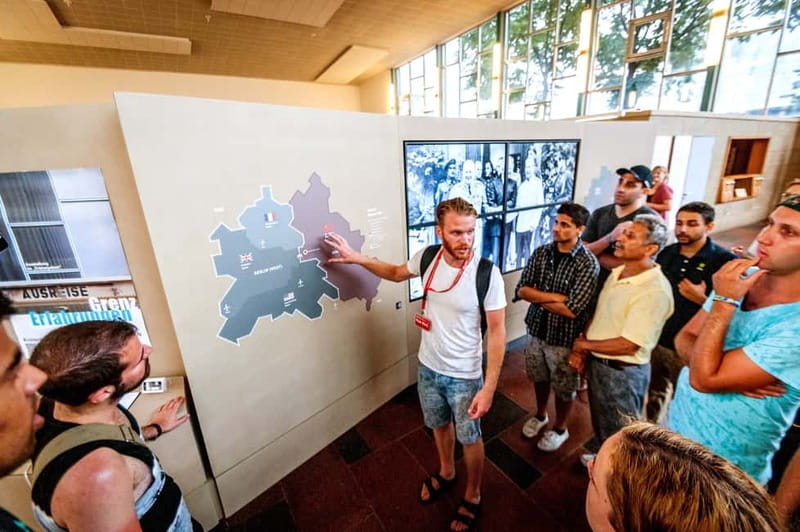
This is a 2-hour walking tour, so it is built for efficiency. You move at a pace that fits into a short Berlin window, but it still gives you enough time to stop, listen, and connect the story to each site. It includes time for lunch, which is handy if you are stacking this with other sights. Food and drinks at break are not included, so keep that in mind and plan a lunch stop nearby or pick up something simple to carry.
You end at Bernauer Straße, which makes your finish feel like a natural climax. Ending near the Wall story area helps the tour land with clarity, because you are not winding down with something unrelated. Instead, you end with a place that keeps the Cold War visible.
What to wear is straightforward: comfortable shoes. Even if the route is not described as difficult, two hours of walking in a city like Berlin adds up fast, especially if you want time to linger and look back.
Who this tour suits best, and who might want a different option
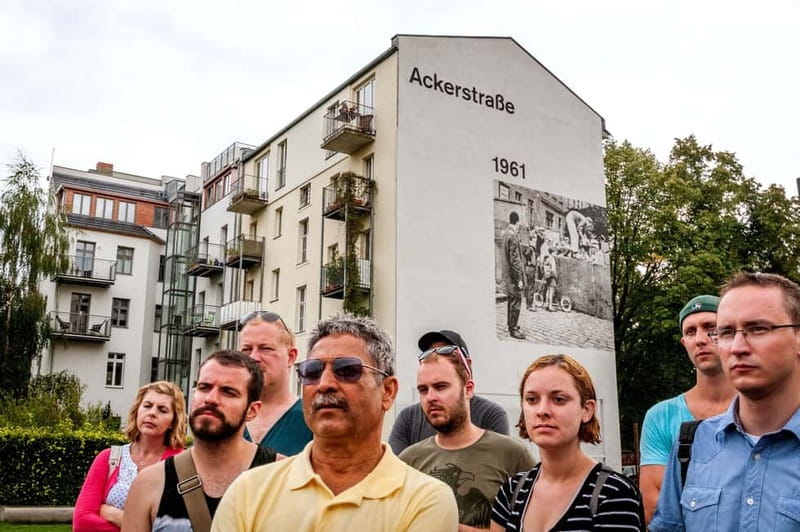
This tour fits you best if you want a guided narrative version of Cold War Berlin, with specific stops that anchor the big themes. It is especially good for you if:
- you want Stasi and surveillance context, not just Wall photos
- you like walking tours that end at a meaningful spot, not back at the start
- you enjoy seeing how politics shows up in ordinary architecture and street geography
It might not be ideal if you want a long, deep, museum-style experience. The tour is short by design, so you get the essential story beats, not an all-day seminar. Also, because you need an AB transit ticket, make sure you are ready with your ticket or day card before you meet your guide.
Price and value: is $30 for two hours worth it?
At $30 per person for a two-hour guided walk, the value comes from how focused the content is. You are not paying for a broad city overview. You are paying for a curated route with high-impact stops: embassies of four Cold War powers, Palace of Tears crossing-point context, Ghost Stations, the Stasi explanation, and Ostalgie.
For most visitors, the biggest cost is often time. This tour saves time by doing the hard work for you: it points out what matters and explains why it mattered. You also get a live English-speaking guide, which helps you ask questions and clear up confusion on the spot.
If you are trying to choose between a self-guided Wall route and a guided Cold War story, I think this is the smarter pick when your goal is understanding. The sites are significant, but they are also easy to misread without context. A guide helps you connect those places into one coherent story.
Should you book Red Berlin: Secrets of the Communist Capital?
I would book this if you want a fast, guided, high-signal introduction to communist Berlin. The combination of Palace of Tears, Ghost Stations, Stasi surveillance context, and Ostalgie gives you a balanced view of power and people, not just concrete and dates. You also get helpful, human guide energy, and based on what different guides have brought to the tour, it seems like they make the story stick with strong explanations and memorable details.
You might skip it only if you already feel totally comfortable with Cold War Berlin and you want a slower, museum-heavy day instead of a tight walking narrative. Otherwise, for $30 and two hours, it is a practical way to see more meaning per step.
FAQ
FAQ
Where is the tour start point?
You meet your guide in front of Starbucks Café near Berlin’s Brandenburg Gate. Your guide has a red umbrella and a red t-shirt.
How long is the tour?
The tour lasts 2 hours.
What are the main places you visit?
You’ll see embassies of four Cold War powers, learn about crossing points of the Berlin Wall at the Palace of Tears, hear about the Ghost Stations phenomenon, and learn about Ostalgie.
Where does the tour end?
The tour finishes at Bernauer Straße.
Do I need public transit for this tour?
Yes. An AB transit ticket is required to participate. A day card is recommended.
Is anything included besides the guide?
The guided tour is included, and there is time for lunch. Food and drinks at break are not included.
Newest Berlin reviews on the site
- Rickshaw Tours Berlin – Groups of up to 16 people with several rickshaws★ 4.0 · 97 reviews
- Your ticket to The Wall Museum Berlin★ 3.0 · 60 reviews
- Love and War in Berlin: Self-Guided Story Puzzle Walk★ 5.0 · 7 reviews
- Warnemuende Shore Excursion: Berlin Private Sightseeing Tour from Rostock★ 5.0 · 4 reviews
- eSIM for Germany and 34 European Countries★ 4.5 · 16 reviews
- Walking on the Wall: 3-Hour Tour in Berlin★ 4.5 · 34 reviews
- Karl-Marx-Allee Tour: Life and Architecture in East Berlin★ 5.0 · 19 reviews
- Warnemuende Shore Excursion: Private Berlin Tour★ 4.5 · 27 reviews
Berlin Tours, compared.
Reichstag, Dome and Government District Guided Tour
Read our review →
1-Hour City Tour by Boat with Guaranteed Seating
Read our review →

Government District around the Reichstag Guided Tour
Read our review →
Reichstag, Plenary Chamber, Cupola & Government Tour
Read our review →