Reviewed · BERLIN TOURS
Queer Berlin Tour: Birthplace of LGBTQ+ Movements
Queer Berlin has a street-level timeline. This tour is interesting because it connects today’s queer Berlin to the places where ideas, activism, and nightlife took shape, especially around Schöneberg and Magnus Hirschfeld. I like how it balances big names with real street corners, not just plaques. The one drawback to flag up front is the subject matter gets heavy, with Nazi persecution and Cold War suffering woven into the route.
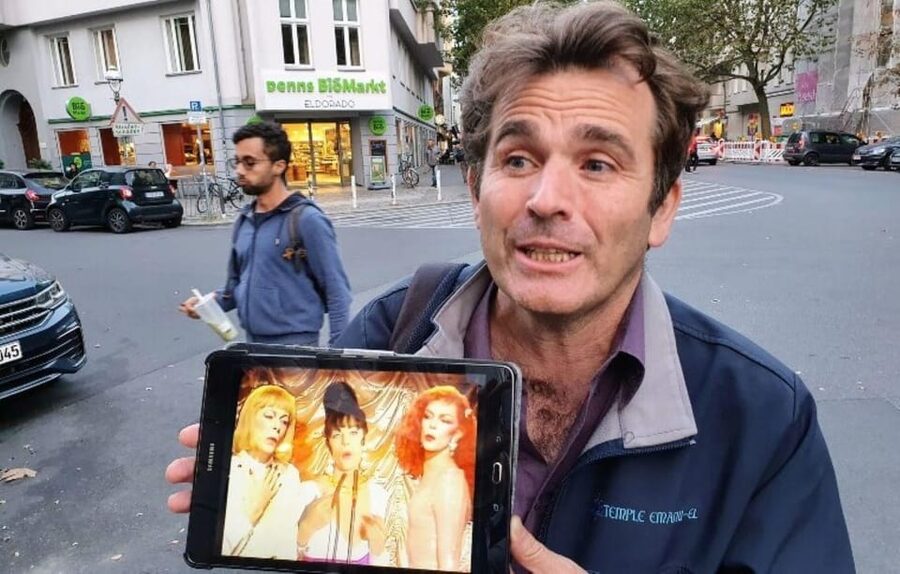
What makes it work is the expert guide, in English or German, who turns architecture and monuments into story. On my read of how this tour is run, the best part is the way guides like Dan and Justin bring the decades to life, using a story-driven pace, plus supporting images and music. It is still a 3-hour walking tour, so you’ll want comfortable shoes and a willingness to hear a lot.
In This Review
- Key Highlights That Make This Tour Feel Different
- Why a 3-Hour Queer Berlin Walk Works
- Nollendorfplatz to the Nazi-Era Memorial: Setting the Tone
- Schöneberg, the World’s First Gay Ghetto and the Street-Level Story
- Real de Catorce and the Power of Breaking the Route Into Chunks
- Tiergarten Monument to Gay Emancipation Movement and Hirschfeld’s Institute Site
- Under den Linden: Frederick the Great, Humboldt, and the Disguise Theme
- El Dorado to the Nazi Power Play: Marlene Dietrich and Ernst Röhm
- Chez Romy Haag, David Bowie, and the 1970s Love Story You Can Walk To
- Alexanderplatz: Cold War East Berlin and the Cost of Visibility
- Who This Tour Suits Best (and Who Might Want Something Else)
- Should You Book the Queer Berlin Tour?
- FAQ
- How long is the Queer Berlin tour?
- Where does the tour start and where does it end?
- What sights are included during the walk?
- Is this tour in English or German?
- What is the price?
- What’s included, and is metro fare included?
- Is cancellation allowed?
Key Highlights That Make This Tour Feel Different
Schöneberg as the world’s first gay ghetto, plus the nightlife thread that explains how community formed
A stop tied to Hirschfeld and the Institute for Sexual Science, including his role in gay rights and the term transsexualism
The Gay Emancipation Movement monument in Tiergarten, used as a bridge between activism and what was erased
Christopher Isherwood and the Weimar-to-Cabaret connection, with stops that show how stories traveled
Weimar glamour to Nazi brutality, including details around the El Dorado Cabaret and Ernst Röhm
Cold War Berlin at Alexanderplatz, so you understand what came after the Third Reich
Why a 3-Hour Queer Berlin Walk Works
Berlin can feel like a choose-your-own-adventure city. This tour helps you read the city like a timeline you can walk. You start in the west, move through the neighborhoods that shaped LGBTQ+ life in the early 1900s, then push east to the Cold War reality centered around Alexanderplatz.
At 3 hours, it is not a lecture that drones on. It is a guided walk where each stop is meant to answer one question: how did queer life survive, adapt, and sometimes fight back in the face of state violence?
The price, $153 per person, feels fair if you care about seeing multiple landmark connections in a short window. You are not just getting one famous site. You’re getting a focused route that stitches together activism, culture, and the brutal consequences of persecution.
And because it is a live walking tour with private or small groups available, the atmosphere tends to stay human-sized. That matters when the stories span both joy and genocide.
A few more Berlin walks and trips to compare
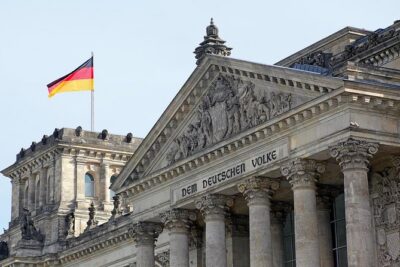
- Berlin: Reichstag, Dome and Government District Guided Tour
★ 4.7 · 18,288 reviews - Berlin: 1-Hour City Tour by Boat with Guaranteed Seating
★ 4.3 · 16,993 reviews - Berlin: TV Tower Standard Entrance Ticket
★ 4.4 · 15,883 reviews
Nollendorfplatz to the Nazi-Era Memorial: Setting the Tone
The tour begins at a pickup point that depends on your selected option, then heads to Nollendorfplatz. This is a smart first move. Instead of starting with a single museum object, you begin in a place that helps you orient. From there, you get the sense that queer Berlin is not one era or one street. It is a network of neighborhoods that changed over time.
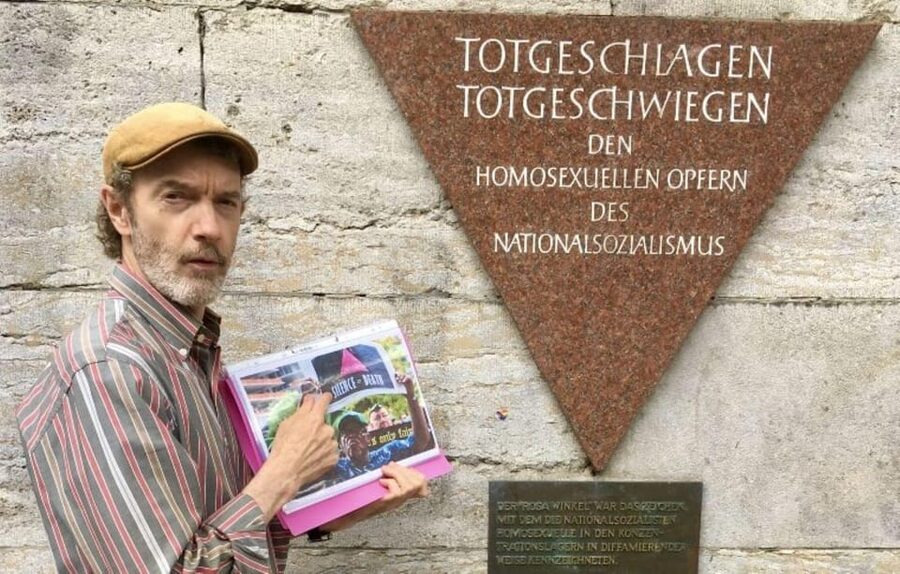
Next comes the Memorial to the Homosexuals Persecuted Under Nazism. This stop is where the tour’s emotional gravity becomes clear. You are not only learning names. You are learning the logic of persecution: that LGBTQ+ people were targeted, imprisoned, and erased for political reasons as well as social hatred.
Practical note for your mindset: if you prefer light sightseeing, this is not that kind of tour. If you want to understand why so many Berlin memorials exist and why some are so specific, this is exactly where the tour earns its place.
Schöneberg, the World’s First Gay Ghetto and the Street-Level Story
After the Nazi memorial, the route shifts into Schöneberg, which the tour frames as the world’s first gay ghetto. That phrase can sound like history trivia. On this walk, it is treated as a lived social map: what kind of community formed, where people went, and how identity and culture could cluster into something visible.
You will also hear about the neighborhood’s legendary lesbian bars. That matters because it expands the story beyond the idea that LGBTQ+ history is only about one kind of queer experience. The tour connects queer nightlife and organizing culture, showing how spaces supported people when they were not safe everywhere else.
This is also where the route starts mixing the past and the present. The tour points out a rent-boy dive that remains gay-run to this day. That kind of stop is useful because it makes the history feel less like a distant exhibit and more like a continuity of community spaces.
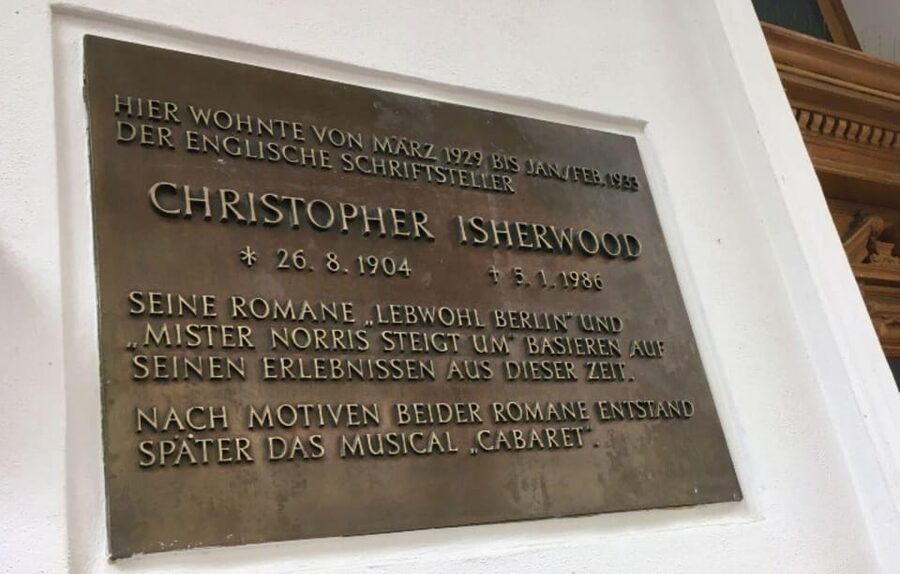
Along the Schöneberg stretch, the guide also connects the area to Christopher Isherwood and the kind of Weimar-era life that later inspired Cabaret. Even if you know Cabaret mostly as a stage or screen story, the walking context helps you see how those characters and vibes came from real urban behavior, not just imagination.
And yes, you’ll get the glamour too. The tour includes the former El Dorado Cabaret, where Marlene Dietrich performed. That is not random celebrity spotting. It is a reminder that queer spaces were often part of broader nightlife and entertainment culture, and that mainstream fame could brush up against queer subculture in the same rooms and streets.
One small consideration: because Schöneberg is central to the story, you may want to pace yourself mentally. The tour covers nightlife, literary connections, and political violence in quick turns, and the guide’s job is to keep those threads coherent.
Real de Catorce and the Power of Breaking the Route Into Chunks
Midway through the walk, you hit Real de Catorce as one of the guided stops. The data you’re given does not spell out the specific historical angle of that exact location, but it does tell you what the tour is doing overall: it uses multiple points, not one long uninterrupted “and then we walked here” story.
I actually like this kind of routing. It prevents the tour from feeling like one long monologue. It also gives your brain small resets, which is helpful when the content covers everything from queer pioneers to persecution and genocide.
If you tend to zone out during walking tours, this is one of the reasons I would pick this style. Frequent stop points keep attention anchored, and they keep the story from blurring together.
Same city, a different way to spend the afternoon:
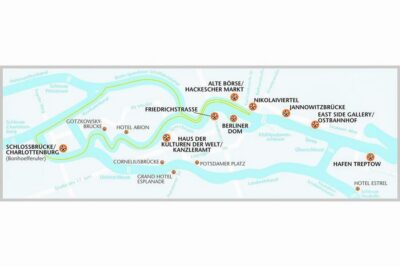
- Berlin: Boat Tour Along the River Spree
★ 4.4 · 11,252 reviews - Discover Berlin Half-Day Walking Tour
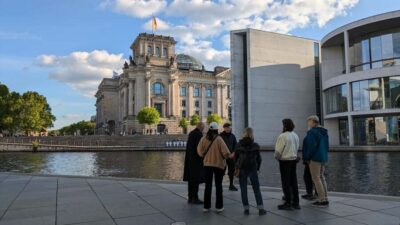
★ 5.0 · 9,624 reviews - Berlin: Government District around the Reichstag Guided Tour
★ 4.7 · 8,447 reviews - Berlin: Reichstag, Plenary Chamber, Cupola & Government Tour
★ 4.6 · 8,422 reviews
Tiergarten Monument to Gay Emancipation Movement and Hirschfeld’s Institute Site
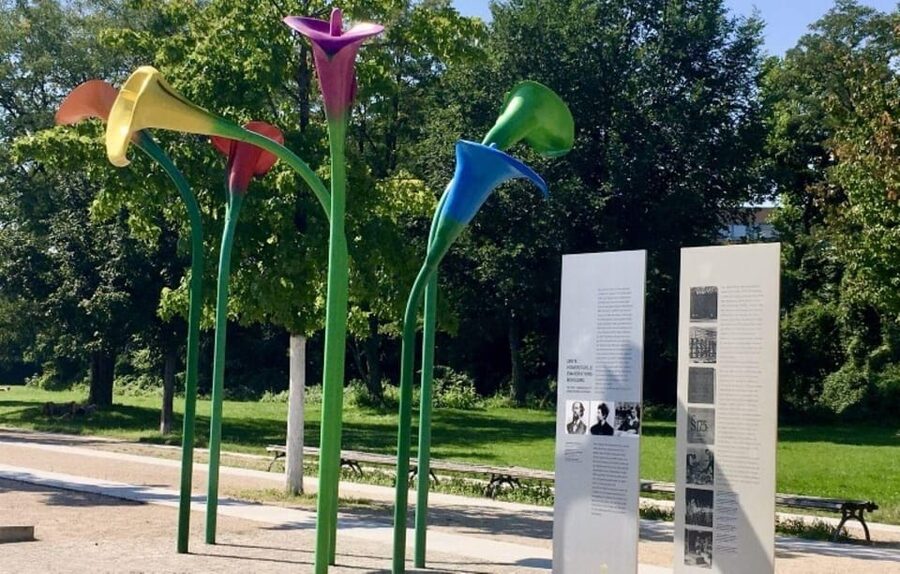
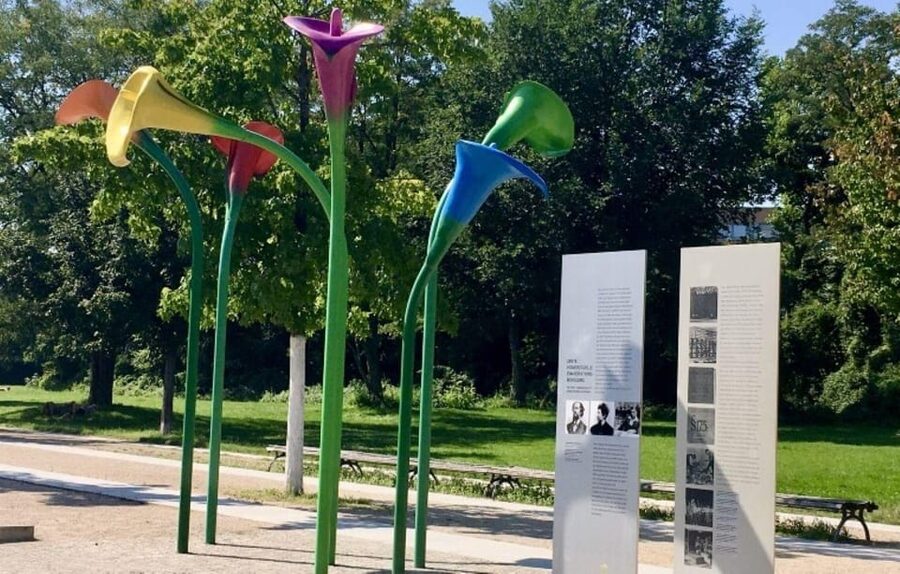
One of the most compelling parts of the tour is the connection between activism and what the Nazis tried to erase. The route includes the Memorial to the First Homosexual Emancipation Movement and a colorful monument to the Gay Emancipation Movement in Tiergarten.
Here’s why that section matters. A lot of LGBTQ+ history education focuses on individuals. This tour also emphasizes infrastructure. You learn about the Institute for Sexual Science, founded by Magnus Hirschfeld. The guide highlights that Hirschfeld coined the term transsexualism and helped pioneer the gay rights movement.
The tour also brings in Hirschfeld’s film work: he co-authored the first pro-gay film in the world, Anders als die Andern (Different from the Others), in 1919. That detail is great for you if you like history that crosses disciplines, because it links activism to media long before modern headlines.
Then the tour hits the hard stop in 1933: the Nazis closed the Institute and burned its library. That is part of why monuments like these exist at all. They are physical markers of both what was built and what was destroyed.
If you’re the kind of visitor who likes to understand how ideas become institutions, this section is a highlight. If you prefer tours that focus only on entertainment history, this may feel more intense. But it’s also the piece that most directly answers why Berlin has been called a birthplace of LGBTQ+ movements.
Under den Linden: Frederick the Great, Humboldt, and the Disguise Theme
The tour continues to Unter den Linden, one of Berlin’s most famous boulevards. Here, you get a different kind of framing: early LGBTQ+ figures and the idea of concealment.
You’ll meet the tour’s early gay Berliners, including Prussian King Frederick the Great and explorer Alexander von Humboldt, and you’ll hear how they disguised their sexuality. Even if you already know Berlin is full of layered stories, this stop is a reminder that queer life did not only appear in the 20th century.
This is also a section where it helps to listen for what the guide is doing with the setting. Unter den Linden is grand, official, and public. The tour uses that contrast to show that sexuality and identity often had to operate under social pressure, long before the city’s later queer institutions.
Some versions of the route also cover major central-city landmarks tied to historical repression, so you may see the tour thread extend into sites connected to German cultural trauma. The point is not pageantry. It is understanding how Berlin changed after people tried to silence ideas.
El Dorado to the Nazi Power Play: Marlene Dietrich and Ernst Röhm
The former El Dorado Cabaret is one of those places where history feels like it has multiple layers stacked at once. The tour reminds you that Marlene Dietrich performed there, placing the cabaret world inside a broader entertainment orbit.
But the tour also moves quickly into the Nazi era, using the cabaret world as a bridge to politics. You’ll learn about Ernst Röhm, described here as openly gay and the head of the Sturmabteilung (the Nazi Brown Shirts). The story then lands on 1934, when Röhm was executed during the moral purge known as the Night of the Long Knives (Nacht der langen Messer).
This segment works because it refuses an oversimplified story. It doesn’t suggest Nazis were a single-minded monolith of behavior. It shows how power, morality campaigns, and brutal enforcement intersected in real people’s lives.
For me, the takeaway is simple: queer history in Berlin is not only about art and parties. It is also about who held institutional power and who got crushed by it.
Chez Romy Haag, David Bowie, and the 1970s Love Story You Can Walk To
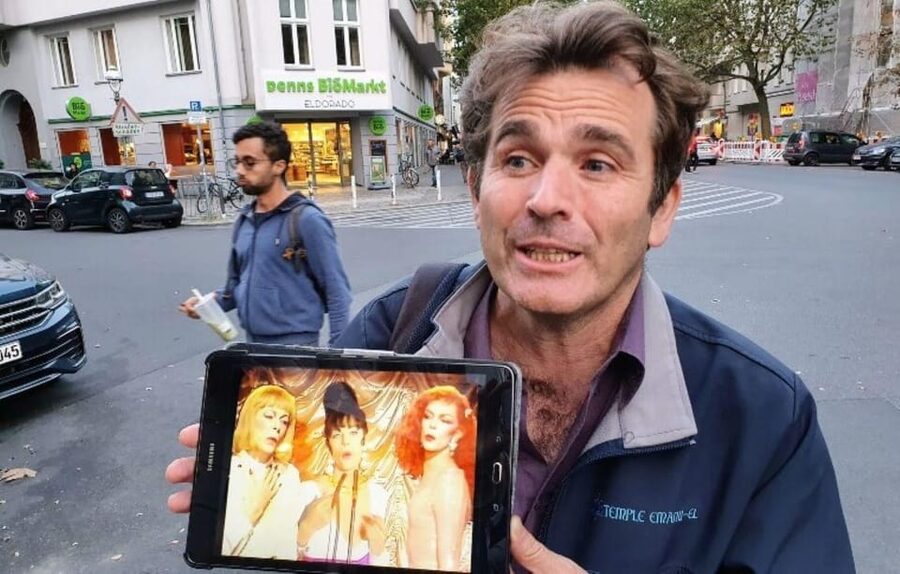
When the tour reaches the 1970s era, it brings in Chez Romy Haag. This is the stop where the story shifts from early 20th-century activism and Weimar culture into postwar queer nightlife.
The tour includes Romy Haag, a transgender actress, singer, and dancer, and the affair she began with David Bowie. The guide links that relationship to Bowie’s iconic song Heroes.
Why I like this part: it makes the tour feel emotionally balanced. After the Institute burned and persecution intensified, you get a reminder that queer art and queer romance kept producing culture, not just suffering.
This is also where the walking style helps. You are not stuck reading about Bowie and Haag as distant celebrities. You’re seeing them anchored in the city’s nightlife geography, which is how Berlin often tells its own story best.
Alexanderplatz: Cold War East Berlin and the Cost of Visibility
The final major emotional arc arrives at Alexanderplatz, described as the heart of Cold War East Berlin. The tour focuses on the suffering endured by gays and lesbians behind the Iron Curtain.
This is the kind of stop that changes how you understand everything that came before. In the early sections, you learn about persecution by the Nazis and the destruction of institutions. Here, you learn that after World War II, control did not vanish. It shifted form, and queer people still paid a price.
Alexanderplatz is also a strong ending point because it is recognizable. You finish in a place that feels central and modern, which makes it easier to orient after the walk.
The tour then ends with two drop-off locations, including Berlin, Impala Coffeeshop. That matters because it gives you a soft landing. You’re not finished with Berlin when the tour guide stops talking. You’re in the right place to keep exploring on your own.
Who This Tour Suits Best (and Who Might Want Something Else)
This tour is a great fit if you want LGBTQ+ Berlin history to be connected, not chopped into separate facts. It suits you if you like:
- stories that connect politics to nightlife and media
- landmarks that explain how queer community formed in specific neighborhoods
- a route that goes from Weimar and Hirschfeld through Nazi persecution and into Cold War Berlin
It may not be the best match if you want a purely social bar-hopping experience, because the tour includes memorial stops and direct discussion of genocide and state violence. It also moves through a lot of names and decades in one 3-hour window, so a history quick-draw pace is part of the deal.
For me, the sweet spot is a curious first-time visitor who wants the emotional and historical “why” behind Berlin’s reputation, without spending an entire day in museums.
Should You Book the Queer Berlin Tour?
Yes, you should book it if you want a guided walk that explains how LGBTQ+ life in Berlin became a movement, then faced organized destruction, then reemerged in new forms. The route is tight, the stops are specific, and the guide style described by people who took the tour points to strong storytelling, often with music, images, and local perspective.
I would especially book it if you like tours led by people who can make early queer Berlin feel real, not like a textbook. With guides such as Dan and Justin highlighted in the experience, you’re likely to get that narrative thread: Schöneberg and Hirschfeld, cabaret culture and persecution, then Cold War reality at Alexanderplatz.
If you tell yourself you can handle heavy topics, this tour will leave you with a sharper, more human understanding of Berlin than you’d get from landmarks alone.
FAQ
How long is the Queer Berlin tour?
The tour lasts 3 hours. It is a walking tour.
Where does the tour start and where does it end?
The starting location depends on the selected option. The tour includes drop-off at Berlin, Impala Coffeeshop (and one other drop-off location).
What sights are included during the walk?
You’ll visit key sites connected to LGBTQ+ history, including the Institute for Sexual Science site connected with Magnus Hirschfeld, Schöneberg, the monument to the Gay Emancipation Movement in Tiergarten, Christopher Isherwood’s former flat, and the former El Dorado Cabaret. The tour also includes stops connected to post-WWII Schöneberg, the 1970s nightclub Chez Romy Haag, and Alexanderplatz in Cold War East Berlin.
Is this tour in English or German?
Yes. The live tour guide offers German and English.
What is the price?
The price listed is $153 per person.
What’s included, and is metro fare included?
Included are the 3-hour guided walking tour and the tour’s insights into LGBTQ+ history and culture, plus visits to the key historical sites. Metro fare is not included.
Is cancellation allowed?
The activity offers free cancellation, with a full refund if you cancel up to 24 hours in advance.
Newest Berlin reviews on the site
- Jetbike Berlin fun bike beer bike★ 5.0 · 3 reviews
- Karl-Marx-Allee Walking Tour: Berlin’s Socialist History★ 5.0 · 5 reviews
- Homeless on chic streets: city tour in Berlin from personal experience★ 4.6 · 3 reviews
- Berlin: Sachsenhausen Concentration Camp Guided Tour★ 4.9 · 42 reviews
- Historyof the Trans, Queer & Gay communities of Berlin tour★ 4.8 · 17 reviews
- Historic Berlin Pubs & History Tour★ 4.9 · 73 reviews
- Berlin: City Center Walking Tour★ 4.7 · 45 reviews
- Half-Day Berlin Highlights Segway Expedition★ 4.5 · 61 reviews
Berlin Tours, compared.

Reichstag, Dome and Government District Guided Tour
Read our review →
1-Hour City Tour by Boat with Guaranteed Seating
Read our review →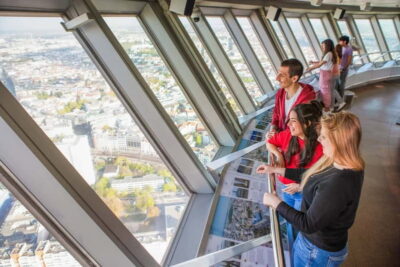
Government District around the Reichstag Guided Tour
Read our review →
Reichstag, Plenary Chamber, Cupola & Government Tour
Read our review →