
Reviewed · CITY TOURS
Night magic city tour in Berlin
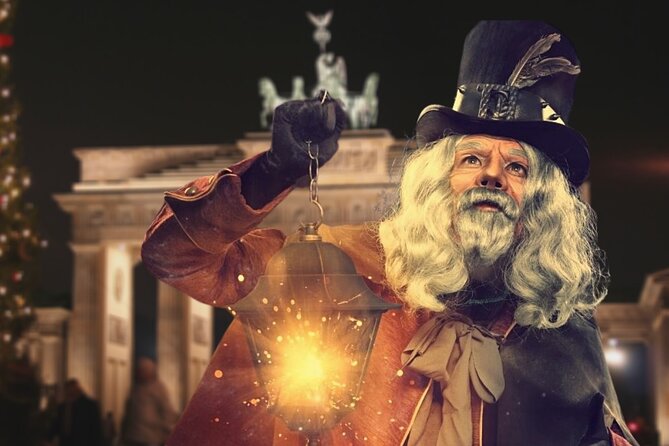
One night can change how you see a city. This Night magic tour stitches together Berlin landmarks into a fun, interactive walk that feels more like a story than a checklist.
I love the way it mixes big-name sights with small, meaningful details, from the Neptune Fountain symbolism to Ampelmännchen crossing signals. I also like the energy reported in the reviews, with costumes, an audio guide style, and performers using visual effects to keep the pace light at night.
One possible drawback: it is weather dependent, and a bad night means cold, wet streets and slower walking, plus there is at least one complaint about a guide not showing up on time. If you book, dress for winter and plan to arrive a few minutes early at the start.
In This Review
- Key things to know before you go
- Night Magic Berlin in 90 minutes, with costumes and street-level storytelling
- Getting started at St. Marienkirche, then moving through Mitte
- Neptune Fountain: the Roman god, the rivers of Prussia, and a mini lesson in symbols
- Red City Hall (Rotes Rathaus): why red clinker bricks and leadership matter
- Ampelmännchen crossing signals: small street art with big political history
- Nikolaiviertel: the reconstructed medieval heart near Alexanderplatz
- St. Nikolai-Kirche: oldest church in Berlin, built 1220 to 1230
- Humboldt Forum on Museum Island: non-European art in a rebuilt royal setting
- Mühlendamm and the Spree: the city built where the mills once were
- How the night format changes the experience
- Price, value, and who this tour fits best
- A real drawback to consider, and how to protect your evening
- Should you book Farolero’s Night magic city tour?
- FAQ
- Is this tour offered in English?
- How long is the Night magic city tour?
- What is the price per person?
- What is the group size limit?
- Do I need a printed ticket?
- Where does the tour start and end?
- When will I get confirmation after booking?
- What happens if weather is poor?
- Can I get a refund if I cancel?
- What if the minimum number of travelers is not met?
Key things to know before you go
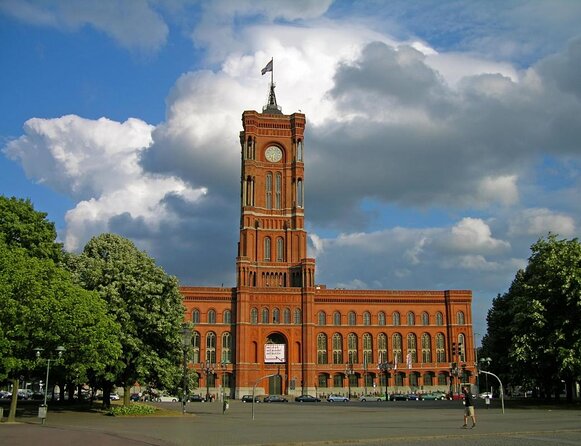
- Interactive storytelling at night: expect performers and an audio guide style rather than a strict lecture.
- Small group size: up to 20 people, so the pace stays friendly and questions feel possible.
- Mitte sights in walking order: you start near St. Marienkirche and end by the Spree in central Berlin.
- Photo stops with context: major landmarks get explained, not just pointed at.
- Weather matters: the tour requires good weather, so build in flexibility.
Night Magic Berlin in 90 minutes, with costumes and street-level storytelling
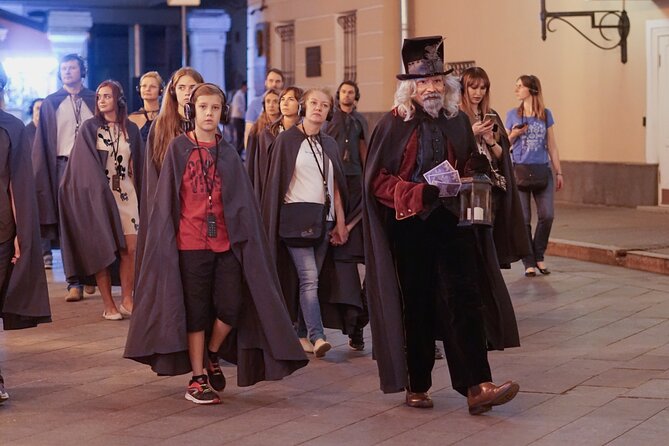
Berlin at night can feel like two cities at once: the official monuments, and the everyday quirks you only notice after dark. This tour leans into that second Berlin, using a simple walking route through Mitte and layering explanations over what you see. It is a classic one-hour-and-change format, which is ideal if you want something fun without eating your whole evening.
The price, $46.99 per person, lands in the midrange for a guided, interactive experience. But the value comes from two things: the group stays limited to 20 travelers, and the format includes more than just a guide talking. Based on feedback, you may also get props or costumes, plus a mix of audio-style guidance and performers that help the story stick.
You are not signing up for a museum visit. You are walking past city icons, letting the tour connect their symbolism, history, and design choices to what Berlin is today.
A few more Berlin walks and trips to compare
- Berlin: Reichstag, Dome and Government District Guided Tour
★ 4.7 · 18,288 reviews - Berlin: 1-Hour City Tour by Boat with Guaranteed Seating
★ 4.3 · 16,993 reviews - Berlin: TV Tower Standard Entrance Ticket
★ 4.4 · 15,883 reviews
Getting started at St. Marienkirche, then moving through Mitte
The tour meets at St. Marienkirche, Karl-Liebknecht-Str. 8, 10178 Berlin, and ends at Ephraim on the Spreeufer 1, 10178. That matters because Mitte is compact, and you get a route that stays central without constant transit. It is also convenient if you are already near Alexanderplatz or the Spree River area.
Expect the opening minutes to set the tone. One review mentions a warm reception and getting dressed up right away, which suggests the team wants you involved early, not just standing and listening. If that part appeals to you, you will likely find the tour more memorable than a standard overview.
A practical note: since the tour needs good weather, the pavement can be slick in colder months. I would show up with sturdy shoes and a warm layer you can move in. And if you are traveling in peak season, arriving a few minutes early is smart, because the group is small and the whole flow depends on starting on time.
Neptune Fountain: the Roman god, the rivers of Prussia, and a mini lesson in symbols
The first big set piece is the Neptune Fountain, built in 1891 and designed by Reinhold Begas. It centers Roman god Neptune, surrounded by four women meant to represent the major rivers of Prussia at the time: the Elbe, Rhine, Vistula, and Oder.
What I like here is that the explanation gives you a way to look longer than you normally would. You are not just seeing decorative stonework. You are reading a political map in sculpture form. The four river figures hold different symbols, like fruits and ears of corn for the Elbe, fishnet and grapes for the Rhine, and forestry symbols for the Vistula.
There is also a built-in reality check that makes the story feel current: the Vistula is now mostly in Poland, and the Oder forms the border between Germany and Poland. That detail helps you understand how Berlin’s geography and power have shifted over time, without turning the tour into a lecture.
If you prefer very quiet tours, this early stop might still feel lively because the interactive format tends to keep people engaged. But if you like learning while walking, this is a strong first anchor.
Red City Hall (Rotes Rathaus): why red clinker bricks and leadership matter
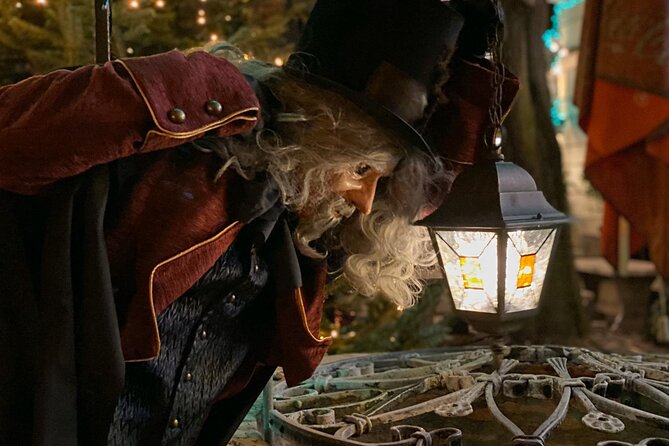
Next comes the Rotes Rathaus, Berlin’s town hall in the Mitte district near Alexanderplatz. The name is literally tied to the façade design, built with red clinker bricks, which is a nice example of how German architecture often tells you what to expect just by looking.
This stop works because the tour explains what the building actually is, not only how it looks. You learn it is the home of the governing mayor and the government of the state of Berlin, including the Senate of Berlin. That gives the exterior a job in the present day, even if you are walking past it at night.
At night, buildings like this can feel abstract, especially when you are far enough away that you cannot read inscriptions. But the basic idea is easy to carry: this is civic power, in brick and angles, in one of Berlin’s most central locations.
If you are the type who likes to understand how a city is governed, you will appreciate this stop. If you just want photogenic streets, you may still enjoy it for the sheer scale and the idea that the city hall is not a relic, it is active.
Same city, a different way to spend the afternoon:
- Berlin: Boat Tour Along the River Spree
★ 4.4 · 11,252 reviews - Discover Berlin Half-Day Walking Tour
★ 5.0 · 9,624 reviews - Berlin: Government District around the Reichstag Guided Tour
★ 4.7 · 8,447 reviews - Berlin: Reichstag, Plenary Chamber, Cupola & Government Tour
★ 4.6 · 8,422 reviews
Ampelmännchen crossing signals: small street art with big political history
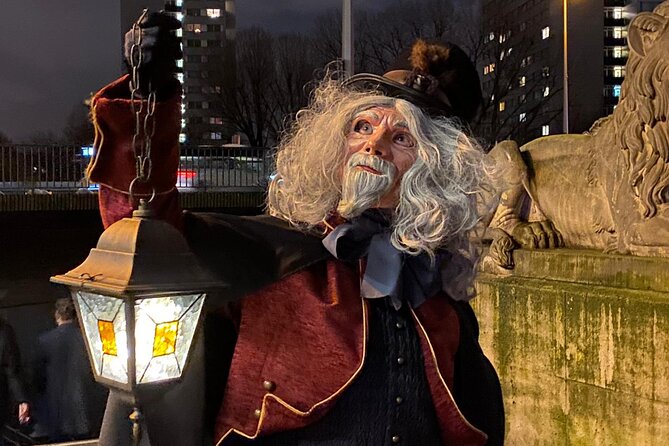
From grand architecture, the tour moves to something delightfully small: Ampelmännchen, the little traffic light man. This is one of those Berlin details that you might notice on your own and then completely miss the meaning of.
Before German reunification in 1990, West and East Germany used different versions for pedestrian signals. The East and West figures differed in style, with a generic human figure in West Germany and a more distinct, hat-wearing figure in East Germany. In other words, the everyday act of crossing the street carried an identity mark.
I like stops like this because they train your eyes. After you learn what Ampelmännchen represents, you will start looking for other design cues embedded in daily life. It also helps that it is a simple concept, and you can spot it quickly even while walking.
This stop is likely brief, but it is memorable. It turns the city into a story you can read in tiny pieces.
Nikolaiviertel: the reconstructed medieval heart near Alexanderplatz
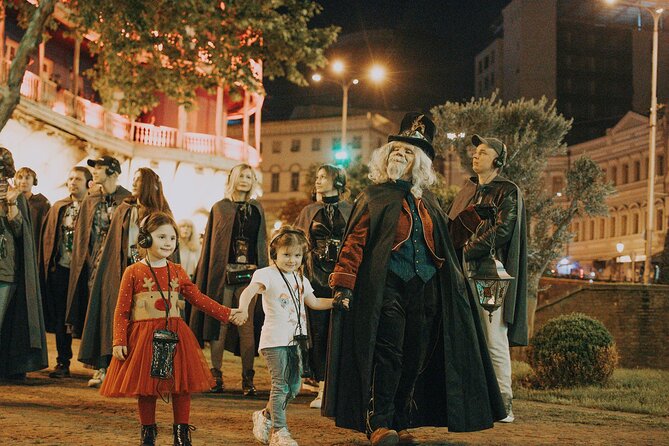
Then you step into Nikolaiviertel, a reconstructed area often described as the historical heart of Alt-Berlin. It dates back to the era around 1200, and the neighborhood, together with nearby Cölln, forms the reconstructed core of the capital.
This is the kind of place where night makes things better, not worse. The streets and buildings feel like a set built to slow you down. The tour places it only about five minutes from Alexanderplatz, so you get a contrast: the hectic modern rail-and-shopping area nearby, and then this older-feeling pocket that is meant to recreate the vibe of early Berlin.
What makes it useful on a guided walk is the explanation. The tour frames Nikolaiviertel and the surrounding medieval context, so the reconstruction does not feel like a random theme area. It becomes part of how Berlin talks about its own past.
If you are short on time, this is a great stop because it gives you a concentrated “old Berlin” atmosphere without needing a long detour.
St. Nikolai-Kirche: oldest church in Berlin, built 1220 to 1230
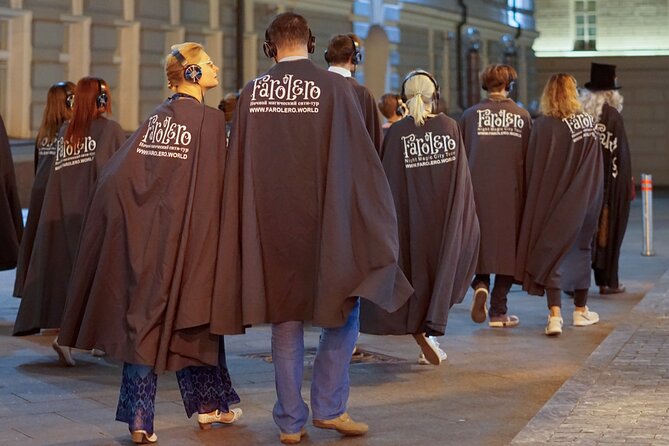
At Nikolaiviertel, the story sharpens with St. Nikolai-Kirche, also called Nikolaikirche or St. Nicholas Church. It is described as the oldest church in Berlin, with construction between 1220 and 1230.
That date range matters, because it puts you in the early medieval timeline of the city. The church sits in the eastern part of central Berlin in Mitte, and the area around it is known as the Nikolaiviertel, or Nicholas quarter. You get that sense that this is not just a neighborhood backdrop, it is tied to the city’s oldest religious roots.
The tour also suggests this church is along the same age line as another older church not far away, helping you triangulate Berlin’s early centers. Even if you are not a church-architecture superfan, the idea of standing near something that old makes the whole walking loop feel more grounded.
One more thing: the surrounding area includes restored medieval buildings, and in some cases recent imitations. This is important to keep in mind. You are seeing a mix, and the value is how the tour helps you interpret what you are looking at, reconstruction included.
Humboldt Forum on Museum Island: non-European art in a rebuilt royal setting
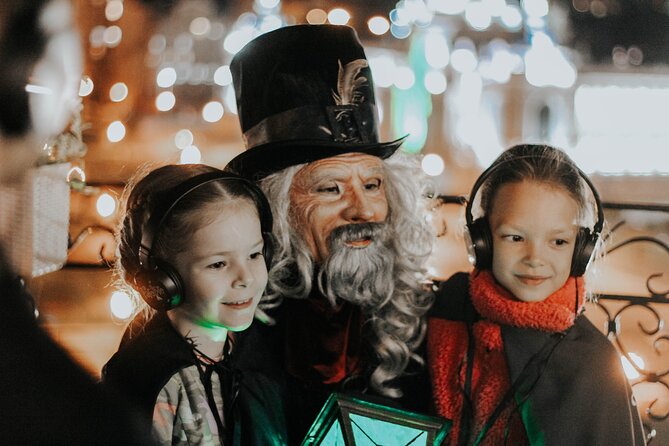
After the Nikolaiviertel atmosphere, you head toward Museum Island and the Humboldt Forum, a museum of non-European art. It sits on Museum Island in Berlin’s historic center and is named after Prussian scholars Wilhelm and Alexander von Humboldt.
This stop has a strong “Berlin contradiction” feel, the kind the city does well. The Humboldt Forum combines three rebuilt baroque façades of the former Royal Palace with a contemporary exterior overlooking the Spree and a modern interior designed by Franco Stella. It is a physical blend of old and new.
The tour frames it as a German equivalent to the British Museum, mainly housing non-European collections from the Berlin State Museums, plus temporary exhibitions and public events. Even if you are not going inside, the explanation makes the site feel purposeful rather than just impressive.
If you like museums but do not want to spend ticket time, this is a good compromise. You get enough context to understand what the building is trying to do culturally. And because the tour is about walking, you keep moving through the evening instead of turning it into a half-day plan.
Mühlendamm and the Spree: the city built where the mills once were
The final stretch includes Mühlendamm, a main thoroughfare in Mitte. It runs from the historic Cölln and Fischerinsel quarters toward Molkenmarkt Square via the Mühlendammbrücke across the Spree.
The name comes from watermills that once stood at the site. A historic causeway was laid out there about 1200 and became the nucleus of the late medieval city foundation. That is a neat way to end: you start with symbolism and civic power, then you land at a place tied to the city’s physical growth.
If you like a tour that ends with something practical, this ending works because the Spree area is central and easy to transition from. You finish at Ephraim on the Spreeufer, which makes it simple to keep exploring or to get back to your hotel.
How the night format changes the experience
The biggest selling point for this tour is not any single monument. It is how the night format and the interactive style shape what you remember.
One review credits the interplay of an audio guide variant, performers, and visual effects, and says it helps people feel like they enter another world while traffic noise stays out of the way. Another mentions the team dressed them up, then led everyone through narrow angles and lanes where Berlin history felt alive.
So even though the stops are very “sightseeing classic,” the method is playful. That can make a difference if you are traveling with teens, or if your brain tends to switch off on long explanations. A story-driven approach keeps you paying attention, and costumes and small theatrical moments can make the facts easier to recall later.
As for the group size, having a maximum of 20 helps the interactive pieces feel less chaotic. You are more likely to be pulled into the energy without being lost in a crowd.
Price, value, and who this tour fits best
At $46.99 for about 1 hour 30 minutes, this is priced like a premium walking experience, not a basic city tour. Here is how I judge the value: you are getting guided interpretation, English language support, and an interactive presentation with performers and audio-style elements.
If you are someone who learns best by doing, walking, and hearing a story rather than reading placards, you will probably feel it is worth it. If you only want quiet sightseeing, the interactive bits might be less your style.
This tour also seems well matched to first-time visitors because it stays in Mitte and hits landmark anchors like the Red City Hall and Museum Island. But it is not purely “first time only.” Even repeat visitors often enjoy Ampelmännchen and the Neptune Fountain symbolism, because those are not always the top priority in typical quick tours.
A real drawback to consider, and how to protect your evening
There is one notable negative comment about a guide not showing up at the time and place designated, with a refund request and disappointment due to cold icy pavement and distance. That is not enough on its own to brand the whole experience, but it is enough that you should plan smart.
My practical advice: be at the start location early, keep your mobile ticket ready, and dress warmly. If weather is bad enough to raise safety concerns, you should rely on the provider’s policy, since the experience requires good weather and can be canceled with an offer of another date or a full refund.
If you do not have flexible plans, consider booking earlier rather than last-minute. When schedules are tight, even a small delay can ripple.
Should you book Farolero’s Night magic city tour?
Book this tour if you want a fun, interactive way to see central Berlin in under two hours. The itinerary clusters great stops, from Neptune Fountain symbolism to the historic feel of Nikolaiviertel, with a museum-shaped ending at Humboldt Forum and a final walk by the Spree.
Skip it or think twice if your travel style is strictly quiet and you dislike costumed or performer-led formats. Also consider the weather requirement. If you are visiting in a season when evenings are often icy, bring the right shoes and layers so the walk stays comfortable.
If you pick the right night, you should come away with more than photos. You will understand why those details exist, and you will know where to look next time you walk past a Berlin icon.
FAQ
Is this tour offered in English?
Yes. The tour is offered in English.
How long is the Night magic city tour?
It lasts about 1 hour 30 minutes.
What is the price per person?
The price is $46.99 per person.
What is the group size limit?
The maximum group size is 20 travelers.
Do I need a printed ticket?
No. You’ll have a mobile ticket.
Where does the tour start and end?
The tour starts at St. Marienkirche, Karl-Liebknecht-Str. 8, 10178 Berlin, and ends at Ephraim, Spreeufer 1, 10178 Berlin.
When will I get confirmation after booking?
You receive confirmation at booking time unless you book within 2 days of travel. In that case, confirmation comes within 48 hours, subject to availability.
What happens if weather is poor?
This experience requires good weather. If it is canceled due to poor weather, you will be offered a different date or a full refund.
Can I get a refund if I cancel?
Yes. You can cancel up to 24 hours in advance for a full refund.
What if the minimum number of travelers is not met?
If the tour is canceled because the minimum number of travelers is not met, you will be offered a different date or a full refund.
Newest Berlin reviews on the site
- Your ticket to The Wall Museum Berlin★ 3.0 · 60 reviews
- Rickshaw Tours Berlin – Groups of up to 16 people with several rickshaws★ 4.0 · 97 reviews
- Love and War in Berlin: Self-Guided Story Puzzle Walk★ 5.0 · 7 reviews
- Warnemuende Shore Excursion: Berlin Private Sightseeing Tour from Rostock★ 5.0 · 4 reviews
- eSIM for Germany and 34 European Countries★ 4.5 · 16 reviews
- Walking on the Wall: 3-Hour Tour in Berlin★ 4.5 · 34 reviews
- Karl-Marx-Allee Tour: Life and Architecture in East Berlin★ 5.0 · 19 reviews
- Warnemuende Shore Excursion: Private Berlin Tour★ 4.5 · 27 reviews
City Tours, compared.
1-Hour City Tour by Boat with Guaranteed Seating
Read our review →
City History Canal Sightseeing Tour on a Motorboat
Read our review →
Browse the lists this tour appears in