
Reviewed · HISTORICAL TOURS
Güstrow: Guided tour of the historic city center
Güstrow feels preserved, not rebuilt. This 1.5-hour guided historic-city-center walk is a fast way to understand why the old town has stayed recognizable for 500 years, with standout stops like the brick Gothic cathedral and Ernst Barlach’s Floating. I especially love how you get both the artistry and the street-level atmosphere, not just one big monument. One thing to consider: the cathedral stop gets a lot of attention, so if you want more time spread across every square, you may wish the pacing jumped sooner to other highlights.
I also like that the guide tells the stories in a lively, personal way. In German, the city guide connects famous names tied to Güstrow, from Wallenstein and August the Strong to Tsar Peter the First, Ernst Barlach, and Uwe Johnson, and somehow it stays practical instead of academic. If you ask questions, you get patient answers, and the tour stays focused on helping you see what matters.
At $10 per person for a 90-minute city walk, the value is strong, especially since there is a free city museum option before or after. Entrance fees are not included, and one major attraction, the Renaissance castle, is under restoration, so you should expect some limits on what is accessible.
In This Review
- Key things to know before you go
- Güstrow’s historic center, measured in 90 minutes
- Where you start: Güstrow Information and the first orientation
- Following winding streets where the styles actually meet
- Market square: town hall, parish church, and style on display
- Cathedral time in brick Gothic, plus Ernst Barlach’s Floating
- The Renaissance castle and what you can learn from restoration
- The people named in Güstrow’s buildings
- Using the free city museum to extend the experience
- Price and value: why $10 for 90 minutes works
- Who this tour suits best
- Booking this Güstrow city center walk: should you do it?
- FAQ
- FAQ
- How long is the Güstrow guided tour of the historic city center?
- Where is the meeting point for the tour?
- Is the tour guide available in German?
- What is included in the price?
- Are entrance fees included?
- Is the tour wheelchair accessible?
Key things to know before you go
- Ernst Barlach’s Floating inside the brick Gothic cathedral is the artistic centerpiece
- A historic center that has survived for 500 years, with classicist, Renaissance, and brick Gothic architecture in one compact walk
- Market square time for the town hall, parish church, and town houses from different styles
- Renaissance castle stories with real restoration context, so you understand what you can and cannot fully see
- Free city museum as a smart add-on if you want more context
Güstrow’s historic center, measured in 90 minutes
Güstrow works well for a short guided tour because the town is compact and layered. You are walking through a former residential and administrative town where architecture from classicist, Renaissance, and brick Gothic periods sits close enough to compare in real time.
The big reason this tour feels worthwhile is the combination of architecture and storytelling. Yes, you see important buildings. But the guide also explains what makes Güstrow’s mix of styles meaningful, including how prominent historical figures connect to the city. That makes the streets feel less like a random set of sights and more like a readable timeline.
A few more Germany walks and trips to compare
- Leipzig: City History Canal Sightseeing Tour on a Motorboat
★ 4.7 · 7,671 reviews - Berlin: Natural History Museum Entrance Ticket
★ 4.6 · 3,382 reviews - Leipzig: 1.5-Hour Historical Walking Tour in German
★ 4.7 · 2,217 reviews
Where you start: Güstrow Information and the first orientation
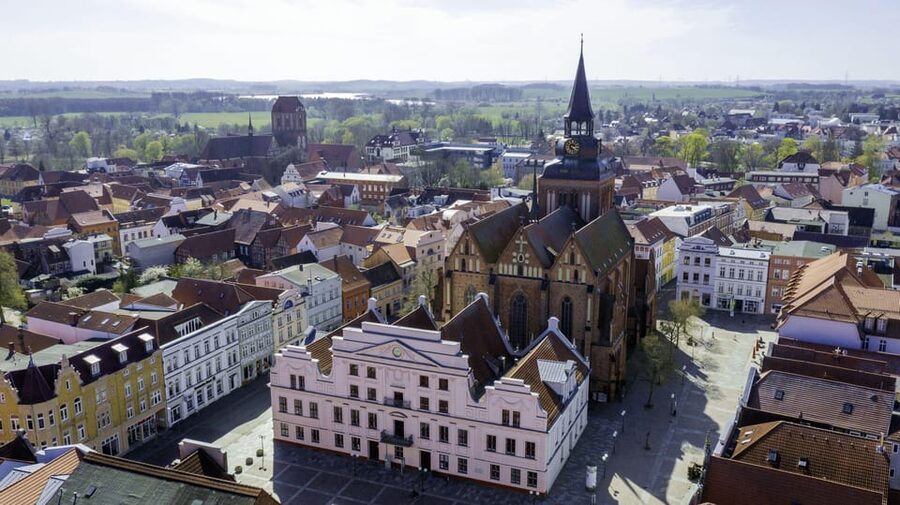
You meet at Güstrow Information, Franz-Parr-Platz 10, 18273 Güstrow. I like starting at a tourist office because you can quickly settle your bearings before the tour starts winding through the old center.
The tour begins with a photo stop and then transitions into the guided city walk and sightseeing through historic squares. That structure helps if you are the type who wants to know where you are, what you are looking at, and why the next corner matters.
Because the tour runs about 1.5 hours, it is also a good choice if you have other plans later in the day. You are not committing to half a day just to see the center once.
Following winding streets where the styles actually meet
What makes the walk feel authentic is the way different eras show up along the route. You will pass classicist town houses, Renaissance buildings, and brick Gothic treasures, all within the historic core.
I like how the guide keeps you focused on visual clues. For example, brick Gothic is visually distinct, and once you hear the guide’s explanation you start noticing the details yourself. Then, when Renaissance elements appear, you have a fresh set of comparisons instead of just moving from one landmark to the next.
Also, the old town’s survival for about 500 years undestroyed is more than a marketing point. It matters because you are walking streets where the setting still feels intact, not like an effort to recreate the past from scratch. That is what makes the photos look natural, even without fancy lighting.
Market square: town hall, parish church, and style on display
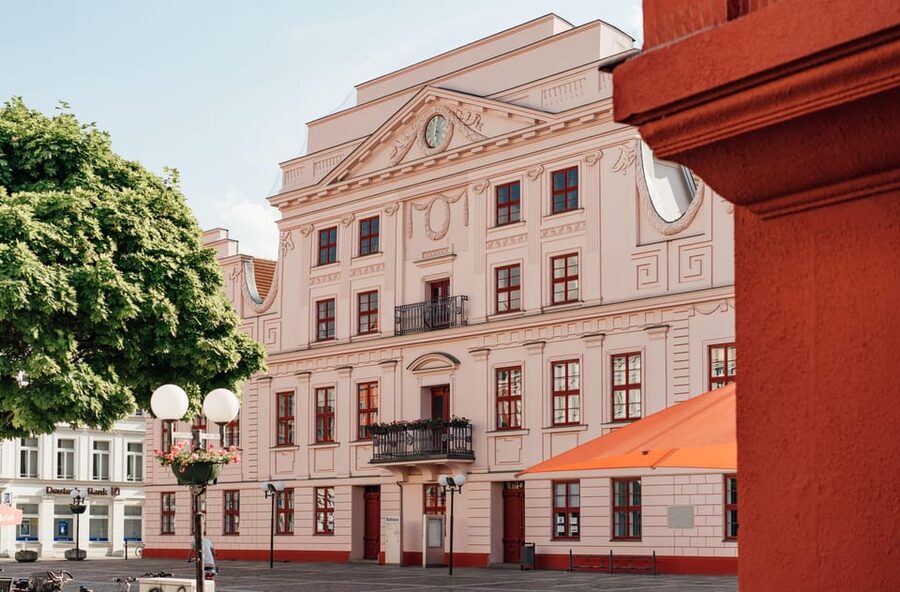
One of the key stops is the market square. This is where the city’s civic life was centered, and it is also where you get a sense of how the town’s different periods overlap.
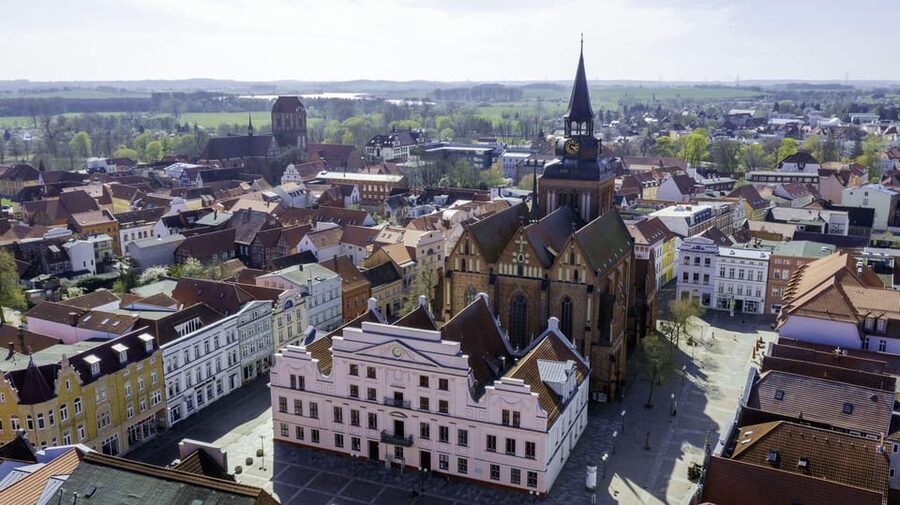
The tour includes time at the market square to look at the town hall, the parish church, and nearby town houses from various stylistic periods. This is the part of the tour I recommend especially for anyone who likes architecture, because squares let you see multiple fronts at once.
A practical tip: give yourself a moment before the guide moves on to step back and look at the whole composition. You will catch the “mix” faster that way. The guide’s commentary will land better too, because you have your own baseline view.
Same city, a different way to spend the afternoon:
- Berlin: Reichstag, Dome and Government District Guided Tour
★ 4.7 · 18,288 reviews - Hamburg: Sex and Crime in St. Pauli Tour for Ages 18 +
★ 4.7 · 17,793 reviews - Berlin: 1-Hour City Tour by Boat with Guaranteed Seating
★ 4.3 · 16,993 reviews - Berlin: TV Tower Standard Entrance Ticket
★ 4.4 · 15,883 reviews
Cathedral time in brick Gothic, plus Ernst Barlach’s Floating
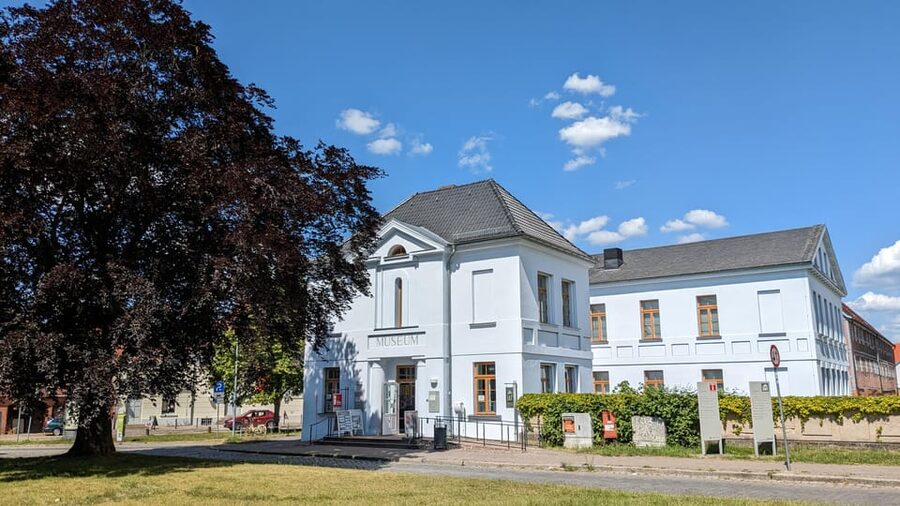
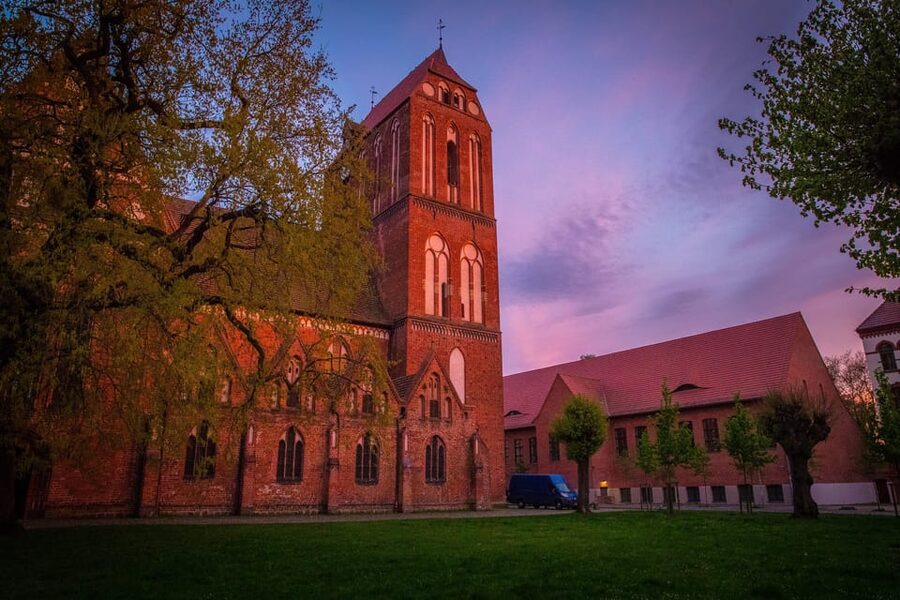
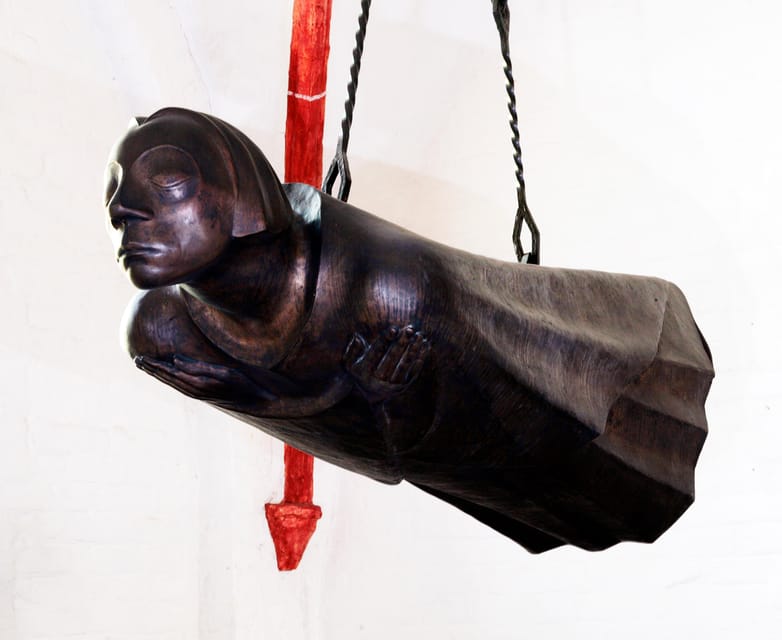
The cathedral stop is the standout for art lovers. You visit the brick Gothic cathedral, and specifically you see Ernst Barlach’s Floating located there.
This is also where you should set expectations about pacing. Some people feel the cathedral gets a lot of focus, and that tracks with the logic of the experience. If you are going to feature a specific sculpture inside a specific church, the guide needs time to explain the setting and the story behind what you are looking at.
I love this kind of concentrated stop because it makes the artwork easier to understand. In a cathedral, the surroundings matter, and brick Gothic architecture gives the space a strong visual character. When the guide ties Floating to the building and the broader context of Güstrow, you end up seeing the place instead of just spotting a famous name.
If you are someone who wants quick checkmarks at every station, you might feel the cathedral is heavy. If you enjoy slowing down and letting one impressive thing soak in, you will probably find it satisfying.
The Renaissance castle and what you can learn from restoration
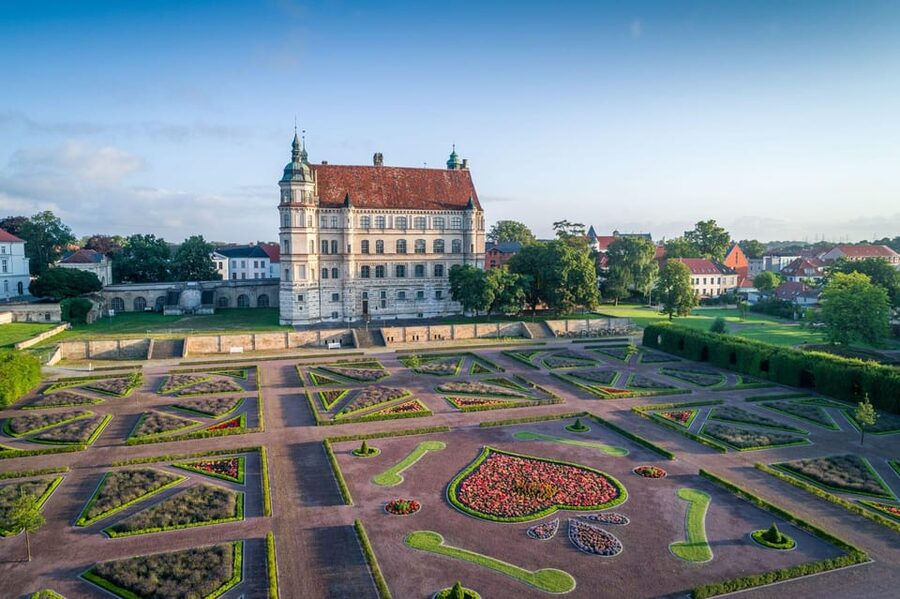
Next comes the Renaissance castle, described as the most important one in Northern Europe, and it is currently under restoration. The guide’s job here is not just to point, it is to tell you what you are seeing and what restoration changes in what you can experience.
I appreciate that the tour treats restoration as part of the story, not as a problem that gets ignored. Under restoration usually means parts may be limited, and sometimes views or access can differ from what you might expect. Having that context from the start helps you appreciate the castle’s significance without feeling like you paid for an unfinished experience.
The tour also includes exciting stories about the Renaissance castle, which is key. A castle is only half the experience if you do not know why it mattered in its time. The guide connects it to the broader Güstrow narrative, so the building becomes understandable even if you cannot see everything in full detail.
The people named in Güstrow’s buildings
One of the most engaging parts of this tour is how the guide weaves famous names into what you see in the streets and squares. You will hear connections to major personalities including Wallenstein, August the Strong, Tsar Peter the First, Georg Friedrich Kerting, John Brinkmann, Ernst Barlach, and Uwe Johnson.
I like this approach because it gives you anchors. Instead of wandering through old architecture with only a vague sense of time periods, you get specific names attached to the place. Even if you already know some of these figures, you learn how they fit into Güstrow’s identity as a former residential and administrative center.
This also helps with pacing. After a focused stop like the cathedral, hearing how the city’s story moves into other areas keeps the walk lively. It turns “sightseeing” into actually understanding what the town is trying to tell you.
Using the free city museum to extend the experience
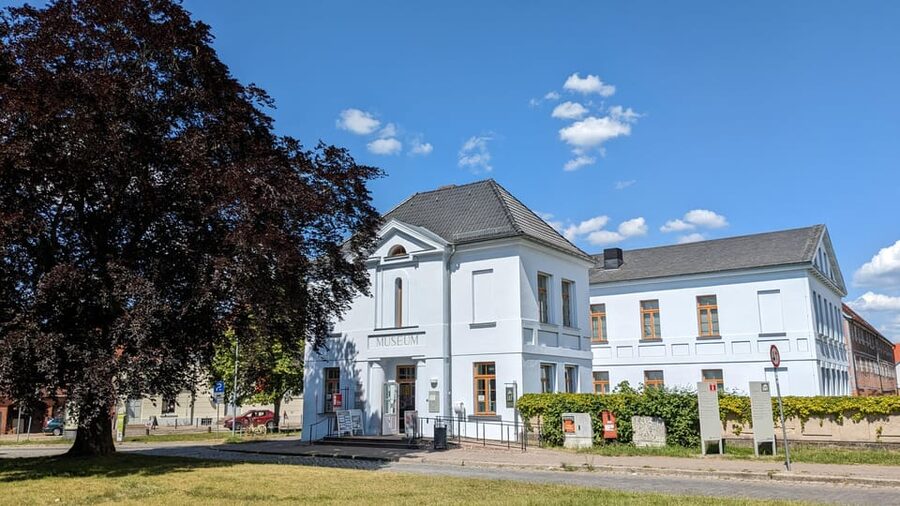
The tour includes a free city museum, available before or after the guided walk. This is a smart option because it lets you convert the guide’s overview into deeper context at your own pace.
Here is how I suggest using it. If you visit the museum before the walk, you can start with a bit of background and then see the buildings with more confidence. If you go afterward, you get to connect what you saw on the street to objects, exhibits, or explanations that you might have missed in a 90-minute outdoor tour.
Either way, it is a value boost at no extra cost. And it helps you avoid the common problem where you feel like you rushed through the sights because you did not have time to look for context.
Price and value: why $10 for 90 minutes works
The price is about $10 per person for a tour that runs roughly 1.5 hours, includes an experienced city guide, and adds the free city museum option. For a guided historic-city walk in Germany, that is a strong deal, especially because the tour focuses on meaningful highlights rather than a long list of minor stops.
What you should plan for: entrance fees are not included. That does not make the tour a bad value, but it does mean you should check in advance if any sites you want to enter charge admission beyond what the guide covers.
Also, because the Renaissance castle is under restoration, you may not see it in its full normal state. The guide’s storytelling and your on-the-ground understanding will fill some gaps, but you should still accept that restoration limits can affect what is accessible.
Who this tour suits best
This is a great fit if you want a clear, efficient way to understand Güstrow’s center without building a self-guided route from scratch. You will also enjoy it if you like architectural variety, because the tour intentionally moves across classicist, Renaissance, and brick Gothic territory.
Art lovers will like the cathedral stop most, especially if you care about how public art sits inside historic spaces. If you are traveling as a wheelchair user, the tour is wheelchair accessible, which is worth confirming before you go so you can plan comfortably for the walking portion.
If your travel style is slow and scene-by-scene, the tour may feel slightly fast because it is only 90 minutes. But if you want to return to a favorite stop for extra time after the guide finishes, it gives you the starting point you need.
Booking this Güstrow city center walk: should you do it?
I would book this tour if you want a compact, guided introduction to Güstrow that focuses on the places that really define the town. The combination of Ernst Barlach’s Floating, a brick Gothic cathedral, the market square, and Renaissance castle stories gives you both art and architecture, in a format that stays practical.
I would think twice if you are easily frustrated by slower pacing at one major stop, since the cathedral can take a larger share of attention than you might expect. I would also set expectations that the Renaissance castle is under restoration, so your experience may be shaped by what is currently accessible.
FAQ
FAQ
How long is the Güstrow guided tour of the historic city center?
The tour lasts about 1.5 hours, and it is listed as a 90-minute guided experience.
Where is the meeting point for the tour?
You meet at Güstrow Information, Franz-Parr-Platz 10, 18273 Güstrow.
Is the tour guide available in German?
Yes, the live tour guide speaks German.
What is included in the price?
You get an experienced city guide and the 90-minute guided tour. There is also a free city museum option before or after the tour.
Are entrance fees included?
No, entrance fees are not included.
Is the tour wheelchair accessible?
Yes, the tour is wheelchair accessible.
Newest Germany reviews on the site
- Munich – the essential walking tour★ 5.0 · 30 reviews
- Munich Beer and Bavarian Bites Small-Group Tour★ 5.0 · 167 reviews
- Munich to Prague – Private Transfer with 2 hours of Sightseeing★ 5.0 · 6 reviews
- 800 Years of History: A Munich GPS Audio Tour★ 4.5 · 12 reviews
- Munich in the 3rd Reich and WW2 private walking tour★ 5.0 · 148 reviews
- Munich Food Tour with Full Meal & Drinks by Do Eat Better★ 5.0 · 59 reviews
- Munich Scavenger Hunt and Sights Self-Guided Tour★ 4.5 · 8 reviews
- Munich Christmas Market Small Group Tour with Gingerbread Heart★ 4.0 · 9 reviews
Historical Tours, compared.
City History Canal Sightseeing Tour on a Motorboat
Read our review →
Browse the lists this tour appears in