Reviewed · BERLIN TOURS
Gastro Tour with Klaus though the Wrangelkiez, Kreuzberg
Berlin tastes like a history lesson. On this Gastro Tour through the Wrangelkiez in Kreuzberg, you get a guided walk that pairs street food stops with real reminders of how this part of the city changed over time. It is a simple plan, built around short sights and longer food time, so you never feel rushed.
I especially love the way the tour turns eating into a story. You’ll hit five gastro partners for selected tastings that can add up to a full meal, not just a few nibbles, and Klaus ties what you taste to what you see on the street. The second thing I like is that you get out of the standard tourist loop and into everyday Kreuzberg, with stops that feel local rather than staged.
One possible drawback: drinks are not included, so if you want beer, soda, or wine with your tastings, budget extra.
In This Review
- Key highlights you will feel (not just see)
- A 3-hour Gastro Tour that connects food to Berlin’s turning points
- Meeting point and where the walk leaves you (Cuvrystraße to Schlesisches Tor)
- The snacks portion: five tastings, meal-level satisfaction, and no drinks included
- Stop 1: Oberbaumbrücke, East-West Berlin made visible
- Stop 2: Lohmühleninsel, a small area with surprisingly eventful history
- Stop 3: The GDR watch tower, a preserved border relic
- Stop 4: Görlitzer Park, recreation today and a reputation that still lingers
- Stop 5: Falckensteinstraße, where Klaus helps you pick from an international food maze
- Stop 6: Wrangelstraße and the Romanesque monastery-style church
- How the route pacing keeps the evening fun, not exhausting
- English-friendly, guide-led, and built for people who want to know where to eat
- Price and value: $83.08 for a guided snack-meal plus sights
- Who should book this Klaus Gastro Tour
- Should you book it? My practical take
Key highlights you will feel (not just see)
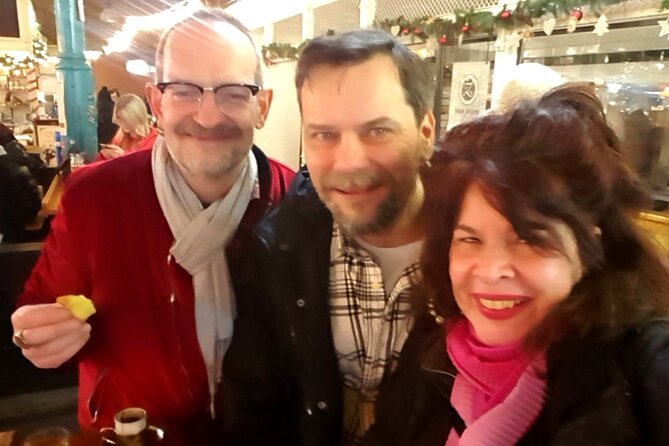
- Five tasting stops at gastro partners, with enough food for a real evening out
- Food plus neighborhood history taught in small, walkable chunks
- Border-area landmarks like the preserved GDR watch tower
- Falckensteinstraße food street time, where Klaus points you toward tested highlights
- A small group size (max 15), which keeps the vibe friendly and flexible
A 3-hour Gastro Tour that connects food to Berlin’s turning points
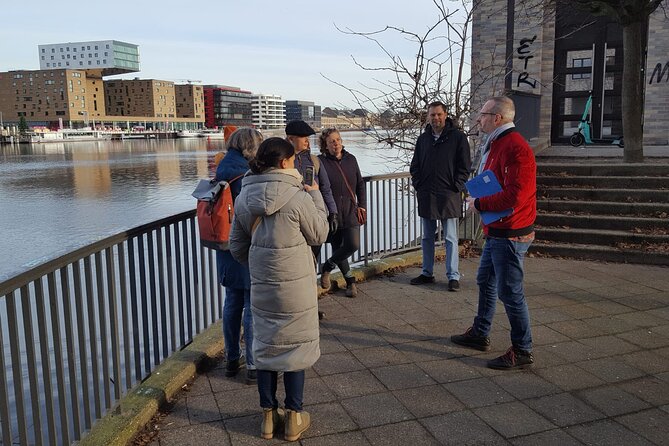
This is the kind of tour that makes sense fast. You start with a clear rhythm: a few short stops to set the context, then time in the streets where the food options are so dense you would normally feel overwhelmed. With Klaus leading, you get help picking your way through the international gastro scene without playing roulette.
The best part is the balance. You are not stuck only looking at plaques, and you are not only “eat and go.” Each stop supports the next one. The bridge reflects the city’s East-West split. The watch tower points to the former border reality. Then the walk keeps moving toward places where people live now, shop now, and eat now.
Also, this is timed well for an evening: about 3 hours, with frequent short legs that keep energy up. If you like your travel experiences practical, this one delivers.
A few more Berlin walks and trips to compare
- Berlin: Reichstag, Dome and Government District Guided Tour
★ 4.7 · 18,288 reviews - Berlin: 1-Hour City Tour by Boat with Guaranteed Seating
★ 4.3 · 16,993 reviews - Berlin: TV Tower Standard Entrance Ticket
★ 4.4 · 15,883 reviews
Meeting point and where the walk leaves you (Cuvrystraße to Schlesisches Tor)
You meet at Cuvrystraße 2, 10997 Berlin, and the tour ends near Schlesisches Tor in the same district area. The schedule includes time near the metro at the end, and the tour notes that the subway there is not underground, which is handy if you are trying to judge how quickly you can continue your night.
You also get a typical modern touch: a mobile ticket, and confirmation after booking within 48 hours depending on availability. The tour runs in English, and it is built so most travelers can take part. Group size is kept to a maximum of 15, which matters here because food stops work best when you are not squeezed into a huge crowd.
The snacks portion: five tastings, meal-level satisfaction, and no drinks included
The tour includes snacks, and it is built around five Gastro Partners where you receive selected tastings. Some stops may be street-food style stalls, so you should expect a mix of quick bites and small portions designed for sampling.
In plain terms, you should come with some hunger. Multiple tastings over a short route are exactly how you end up with that feeling of, “Yes, I actually ate.” The timing also helps: the longest food-focused stretch is at Falckensteinstraße, where the guide helps you choose from an unusual density of international options.
Just note the tradeoff: drinks are not included. That does not make it bad value, it just means you might want to plan for extra spending if you want an alcoholic toast with your last stop.
Stop 1: Oberbaumbrücke, East-West Berlin made visible
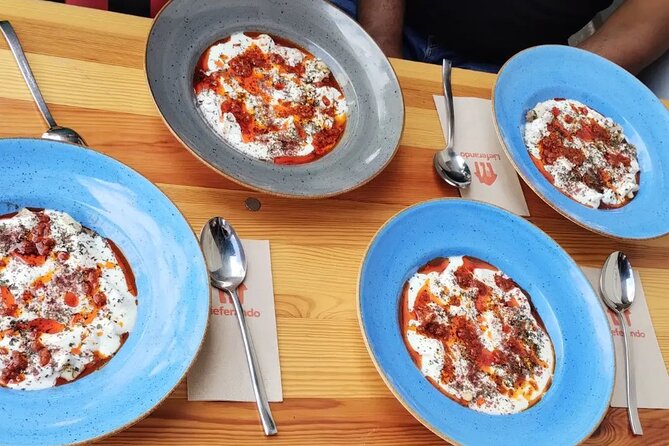
The tour starts at Oberbaumbrücke, a landmark bridge that connects East and West Berlin. Klaus uses this as more than a photo opportunity, it is a history anchor for the whole evening. Even if you only know the broad outline of Berlin’s division, seeing a bridge that physically links those sides helps the story land in your brain.
This stop is about 10 minutes, and admission is free for this part of the plan. That short timing is smart. You get key background without turning your evening into a lecture.
Same city, a different way to spend the afternoon:
- Berlin: Boat Tour Along the River Spree
★ 4.4 · 11,252 reviews - Discover Berlin Half-Day Walking Tour
★ 5.0 · 9,624 reviews - Berlin: Government District around the Reichstag Guided Tour
★ 4.7 · 8,447 reviews - Berlin: Reichstag, Plenary Chamber, Cupola & Government Tour
★ 4.6 · 8,422 reviews
Stop 2: Lohmühleninsel, a small area with surprisingly eventful history
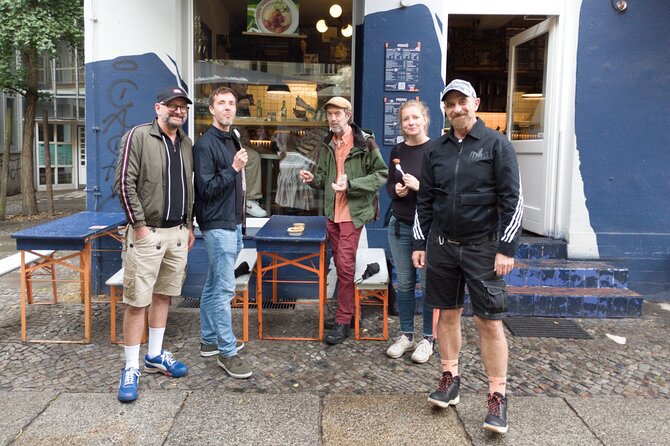
Next up is Lohmühleninsel, described as a small parcel of land with an eventful past and some lesser-known architectural monuments. This is the kind of stop that feels rewarding when you like the “side stories” of cities, not just the famous headline sites.
You’ll spend about 10 minutes here, again with no admission ticket cost listed. The value of a stop like this is that it gives you a sense of how many layers Berlin has, even in places people casually pass by.
Stop 3: The GDR watch tower, a preserved border relic
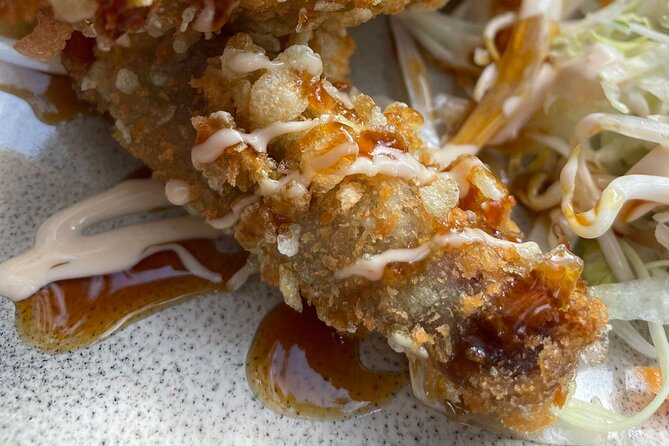
Then you reach the GDR Watch Tower, a preserved relic from the former border area. This part of Berlin made Kreuzberg and Alt-Treptow feel more peripheral during partition years, and the watch tower is a visible reminder of that division.
Time here is short, about 5 minutes, but the point is clarity. You are not asked to read a whole wall of text. You get a quick, focused explanation tied to a structure that still exists.
If you like travel that connects past and present, this stop is a strong hinge in the tour. It is one thing to hear about borders. It hits different when you stand in the area and the building remains.
Stop 4: Görlitzer Park, recreation today and a reputation that still lingers
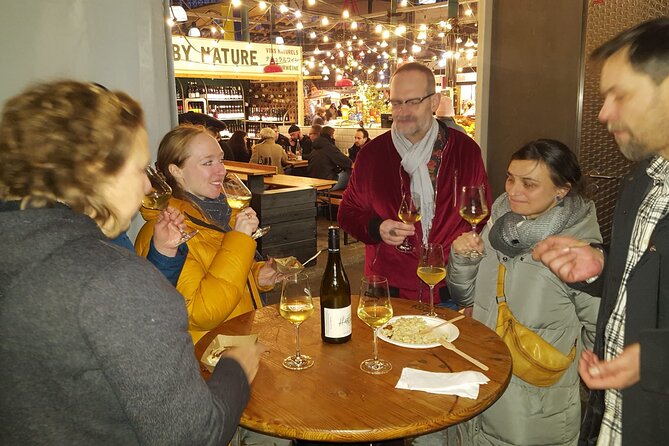
At Görlitzer Park, the tour shifts from border history to neighborhood life. You’ll spend about 10 minutes here, and the guide includes anecdotes about the park’s history and why it has a bad reputation today.
This is a useful stop because it grounds the neighborhood. Food tours can sometimes float above reality, but this one acknowledges that Kreuzberg has edges. The park is not just a scenic pause. It is part of why people talk about the area the way they do.
Stop 5: Falckensteinstraße, where Klaus helps you pick from an international food maze
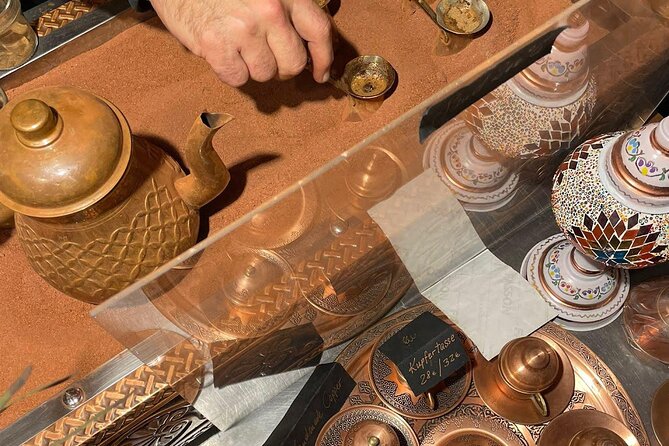
This is the heart of the evening. Falckensteinstraße gets about 30 minutes, and it is where the international gastro density really shows. The tour plan says you could just try your luck, but Klaus personally guides you to the highlights he has tested.
That detail matters. When you walk a street with tons of options, your brain does that annoying thing where it wants to read every menu and decide based on nothing but guesswork. Having a local guide with tested picks turns the whole moment into something easier and more satisfying.
You also get the tastings here as part of your included snacks. With the longer block of time, it feels less like speed eating and more like a guided sampling session.
If you care about value, this is where you feel it: you are paying for help plus multiple bites, not just for walking between locations.
Stop 6: Wrangelstraße and the Romanesque monastery-style church
After Falckensteinstraße, the walk continues to Wrangelstraße, the name-giving street of the neighborhood. Here you’ll see a church built in the style of a Romanesque monastery.
This stop continues the history theme, but it is also a transition. The tour is telling you: yes, Berlin’s past matters, but you are still in a neighborhood full of daily life. The street view and architecture give you that bridge from partition-era structures to the lived-in present.
The plan keeps moving toward the end of the tour with time to either rest in a Kiez pub or get taken to Schlesisches Tor. You get about 20 minutes for this final stretch, depending on the season and what the guide decides for best flow.
How the route pacing keeps the evening fun, not exhausting
The itinerary is designed for comfort. Most stops are 5 to 10 minutes, with two bigger blocks: the 30 minutes at Falckensteinstraße and the time on Wrangelstraße plus the final transit or pub break.
That matters if you are doing other things in Berlin before or after. You are not locked into long museum time or a single nonstop march. You can stay present, listen, and still have time to eat without rushing.
The small group size also helps with pacing. With a maximum of 15 travelers, the guide can keep the group together while still giving you enough breathing room at each tastings stop.
English-friendly, guide-led, and built for people who want to know where to eat
This is offered in English, and the structure is good for people who want guidance but do not want a rigid script. Klaus’s role comes through strongly in the reviews: he is engaging and connects local history to what you taste.
The repeated praise is consistent: the tour mixes fusion of foods from different cultures, and it makes the neighborhood feel approachable. One review highlights that you try many different types of food with enough variety and quantity to make it feel like a real meal. Another points to how the food and history connection stays coherent, not random.
That fusion element is a big part of the value for you. You are not just collecting a list of dishes. You are learning why Kreuzberg eats the way it does, through what is in front of you.
Price and value: $83.08 for a guided snack-meal plus sights
At $83.08 per person for about 3 hours, this is priced like a guided food experience, not like a bargain walking tour. The value comes from what is included:
- Snacks at five gastro partners, with selected tastings
- A local guide and a route through points of interest away from mass-tourism
- Stops where listed admission tickets are free for the sights on the route
- Mobile ticket convenience
The big thing you should do when judging value is match the price to your meal. Since you get tastings over multiple stops, it is not just “samples.” It is the kind of food plan that can replace a normal dinner if you pace yourself.
And again, the only clear extra cost is drinks. If you are the type who orders water with zero guilt, you’ll feel the value more strongly. If you want beer or wine, just expect a higher total outlay.
Who should book this Klaus Gastro Tour
This tour is a great fit if you:
- Want a food-focused evening with enough bite variety to feel like dinner
- Like your travel to include neighborhood history without getting stuck in museums
- Enjoy Kreuzberg’s mix of cultures and want to understand it through what locals eat
- Prefer a smaller group atmosphere, max 15
It may be less ideal if you only want pure sightseeing or only want a long sit-down meal, because this is intentionally built as a tasting route with short history stops.
Should you book it? My practical take
Book it if you want a night that solves two problems at once: where to eat and what to notice while you walk. With Klaus, the tour clearly aims to make the Wrangelkiez feel understandable, and the structure supports that goal. Five included tastings, a longer food street block at Falckensteinstraße, plus history stops at Oberbaumbrücke and the GDR watch tower is a strong combination for your time.
Skip it (or consider a different style of tour) if you hate street-level sampling or you dislike mixing food stops with history context. Also keep one thing in mind: drinks are not included, so if you drink during tours, plan for that budget.
If you are ready to trade a little planning stress for guided choices and real neighborhood atmosphere, this one is an easy yes.
Newest Berlin reviews on the site
- Your ticket to The Wall Museum Berlin★ 3.0 · 60 reviews
- Rickshaw Tours Berlin – Groups of up to 16 people with several rickshaws★ 4.0 · 97 reviews
- Love and War in Berlin: Self-Guided Story Puzzle Walk★ 5.0 · 7 reviews
- Warnemuende Shore Excursion: Berlin Private Sightseeing Tour from Rostock★ 5.0 · 4 reviews
- eSIM for Germany and 34 European Countries★ 4.5 · 16 reviews
- Walking on the Wall: 3-Hour Tour in Berlin★ 4.5 · 34 reviews
- Karl-Marx-Allee Tour: Life and Architecture in East Berlin★ 5.0 · 19 reviews
- Warnemuende Shore Excursion: Private Berlin Tour★ 4.5 · 27 reviews
Berlin Tours, compared.
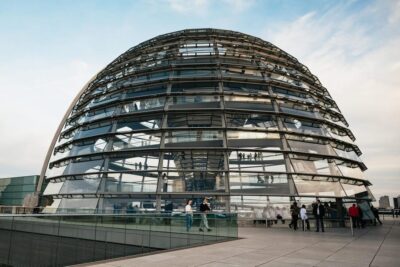
Reichstag, Dome and Government District Guided Tour
Read our review →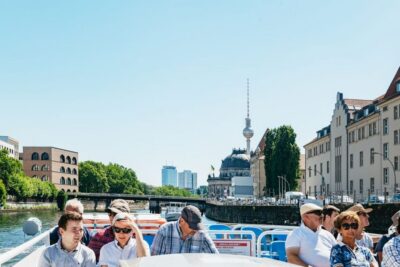
1-Hour City Tour by Boat with Guaranteed Seating
Read our review →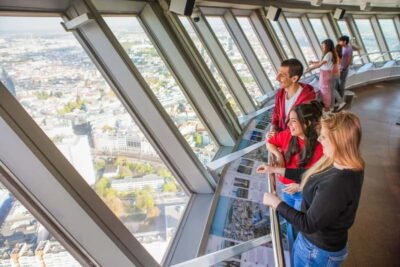
Government District around the Reichstag Guided Tour
Read our review →
Reichstag, Plenary Chamber, Cupola & Government Tour
Read our review →