
Reviewed · 1-DAY TOURS
From Berlin: Kings, Crimes, & Spies Potsdam Day Trip by Van
Potsdam feels like two countries in one day, kings up top and Cold War shadows underneath. What I liked most is the mix of Sanssouci Palace grandeur with hard history stops like Checkpoint Bravo, all tied together by your guide’s story. You also get a very practical pace, so you actually have time to look, ask questions, and soak it in. One thing to consider is that some stops are short, so if you want to linger for hours inside buildings, you may wish you had extra time in Potsdam on your own.
The small group setup is a big plus. This runs from a central pickup at Alexanderplatz, and you travel by van with Wi-Fi onboard, plus a bottle of water and “then and now” photos and maps to help you connect what you see to what used to be there. It’s also rain or shine, and there is walking, so bring comfortable shoes and an umbrella and be ready for a full day.
In This Review
- Key highlights worth planning around
- Alexanderplatz pickup and the comfort of a 7-hour van day
- Sanssouci Palace: two chances to appreciate Frederick the Great
- Brandenburger Tor pass-by: quick context, not a full detour
- Nazi and Stasi prison memorial stops: the day turns heavy
- Glienicke Bridge, aka the Bridge of Spies: more than a movie photo op
- Allied Checkpoint Bravo: understanding the East-West crossing logic
- The Potsdam Conference meeting place: how decisions changed the continent
- Guides, “then and now” photos, and the conversational advantage
- Price and value: what $152 gets you in real terms
- Who should book this Potsdam day trip, and who should think twice
- Should you book the Kings, Crimes, & Spies Potsdam Day Trip by Van?
- FAQ
- How long is the Potsdam day trip from Berlin?
- Where does the tour start?
- How many people are in the group?
- Is the tour guided, and what language is it in?
- What is included in the price?
- Is food included?
- Does the tour run in bad weather?
Key highlights worth planning around
- Frederick the Great’s Sanssouci Palace: guided viewpoints plus short free time to reset your eyes and take photos without rushing
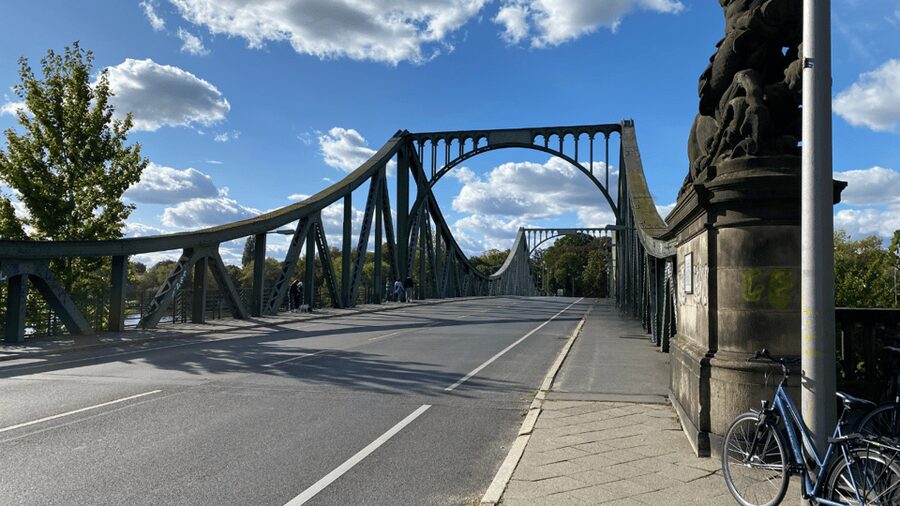
- Bridge of Spies at Glienicke: film-fame meets real geography and real bargaining power during the Cold War
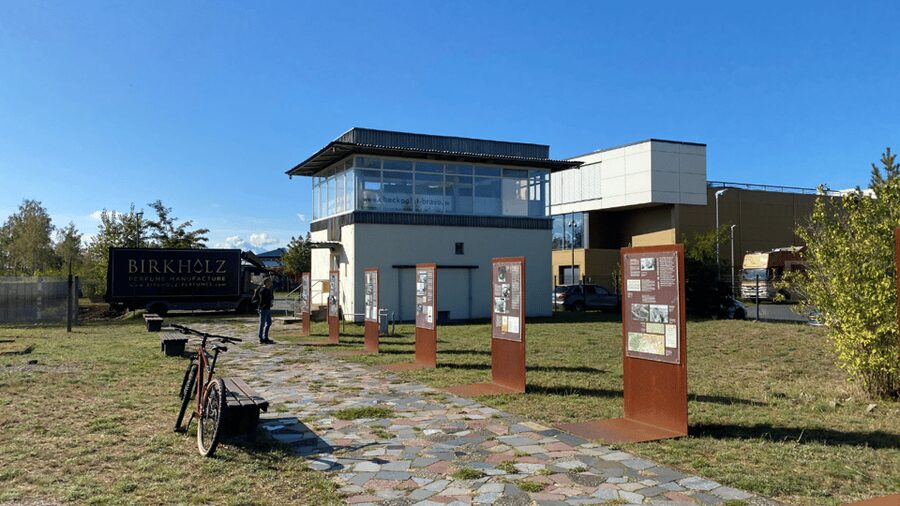
- Checkpoint Bravo: you see the East-West crossing concept, not just a label on a map
- Nazi and Stasi prison memorials: a sobering stop that helps explain how regimes worked day to day
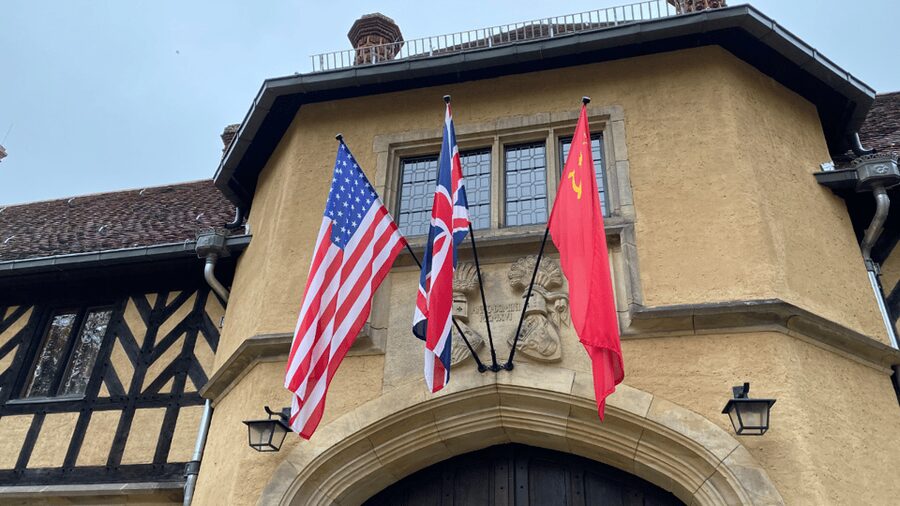
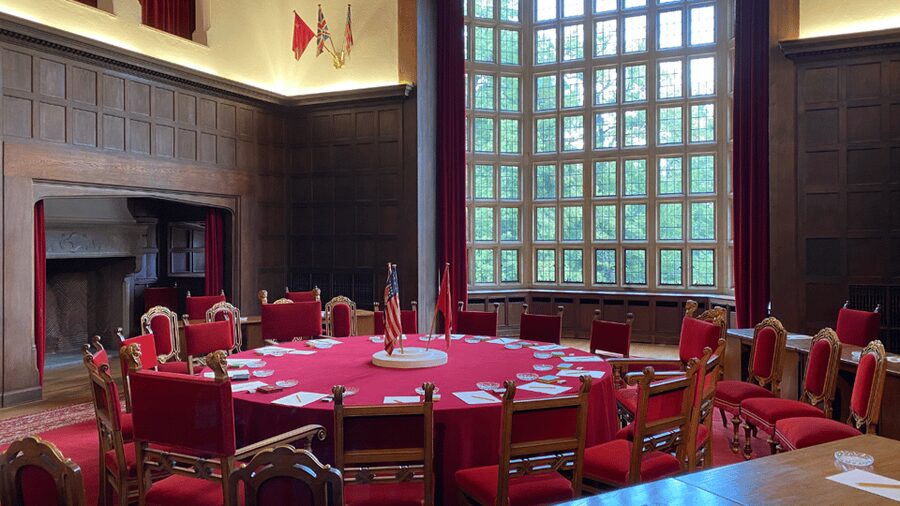
- Potsdam Conference meeting place: the place where post-WWII Europe was reshaped, explained in plain language
- Small group of up to 7: more time for your questions, less time herding
Alexanderplatz pickup and the comfort of a 7-hour van day
This tour starts at the main entrance of the Park Inn by Radisson Berlin Alexanderplatz, on Alexander Street. It’s an easy meeting point if you’re basing yourself in central Berlin, and it cuts down on the stress of figuring out local connections before you even begin.
From there, you head out by van. The big comfort win is Wi-Fi onboard. That sounds small, but after a day of buses, trains, or walking around Berlin, it’s a nice way to keep your maps and messages sorted without draining your battery. The tour also provides a bottle of water, which helps you stay functional during the on-foot segments.
Now for the tradeoff. A 7-hour schedule means you’re moving through several major sites, not staying at one place for a full day. You’ll get guided time and some free time, but you’re still going to feel the clock. If your idea of the perfect sightseeing day is slow and unstructured, this may feel a bit packed.
A few more Berlin walks and trips to compare
- Berlin: Reichstag, Dome and Government District Guided Tour
★ 4.7 · 18,288 reviews - Berlin: 1-Hour City Tour by Boat with Guaranteed Seating
★ 4.3 · 16,993 reviews - Berlin: TV Tower Standard Entrance Ticket
★ 4.4 · 15,883 reviews
Sanssouci Palace: two chances to appreciate Frederick the Great
Sanssouci Palace is the first big anchor of the day, and then it shows up again later. That second visit matters. You’re not just hit-and-run through one of Potsdam’s main sights.
First, you get a guided visit with a short window of free time to look around, plus outside time where you can admire the scale and setting. Later, you return for another guided segment plus more free time and a walk. Even without knowing every internal detail ahead of time, the structure of the day helps you see how the palace works in its landscape: the building as a statement, and the garden approach as part of the message.
What I like about this setup is that you get multiple angles. Short guided time helps you understand what you’re looking at, then the free time gives you the chance to switch from “listening mode” to “noticing mode.” You can compare your first impressions with what the guide has explained, and that makes photos come out better too.
One practical note: palace areas can attract crowds at certain times, but your schedule is still designed for a smooth day. If it’s busy, just slow down during your free time and pick one or two focal views rather than trying to photograph everything.
Brandenburger Tor pass-by: quick context, not a full detour
The tour includes a brief pass-by at Brandenburger Tor. It’s short, so don’t expect a long stop. Think of it as a visual bookmark, a moment to connect Potsdam to broader German history and the political language people still use about power, division, and reunification.
I found this kind of stop useful because it keeps you oriented. When you’re about to move into Cold War sites, having a quick reference point helps the guide’s story land faster. If you’re the type who likes deep photo time, you may want to plan extra time in Potsdam later, but as part of a 7-hour arc, it makes sense.
Nazi and Stasi prison memorial stops: the day turns heavy
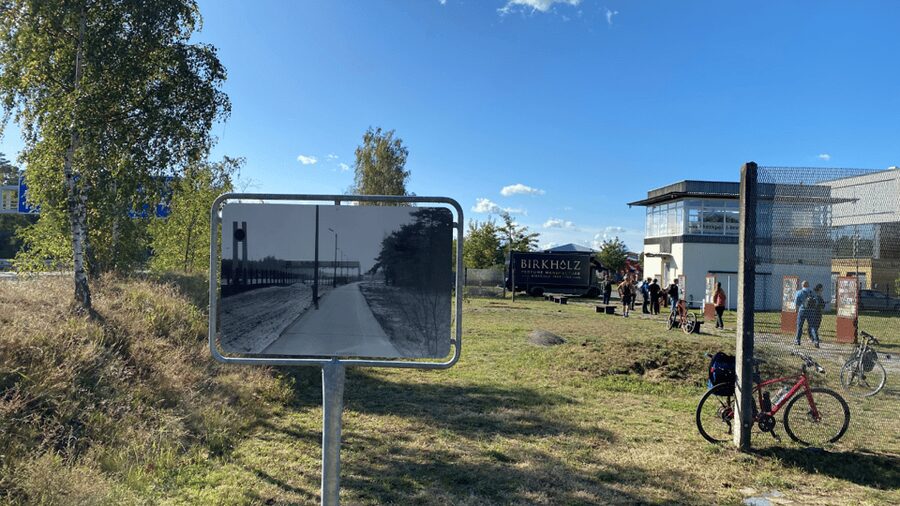
At some point, the day stops being about palaces and starts being about what happened to real people under brutal systems. You’ll visit the Gedenkstätte Lindenstraße 54/55, then later head to a memorial and meeting place on Leistikow Street in Potsdam.
These are not “look and move on” stops. The value here is guided context, plus time for you to process what the place communicates. The tour also explicitly connects the stop to Nazi and Stasi imprisonment, and it mentions a secret KGB prison element as part of the broader story of coercion and surveillance.
What you should take from this section is how political power becomes daily life. Even if you don’t read every panel, your guide should help you connect the dots between different regimes and the way control was enforced. For me, this is the part of the day where good guidance really matters, because you want the story explained in a way that respects the subject without turning it into trivia.
Drawback to plan for: because this section gets emotional, you may feel slowed down. If you tend to get overwhelmed in memorial spaces, build in breathing room during free time and skip the urge to “power through” just to keep up.
Same city, a different way to spend the afternoon:
- Berlin: Boat Tour Along the River Spree
★ 4.4 · 11,252 reviews - Discover Berlin Half-Day Walking Tour
★ 5.0 · 9,624 reviews - Berlin: Government District around the Reichstag Guided Tour
★ 4.7 · 8,447 reviews - Berlin: Reichstag, Plenary Chamber, Cupola & Government Tour
★ 4.6 · 8,422 reviews
Glienicke Bridge, aka the Bridge of Spies: more than a movie photo op
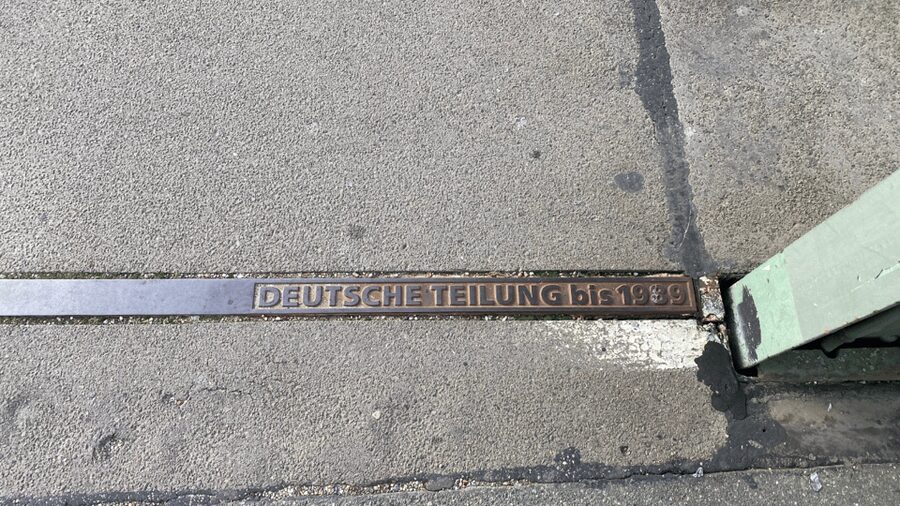
Glienicke Bridge is a short stop, and that’s exactly why it works in a 7-hour tour. You have only about 15 minutes here, but you come away with the meaning, not just a background shot.
Your guide frames it around espionage and prisoner swaps that became part of Cold War storytelling, including the association with the Bridge of Spies made famous by the Tom Hanks film. Even if you already know the movie angle, the geography is the point. This is where the physical boundary and the political negotiation meet.
What I like most is the contrast between what you expect from pop culture and what you learn from the actual location. The bridge is not just a dramatic setting. It’s a real checkpoint concept in landscape form, and your guide should help you understand why these swaps mattered to both sides.
Quick tip: since time is limited, focus on one viewpoint and one short photo sequence. Don’t sprint. Let the guide finish the key explanation, then take your pictures after so you can frame them with meaning.
Allied Checkpoint Bravo: understanding the East-West crossing logic
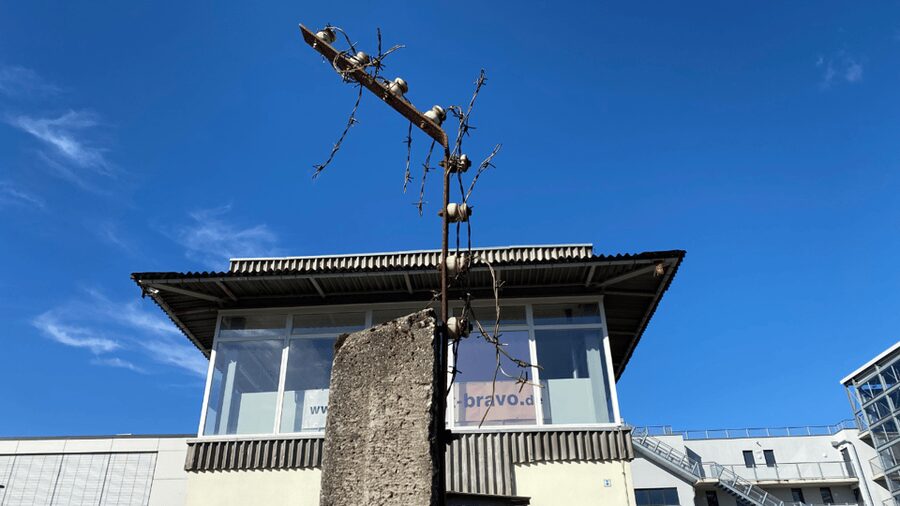
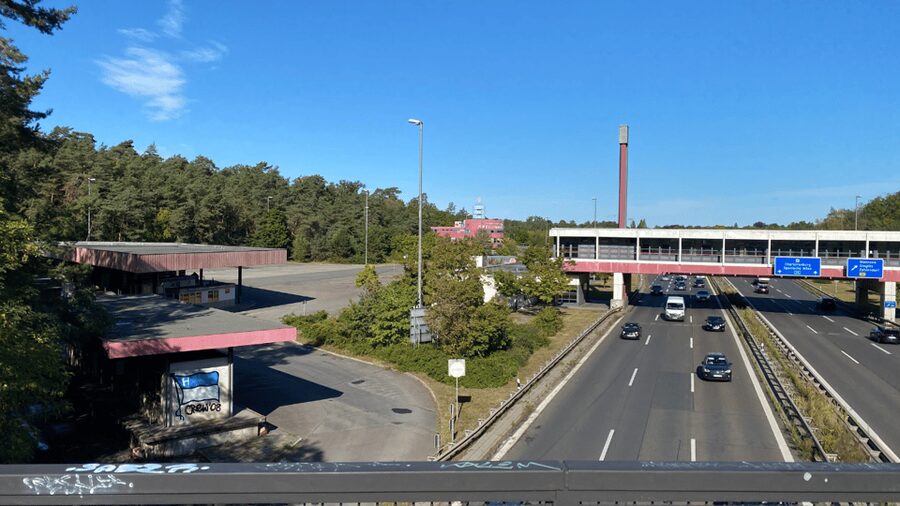
Checkpoint Bravo is one of the clearest “Cold War on the ground” stops on this itinerary. You’ll visit the Allied Checkpoint Bravo area with guided time and then a short window for you to look around.
The tour description makes the purpose plain: this is tied to the Autobahn crossing between East and West Berlin. That means you’re not just learning about ideology, you’re seeing how the division affected movement through a specific, real-world corridor.
The best way to enjoy this stop is to treat it like a history lesson in logistics. Ask your guide about what it would have meant to cross, what rules and procedures might have looked like, and why such crossings were so loaded. If your guide does their job well, you’ll start noticing how surveillance and control were embedded into everyday routes.
Time is limited here too, about 20 minutes including walking and looking. So come with a mindset of “get the big picture,” not “reconstruct the entire border system.”
The Potsdam Conference meeting place: how decisions changed the continent
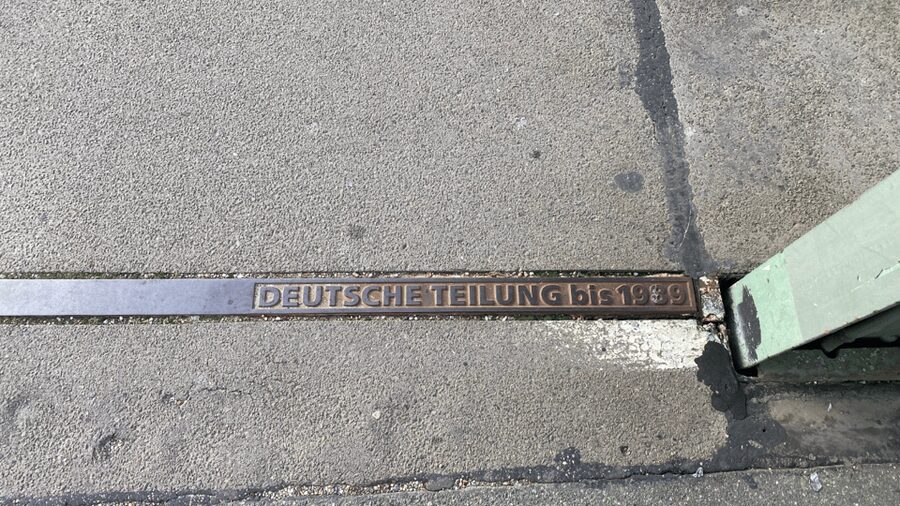
Another standout moment is seeing where post-WWII Europe was reshaped, connected to the Potsdam Conference. You’ll spend time at the memorial and meeting place on Leistikow Street in Potsdam.
This is valuable because it turns Europe’s rebuilding from an abstract headline into a physical location. Your guide should explain how the meeting fit into the aftermath of the war and how the resulting decisions affected power arrangements across the continent.
What I appreciate here is that the tour doesn’t treat the conference as a distant lecture. It’s part of the same story chain as the later Cold War tension. That link matters, because it shows how one set of decisions can feed years of conflict and distrust.
If you like history explained in everyday terms, this is a good place to ask questions. For example, you can ask how the atmosphere of the meeting connects to what you’re seeing later at espionage and border sites.
Guides, “then and now” photos, and the conversational advantage
This tour’s biggest practical strength is the guide-led storytelling. You’ll have an English live guide, and the group stays small, limited to 7 participants, which means you’re less likely to get stuck waiting for the loudest person to finish their question.
The reviews I saw highlight how conversational the guides can be, and names like Jochen, Steve, and Matt came up as examples of guides who connected the dots and kept the tone engaging. I like that style because it makes the day feel like a real lesson rather than a bus lecture.
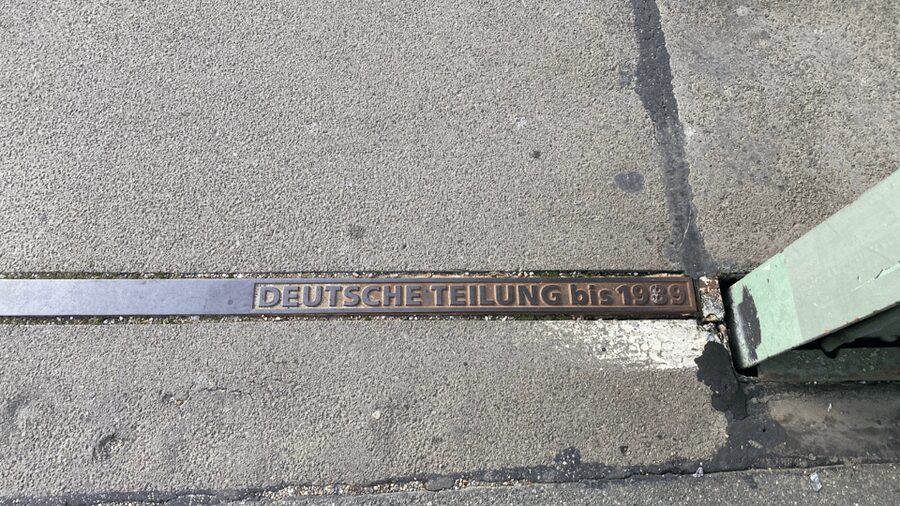
You’ll also get “then and now” photographs and maps. That’s not just a nice extra. It’s a tool that helps you interpret what has changed and what hasn’t. When you’re standing in a place tied to borders, prisons, and negotiations, the visuals help you understand what used to be there and why today’s landmarks matter.
One more small advantage: a review mentioned an added chance to use public transport as part of the learning, which is a smart reminder to ask your guide about the best local transit option on the return trip. Even if your route is primarily by van, you can still use that time to learn the area efficiently.
Price and value: what $152 gets you in real terms
At $152 per person for a 7-hour day, you’re paying for three things: a guided explanation, transportation by van from central Berlin, and small-group time with supporting materials.
Here’s how I judge the value:
- The guide matters because so many stops are heavy, and meaning is hard to get from signs alone. Without guidance, you can still see the sites, but you might miss the connections.
- The van with Wi-Fi saves you time and stress, especially when you’re stacking several Potsdam locations into one day.
- The provided photos and maps make your viewing more productive, because you’re comparing past and present.
What isn’t included is also clear: food and transportation to reach the meeting point. That means you’ll want to eat before you go and plan for your own meal later, so the day doesn’t get uncomfortable.
Is it expensive? Compared to a bare-bones bus ticket, yes. Compared to paying for multiple separate guided experiences or trying to manage timing across Potsdam on your own, it often feels fair, especially with the small-group cap and the tight schedule that actually hits the key sites.
Who should book this Potsdam day trip, and who should think twice
This tour fits best if you:
- Want a structured day that covers palace splendor and Cold War sites without planning every step
- Like history that connects big events to specific locations
- Are comfortable with guided walking and a few shorter stops rather than long museum-style sessions
Think twice if you:
- Want lots of free time at one or two places, because the day moves from Sanssouci to borders and memorials in sequence
- Prefer a slow, unstructured day where you can wander without someone setting the pace
- Hate rain-based uncertainty. It runs rain or shine, so you need to be willing to dress for it
Should you book the Kings, Crimes, & Spies Potsdam Day Trip by Van?
Yes, I’d book it if your goal is to understand Potsdam as a chain of power, from royal ambition to Cold War tension. The combination of Sanssouci Palace and sites like Checkpoint Bravo, plus memorial stops that explain how regimes enforced control, makes the day feel coherent instead of random.
I’d pass or add extra days if you want maximum time inside buildings or you prefer to explore at your own rhythm. In that case, this tour can still be a great foundation, but you might then follow it with your own Potsdam time later.
If you book, do yourself a favor: wear comfortable shoes, bring an umbrella, and come with one question you want answered about how Europe’s post-war decisions led to later division. A good guide can turn that into a memorable, practical story you’ll remember.
FAQ
How long is the Potsdam day trip from Berlin?
The tour duration is 7 hours.
Where does the tour start?
Meet at the main entrance of the Park Inn by Radisson Berlin Alexanderplatz, on Alexander Street. Look for the guide holding the Potsdam Tour – Kaiser to Cold War sign.
How many people are in the group?
The group is limited to 7 participants.
Is the tour guided, and what language is it in?
Yes. It has a live English-speaking guide.
What is included in the price?
Included items are the guide, van transportation with Wi-Fi onboard, a bottle of water, and then and now photographs and maps.
Is food included?
No, food is not included.
Does the tour run in bad weather?
Yes, it runs rain or shine. Bring an umbrella and weather-appropriate clothing.
Newest Berlin reviews on the site
- Jetbike Berlin fun bike beer bike★ 5.0 · 3 reviews
- Karl-Marx-Allee Walking Tour: Berlin’s Socialist History★ 5.0 · 5 reviews
- Homeless on chic streets: city tour in Berlin from personal experience★ 4.6 · 3 reviews
- Berlin: Sachsenhausen Concentration Camp Guided Tour★ 4.9 · 42 reviews
- Historyof the Trans, Queer & Gay communities of Berlin tour★ 4.8 · 17 reviews
- Historic Berlin Pubs & History Tour★ 4.9 · 73 reviews
- Berlin: City Center Walking Tour★ 4.7 · 45 reviews
- Half-Day Berlin Highlights Segway Expedition★ 4.5 · 61 reviews
1-Day Tours, compared.

Neuschwanstein & Linderhof Castle Full-Day Trip
Read our review →
Munich Hop-On Hop-Off Tour: 1-Day or 2-Day Ticket
Read our review →
Neuschwanstein Castle and Linderhof Palace Day Trip from Munich
Read our review →
Browse the lists this tour appears in