
Reviewed · OLD TOWN WALKING TOURS
Bremen: Historic old town tour with Geo Epoche
Hanseatic secrets start at Domshof. I like how this 2-hour Old Town walk turns everyday streets into Bremen’s political drama, and I also like the stop focused on Böttcherstraße plus the story of Gesche Gottfried. The main drawback to weigh is that the tour runs in German, and if you prefer fast, lively delivery, pace and tone may matter to you.
This is a Geo Epoche style tour led by history-focused guides, starting right by St. Peter’s Cathedral in the Domshof area. It runs in all weathers, so you’ll want comfy shoes and a water bottle, and you’ll get a small, close-up group experience that can make it easier to ask questions.
In This Review
- Key Highlights You’ll Actually Care About
- Bremen Old Town in 2 Hours With Geo Epoche
- Price and Value: What $29 Buys You in Bremen
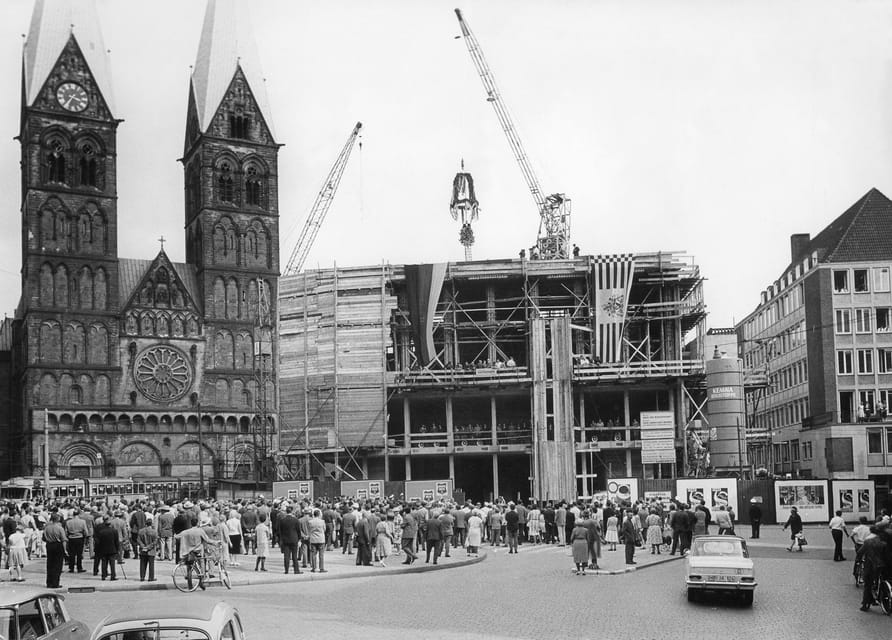
- Meeting Point on Domshof: Starting at St. Peter’s Cathedral
- How a Tiny Settlement Became a Hanseatic Power
- The Merchants Versus the Archbishop: Medieval Bremen’s Real Power Fight
- Böttcherstraße: Why This Famous Street Exists
- Gesche Gottfried’s Story: Bremen’s Dark Edge
- A Rebellious Spirit From Medieval Uprisings to Today
- German-Language Tour Tips: Get More Out of Every Minute
- What the Tour Feels Like on the Ground
- Should You Book This Bremen Old Town Tour?
- FAQ
- Where does the tour start?
- How long is the Bremen Old Town tour?
- What language is the tour in?
- What’s included in the ticket price?
- What should I bring?
- Is the tour accessible for everyone, and are pets allowed?
Key Highlights You’ll Actually Care About
- Hanseatic power explained on the ground, from a small settlement to a trading metropolis
- Bremen’s medieval clash with an archbishop, told as a real turning point
- Böttcherstraße origin story, including what to look for as you pass
- Gesche Gottfried featured, Bremen’s infamous poisoner, with story details tied to place
- A rebellious thread through time, from medieval uprisings to citizens’ initiatives
Bremen Old Town in 2 Hours With Geo Epoche
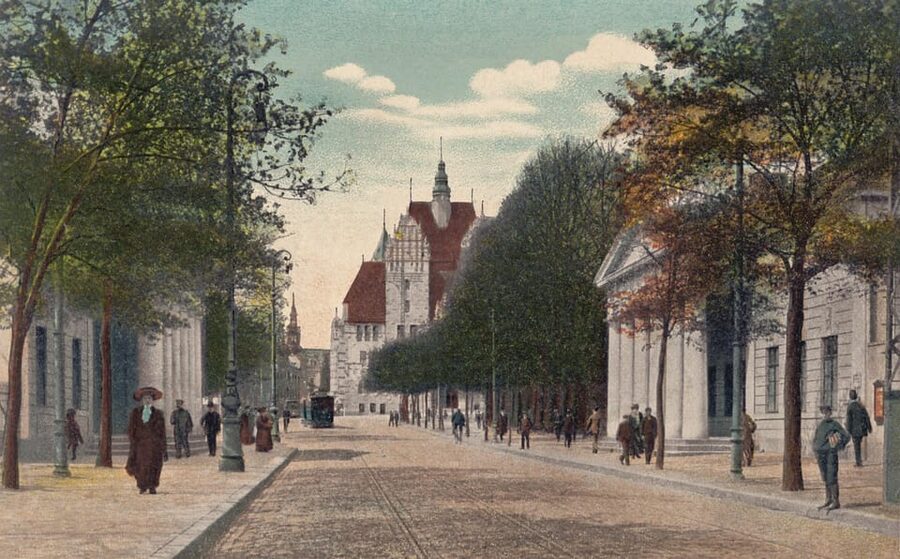
This tour is built for a tight time window: just 2 hours, walking through Bremen’s Old Town and linking the big turning points to the specific spots where they happened. That matters because Bremen is one of those cities where the buildings look calm, but the politics under them can be intense. This kind of format helps you connect what you see with why it exists.
Geo Epoche also leans into storytelling, not a checklist. You’re not just hearing dates. You’re hearing how Bremen’s identity formed, why merchants fought for leverage, and how ordinary citizens kept pushing back when power tried to tighten the grip.
One practical thing: it runs in all weathers. In Bremen that means you should treat “light rain” and “proper rain” as equally possible. If you come dressed like you’re doing a quick stroll, you’ll feel it by the end.
More old-town walks in Bremen:
- Bremen: Old Town Tour with Costumed Performer & Tour Guide
★ 4.3 · 257 reviews - Bremen: Culinary Old Town Tour – with unique locations
★ 4.9 · 48 reviews - Bremen: Outdoor Escape Game in the Old Town
★ 4.4 · 41 reviews
Price and Value: What $29 Buys You in Bremen
At about $29 per person, you’re paying for guided interpretation plus a brochure. You do not get drinks or meals, and you’re not going to be picked up at your hotel. So the value question is simple: are you the kind of traveler who wants stories tied to places, or do you prefer to wander with your phone?
If you want the Hanseatic city angle explained without you having to research for hours first, this is good value. The payoff is especially strong when the guide brings clarity to three themes the tour promises: Bremen’s rise, the merchants’ power struggle in the Middle Ages, and the city’s more rebellious streak that survives under the polite surface.
If you already know Bremen well, or if you’re only after a few photos, you might feel the time is short. But for first-timers, the structure can save you from walking in circles and missing the “why.”
Also worth noting: the booking setup includes free cancellation up to 24 hours in advance and a reserve-now, pay-later option. That’s helpful if your plans depend on weather or other connections.
Meeting Point on Domshof: Starting at St. Peter’s Cathedral
You’ll meet at the Bismarck monument in front of St. Peter’s Cathedral, Domshof 1, Bremen. The nearest bus stop listed is Dormsheide.
This location is smart for a tour like this. Domshof sits in the city’s historic core, and it’s a natural place to anchor the story of Bremen’s development. You’re starting where Bremen’s identity feels most “centered,” which makes the later stops about trade, politics, and famous characters land better.
Practical advice so your start stays smooth:
- Go a few minutes early and orient yourself to the monument.
- Bring water, even if the weather looks decent.
- Wear shoes you can walk in for the full 2 hours, because Old Town streets tend to be uneven and you’ll want to stay comfortable rather than constantly adjusting your stride.
If you have mobility concerns, keep in mind the tour is not suitable for people with mobility impairments. The pacing assumes you can move along historic streets and stand at points of interest without long rests.
How a Tiny Settlement Became a Hanseatic Power
One of the tour’s core questions is how a tiny settlement around a wooden church grew into the proud Hanseatic city of Bremen. That storyline is exactly what I’d want early in the visit, because it gives you a framework for everything else.
When a guide explains this kind of rise, they usually cover more than the “what.” They connect the rise to trade networks and to who held influence. Bremen’s reputation as a trading metropolis does not appear by accident. It’s the result of merchants gaining leverage and a city building a stronger civic identity over time.
Even if you’re not a history person, you’ll likely enjoy this part because it changes how you read the street layout. You start looking for the logic behind the center, the movement of goods, and why certain power struggles mattered.
And because the tour is time-boxed, you should expect a focused version of the story. Think “understand the turning points,” not “full lecture.”
A few more Bremen walks and trips to compare
- Bremen: Walking Tour of Historic Schnoor District
★ 4.8 · 429 reviews - Leipzig: City History Canal Sightseeing Tour on a Motorboat
★ 4.7 · 7,671 reviews - Berlin: Natural History Museum Entrance Ticket
★ 4.6 · 3,382 reviews - Leipzig: 1.5-Hour Historical Walking Tour in German
★ 4.7 · 2,217 reviews
The Merchants Versus the Archbishop: Medieval Bremen’s Real Power Fight
The tour also promises to answer how Bremen’s merchants won a battle against a powerful archbishop in the Middle Ages. That’s the kind of conflict that can explain a city’s personality more than any single building.
Why it’s valuable: disputes between civic power and church authority were not abstract. They affected trade privileges, taxes, and who got to decide major issues. When merchants win, a city tends to feel more self-confident later. You see it in civic initiatives, in the way citizens speak up, and in a culture that can be stubborn when challenged.
This is also where the tour’s “rebel under the surface” theme begins to make sense. A trading city needs rules to operate. But it also needs freedom to compete. Bremen’s history, as framed here, shows that merchants and citizens often pushed for that freedom.
What to watch for as you walk: you’ll likely get prompts to notice how power is represented in the urban space. Even when you can’t read every inscription, you can sense which areas were meant to matter.
Böttcherstraße: Why This Famous Street Exists
Böttcherstraße gets a full story treatment, including how it came about and what kind of person Gesche Gottfried was. That might sound like a left turn at first, but it works because it shows Bremen as a city with layers: economic power on one hand, odd characters and bold creativity on the other.
Böttcherstraße is one of those streets visitors recognize by name, and guides like this one use that familiarity as a hook. You don’t just hear that it exists. You learn why it shaped the way people talk about Bremen, and why it fits into a city that kept reinventing itself.
In practical terms, you’ll benefit most from slowing down around this section. If you rush through for photos, you miss the details a guide is probably pointing out, and those details are what connect the street to the larger story.
Gesche Gottfried’s Story: Bremen’s Dark Edge
Then comes one of the tour’s most memorable promise items: the poisoner Gesche Gottfried. You’re not visiting some museum exhibit with a script and glass cases. Instead, you’re hearing a character story tied into Bremen’s past.
Why I think this part is effective: dark history forces you to confront how people lived, how fear spread, and how communities dealt with scandals. It’s also a reminder that cities are not just made of wars and trade. They are made of people, gossip, accusations, and the consequences that followed.
If you like your history with a human edge, this will likely be one of the highlights for you. If you prefer strictly political history, you can still enjoy it because the story adds contrast. It shows Bremen’s social side, not just its merchant power.
A Rebellious Spirit From Medieval Uprisings to Today
The tour doesn’t stick to distant centuries. It frames Bremen as a city where a rebellious spirit has been alive beneath a bourgeois surface, from medieval uprisings to citizens’ initiatives of modern times.
That theme matters because it keeps Bremen from feeling like a dusty postcard. The point is not that every era was the same. The point is that certain traits, like pushing back against authority and organizing as a community, keep returning in different forms.
When a guide does this well, you come away thinking differently about civic life. You start realizing that a city’s attitude can survive long political shifts. In Bremen, the trading city story and the citizen pushback story are connected, not separate.
German-Language Tour Tips: Get More Out of Every Minute
This tour is in German. Some content may appear in its original language, so expect you’ll hear proper terms and names rather than simplified summaries.
Here’s how to make that work for you, even if your German is rusty:
- Listen for repeated keywords related to trade, conflict, and citizens. You’ll catch the structure even if you miss individual words.
- Use the brochure if you can. It’s included, so it’s there for a reason.
- If you have questions, ask early. In a short 2-hour walk, it’s better to catch the guide before the pace carries you off.
Delivery style can also influence your enjoyment. In feedback about this experience, some people appreciated expert guidance and tight group size, even with rain. Others found a monotone delivery disappointing. If you know you strongly prefer interactive, varied speaking styles, keep your expectations aligned and prepare to engage with questions.
Also, pets are not allowed, so don’t plan to bring one along.
What the Tour Feels Like on the Ground
You can expect a walking tour that follows a targeted storyline. The guide’s job is to connect specific episodes to the places where those episodes played out. That’s why this format works: the city becomes a map of cause and effect.
Because it takes place outdoors in all weathers, your comfort setup affects the experience:
- Comfortable clothes, so you can layer for cool or wet weather.
- A reusable water bottle, so you don’t rely on finding a place to buy drinks mid-walk.
- A quick rain plan, like a light waterproof layer, not just a fragile umbrella.
If you arrive tired or underdressed, you’ll likely shorten your attention span. This tour asks you to stay mentally switched on, not just physically walking.
Should You Book This Bremen Old Town Tour?
Book it if you:
- Want a quick orientation to Bremen’s Hanseatic identity without spending your whole trip researching.
- Like guided storytelling tied to real places, especially around trade politics and famous personalities.
- Are comfortable with a German-language experience.
Skip it, or consider alternatives, if:
- You need an English tour, because this one is German only.
- Walking for 2 hours on historic streets is tough for you, since it is not suitable for mobility impairments.
- You only want a self-paced photo walk and not the explanation of why key sites matter.
My honest take: for $29, this is a solid value if you like learning the “why” behind Bremen’s landmarks. The strongest moments come from expert storytelling, and the story choices hit both the merchant power struggle and Bremen’s more unusual characters. Just be ready for German, rain or shine, and a pace that stays focused.
FAQ
Where does the tour start?
You meet at the Bismarck monument in front of St. Peter’s Cathedral, Domshof 1, 28195 Bremen. The bus stop is Dormsheide.
How long is the Bremen Old Town tour?
The duration is 2 hours.
What language is the tour in?
The live tour guide speaks German. Some content may be shown in its original language.
What’s included in the ticket price?
The ticket includes the tour guide and a brochure.
What should I bring?
Wear comfortable shoes and clothes, and bring a reusable water bottle.
Is the tour accessible for everyone, and are pets allowed?
Pets are not allowed. The tour is not suitable for people with mobility impairments.
Newest Bremen reviews on the site
- Espresso Kurs im Johann Jacobs Haus in Bremen★ 5.0 · 3 reviews
- Bremerhaven: Fish Bite Guided Walking Tour★ 4.8 · 13 reviews
- Bremen: Public Tour of the Town Hall in English★ 4.6 · 207 reviews
- Bremen Schwachhausen: Crime Mystery Tour★ 3.6 · 4 reviews
- Bremen Tour: Full-Day Canoe Rental on the Wümme River★ 4.8 · 4 reviews
- Bremen: Private pub crawl with insider-guide & free shots★ 4.5 · 22 reviews
- Bremen: Old Town Tour with Costumed Performer & Tour Guide★ 4.3 · 257 reviews
- Bremen: Private Walking Tour with a Professional Guide★ 4.2 · 22 reviews
Old Town Walking Tours, compared.
Old Town & Viktualienmarkt City Walk in German
Read our review →

Browse the lists this tour appears in