

Reviewed · BREMEN TOURS
Espresso Kurs im Johann Jacobs Haus in Bremen
Espresso becomes fun when you can practice. This hands-on course at Johann Jacobs Haus in Bremen teaches espresso step by step, plus how to pour a latte art heart using fine milk foam.
I like that it goes beyond theory, with time at the machine and real feedback on what to change. I also like the focus on dialing in your setup, not just following a single recipe.
One thing to consider, it’s taught in German, so if you are not comfortable with the language, you may have to rely on gestures and the course handout.
With a small group limited to 8, you should get more than a quick look and a single try. You will also leave with a participation certificate from Johann Jacobs Haus, which is a nice bonus if you like tracking your progress.
If you mainly want a quick caffeine tasting, this is not that. Plan to use your hands, pay attention to details, and practice.
In This Review
- Key points to know before you go
- Espresso training at Johann Jacobs Haus in Bremen
- From bean and roast to your first pull
- Dialing in the grinder and running the machine
- Milk foam texture, then the heart in your cup
- What’s included, and why this time is worth it
- Group size, language, and pace you can actually use
- Where it fits in your Bremen trip
- Who this espresso course suits best
- Should you book this Espresso Kurs in Bremen?
- FAQ
- How long is the Espresso Course?
- Where do I meet for the course?
- What language is the course taught in?
- How big is the group?
- What is included in the price?
- How much does the course cost?
- Is there an instructor?
- Do I get anything to take home?
- Can I reserve and pay later?
- Is free cancellation available?
Key points to know before you go
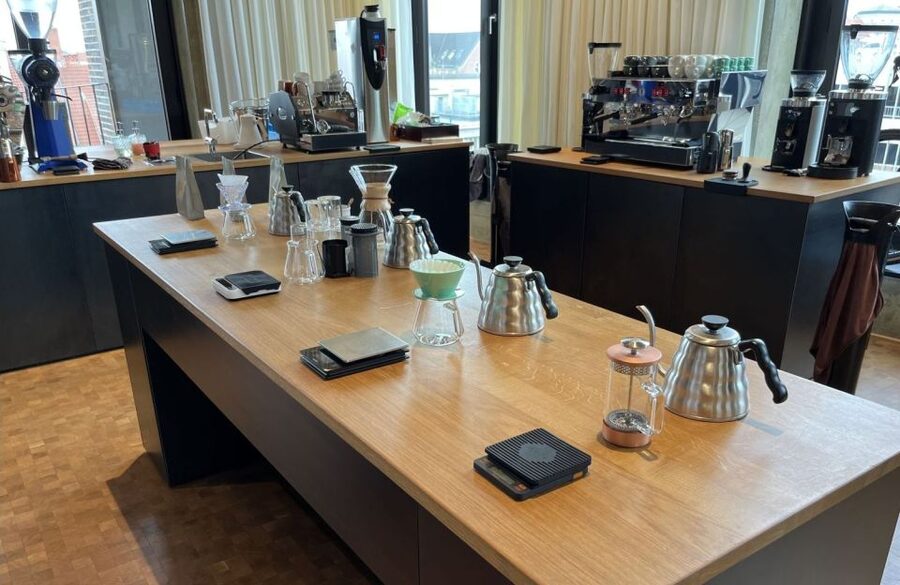
- Small group, max 8 participants means more direct time at the espresso setup
- Bean to roast basics so your espresso choices make sense at home
- Grinding and machine adjustments are part of the core training, not an afterthought
- Steaming for velvety milk foam teaches the texture, not just the motion
- Latte art heart practice ties milk skills to a visible result
- You receive a handout you can use later when you’re recreating the method at home
Espresso training at Johann Jacobs Haus in Bremen
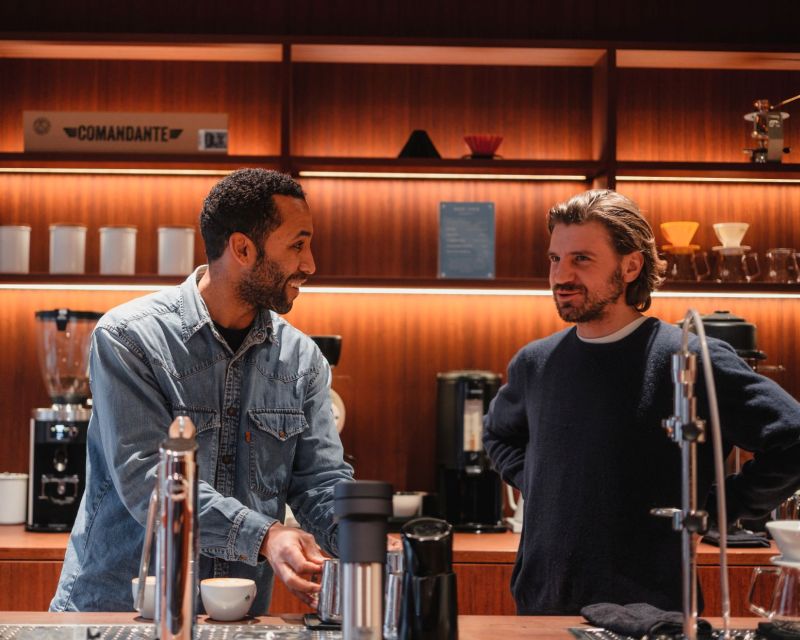
If you love coffee, Bremen is a solid place to learn how it’s made. This course happens at Johann Jacobs Haus, and you meet at the Heritage Store counter. The setting fits the theme: you are learning craft, not just ordering drinks and moving on.
The total time is 210 minutes, which is long enough to cover espresso technique, then switch gears to milk steaming and latte art. That matters because espresso and milk are separate skills, and you need repetition to feel confident.
The price is $152 per person, and the value depends on what you want from the experience. You are not just paying for a class, you are paying for structured barista coaching, included drinks (espresso and milk, plus milk alternatives), and the chance to practice with equipment rather than watching from the sidelines.
A few more Bremen walks and trips to compare
- Bremen: Walking Tour in German with Night Guard
★ 4.7 · 2,922 reviews - Bremen: City Center Guided Walking Tour
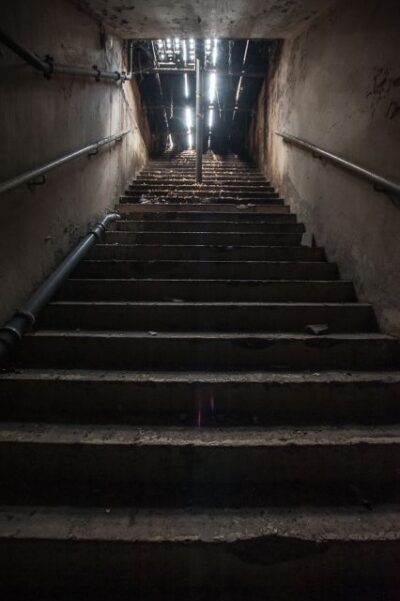
★ 4.5 · 2,709 reviews - Bremen: Underground Guided Tour
★ 4.1 · 1,408 reviews
From bean and roast to your first pull
The training starts at the beginning: the espresso workflow from bean to roast. You’ll learn why coffee choice and roast level affect the flavor you taste in the cup, and how that connects to what you do with the machine.
Even if you already buy your beans with some confidence, it’s helpful to put the pieces together. Espresso can taste sour, bitter, or flat, and most “mystery flavor” problems come down to variables like grind size, extraction time, and how the coffee was roasted. When you understand the chain, you stop guessing.
This is also where the course design helps you. You don’t just hear about coffee, then leave. Instead, you learn the concepts, then you practice the actions. One learner really emphasized how the practical portion mattered most, especially after learning about the coffee bean and its origin. That’s the right sequence for most people.
Dialing in the grinder and running the machine
A big part of this course is adjusting the grinder and operating the espresso machine correctly. That’s where home baristas usually struggle. You can own a machine, follow a recipe, and still end up with inconsistent shots.
Here’s what you’re training to do: control grind, then use machine operation to extract espresso in a repeatable way. When you learn what grinder adjustments change in the cup, you can fix problems instead of blaming your beans, your machine, or your mood.
In practical terms, the course focuses on what matters when you tune your setup. That means learning what to look for, what to change, and how to keep your process consistent. With a small group capped at 8, you are less likely to get stuck waiting your turn and more likely to get corrections while your shot is fresh.
Also, since the instructor is German, you’ll likely rely on a mix of explanation, hands-on demonstration, and what’s written in the handout. If you speak a bit of German, you’ll catch more nuance. If not, you can still learn the technique, but go in ready to follow the visuals closely.
Milk foam texture, then the heart in your cup
After you’ve wrapped your head around espresso, you shift to the second half of the barista skill set: steaming milk for fine, velvety foam. The course doesn’t treat milk as a vague “make it creamy” goal. It teaches the texture needed for good pouring.
That texture is the key to latte art. Foam that is too thick may not pour smoothly. Foam that’s too watery won’t hold micro-bubbles, and your design turns into a mess or disappears fast. The training aims to help you produce the right kind of milk, then transfer that into a visible result.
The highlight is learning to create a heart on top of your cappuccino. You practice the technique until it makes sense. Even if your first attempts are not Instagram-perfect, you should walk away with a clearer method for improving, because you’ll understand what the foam should look and feel like.
And you’ll see a practical bonus here: once you can steam for texture, you’re better at making everyday drinks, like cappuccinos and lattes, even if you never draw hearts again.
Same city, a different way to spend the afternoon:
- Bremen: 3-Hour Beck’s Brewery Tour
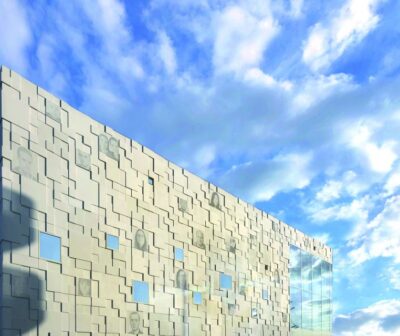
★ 4.6 · 1,091 reviews - Bremerhaven: German Emigration Center Entrance Ticket
★ 4.8 · 447 reviews - Bremen: Walking Tour of Historic Schnoor District
★ 4.8 · 429 reviews - Bremerhaven: Harbor Bus Tour
★ 4.8 · 418 reviews
What’s included, and why this time is worth it
The course includes water, espresso, and milk or milk alternatives. That sounds simple, but it matters. It means you are not supplementing the lesson with extra purchases just to keep practicing.
The 210 minutes also matter. A common shortcoming of coffee classes is too little practice time. Here, the timing supports real repetition across espresso dialing and milk technique. You’re essentially building two related skills in one session.
You also get a handout. This is a big deal for value because it helps you recreate what you learned at home. Otherwise, you remember the general idea and forget the specific cues. With the handout, you have a reference for your next session with the grinder and steamer.
Finally, you can receive a participation certificate from Johann Jacobs Haus. It’s not why you take the class, but it’s a nice touch that makes the experience feel official and structured.
Group size, language, and pace you can actually use
This is a small group experience, limited to 8 participants. For hands-on courses, group size is not a trivia point. It affects how quickly you can try a shot, get feedback, and move on. Smaller groups generally mean less waiting and more correction while your technique is still “warm.”
The instructor speaks German. If you are comfortable with basic German, you’ll likely catch more of the reasoning behind each step. If you are not, the course can still be worthwhile because the skills are physical: you adjust, you pour, you see results, and you use the handout to keep track.
Pace is another factor. Since the course covers bean-to-roast basics, machine operation, grinder adjustment, milk steaming, and latte art, it’s not a slow tour. You’ll likely feel busy in a good way, like a workshop rather than a show.
Where it fits in your Bremen trip
This isn’t a sightseeing-only activity. It’s for people who want something practical they can take home. If you’re spending a couple days in Bremen, this can be one of the most memorable parts because it connects to a daily habit you’ll keep after the trip.
Location-wise, you’ll meet in the Johann Jacobs Haus Heritage Store at the counter. That makes it easy to align with a city walk before or after. Plan for time to arrive a bit early, so you can get settled and start promptly.
If you like your travel experiences hands-on, this will fit you. If you prefer low-effort, passive activities, you might find the practice-heavy format more intense than expected.
Who this espresso course suits best
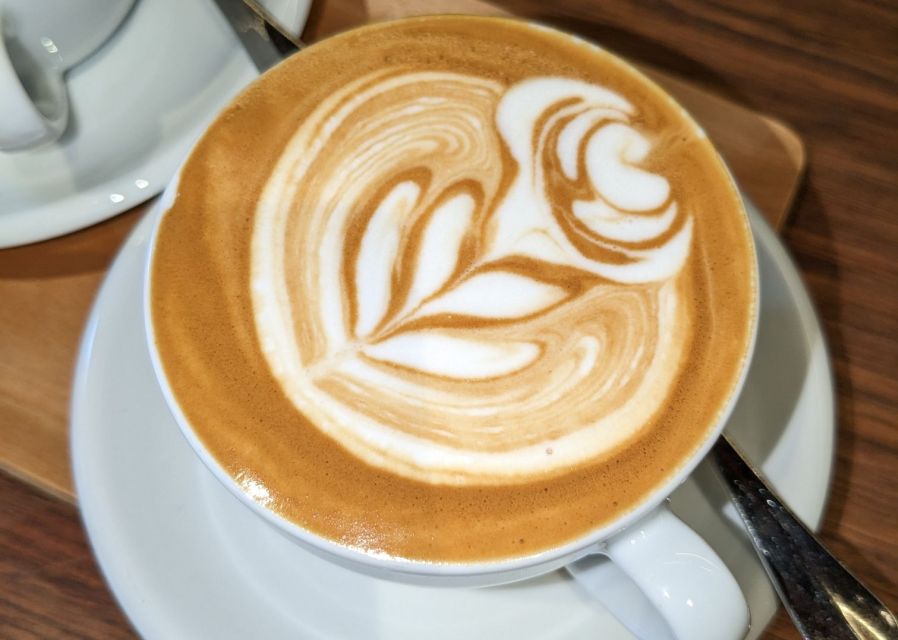
You’ll probably love this course if you want barista-style results at home. It’s especially good for you if you already make espresso sometimes and want to stop guessing when the taste is off.
It also suits beginners with an interest in learning properly. The course starts with bean and roast context, then builds technique. That’s helpful because it gives you a base, not just a list of steps.
If you’re traveling with limited time but still want depth, 210 minutes is a workable commitment. It’s long enough to learn and practice, short enough that it won’t swallow your whole day.
And if you like latte art, you’ll enjoy the goal-oriented part. The heart in your cup turns milk steaming into something measurable and fun.
Should you book this Espresso Kurs in Bremen?
Book it if you want a practical skill. This course is built around doing: espresso setup, grinder adjustments, machine operation, then milk foam and a heart pour. At $152 per person, you’re paying for time, coaching, and included drinks, which is how you get value when the goal is to actually improve.
Skip it or consider something else if you only want casual coffee education. This is not a quick tasting. It expects you to participate, practice, and learn from feedback in German.
If you want a class that leaves you with a method you can repeat at home, this is a strong bet.
FAQ
How long is the Espresso Course?
The duration is 210 minutes.
Where do I meet for the course?
You meet at the Heritage Store in Johann Jacobs Haus, and you should sign in at the counter.
What language is the course taught in?
The course is taught in German.
How big is the group?
It is a small group limited to 8 participants.
What is included in the price?
The course includes water, espresso, and milk or milk alternatives.
How much does the course cost?
The price is $152 per person.
Is there an instructor?
Yes, there is an instructor and the instructor is German.
Do I get anything to take home?
You receive a handout with key information, and you can receive a participation certificate.
Can I reserve and pay later?
Yes. The option is available to reserve now & pay later, with no payment today.
Is free cancellation available?
Yes, you can cancel up to 24 hours in advance for a full refund.
Newest Bremen reviews on the site
- Bremerhaven: Fish Bite Guided Walking Tour★ 4.8 · 13 reviews
- Bremen: Public Tour of the Town Hall in English★ 4.6 · 207 reviews
- Bremen Schwachhausen: Crime Mystery Tour★ 3.6 · 4 reviews
- Bremen Tour: Full-Day Canoe Rental on the Wümme River★ 4.8 · 4 reviews
- Bremen: Private pub crawl with insider-guide & free shots★ 4.5 · 22 reviews
- Bremen: Old Town Tour with Costumed Performer & Tour Guide★ 4.3 · 257 reviews
- Bremen: Private Walking Tour with a Professional Guide★ 4.2 · 22 reviews
- Bremen: Night Watchman Guided Tour for Children (in German)★ 4.7 · 77 reviews
Bremen Tours, compared.


Bremerhaven: German Emigration Center Entrance Ticket
Read our review →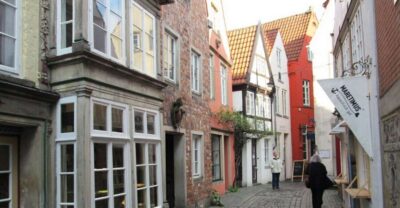


Browse the lists this tour appears in