Reviewed · BERLIN TOURS
Berlin: The Feuerle Collection Meditation Experience
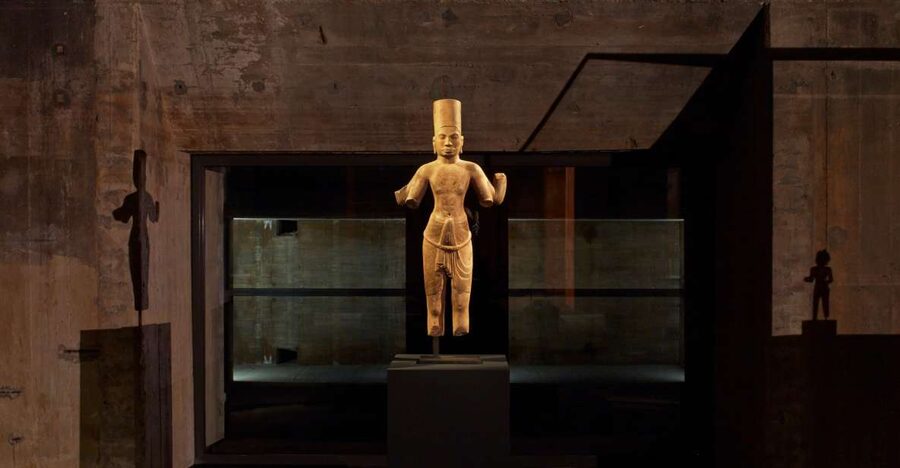
A silent art experience can feel like a reset button. This one is built around a mobile detox in a quiet setting, with you moving through rooms and pausing to meditate in front of major artworks. I like the mix of eras and mediums, early Khmer sculpture, Imperial and Scholar Chinese furniture, and contemporary pieces that change the mood fast.
You’ll get two big wins for your time in Berlin: a calm unguided experience that lets you set your own pace, and the chance to sit with art that makes you use your senses more than your arguments. One thing to think about first is that this is not a guided tour. If you want facts delivered in a lecture style, you might miss that structure.
In This Review
- Key things to know before you go
- Berlin’s Feuerle Collection Meditation, a quiet route through art
- The 1-hour format: short, silent, and built for your attention span
- Sound Room to Lake Room: the atmosphere changes before the art even does
- Khmer sculptures: sitting with weight, age, and stillness
- Chinese furniture in Imperial and Scholar traditions
- Contemporary art stop: Kapoor, Iglesias, Fuss, Zeng Fanzhi, Byars, Araki
- What’s included, and how to prepare without overthinking
- Price and value: is $25 for art meditation worth it?
- Who should book, and who might want a different kind of art visit
- Should you book the Feuerle Collection Meditation Experience?
Key things to know before you go
- Silence is part of the design, not a suggestion, so plan your mindset for quiet.
- Meditation is optional, you can also walk around quietly and simply take in the art.
- The route matters, you move through the Sound Room and into the underground Lake Room.
- Major collections, many centuries, from 7th to 13th-century Khmer sculpture to ancient-to-imperial Chinese furniture.
- Contemporary art is included, with works by Anish Kapoor, Cristina Iglesias, Adam Fuss, Zeng Fanzhi, James Lee Byars, and Nobuyoshi Araki.
- Yoga mat and blanket are included, so you can settle in without extra planning.
Berlin’s Feuerle Collection Meditation, a quiet route through art
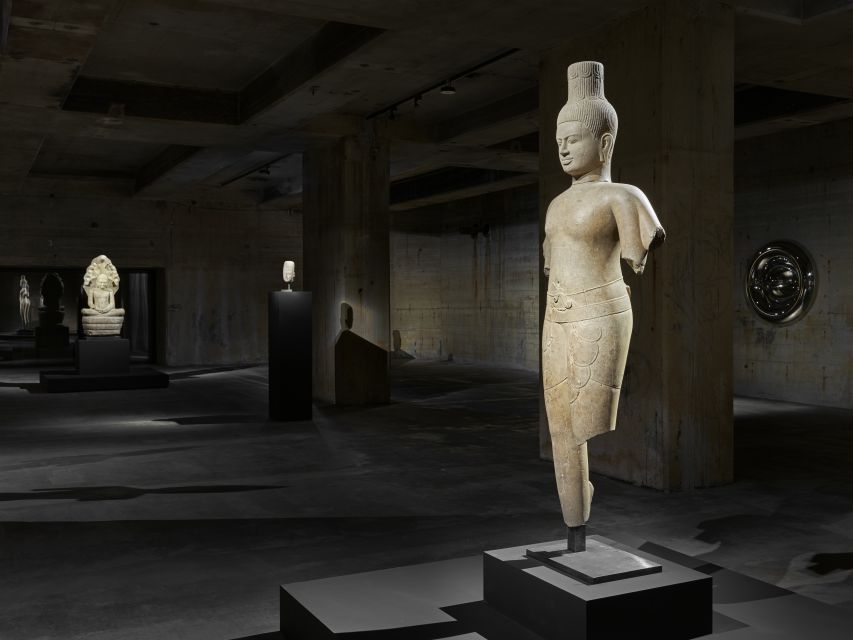
This experience is not about checking off exhibits at speed. It’s about slowing down with purpose. You enter a setting where silence is expected, then you follow a route that links sound, space, and objects in a way that feels intentionally staged for contemplation.
What makes it interesting is the idea of juxtaposition. One moment you’re facing the quiet gravity of early Khmer sculpture from roughly the 7th to 13th centuries. The next, you’re sitting with Imperial and Scholar Chinese furniture spanning from around the 2nd century B.C. through the 17th century A.D. After that, contemporary works by artists like Anish Kapoor and Nobuyoshi Araki shift the energy again. The result is an art walk that doesn’t ask you to master everything. It asks you to notice what changes inside you when the visual language changes.
And yes, it’s also a break from Berlin noise. Even if you love the city, a 1-hour calm block can do something your legs and phone can’t.
A few more Berlin walks and trips to compare
- Berlin: Reichstag, Dome and Government District Guided Tour
★ 4.7 · 18,288 reviews - Berlin: 1-Hour City Tour by Boat with Guaranteed Seating
★ 4.3 · 16,993 reviews - Berlin: TV Tower Standard Entrance Ticket
★ 4.4 · 15,883 reviews
The 1-hour format: short, silent, and built for your attention span
The visit lasts 1 hour, and that matters. One hour is long enough to actually settle, but short enough that you don’t start bargaining with your brain. You won’t spend the whole time searching for meaning. You’ll spend the time letting impressions land, then moving on gently.
Meditation is not mandatory. That’s a rare and valuable option for people who want the benefits of calm without the pressure of doing it right. If you’re not sure you can sit still, you can still participate. You can walk around quietly and enjoy the artworks without forcing a meditation rhythm.
Also, because it’s open mediation rather than a guided program, you’re not on a schedule of explanations. That’s good value if you like to discover at your own speed. If you need a docent to decode every object, this may feel like staring at a universe with no subtitles.
Sound Room to Lake Room: the atmosphere changes before the art even does
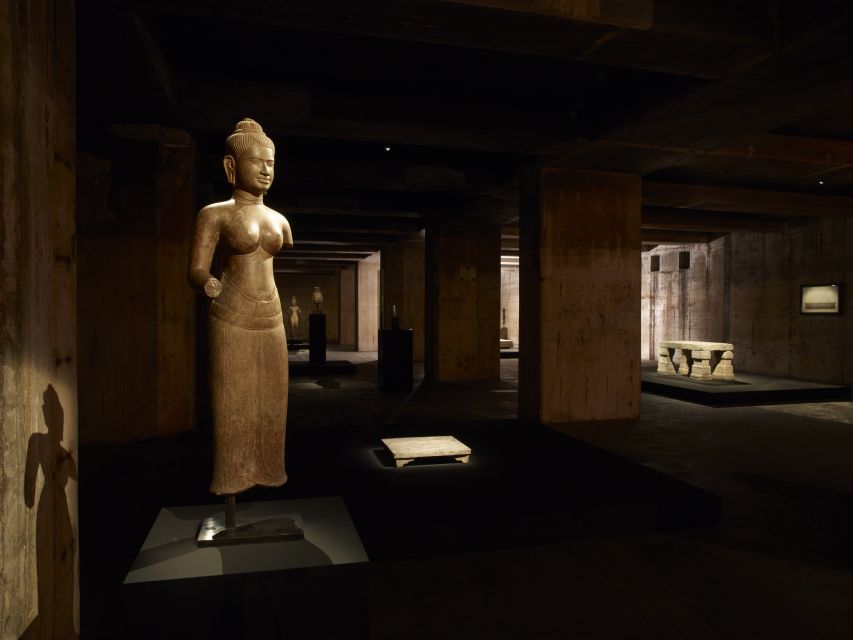
One of the most practical parts of this experience is also one of its most atmospheric. You pass through a Sound Room and then walk into the underground Lake Room. Even before you settle in front of artworks, you’re being moved through different kinds of space.
The Sound Room sets the stage. You’re in an environment where sound is treated differently from normal sightseeing, and silence becomes a tool. You start to notice your own breathing, your own small movements, and how your attention behaves when you’re not fighting background chatter.
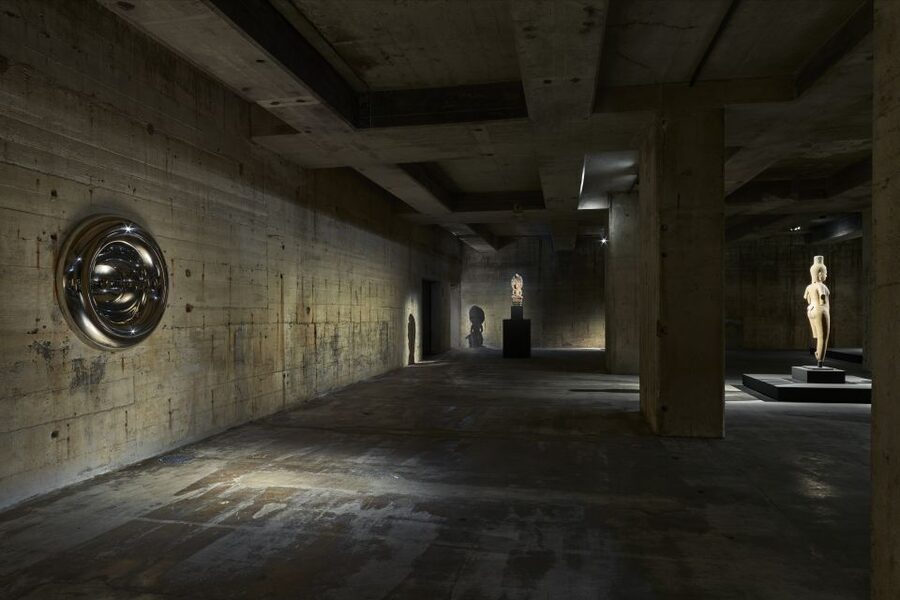
Then comes the Lake Room, and the underground setting is a big contrast. The walk down creates a mental shift, like stepping away from the surface world. The point isn’t spectacle. It’s atmosphere that supports stillness. In that kind of setting, you usually feel more comfortable slowing down, even if your thoughts are trying to keep sprinting.
Practical tip: since it’s not a guided tour, give yourself permission to follow the route quietly and stop when you naturally feel drawn to a piece. You’re allowed to be there for the art, not for someone else’s plan.
Khmer sculptures: sitting with weight, age, and stillness
The collection includes early Khmer sculptures from the 7th to 13th century A.D. This is where the “use your senses, not just your logic” vibe really makes sense.
Khmer sculpture often carries a sense of grounded presence. In a normal museum visit, it’s easy to treat it like a photo opportunity or a puzzle to solve. Here, the meditation format changes the tempo. You’re not rushing to decide what it means. You’re letting the forms settle in your body first: contours, surfaces, and the way light falls across carved details.
For me, the value is how this kind of art benefits from quiet attention. Even if you don’t know the terminology, you can still respond to mass, balance, and gesture. Meditation amplifies that, because you’re not competing with crowds or explanations.
One consideration: you might find your mind wandering. That’s normal. The experience doesn’t demand a performance. If you notice yourself drifting, treat it like a moment to return, not a failure.
Same city, a different way to spend the afternoon:
- Berlin: Boat Tour Along the River Spree
★ 4.4 · 11,252 reviews - Discover Berlin Half-Day Walking Tour
★ 5.0 · 9,624 reviews - Berlin: Government District around the Reichstag Guided Tour
★ 4.7 · 8,447 reviews - Berlin: Reichstag, Plenary Chamber, Cupola & Government Tour
★ 4.6 · 8,422 reviews
Chinese furniture in Imperial and Scholar traditions
Another major highlight is Imperial and Scholar Chinese furniture, covering a broad timeline from about the 2nd century B.C. through the 17th century A.D. This matters because furniture isn’t just decoration. It’s design made for living, resting, meeting, and contemplation.
In a quiet setting, you’re more likely to appreciate proportion and purpose. Furniture like this often feels like it was built to slow people down. In a meditation experience, that quality becomes part of the atmosphere. You’re standing or sitting near objects that were meant to shape daily life, not just impress viewers.
The “mobile detox” concept fits well here. Furniture invites you to think less like a tourist and more like a person in a room. You can simply stand, breathe, and let the craftsmanship read in your own time. With no guided tour required, you can choose to focus on one piece long enough for it to stop being just an object and start feeling like a presence.
Contemporary art stop: Kapoor, Iglesias, Fuss, Zeng Fanzhi, Byars, Araki
After the older material, you move into contemporary work by Anish Kapoor, Cristina Iglesias, Adam Fuss, Zeng Fanzhi, James Lee Byars, and Nobuyoshi Araki. This is where the collection becomes more than a historical survey.
Contemporary art in a meditation context can be tricky for some people. Strong concepts and striking visuals can push you into analysis, especially if you’re used to museum labels. But the format gives you a choice. You can let the works hit you first as images, textures, and emotional signals. Then you can decide whether you want to keep thinking or simply stay with the feeling.
One review note points to sensual themes in the contemporary mix. That fits with why this experience can feel very personal. Some works might read as erotic or emotionally charged for some visitors. If that’s your thing, you’ll likely appreciate the honesty. If you prefer totally neutral themes, be aware that contemporary art can bring intensity to a quiet room.
Artist names help you set expectations. If you’re already curious about Kapoor’s forms or Iglesias’s spatial approach, you’ll find that curiosity doesn’t need a lecture to be worth something. You can enjoy the art at the emotional level first.
What’s included, and how to prepare without overthinking
You get a yoga mat and a blanket. That’s a big deal for value because it removes a common annoyance. You don’t have to show up wondering what seating or resting options will exist.
Since it’s a silent environment, preparation is mostly about mindset, not gear. The included blanket is there so you can settle if you choose a seated or reclining meditation style. If you prefer to stand and move quietly, the mat and blanket still add comfort as you pause.
Also, this is an open mediation experience and the collection is open only for meditation. That means you’re not coming in to browse like a regular exhibit hall. You’re participating in a specific use of space.
Lastly, mediation is one option. Quiet walking is another. You’re not stuck committing to a full meditation if you don’t feel up to it.
Price and value: is $25 for art meditation worth it?
At $25 per person for 1 hour, the value comes down to what you want from your Berlin time.
If you want a traditional museum experience with a guided explanation, this is not that. The price won’t include a docent. So the value is about the environment and the freedom, not about information delivery.
If you do want calm, and you like the idea of encountering art without crowds or interpretive pressure, the price makes sense. You get access to a full session where silence changes how you perceive artworks, plus the practical comfort of the mat and blanket.
It’s also good for people who want a small investment for a big reset. One hour is manageable even on a busy travel day. You can schedule it between more active plans without losing half your day.
Who should book, and who might want a different kind of art visit
This experience is a great match if you:
- want a quiet pause that still includes strong art
- like contemporary artists and also enjoy older cultural objects
- prefer personal pacing over facts-on-tap
- feel better when a museum trip doesn’t require constant interpretation
It’s less ideal if you:
- need guided storytelling to stay interested
- get impatient with silence
- are traveling with children under 16, since the experience is not suitable for children under 16
There’s also a simple personality fit question. If you enjoy slowing down and letting art sit with you, you’re likely to get more out of it. If you’re the type who needs constant external input, you might find it too open-ended.
Should you book the Feuerle Collection Meditation Experience?
I think this is worth booking if you want Berlin but not the noise. It’s built around quiet movement through meaningful rooms, and the art selection gives your senses plenty to work with, Khmer sculpture, Chinese furniture, and heavyweight contemporary names.
I’d pass or consider an alternative if guided context is essential to your museum style. Since the collection is open only for meditation and there is no guided tour, you’ll need to enjoy the art without a narrative guide.
If you want a thoughtful, time-efficient reset that blends tradition and contemporary emotion, book it and treat it like an hour for your attention. That’s the real product here.
Newest Berlin reviews on the site
- Jetbike Berlin fun bike beer bike★ 5.0 · 3 reviews
- Karl-Marx-Allee Walking Tour: Berlin’s Socialist History★ 5.0 · 5 reviews
- Homeless on chic streets: city tour in Berlin from personal experience★ 4.6 · 3 reviews
- Berlin: Sachsenhausen Concentration Camp Guided Tour★ 4.9 · 42 reviews
- Historyof the Trans, Queer & Gay communities of Berlin tour★ 4.8 · 17 reviews
- Historic Berlin Pubs & History Tour★ 4.9 · 73 reviews
- Berlin: City Center Walking Tour★ 4.7 · 45 reviews
- Half-Day Berlin Highlights Segway Expedition★ 4.5 · 61 reviews
Berlin Tours, compared.

Reichstag, Dome and Government District Guided Tour
Read our review →
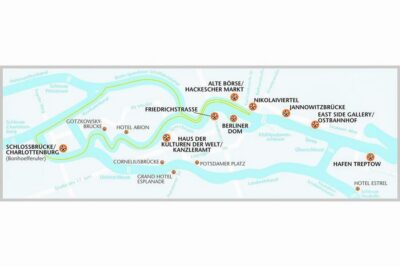
1-Hour City Tour by Boat with Guaranteed Seating
Read our review →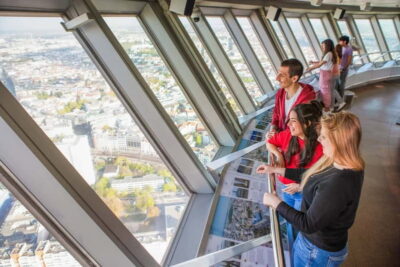

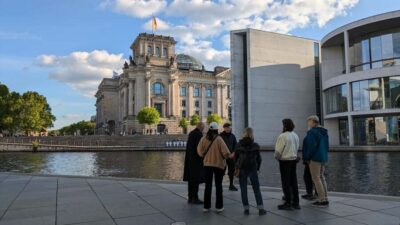
Government District around the Reichstag Guided Tour
Read our review →
Reichstag, Plenary Chamber, Cupola & Government Tour
Read our review →