
Reviewed · 3-HOUR EXPERIENCES
Berlin Reunited and Revived! 3-Hour Alternative Tour
Berlin’s story is written in neighborhoods. This 3-hour walk links the fall of the Wall to today’s street-level Berlin, with stops like Kulturbrauerei and the East Side Gallery. I love how it goes beyond postcard sights and walks you through ordinary life, from apartment blocks to markets. The only real drawback is that, because it is focused and compact, it is not the kind of tour where you linger for long photo breaks.
You’ll hop through four very different areas: Mitte, Prenzlauer Berg, Friedrichshain, and Kreuzberg, each with a clear role in Berlin’s modern identity. I also like the emphasis on the alternative scene and how people deal with rent pressure and corporate change, not just big monuments. If you want a history lecture with major museum stops, you might feel a bit shortchanged in only three hours.
In This Review
- Key things I’d watch for
- A tight 3-hour plan that tells a big Berlin story
- Where the story begins, Mitte after neglect and after the Wall
- Prenzlauer Berg and Kulturbrauerei, art town to family and job growth
- Friedrichshain and Kreuzberg, alternative neighborhoods under pressure
- East Side Gallery, street art as politics on the Wall
- The Turkish Market finale on Landwehr Canal, where Berlin mixes out loud
- Guide energy matters, and this tour tends to nail it
- Price and value for a private group up to 20
- Who should book this, and who might prefer something else
- Should you book this 3-hour Berlin alternative tour?
- FAQ
- How long is the Berlin Reunited and Revived tour?
- What is the price for this tour?
- Is this a private group tour?
- Where does pickup happen, and when should I be ready?
- What areas and landmarks are included?
- What languages are the tours offered in?
- Is the tour wheelchair accessible?
- What should I bring?
- Are food and drinks included?
Key things I’d watch for
- Restored Mitte, where post-Wall change starts at street level
- Prenzlauer Berg’s shift from 90s art hub to families and young professionals
- Kulturbrauerei, an old brewery turned culture-and-arts center
- Friedrichshain and Kreuzberg, where local politics and everyday life collide
- East Side Gallery, street art with political overtones, not just color
- Turkish Market by Landwehr Canal, a lively finale beyond produce
A tight 3-hour plan that tells a big Berlin story
This is the kind of tour that works because it is structured. You start in Mitte, then move to Prenzlauer Berg, then swing into the alternative districts of Friedrichshain and Kreuzberg, before ending at the Turkish Market on the banks of the Landwehr canal. Along the way, you get a clear thread: how Berlin went from divided and neglected to a poor but sexy magnet for culture, commerce, and counterculture.
Because it is a private group up to 20 people, you get the feel of a shared walk, not a cattle-line bus stop. And since there is an English-speaking guide (and German too), you can ask questions when something clicks or doesn’t.
The tour is walking, so wear shoes that can take you through a few neighborhood blocks comfortably. Also note that food and drinks are not included, so plan to grab something after if you work up an appetite.
A few more Berlin walks and trips to compare
- Berlin: Reichstag, Dome and Government District Guided Tour
★ 4.7 · 18,288 reviews - Berlin: 1-Hour City Tour by Boat with Guaranteed Seating
★ 4.3 · 16,993 reviews - Berlin: TV Tower Standard Entrance Ticket
★ 4.4 · 15,883 reviews
Where the story begins, Mitte after neglect and after the Wall
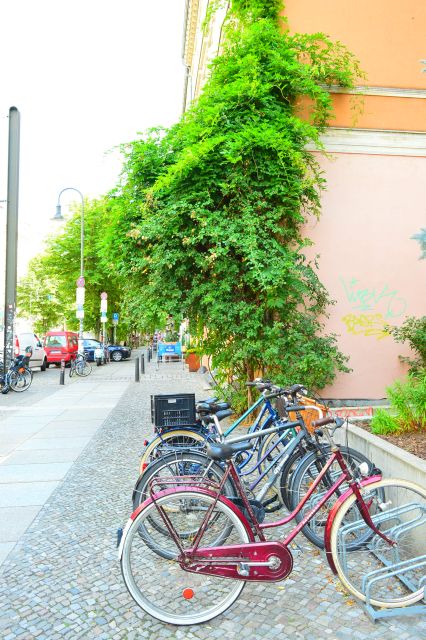
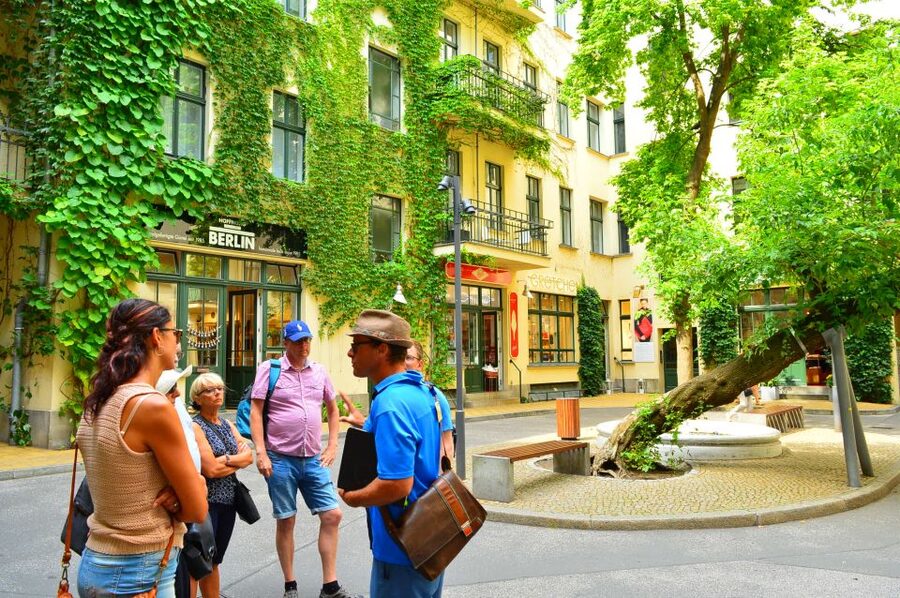
Mitte is a smart starting point because it anchors the whole theme: Berlin’s transformation after the fall of the Berlin Wall. The tour begins with the once neglected buildings in Mitte and how they were restored to something closer to their former glory. That matters because it shows change that is not just political, it is physical, in brick and street corners.
What I like about this start is that it sets your expectations. You are not only sightseeing, you are learning how Berlin’s recovery shows up in the built environment. You also get a gentle rhythm: the guide frames what you see, then you walk to the next neighborhood and watch the story shift.
Practical note: Mitte can feel busy depending on the day. The tour runs Tuesdays and Fridays from April to October, so aim for sensible timing and weather-appropriate clothing, especially if you are visiting with summer heat or sudden spring or fall showers.
Prenzlauer Berg and Kulturbrauerei, art town to family and job growth
Next comes Prenzlauer Berg, described as the artistic hub of Berlin in the 90s. The tour then tracks what happened after that early creative pull: Prenzlauer Berg now attracts an influx of upwardly mobile young professionals and families. That is the key idea you carry through this stop, Berlin as a place where art and ambition often end up in the same rooms.
The highlight here is Kulturbrauerei, an old brewery refurbished into a center for culture and the arts. I like that it is not treated like a standalone attraction. Instead, the guide uses it as a mirror for the broader neighborhood metamorphosis happening across East Berlin.
If you enjoy architectural reuse and repurposed spaces, this is a great moment. Even if you do not think of yourself as an arts person, Kulturbrauerei gives you an easy way to understand how Berlin keeps older structures while changing what they mean.
Friedrichshain and Kreuzberg, alternative neighborhoods under pressure
Then the tour pivots into the alternative districts of Friedrichshain and Kreuzberg. This is where the guide’s framing becomes more political, but in a street-level way. You learn how left-wing residents keep pushing back against attacks from corporate businesses and rent-raising landlords.
That detail is important because it turns “alternative” from a style into a real living issue. You are not just looking at graffiti or hip shops. You are understanding why a neighborhood culture can feel defensive, and why residents may fight to keep control of community life.
This part of the walk is often where the tour feels most real. The areas are shaped by conflict and negotiation, not just trends. If you like conversations that connect land use, money, and identity, you will appreciate this section.
Also, since this is a walking tour, pay attention to how the streets change as you move. The tour is built to make those shifts obvious, block by block.
Same city, a different way to spend the afternoon:
- Berlin: Boat Tour Along the River Spree
★ 4.4 · 11,252 reviews - Discover Berlin Half-Day Walking Tour
★ 5.0 · 9,624 reviews - Berlin: Government District around the Reichstag Guided Tour
★ 4.7 · 8,447 reviews - Berlin: Reichstag, Plenary Chamber, Cupola & Government Tour
★ 4.6 · 8,422 reviews
East Side Gallery, street art as politics on the Wall
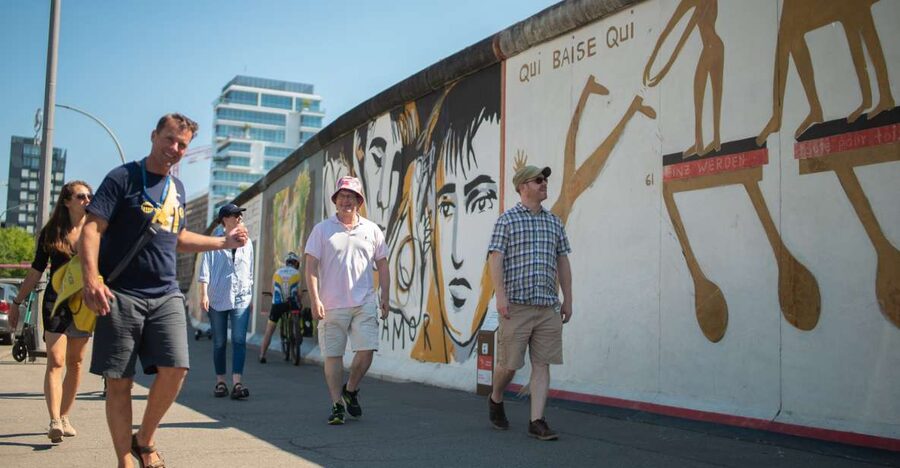
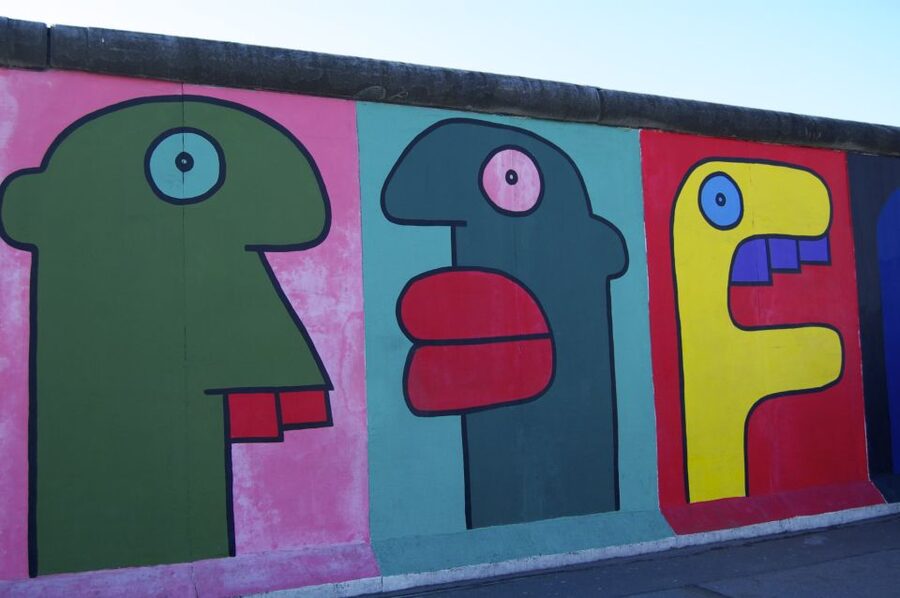
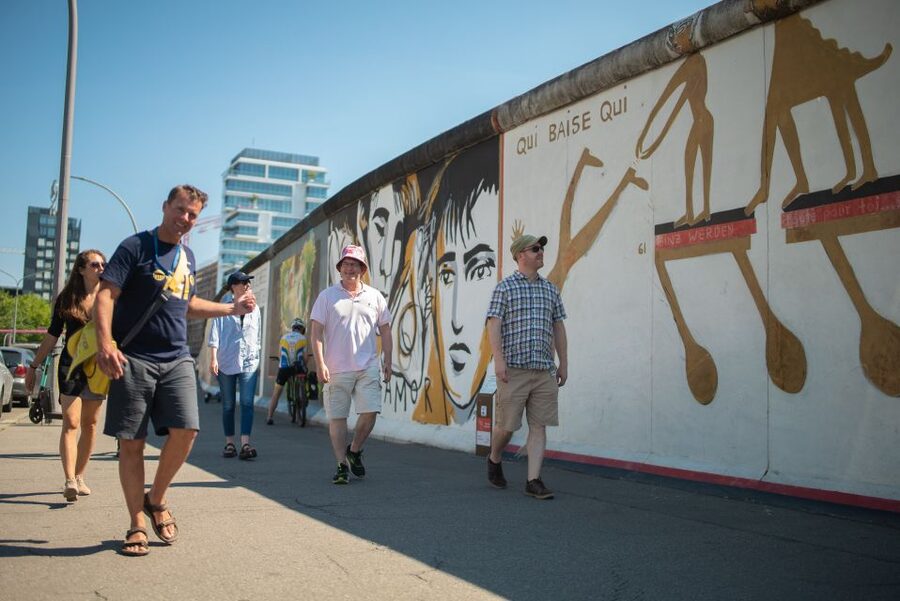
The East Side Gallery stop is both iconic and specific in how it is explained. You get the colorful section of the Berlin Wall that is now the largest open-air gallery in the world, and you also get an explanation of the origins and political overtones of Berlin’s street art scene.
I like that the guide does not treat the murals like decoration. The political layer is part of why Berlin street art matters, even after the Wall became history. You come away understanding that street art here is not only about visual creativity, it has carried messages, arguments, and public opinions for years.
This is a good place to slow down slightly, even if the tour keeps moving. Stand back far enough to read the overall panel layout, then come in closer to spot details. If you are the type who likes pictures, this is where you will get the most usable ones, but still keep your eyes on the story the guide is giving you.
The Turkish Market finale on Landwehr Canal, where Berlin mixes out loud
The tour ends with a crescendo at the Turkish Market, an outdoor bazaar on the banks of the Landwehr canal. The setting already sounds relaxing, but the tour makes it more than a scenic finish. The weekly market has grown beyond fresh produce and authentic Turkish cuisine, and even beyond brightly patterned fabric.
You can also find Berlin artisans, local farmers, and impromptu live music too. The tour’s framing is that this mix represents the city’s diverse population in a way that is not staged for tourists. This finale is a useful reality check, especially if your Berlin so far has been heavy on monuments.
Because the market is the last stop, you can use it two ways. If you are photo-happy, treat it like your end-of-walk visual payoff. If you are more practical, treat it like a chance to decide what you want to eat next, since food and drinks are not included on the tour.
Guide energy matters, and this tour tends to nail it
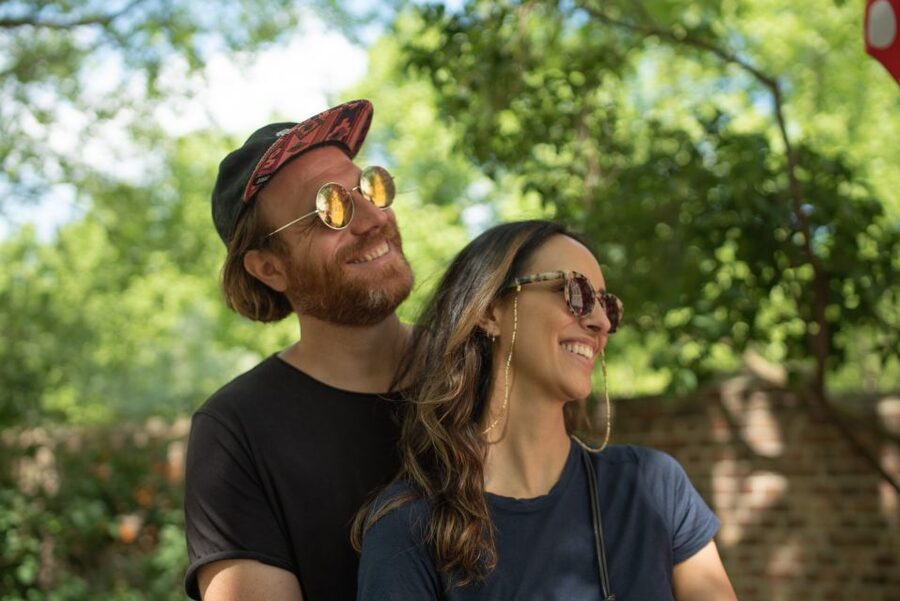
One of the standout strengths here is the guide. Past guides have been praised for being lively, funny, and engaged, with names like Tom, Maria, and JJ showing up in that mix. That is more than personality trivia. A good guide keeps the story from turning into a list of facts, and Berlin’s neighborhood differences really do need storytelling.
If you care about the human factor, you will likely feel it during the walk. The tour is built around contrasts, restored buildings, shifting demographics, and neighborhood activism. Without a guide who can connect those dots quickly, it would just be four separate walks. With the right guide, it lands as one coherent narrative.
Price and value for a private group up to 20
The price is listed as $352 per group up to 20 people for a 3-hour walking tour. That setup is actually the value lever. If you book as a small group, your per-person cost rises, but if you have friends or a few people in your travel bubble, the math gets easier.
Here is the simple way to think about it:
- Divide $352 by the number of people in your group.
- Compare that per-person figure to other guided options you might book for a private neighborhood walk.
Is it “cheap”? Not really. Is it fair if you want a focused, neighborhood-forward alternative tour with a live English-speaking guide? Yes, especially because you get multiple distinct areas in one outing, rather than spending your limited time bouncing between separate bookings.
Also, since food and drinks are not included, you should budget a meal or snack on your own. That is normal for a walking tour, but it does matter for planning.
Who should book this, and who might prefer something else
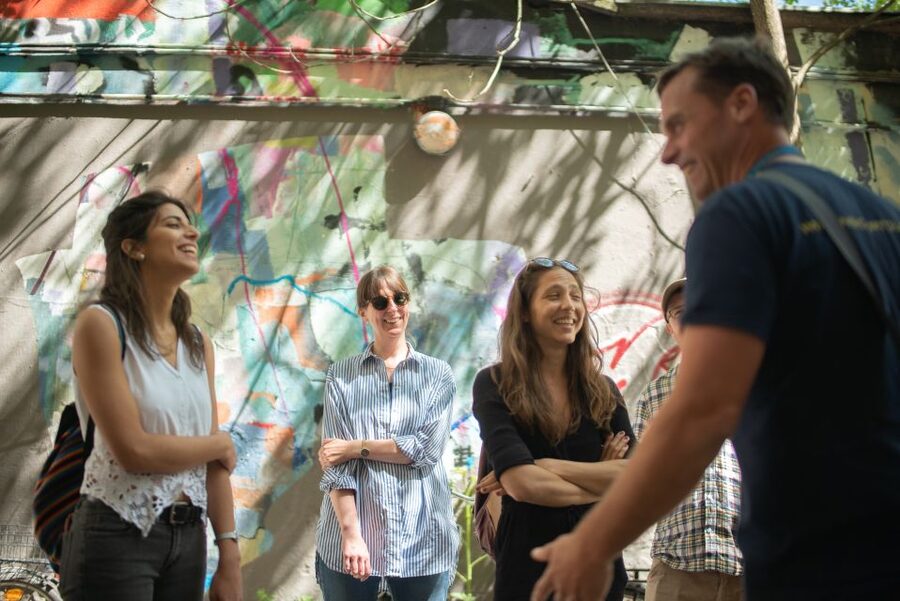
This tour is a strong fit if you want:
- Neighborhood context instead of only landmarks
- A guided look at gentrification and shifting culture
- A mix of restored areas, arts spaces, and alternative districts
- A practical ending with a lively market stop
You might skip it if you:
- Want lots of long stops at major monuments or museums
- Prefer a purely chronological history tour with big-ticket indoor sites
- Are looking for a tour where food is part of the ticket price
If your goal is to get your bearings fast and understand why Berlin looks the way it does now, this is a smart use of three hours.
Should you book this 3-hour Berlin alternative tour?
I’d book it if you like your Berlin guide to be street-level and opinion-aware, not just photo-point aware. The itinerary is built to show how Berlin’s post-Wall recovery, arts culture, and neighborhood activism all run into each other, and the finale at the Turkish Market helps you land on something real and everyday.
Book it if you travel with others and can share the group cost. Skip it if your priority is a long, museum-heavy day, because this one stays compact on purpose.
FAQ
How long is the Berlin Reunited and Revived tour?
It is a 3-hour walking tour.
What is the price for this tour?
The price is $352 per group, up to 20 people.
Is this a private group tour?
Yes, it is a private group.
Where does pickup happen, and when should I be ready?
Pickup is included. Wait in your hotel lobby 5 minutes before your scheduled pickup time, and your guide will be wearing a yellow name tag.
What areas and landmarks are included?
The tour focuses on multiple neighborhoods including Mitte, Prenzlauer Berg, Kreuzberg, and Friedrichshain. It also includes Kulturbrauerei, the East Side Gallery, and it ends at the Turkish Market near the Landwehr canal.
What languages are the tours offered in?
The live tour guide is available in English and German.
Is the tour wheelchair accessible?
Yes, it is wheelchair accessible.
What should I bring?
Bring weather-appropriate clothing.
Are food and drinks included?
No, food and drinks are not included.
Newest Berlin reviews on the site
- Jetbike Berlin fun bike beer bike★ 5.0 · 3 reviews
- Karl-Marx-Allee Walking Tour: Berlin’s Socialist History★ 5.0 · 5 reviews
- Homeless on chic streets: city tour in Berlin from personal experience★ 4.6 · 3 reviews
- Berlin: Sachsenhausen Concentration Camp Guided Tour★ 4.9 · 42 reviews
- Historyof the Trans, Queer & Gay communities of Berlin tour★ 4.8 · 17 reviews
- Historic Berlin Pubs & History Tour★ 4.9 · 73 reviews
- Berlin: City Center Walking Tour★ 4.7 · 45 reviews
- Half-Day Berlin Highlights Segway Expedition★ 4.5 · 61 reviews
3-Hour Experiences, compared.

Munich’s Beer Halls and Breweries: 3-Hour Guided Tour
Read our review →
Browse the lists this tour appears in