
Reviewed · TICKETS
Berlin: Palace of Köpenick Entrance Ticket
A palace on an island can feel worlds away. What I like most is the self-paced way you can wander, plus the focused decorative-arts showcase that spans Renaissance, Baroque, and Rococo styles. A possible drawback is that the ticket does not include an audio guide or a tour guide, so you’ll need to rely on the signage.
Köpenick Palace sits on a manmade island near the old center of Köpenick, about 30 minutes from central Berlin. You go straight to the main entrance, show your mobile or printed voucher, and then you’re free to choose your pace. The upside is real value for a low ticket price, especially if you want a quieter art stop beyond the main Berlin sights.
In This Review
- Key things you’ll notice right away
- Getting to Köpenick Palace from Berlin, and how entry works
- The palace experience: what self-guided entry really means
- RoomArt across three floors: decorative arts from 16th to 18th century
- Basement archaeology: how the island’s story adds meaning
- Kunstgewerbemuseum since 1963: why this setting feels purposeful
- Audio guides and tour guides: the one big thing not included
- Security and comfort: what to consider before you go
- Price and value: why $9 can work for your Berlin day
- Who should book a self-paced Köpenick Palace ticket
- Bottom line: should you book this Köpenick Palace entrance ticket?
- FAQ
- Where is the meeting point for Köpenick Palace?
- How do I enter the museum with my ticket?
- Is an audio guide included in the ticket?
- Is there a tour guide included?
- Can I stay longer than the time on my ticket?
- How long is the ticket valid for?
- What exhibitions can I visit?
- Is the activity refundable?
Key things you’ll notice right away
- Self-paced palace time means you can take breaks and linger without watching the clock
- RoomArt across three floors gives you a clear route through 16th to 18th century interior design
- Renaissance to Rococo focus helps you compare styles without getting lost in a giant museum
- Basement archaeology display connects the palace to the island’s earlier settlement and building history
- Quiet museum vibe is something many people seem to appreciate, when you prefer calmer rooms
Getting to Köpenick Palace from Berlin, and how entry works
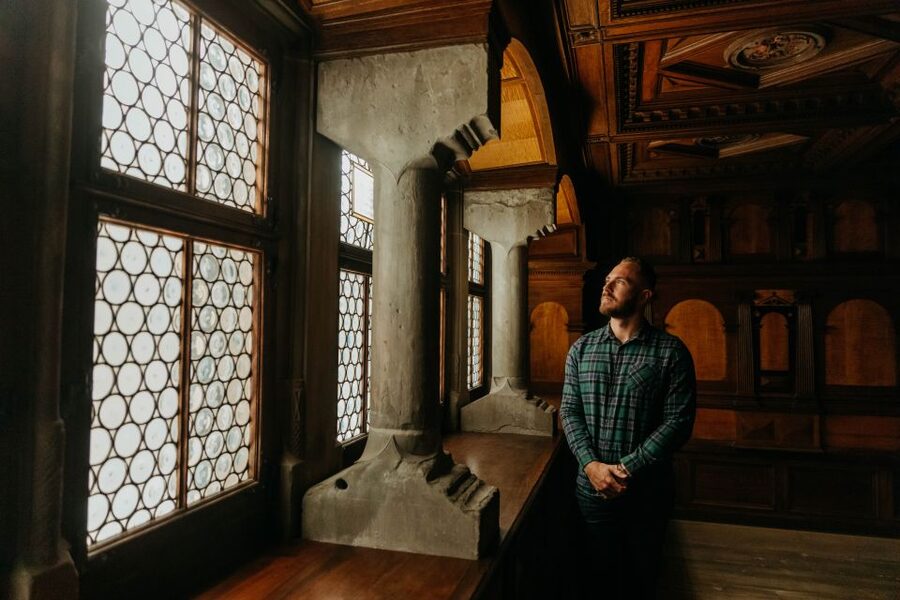
Köpenick Palace is on Schlossinsel 1, right on a manmade island on the outskirts of the old town center of Köpenick. It’s roughly 30 minutes from Berlin, which makes it an easy add-on if you’re already spending time in the city. The setting feels separate from the traffic and crowds, which is a big reason this ticket can be such a pleasant change of pace.
For entry, you meet at the main entrance of the palace. Show your mobile voucher or a printed voucher there, and you’re in. Since there’s no included guide to lead you in, your best move is to arrive a little early and give yourself a few minutes to orient before you start climbing floors.
One practical note: your ticket is valid for 1 day, but you still should go at the time stated on your ticket. After that, you don’t have to rush. The museum visit is open-ended, so you can stay as long as you want once you’re inside.
A few more Berlin walks and trips to compare
- Berlin: Reichstag, Dome and Government District Guided Tour
★ 4.7 · 18,288 reviews - Berlin: 1-Hour City Tour by Boat with Guaranteed Seating
★ 4.3 · 16,993 reviews - Berlin: TV Tower Standard Entrance Ticket
★ 4.4 · 15,883 reviews
The palace experience: what self-guided entry really means
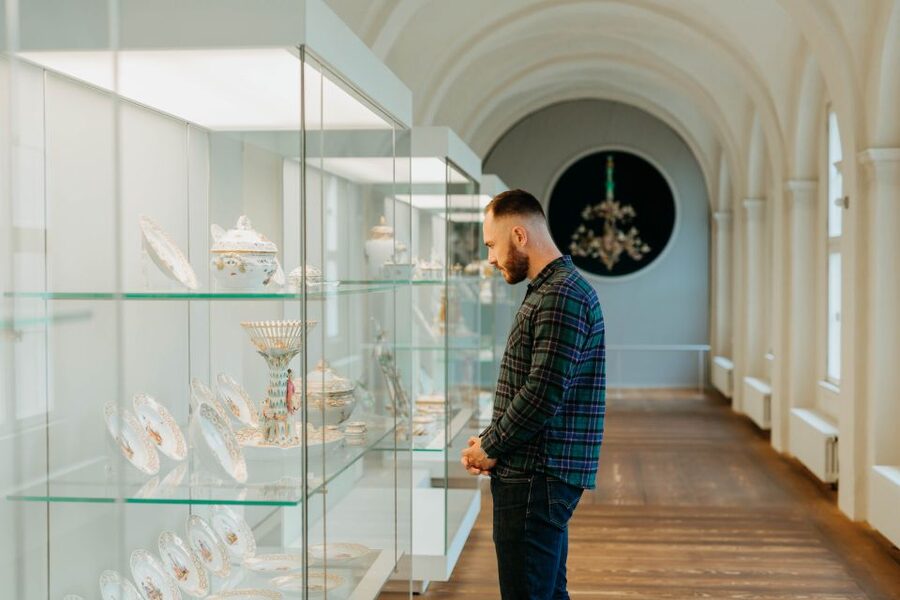
This is not a “show up, listen, and leave” kind of experience. Your ticket is simply admission, and everything else is up to you. I like that format, especially for decorative arts, because you can slow down for details like materials, ornament, and how rooms are composed.
You’ll explore exhibition spaces used by the Kunstgewerbemuseum since 1963. That detail matters because it signals something specific: these rooms were built and adapted as a museum setting for arts and objects, not just treated like an occasional backdrop. In plain terms, the palace layout is meant for looking, comparing, and re-looking, not just passing through.
And since you’re free to pace yourself, you can choose how to spend your energy:
- If you enjoy comparison, move period by period
- If you prefer visual storytelling, follow the interior design themes across rooms
- If you want a quieter route, take the first rooms slowly, then widen your loop
RoomArt across three floors: decorative arts from 16th to 18th century
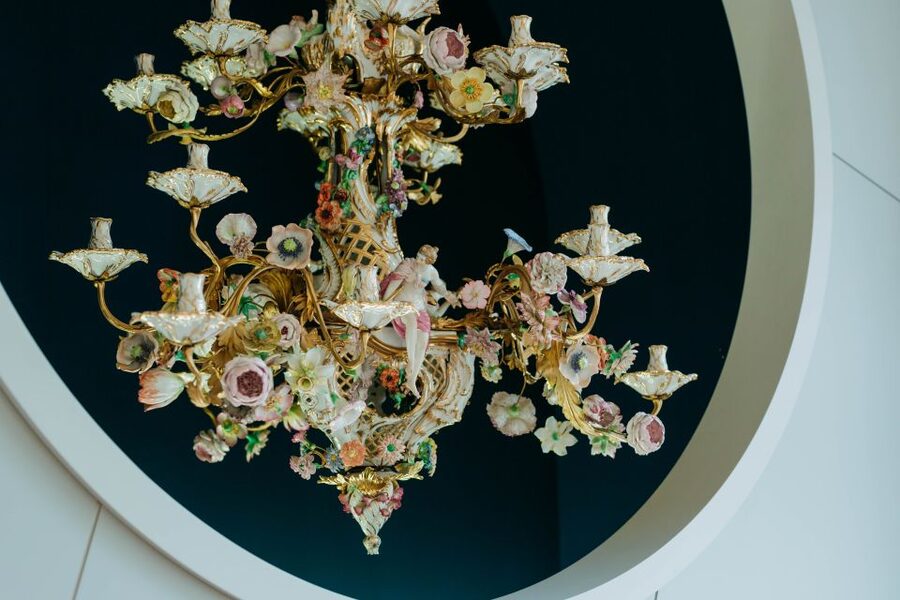
The main attraction here is the RoomArt exhibition, focused on decorative arts from the Renaissance, Baroque, and Rococo periods. It’s designed around interior design and masterwork craftsmanship from the 1500s through the 1700s, so you’re not just looking at art objects in isolation. You’re seeing how decoration, style, and luxury were used to shape a room’s whole mood.
You move through the palace on three floors, which is ideal when you want variety without getting overwhelmed. You get enough vertical progression to feel like you’re covering something substantial, but it stays organized enough that you won’t feel like you need a full-day study session.
What to look for as you go:
- Pay attention to the shift from Renaissance clarity to Baroque drama, and then to Rococo ornament and playfulness (as a concept, not a quiz)
- Notice how decoration changes the perceived “weight” of a room, heavier and more theatrical in some eras, lighter and more intricate in others
- Compare different surfaces and motifs, because decorative arts often tell you more through repetition and technique than through one single piece
If you like taking photos, this is also the kind of place where images can help you remember what you saw on each floor. Just be mindful of any museum rules you spot on site.
Basement archaeology: how the island’s story adds meaning
After the decorative-arts floors, head down to the basement. This section focuses on archaeological findings that document the history of settlement and building on the island of Schloss Köpenick.
That’s a clever pairing with RoomArt. The palace displays what people later chose to build and decorate, while the basement reminds you that the island’s story goes way further back. Even if you’re not an archaeology person, it’s a satisfying “origin story” that gives context to why this location mattered long before any particular art style took over.
The basement is also a nice reset. Your eyes have been handling ornament and detail above, and then you switch gears to find context and evidence. It’s a simple way to keep the visit from feeling one-note.
Same city, a different way to spend the afternoon:
- Berlin: Boat Tour Along the River Spree
★ 4.4 · 11,252 reviews - Discover Berlin Half-Day Walking Tour
★ 5.0 · 9,624 reviews - Berlin: Government District around the Reichstag Guided Tour
★ 4.7 · 8,447 reviews - Berlin: Reichstag, Plenary Chamber, Cupola & Government Tour
★ 4.6 · 8,422 reviews
Kunstgewerbemuseum since 1963: why this setting feels purposeful
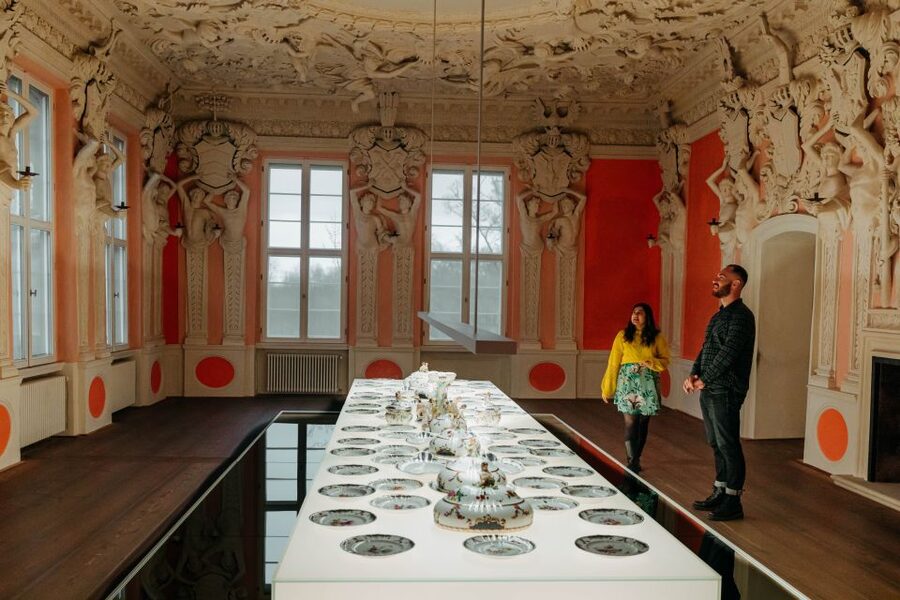
The museum spaces have been used by the Kunstgewerbemuseum since 1963, which helps explain why the exhibitions feel structured for looking. It’s not a temporary pop-up feel, where you worry about whether you’re getting the “real” museum experience.
For you, that typically means:
- Better flow between rooms and exhibition areas
- A stronger focus on arts and objects rather than pure sightseeing
- More calm time spent with the works, since the space is built for the museum mindset
I also appreciate that the visit is stable and self-contained. You’re not hopping between multiple buildings or coordinating complicated logistics. You show up, follow the indoor circuit, then decide whether you want to repeat certain rooms for a second pass.
Audio guides and tour guides: the one big thing not included
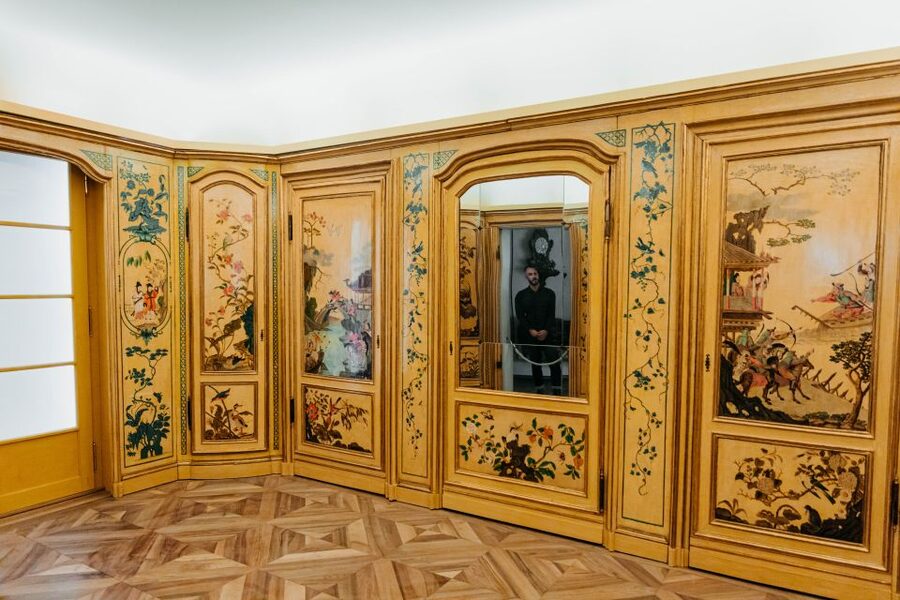
Here’s the key point for your planning: audio guides are not included and there’s no tour guide included in the ticket.
This doesn’t automatically make the visit worse. If you enjoy reading wall labels and looking closely, you’ll be fine. But if you love museums where someone narrates context and points out the “why,” you’ll feel the absence more.
My practical suggestion: come with a small plan for your questions. For example:
- What separates Renaissance, Baroque, and Rococo looks in this room?
- What design choices make the room feel theatrical or playful?
- How do decorative arts reflect what wealthy patrons wanted to signal?
Your phone can also help you quickly translate or look up terms you see in labels, without turning the whole visit into a screen marathon.
Security and comfort: what to consider before you go
A lot of visitors seem to enjoy the quiet side of this place. You may find it calm, which is ideal if you want a museum visit that doesn’t feel like a rush.
At the same time, one very negative note mentioned security behavior, with the person feeling constantly observed and followed. I can’t generalize that experience for everyone, but it’s worth taking seriously if you’re sensitive to close security attention. If you’ve had stressful experiences in museums before, you might want to mentally prepare for the possibility of tight monitoring.
In other words, most people likely get a calm art visit, but nobody benefits from surprises if you already know certain environments make you uneasy.
Price and value: why $9 can work for your Berlin day
At $9 per person, admission feels like strong value for a palace museum outing. You’re not just paying for a quick look at one room. You get access to the RoomArt exhibition across three floors, plus the basement archaeology display. And you’re not locked into a strict duration, since you can stay as long as you wish.
This price point matters if you’re trying to balance a Berlin itinerary. You might be spending more money on the big-ticket attractions downtown. This ticket can act like a calmer, art-forward counterbalance, without blowing your budget.
Who gets the best value from this ticket:
- People who like to explore at their own pace
- Fans of decorative arts, interior design, and historical style changes
- Travelers who want a quieter museum hour away from the busiest Berlin center
- Anyone who likes mixing art with a bit of place-based history
If you’re only looking for the single most famous landmark experience, you might find this a little more niche. But if you want something specific and well focused, the value is hard to ignore.
Who should book a self-paced Köpenick Palace ticket
This ticket is a good match if you want to:
- Spend time with Renaissance, Baroque, and Rococo decorative arts without a rigid schedule
- See a palace museum that feels set up for looking, not just walking
- Add a low-cost, high-comfort museum stop to a busy Berlin trip
It’s also a good choice for solo travelers, since you won’t be waiting for a group or syncing with a guide. Couples can do well here too, because self-guided visits let each person focus on what they care about, then you compare notes later.
If you strongly prefer guided storytelling or want audio accompaniment, then you’ll probably want to bring your own momentum. The ticket gives you access and freedom, not narration.
Bottom line: should you book this Köpenick Palace entrance ticket?
If you’re looking for a calm, budget-friendly museum visit with real focus on decorative arts and interior design, I’d book this. The self-paced setup plus three floors of RoomArt, along with the basement archaeology exhibit, gives you a lot of museum time for a small ticket price.
Skip it only if you know you need an included guide or audio track to enjoy museums. In that case, you might feel under-supported once you’re standing in front of the rooms.
Either way, plan to bring patience for reading and looking, because this is the kind of experience where the details reward you the most.
FAQ
Where is the meeting point for Köpenick Palace?
The meeting point is the main entrance of Köpenick Palace, Schlossinsel 1, 12557 Berlin, Germany.
How do I enter the museum with my ticket?
You go directly to the palace’s main entrance and show your mobile or printed voucher to access the museum.
Is an audio guide included in the ticket?
No. An audio guide is not included in the price.
Is there a tour guide included?
No. A tour guide is not included.
Can I stay longer than the time on my ticket?
Yes. You need to visit at the time stated on your ticket, but you can stay as long as you wish at the museum.
How long is the ticket valid for?
The ticket is valid for 1 day.
What exhibitions can I visit?
You can explore the RoomArt exhibition focused on decorative arts from the Renaissance, Baroque, and Rococo periods, plus an archaeology exhibition in the basement about settlement and building on the island of Schloss Köpenick.
Is the activity refundable?
No. The activity is non-refundable.
Newest Berlin reviews on the site
- Jetbike Berlin fun bike beer bike★ 5.0 · 3 reviews
- Karl-Marx-Allee Walking Tour: Berlin’s Socialist History★ 5.0 · 5 reviews
- Homeless on chic streets: city tour in Berlin from personal experience★ 4.6 · 3 reviews
- Berlin: Sachsenhausen Concentration Camp Guided Tour★ 4.9 · 42 reviews
- Historyof the Trans, Queer & Gay communities of Berlin tour★ 4.8 · 17 reviews
- Historic Berlin Pubs & History Tour★ 4.9 · 73 reviews
- Berlin: City Center Walking Tour★ 4.7 · 45 reviews
- Half-Day Berlin Highlights Segway Expedition★ 4.5 · 61 reviews
Tickets, compared.




Munich Hop-On Hop-Off Tour: 1-Day or 2-Day Ticket
Read our review →