Reviewed · BERLIN TOURS
Berlin: David Bowie in 1970s West-Berlin
Bowie left fingerprints on West Berlin. I love the Hansa Studios photo moment and the fact that you can see David Bowie’s Berlin home as part of a story that actually explains his creative turn.
The tour is tightly focused on Bowie and the West-Berlin places tied to his music, so if you only want general sightseeing, you might feel a little boxed in. You also need to plan for no included food or drinks.
In This Review
- Key things to love about this Bowie in 1970s West-Berlin tour
- Why 1970s West-Berlin changed Bowie’s sound
- Starting at Martin Gropius Bau, and why the opening matters
- Potsdamer Platz and City West, the modern anchor points for Bowie
- Hansa Studios, where the sound becomes real
- KaDeWe, Dschungel, and Chez Romy Haag, nightlife you can map
- The bus ride and outside Bowie’s Berlin home
- Martin Sauter’s guiding style, and why it works in a 3-hour format
- Value and price, is $288 per person worth it
- What to expect on the ground, and how to prepare
- Who should book this Bowie in West-Berlin tour
- Should you book it
- FAQ
- How long is the tour?
- How much does it cost?
- Where does the tour take place?
- Is this a private group tour?
- What languages are available?
- Where do we meet the guide?
- Is hotel pickup included?
- Are food and drinks included?
- Can I cancel for a full refund?
- Do I have to pay right away?
Key things to love about this Bowie in 1970s West-Berlin tour
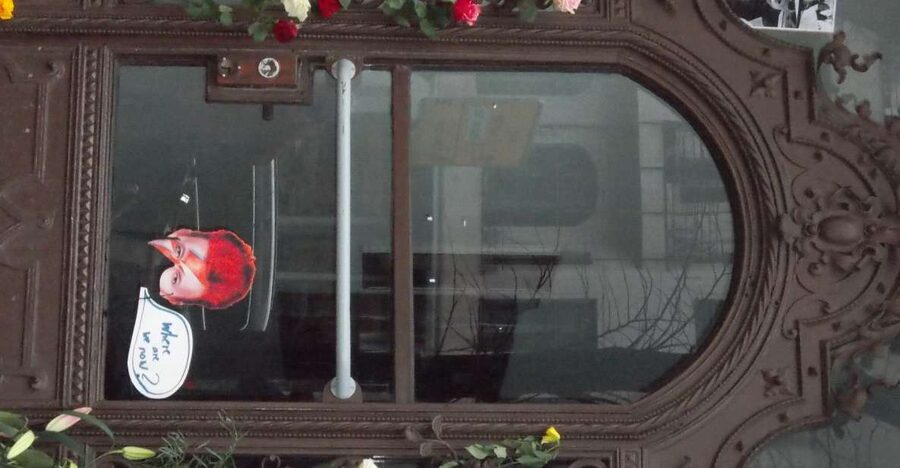
- Stand right in front of Hansa Studios, tied to the sound Bowie and his circle were chasing
- Follow Bowie’s West-Berlin years (1976 to 1978), including the wait for his own flat
- Walk the City West corridor near Potsdamer Platz and KaDeWe, where modern Bowie references still land
- Visit former nightlife landmarks linked to places like Dschungel and Chez Romy Haag
- End outside Bowie’s Berlin home after a short bus ride so you can linger a bit
- Go private with Martin, a guide who keeps it lively and adapts to your group
Why 1970s West-Berlin changed Bowie’s sound

This is the kind of Bowie tour where you learn more than trivia. You get the “why” behind the move, and that matters, because West-Berlin in the 1970s was not just a backdrop. It was a creative pressure cooker.
Bowie had already been living in motion, but once he chose to settle in West-Berlin, the city started feeding his work in a very specific way. One of the big threads is his fascination with emerging electronic sound, and how Düsseldorf and West-Berlin pushed that future direction. As you walk and stop, the guide ties real places to real musical moods, not just dates on a timeline.
It also helps that the tour doesn’t treat Bowie like a statue. You hear how the search for inspiration worked day to day, including the period before he had his own place. That context makes the famous tracks feel less like random hits and more like Berlin in music form.
A few more Berlin walks and trips to compare
- Berlin: Reichstag, Dome and Government District Guided Tour
★ 4.7 · 18,288 reviews - Berlin: 1-Hour City Tour by Boat with Guaranteed Seating
★ 4.3 · 16,993 reviews - Berlin: TV Tower Standard Entrance Ticket
★ 4.4 · 15,883 reviews
Starting at Martin Gropius Bau, and why the opening matters
You begin at Martin Gropius Bau, a big cultural landmark on your route. In 2014 it hosted a legendary David Bowie exhibition, and even if you are not thinking about that show specifically, the building sets the tone: this is not only about cool street photos, it’s about looking at Bowie through a Berlin lens.
What I like about starting here is that it trains your brain before you hit the street. You start with the story of why Bowie left his earlier life behind, and how the move to West-Berlin had more than one reason. The tour doesn’t rush past that. It gives you the creative map you’ll need later, especially once you start connecting names, neighborhoods, and sound.
If you like tours where your guide explains the “logic,” this opening sets you up well. If you prefer your info minimal and visual only, you may still enjoy the pacing, since the tour keeps sending you back outside to see places as the story unfolds.
Potsdamer Platz and City West, the modern anchor points for Bowie
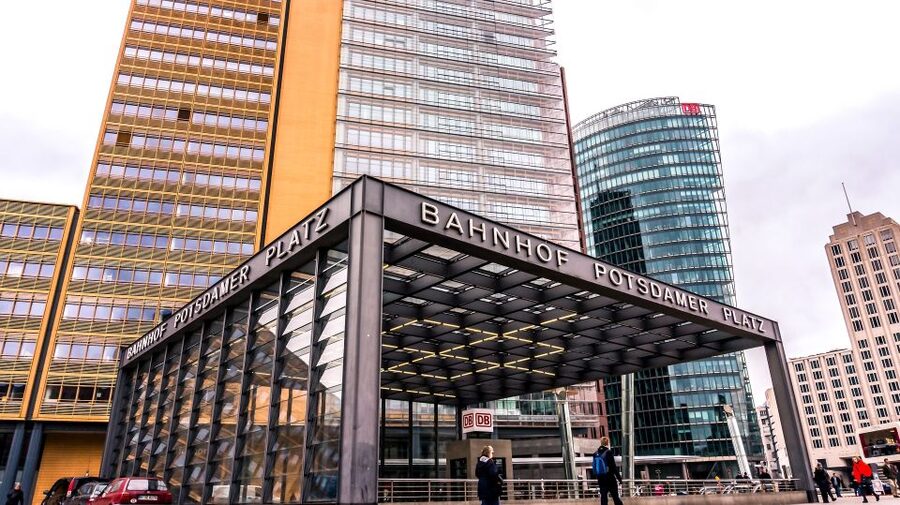
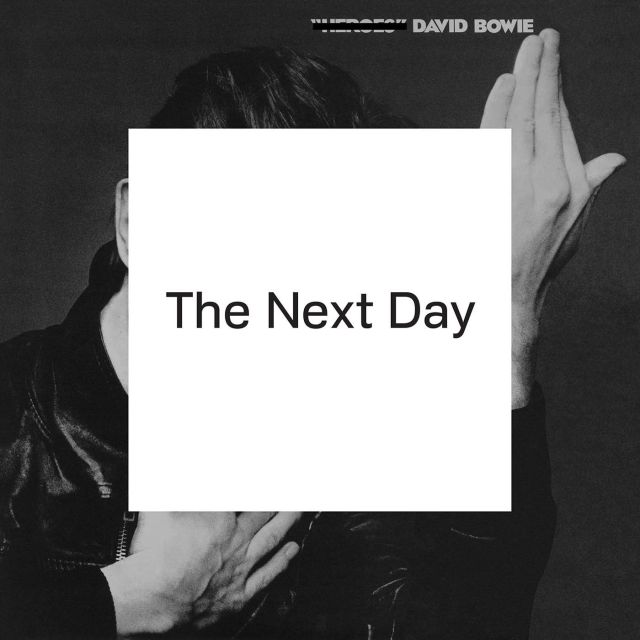
From Gropius Bau, the route turns toward the center of West-Berlin imagination: Potsdamer Platz. Even today, that area reads like a pivot point between old and new Berlin. For Bowie fans, it also connects to his later work, including a reference in Where Are We Now (2012), which gives you a neat “future echo” while you’re standing in the present.
As you move through City West, you pass landmarks such as KaDeWe, a longtime shopping icon. You may not associate a department store with Bowie at first. That’s exactly why this stop is useful. The guide uses everyday West-Berlin geography to show that Bowie’s world was not only clubs and studios. It was also the everyday streets and landmarks that shaped where ideas landed and where people met.
This is also where you get the tour’s walking rhythm. You’re not just sprinting between points. You’re getting short story beats tied to what you are actually seeing, so the city stops feeling like a checklist.
Hansa Studios, where the sound becomes real
Then comes the main photo-and-story anchor: Hansa Studios. Stopping in front of the studio is a small moment that feels big, because studios are where myths become mechanical. You see the place, and the guide explains how Bowie’s Berlin period connected with a wider push toward new sounds.
The tour’s angle on music is practical. It keeps coming back to electronic experimentation and to the cross-currents between West-Berlin and other creative hubs. This is where those earlier ideas click: Bowie was not only collecting fashion or adopting a mood. He was actively chasing inspiration, and the city’s musical direction was part of that fuel.
I especially like how the guide ties Bowie’s Berlin choices to the broader scene, including connections to Tangerine Dream. You hear that Bowie, before he found his own flat, was offered a place to stay in Edgar Froese’s apartment. That detail changes the whole feel of the tour. Instead of picturing Bowie as always being in control, you picture him arriving, listening, borrowing a room, and letting Berlin work on him.
One possible drawback to keep in mind: because the focus is so Bowie-specific, the Hansa Studios stop is more story-driven than “sound engineering” driven. If you want technical studio history only, this may not be your style. If you want Bowie, Berlin, and the creative logic, it fits perfectly.
Same city, a different way to spend the afternoon:
- Berlin: Boat Tour Along the River Spree
★ 4.4 · 11,252 reviews - Discover Berlin Half-Day Walking Tour
★ 5.0 · 9,624 reviews - Berlin: Government District around the Reichstag Guided Tour
★ 4.7 · 8,447 reviews - Berlin: Reichstag, Plenary Chamber, Cupola & Government Tour
★ 4.6 · 8,422 reviews
KaDeWe, Dschungel, and Chez Romy Haag, nightlife you can map
Next, you shift from studios to nightlife landmarks. You’ll pass by former locations associated with places like the Dschungel and Chez Romy Haag. These are the kinds of spots that don’t exist in your mind as landmarks the way a palace does, so hearing how they fit into Bowie’s West-Berlin routine is the whole point.
What’s valuable here is that the guide helps you understand how nightlife is more than loud entertainment. Clubs and hangouts in that era were where scenes formed and styles hardened. When Bowie listened and learned and recruited energy from the street, these were the kinds of places that gave the city its pulse.
The tour also brings in the “sound and lyric” connection. You hear about songs shaped by his time in West-Berlin, including tracks like Boys Keep Swinging, Yassassin, and Neuköln. The guide even notes that Bowie deliberately misspelled Neuköln, which is the kind of tiny detail that makes the music feel personal rather than generic.
If you enjoy tours that connect art to specific hangouts, this section is a highlight. If you don’t care about clubs, you may wish there were more time at major Berlin monuments instead. The guide keeps things tight, but the story stays interesting.
The bus ride and outside Bowie’s Berlin home
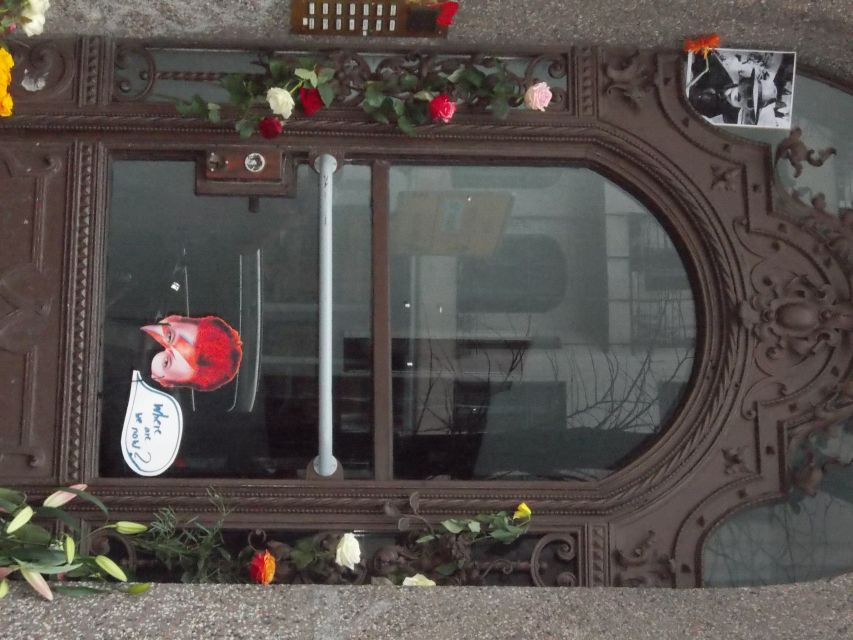
After the street portion, you board a bus to reach David Bowie’s Berlin home, and the tour ends outside. That ending matters. Seeing his home from the outside gives the story a grounded, human finish. You’ve spent hours tracing influences and scenes, and then you land on a real address type of endpoint.
Also, the bus ride helps the pacing. You get more distance covered without turning the tour into a marathon. At the same time, you’re not losing the street-level feel, because the major stops before the bus are all walkable, photo-friendly points.
This final leg is where you can slow your thinking down. The guide has likely already stitched together the “Berlin mark” theme, including Bowie’s famous “Heroes” connection to the city. Ending outside his home gives you a place to mentally file that theme away. The city stops being abstract.
One tip if you want the most from this ending: take a moment to reread the story in your head. You’re not just taking a picture, you are matching Bowie’s sound to his life choices.
Martin Sauter’s guiding style, and why it works in a 3-hour format
This tour is led by Martin Sauter (with the guide referred to as Martin). The best thing about his approach is that it’s not only information heavy. It’s also warm and easy to follow, with humor and a teaching style that keeps the group moving.
You’ll likely notice that Martin doesn’t treat a private group like a small classroom. Reviews describe the feeling as like exploring Bowie’s path with someone who knows both the artist and the city. That matters because this tour needs both angles. Bowie fans want the music references. Berlin lovers want the neighborhood reality.
The 3-hour length is also a sweet spot. It’s long enough to cover multiple West-Berlin zones and major Bowie anchors, but short enough that you don’t lose the thread. The guide seems comfortable adjusting the pace for the group, which is a big deal for private tours where everyone’s interests can differ.
So if you like a guide who explains and responds, this is a strong match.
Value and price, is $288 per person worth it
At $288 per person for 3 hours, this isn’t a budget walking tour. You’re paying for a private-group experience plus a guide who connects specific West-Berlin places to specific Bowie creative choices.
Here’s how I think about value on tours like this:
- Private group time changes everything. You are not sharing the guide with a crowd that interrupts your question and your pace.
- Place specificity matters. You are stopping at named anchors like Hansa Studios and ending outside Bowie’s home, not just passing “Bowie-related” street vibes.
- Story structure matters too. The tour explains why Bowie moved to West-Berlin, how electronic sound fit in, and what scenes like Dschungel and Chez Romy Haag meant.
The main cost-to-expectation mismatch risk is that the tour has no food and drinks included. If you do it around a meal time, you might feel hungry before the end. On the other hand, that also keeps the focus on walking, viewpoints, and bus hops rather than turning into a long sit-down.
If you are a Bowie fan and you like context with your photos, the price starts to look reasonable. If Bowie is just a background interest for you, you might feel like you paid more for a niche theme.
What to expect on the ground, and how to prepare
Plan for a classic Berlin style of movement: a mix of walking and a short bus ride. You’ll cover multiple areas, including City West and points tied to Potsdamer Platz and KaDeWe.
Meeting up is simple. Your guide will be holding a David Bowie album, book, or CD, so you can spot them without guesswork.
You can also ask for hotel pickup if desired, which can make a big difference in a city like Berlin where neighborhoods are spread out. If you don’t request it, you’ll still have an easy meeting point.
Language is flexible. The live guide offers English, French, and German, which is useful if your group has mixed comfort levels.
One practical note: because food is not included, I’d treat this like a sightseeing event, not a half-day meal plan. If you want the best energy, eat beforehand and keep water handy.
Who should book this Bowie in West-Berlin tour
This tour fits best if you’re at least somewhat committed to Bowie’s Berlin era. You should enjoy:
- connecting lyrics and songwriting choices to real neighborhoods
- standing outside famous places and hearing the story behind them
- a guide who blends music context with place-based Berlin detail
It also works for Berlin-minded travelers who like culture more than postcard sightseeing. The tour teaches you how a city can shape an artist, and how that artist changes how you see the city afterward.
If you want only must-see Berlin monuments, this might feel narrow. But if you’re curious about why Bowie landed in West-Berlin and how the city shaped his sound, you’ll probably have a great time.
Should you book it
I think you should book this tour if Bowie in West-Berlin is on your must-do list and you want your photos backed by real context. The combination of Hansa Studios, nightlife landmarks like Dschungel and Chez Romy Haag, and the ending outside David Bowie’s Berlin home creates a route that feels like a story, not a shuffle of stops.
Just go in with the right expectations. It is 3 hours, it is Bowie-focused, and it does not include food. If that works for you, this is a very strong private way to experience a specific slice of Berlin that still echoes in Bowie’s music.
FAQ
How long is the tour?
The tour duration is 3 hours.
How much does it cost?
The price is listed as $288 per person.
Where does the tour take place?
The tour takes place in Berlin, Germany.
Is this a private group tour?
Yes. The tour is described as a private group.
What languages are available?
The live guide is available in English, French, and German.
Where do we meet the guide?
Your guide will be holding a David Bowie album, book, or CD.
Is hotel pickup included?
Hotel pickup is available if desired.
Are food and drinks included?
No. Food and drinks are not included.
Can I cancel for a full refund?
You can cancel up to 24 hours in advance for a full refund.
Do I have to pay right away?
No. You can reserve now and pay later.
Newest Berlin reviews on the site
- Jetbike Berlin fun bike beer bike★ 5.0 · 3 reviews
- Karl-Marx-Allee Walking Tour: Berlin’s Socialist History★ 5.0 · 5 reviews
- Homeless on chic streets: city tour in Berlin from personal experience★ 4.6 · 3 reviews
- Berlin: Sachsenhausen Concentration Camp Guided Tour★ 4.9 · 42 reviews
- Historyof the Trans, Queer & Gay communities of Berlin tour★ 4.8 · 17 reviews
- Historic Berlin Pubs & History Tour★ 4.9 · 73 reviews
- Berlin: City Center Walking Tour★ 4.7 · 45 reviews
- Half-Day Berlin Highlights Segway Expedition★ 4.5 · 61 reviews
Berlin Tours, compared.

Reichstag, Dome and Government District Guided Tour
Read our review →
1-Hour City Tour by Boat with Guaranteed Seating
Read our review →

Government District around the Reichstag Guided Tour
Read our review →
Reichstag, Plenary Chamber, Cupola & Government Tour
Read our review →