Reviewed · TICKETS
Berlin: DARK MATTER Experience KOLLEKTION Entry Ticket
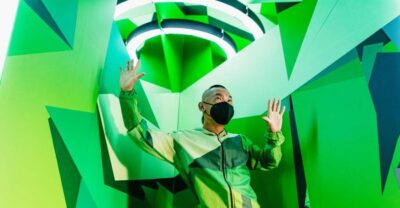
Light turns into art you can feel. DARK MATTER is a one-hour, pitch-black factory-style exhibition where light, movement, and sound work together in changing “chapters” you walk through. You get part way into the action, not just a passive look.
I especially like how the show mixes hypnotic visuals with music and bass so your body starts reacting before your brain labels it. I also love the pacing, because it moves from intimate light moments to room-encompassing audiovisual scenes, including interactive walk-in structures.
One thing to consider: it uses flashing lights, and it is not suitable for people with epilepsy. Also, it can feel a bit subjective, so if you hate modern, tech-and-light art, you might not connect with every room.
In This Review
- Key takeaways before you go
- What DARK MATTER in Berlin actually feels like
- Your one-hour route through pitch-black rooms (and how to enjoy each “chapter”)
- 1) The opening: intimate, controlled light moments
- 2) Interactive walk-in structures
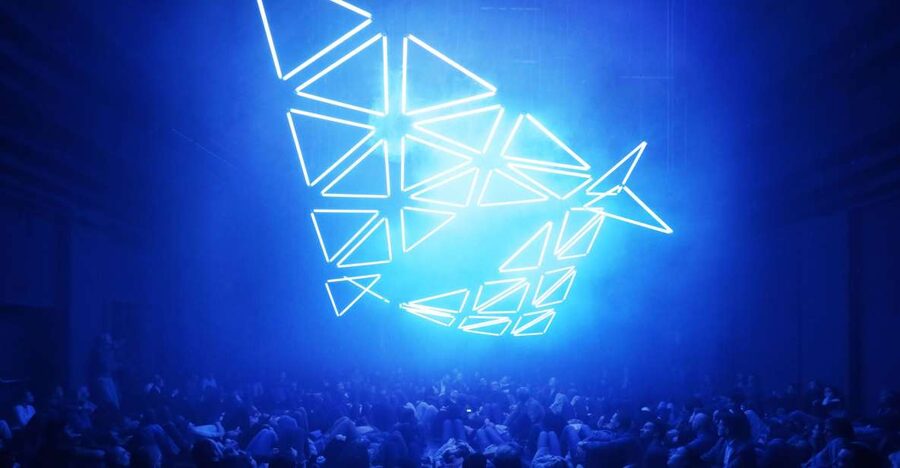
- 3) Room-encompassing audiovisual performances
- 4) Standout room vibes people reference: Grid, Ladder, Bonfire
- A key enjoyment strategy
- Sound design is half the show here
- Flashing lights and epilepsy: the big safety reality
- Getting there from central Berlin: distance and transit timing
- Ticket value: is $26 worth it?
- Who should book DARK MATTER (and who should not)
- Small logistics that make a difference once you’re inside
- Should you book DARK MATTER in Berlin?
- FAQ
- How long is the DARK MATTER experience in Berlin?
- Where do I meet to start the experience?
- How much does an entry ticket cost?
- Is DARK MATTER wheelchair accessible?
- Are flashing lights part of the experience?
- Is this experience suitable for people with epilepsy?
- Are luggage or large bags allowed?
- Are pets allowed inside?
- Can I smoke indoors?
- Can I cancel for a refund?
Key takeaways before you go
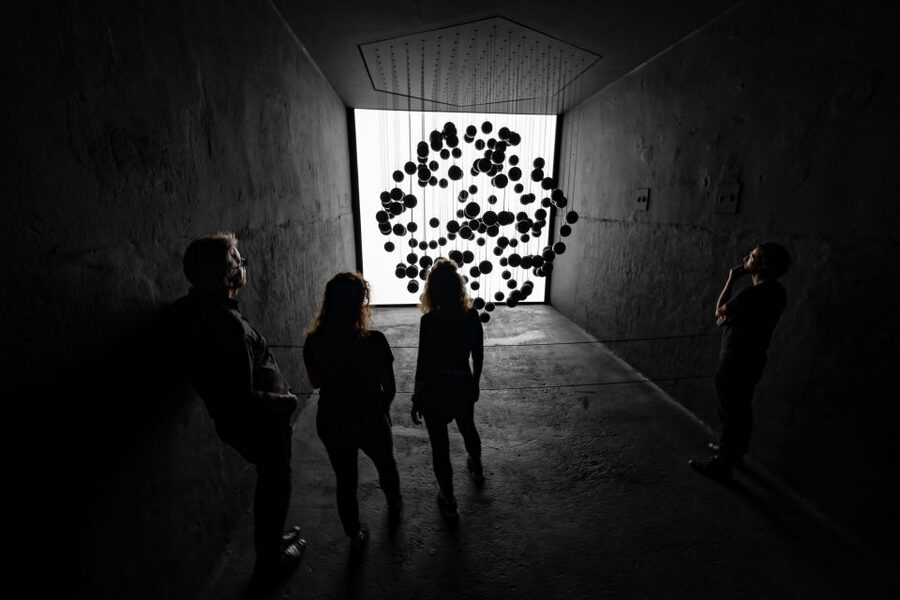
- Seven chapters in darkness: A structured route that changes mood as you go.
- 1,000 square meters of projection and installation space: Plenty of room to wander without it feeling tiny.
- Interactive, not just observational: You can partly move with certain objects and walk-in forms.
- Sound and bass matter here: Audio is part of the choreography, not background noise.
- Later rooms often land harder: Many people rate the 6th and 7th chapters as favorites.
- Know the lighting rules: Flashing lights are part of the show, so plan accordingly.
What DARK MATTER in Berlin actually feels like
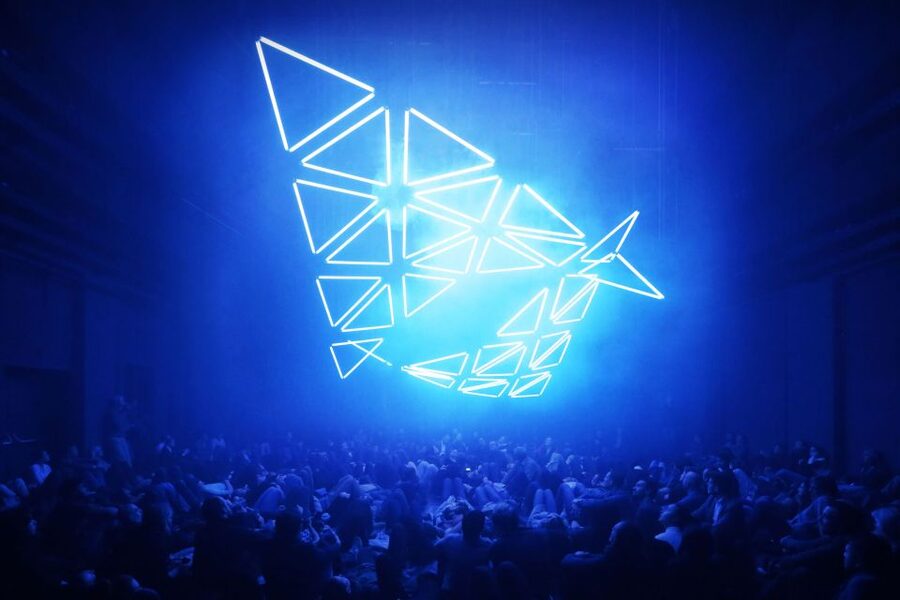
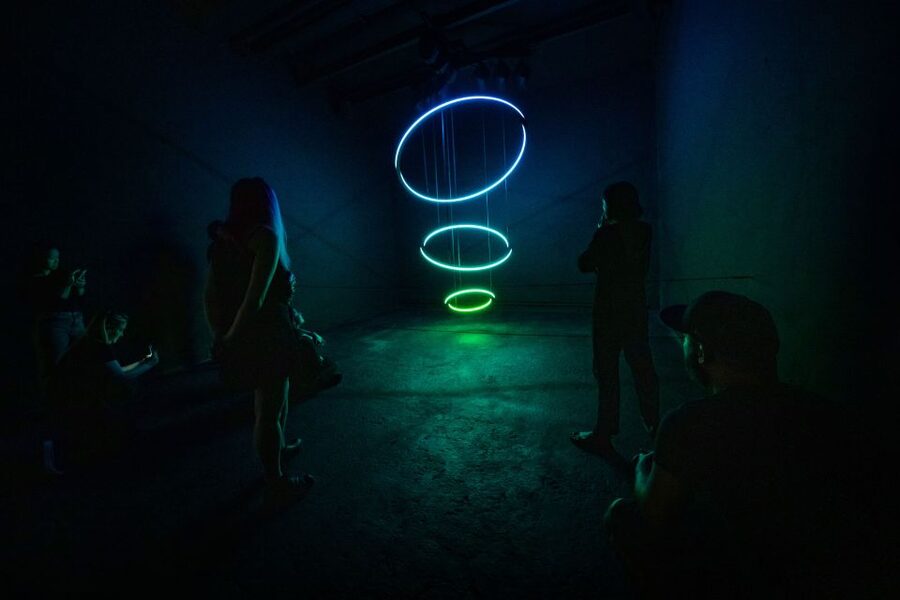
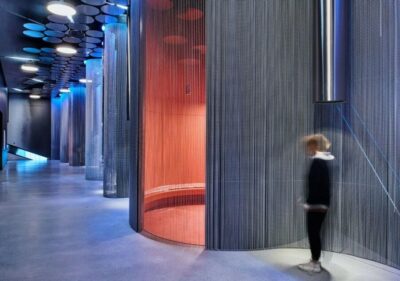
Think of DARK MATTER as a light-and-sound performance that happens around your body. You enter a converted factory space, then you’re guided through seven artworks in rooms designed to go pitch-black. Instead of white walls and labeled exhibits, you’re in a controlled sensory environment where light appears, shifts, and sometimes seems to move with you.
The concept is simple: light, motion, and sound merge into expressive choreographies. In practice, that means you’re watching shapes become patterns, and you’re also hearing rhythm and bass that push the visuals forward. One moment feels meditative, the next feels playful or more physical. Several people describe it as relaxing and even “spiritual” in a personal, non-religious way, which makes sense. When the environment shuts off normal distractions, your attention narrows naturally.
This is not an art museum where you “read” the work. It’s more like guided attention. You can interpret it as science, design, emotion, or just enjoy the effects. That flexibility is part of the appeal.
A few more Berlin walks and trips to compare
- Berlin: Reichstag, Dome and Government District Guided Tour
★ 4.7 · 18,288 reviews - Berlin: 1-Hour City Tour by Boat with Guaranteed Seating
★ 4.3 · 16,993 reviews - Berlin: TV Tower Standard Entrance Ticket
★ 4.4 · 15,883 reviews
Your one-hour route through pitch-black rooms (and how to enjoy each “chapter”)
You have about 1 hour for the experience, which is a good length for this style of immersive art. Long enough to build momentum, short enough that you’re not stuck somewhere you do not like.
You’ll move through seven stages that tend to follow a similar progression people talk about:
1) The opening: intimate, controlled light moments
Early rooms often feel precise and quiet in feel. Expect light compositions that look almost delicate, like they’re designed for close attention. This is where you learn the exhibition’s rhythm. If you’re easily distracted in loud spaces, start by walking slower than feels necessary. The early scenes reward patience.
2) Interactive walk-in structures
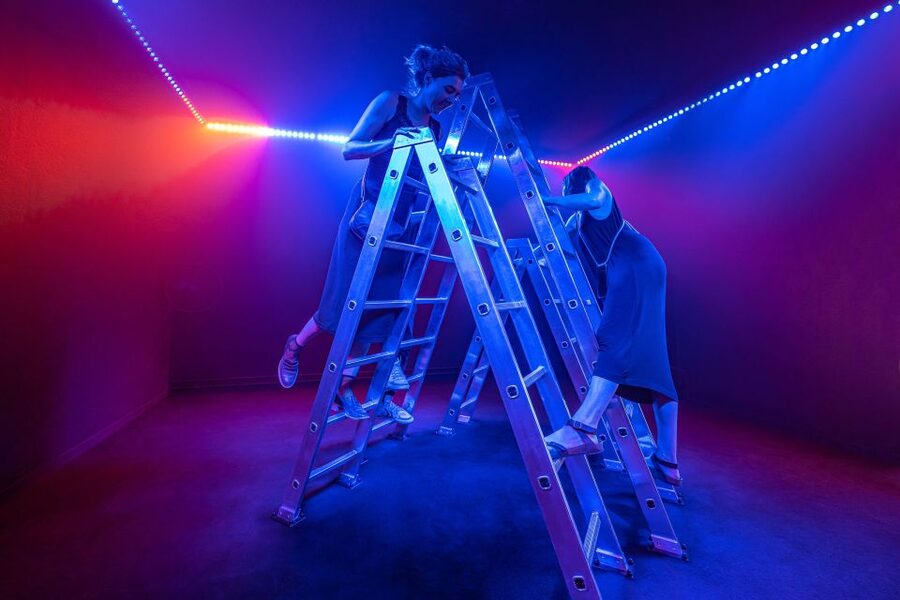
Partway through, the show shifts toward things you can partly enter or engage with. People mention enjoying the interactive elements because they turn you from spectator into participant. Even when you’re not controlling anything directly, your position changes what you see.
Practical tip: take your time in these parts. If you rush, you’ll miss how the installations react to presence and movement, even subtly.
Same city, a different way to spend the afternoon:
- Berlin: Boat Tour Along the River Spree
★ 4.4 · 11,252 reviews - Discover Berlin Half-Day Walking Tour
★ 5.0 · 9,624 reviews - Berlin: Government District around the Reichstag Guided Tour
★ 4.7 · 8,447 reviews - Berlin: Reichstag, Plenary Chamber, Cupola & Government Tour
★ 4.6 · 8,422 reviews
3) Room-encompassing audiovisual performances
Later scenes get bigger. Reviews repeatedly mention the combination of sounds, lights, and basses working together, which fits how the show builds intensity. These rooms can feel more enveloping, like the music has physical weight.
This is also where the “wow” factor tends to peak for many people, especially in the later chapters. One person specifically calls out the 6th and 7th rooms as favorites, and another says the later exhibits are more fun. That tracks with how the show is likely structured for maximum payoff.
4) Standout room vibes people reference: Grid, Ladder, Bonfire
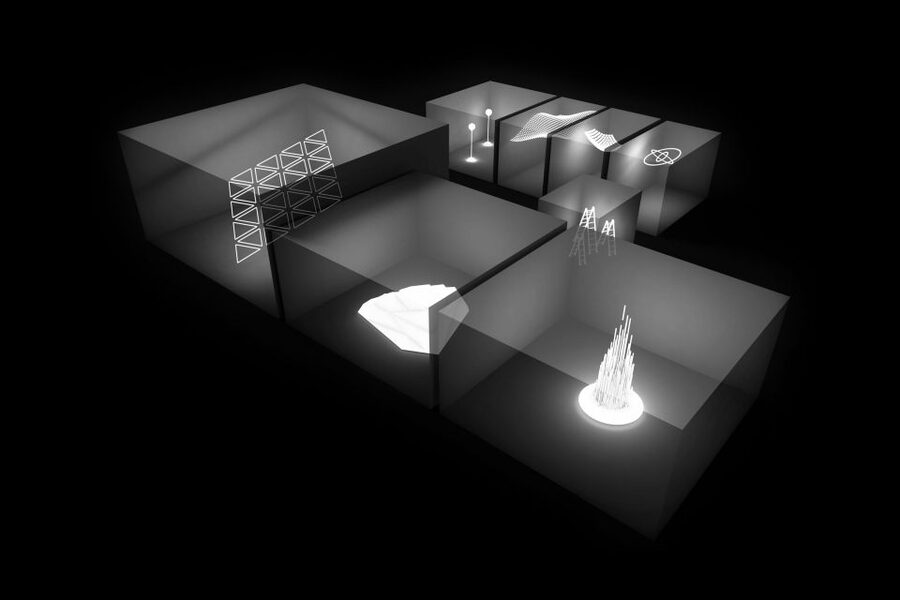
While the full chapter titles aren’t listed in the info I have, the reviews do mention certain rooms by name and description:
- Grid and The Ladder: People name these as favorites, often for their clever design and visual satisfaction.
- Bonfire room: One reviewer describes it as pretty, with music and noises that make it feel like an actual campfire.
Those names are useful because they hint at variety. The show isn’t just one style of effect repeated seven times. You’ll get different kinds of experiences: geometric, structural, and atmospheric.
A key enjoyment strategy
Go in with a simple plan: spend your first few minutes watching like a scientist, then let yourself switch to “play mode.” If you only look for meaning, you’ll miss the bodily effect. If you only chase spectacle, you might feel restless. The best viewing is the middle ground.
Sound design is half the show here
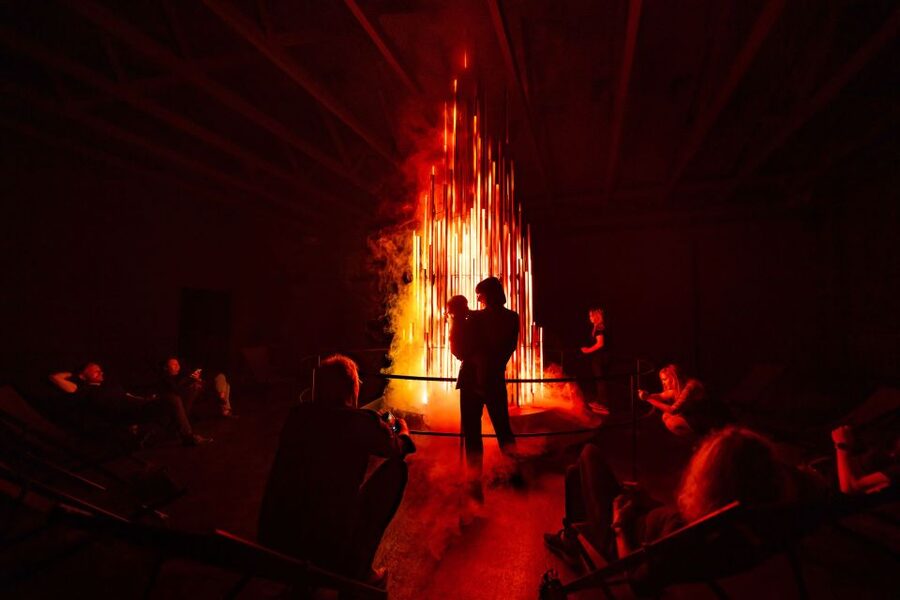
DARK MATTER is built around audio as much as visuals. Multiple reviews call out the music, the basses, and the way sound changes your mood as the segments change.
Why that matters for you: sound is what makes the show feel timed, like it has a heartbeat. Even if you’re not sure what you’re seeing, the audio cues help you understand where you are in the “chapter” arc. It also makes the space feel more alive and less like a projection show.
One review describes the experience as relaxing, which makes sense because well-designed sound plus darkness can create calm. Another says it changed their perspective, which often happens when your senses are redirected away from everyday habits.
One caution, though: if you’re sensitive to loud audio or heavy bass, go in knowing this is not a quiet gallery stroll. The sound is part of the choreography.
Flashing lights and epilepsy: the big safety reality
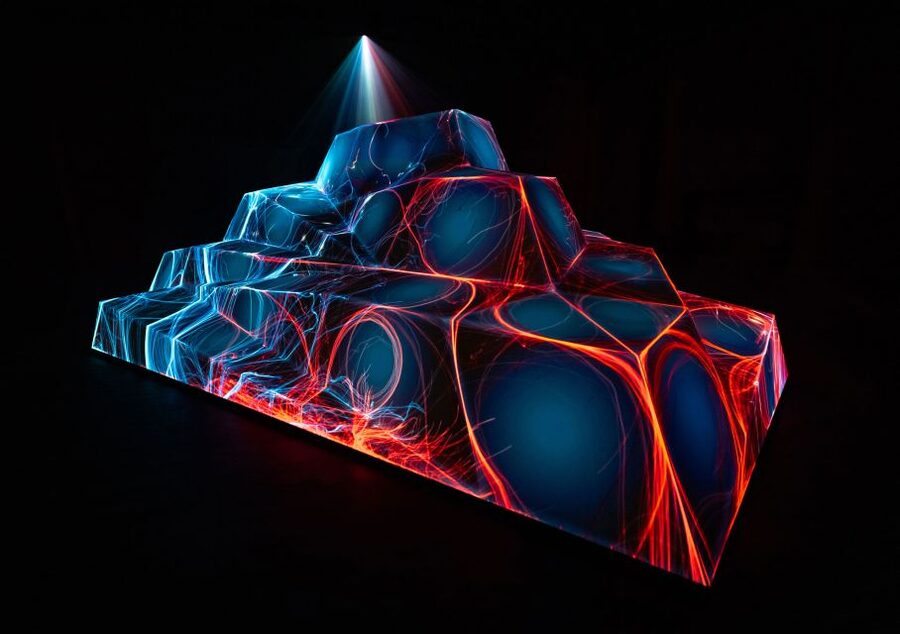
The exhibition includes flashing lights. That is not a minor detail, it’s central to how the visuals work in pitch-black rooms.
The activity is not suitable for people with epilepsy, so if that applies to you or someone in your group, this is a hard no.
If flashing light sensitivity is your only issue, not epilepsy, you still should take the warning seriously. Dark rooms plus high-contrast effects can be tough even when the cause is not epilepsy. If you’re unsure, you’ll want to decide carefully before booking.
Getting there from central Berlin: distance and transit timing
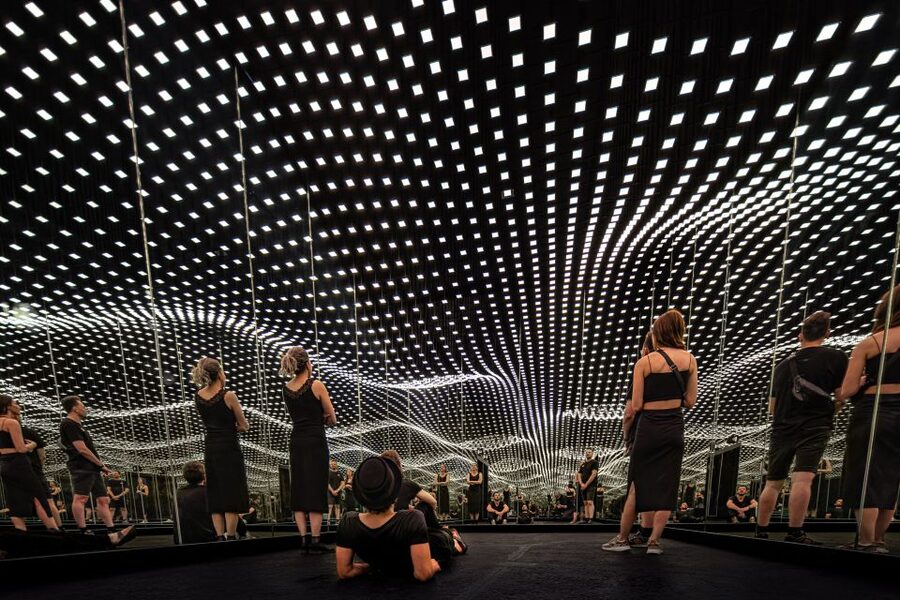
DARK MATTER is in Berlin, but it’s not right in the middle of the city center. At least one review warns it’s a bit out of the way and suggests reading the fine print to avoid surprises like being refused entry. Another mentions public transport timing, specifically that a tram wasn’t running often, and to plan extra time.
So here’s the practical version: give yourself buffer time for transit, especially if you’re arriving during quieter service hours. Also, do not treat this as a “drop in anytime” stop. With timed entry, you want to be early, not sprinting to the door.
The upside is that it’s still easy to find for most people. One reviewer says it’s easy to find, which helps if you’re using phone maps.
Ticket value: is $26 worth it?
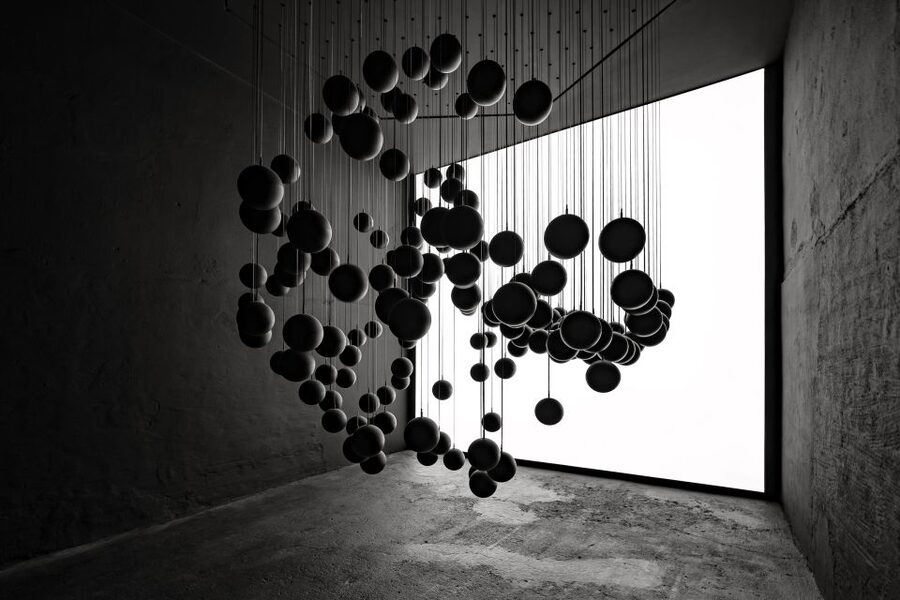
At around $26 per person, DARK MATTER lands in the same pricing band as major paid attractions. Whether it feels worth it depends on what you want from Berlin.
If you like tech-art, light design, music-driven installations, and experiences that rely on your senses, it’s a strong value. The space is large for this type of show, listed as 1,000 square meters, and the experience is structured into seven distinct artworks instead of one long light loop.
Also, you’re not paying just for visuals. You’re paying for the combined system: light choreography plus sound design plus interactive or walk-in elements. Reviews consistently praise how well the components work together.
That said, there are two balanced cautions from the ratings:
- Some people say certain rooms felt underwhelming.
- A few call it overpriced.
My take: this is worth it if you go with the right mindset. If you expect a traditional museum with explainers and curatorial texts, you might feel disconnected. If you come ready to enjoy it as a sensory performance, it usually clicks.
For planning: treat it like an “experience hour,” not an “information hour.” If that matches your travel style, $26 feels fair.
Who should book DARK MATTER (and who should not)
This is a good fit for:
- Teens and families, because several reviews say it impressed teenagers and felt fun for whole groups.
- People who want relaxation after a packed Berlin day. One reviewer schedules it as a second-day recovery activity after walking-heavy sightseeing.
- Travelers who like modern, experiential art where you interpret with your own senses.
This might not be your best choice if:
- You want silence and classic museum structure.
- You dislike flashing lights or need epilepsy-safe activities (it is not suitable for epilepsy).
- You get bored by abstract tech visuals and prefer paintings or architecture you can “read.”
One more practical note: crowd levels matter. A review mentions it was manageable and made the experience relaxing. Another mentions rooms being a bit crowded. If you’re crowd-averse, you’ll likely enjoy earlier time slots more.
Small logistics that make a difference once you’re inside
The rules are straightforward, and they help the experience stay controlled:
- No luggage or large bags
- No pets (assistance dogs allowed)
- No smoking indoors
This matters because it affects what you bring. If you’re traveling with a big daypack or shopping bags, plan to minimize. Light-and-dark spaces are better with fewer items in your way.
There’s also an entry mindset. One review notes that greeting and instructions could be better organized, especially for people arriving without a group. The practical takeaway: arrive early enough to find your entry point calmly, and don’t assume signage alone will solve everything. Give yourself time to get oriented.
Should you book DARK MATTER in Berlin?
I’d book it if you want a break from walking monuments and you enjoy sensory art: light choreography, sound and bass, and rooms that feel different from one chapter to the next. With seven artworks, 1,000 square meters, and mostly strong ratings around mesmerising design, it’s one of those experiences that can reset your mood fast.
I would skip it if flashing lights are a concern for you, if epilepsy applies, or if you only enjoy traditional museum formats. And if your idea of value is lots of written explanation or a predictable “theme,” you may find parts subjective.
If you’re on the fence, my decision rule is simple: if you like the idea of art as something you watch with your whole body, DARK MATTER is a great use of your time in Berlin. If not, you’ll probably feel the mismatch quickly.
FAQ
How long is the DARK MATTER experience in Berlin?
The duration is listed as 1 hour.
Where do I meet to start the experience?
Your meeting point is to enter DARK MATTER to begin your experience.
How much does an entry ticket cost?
The entry ticket price is $26 per person.
Is DARK MATTER wheelchair accessible?
Yes, the experience is wheelchair accessible.
Are flashing lights part of the experience?
Yes, the attraction includes flashing lights.
Is this experience suitable for people with epilepsy?
No, it is not suitable for people with epilepsy.
Are luggage or large bags allowed?
No, luggage or large bags are not allowed.
Are pets allowed inside?
Pets are not allowed, but assistance dogs are allowed.
Can I smoke indoors?
Smoking indoors is not allowed.
Can I cancel for a refund?
Yes, free cancellation is available up to 24 hours in advance for a full refund.
Newest Berlin reviews on the site
- Jetbike Berlin fun bike beer bike★ 5.0 · 3 reviews
- Karl-Marx-Allee Walking Tour: Berlin’s Socialist History★ 5.0 · 5 reviews
- Homeless on chic streets: city tour in Berlin from personal experience★ 4.6 · 3 reviews
- Berlin: Sachsenhausen Concentration Camp Guided Tour★ 4.9 · 42 reviews
- Historyof the Trans, Queer & Gay communities of Berlin tour★ 4.8 · 17 reviews
- Historic Berlin Pubs & History Tour★ 4.9 · 73 reviews
- Berlin: City Center Walking Tour★ 4.7 · 45 reviews
- Half-Day Berlin Highlights Segway Expedition★ 4.5 · 61 reviews
Tickets, compared.



Munich Hop-On Hop-Off Tour: 1-Day or 2-Day Ticket
Read our review →