
Reviewed · CONCERTS
Berlin: Classical concerts in Köpenick Palace – Aurora Hall
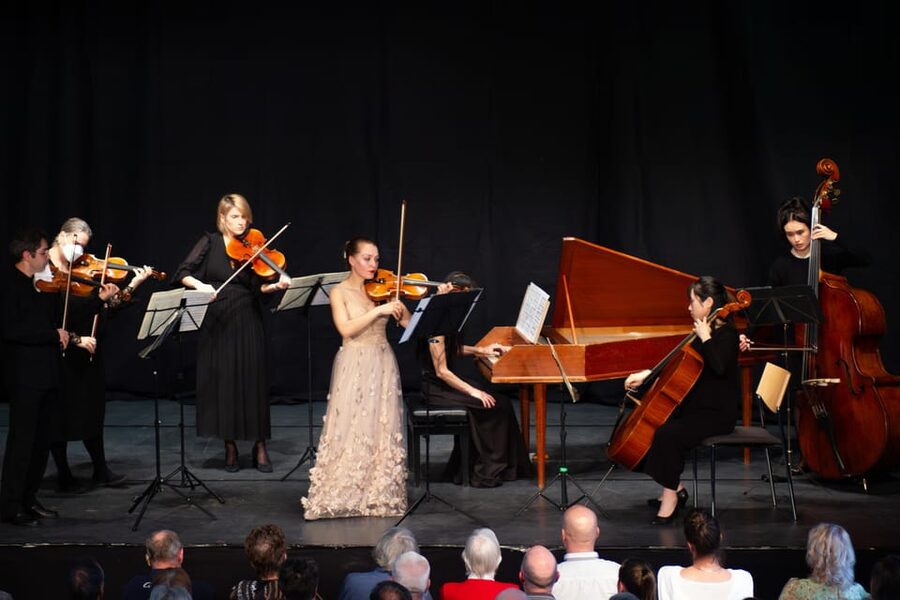
A palace hall, and the music takes over. If you want an evening that feels both elegant and simple, this classical concert series in Aurora Hall at Köpenick Palace is a strong pick. I love the format: one focused concert, great soloists, and the kind of acoustics that make melodies feel close without turning it into a noisy show.
Two things I especially like are the historic setting and the artist lineup, which shifts by date from Mozart to Bach to Iberian sounds. One possible drawback to plan around: one past attendee noted the hall can run quite warm, with no noticeable cooling, so you’ll want to dress for comfort.
In This Review
- Key Things to Know Before You Go
- Aurora Hall at Köpenick Palace: a focused setting for classical music
- How the 2026 concerts work: 90 minutes, one date, one mood
- February 15, 2026: Pure Romance, Romantic Duets
- March 8, 2026: Mozart Piano Works, Complete Performance, 2nd Program
- March 22, 2026: Mozart, Songs, Arias, and Duets
- March 29, 2026: The Seven Last Words of the Savior on the Cross
- April 3, 2026: The Music Book of Frederick the Great
- April 4, 2026: Mozart Piano Works, Complete Performance, 3rd Program
- April 5, 2026: Piano Magic for 4 Hands
- April 6, 2026: Classical Violin Sonatas
- May 1, 2026: Schubert Potpourri
- May 10, 2026: Bach Violin Sonatas, 2
- May 17, 2026: Piano Music to Dream to
- May 31, 2026: Iberian Sounds
- Composer-by-composer: what you’ll likely hear and why it matters
- The performers: why these lineups feel like the point
- Price and value: is $33 a good deal for 90 minutes here?
- Practical comfort: what to wear, what not to do, and how to stay relaxed
- Who this concert series is best for
- Should you book Aurora Hall concerts at Köpenick Palace?
- FAQ
- How long is the concert in Aurora Hall?
- Where do I meet for the concert?
- Is free museum admission included?
- Is the venue wheelchair accessible?
- Are audio recordings allowed during the concert?
- Are alcohol or drugs allowed?
- What concert programs are scheduled for 2026?
- Can I get a refund if I cancel?
Key Things to Know Before You Go
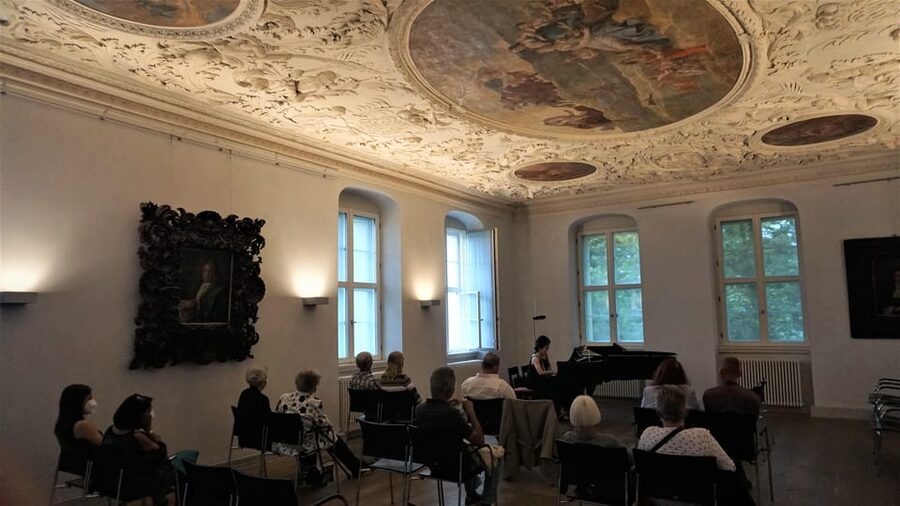
- Aurora Hall at Köpenick Palace gives you a classic “concert-room” feel, not a random recital hall.
- 90 minutes keeps the evening tidy, so you can pair it with other Berlin plans.
- Program variety in 2026 ranges from romantic duets to Mozart, Bach, Schubert, and guitar-based Iberian music.
- Free museum admission is included, so you can add a quick palace stop if your schedule allows.
- Rules are strict: no alcohol or drugs, and no audio recording during the performance.
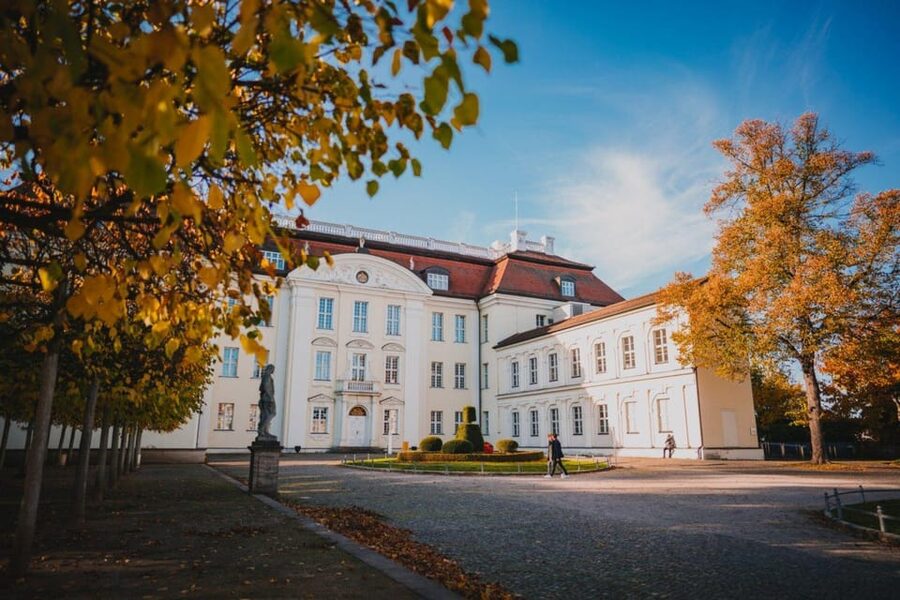
Aurora Hall at Köpenick Palace: a focused setting for classical music
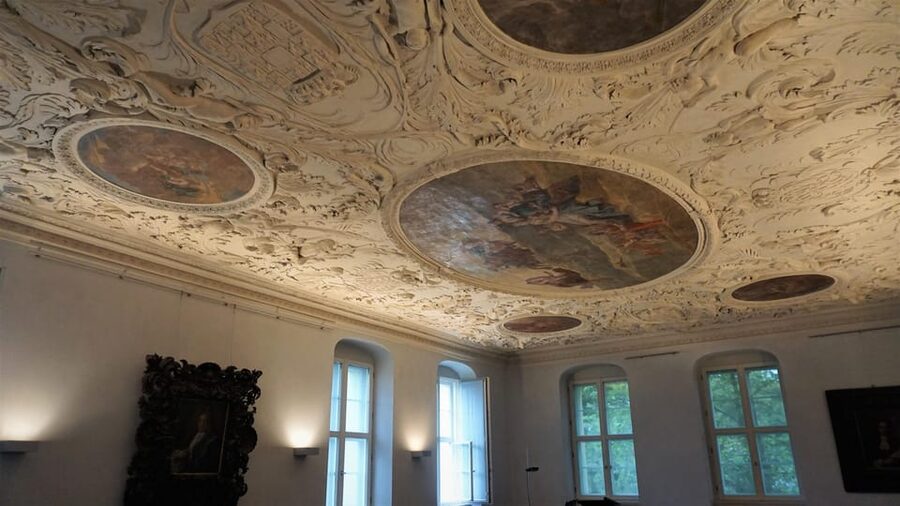
Köpenick Palace is the kind of place where the room does half the work for you. Aurora Hall is designed for listening, which matters more than people think. When a hall is made for live performance, you feel it in the way voices land and strings or keyboards don’t sound smeared. The best part is that you can hear the music as music, not as a background track.
I also like that this is not trying to be “everything for everyone.” The experience is built around a single concert evening, plus the option of free museum access. That makes it easy to slot into your day. You are not spending hours hunting for the right entrance, reading ten museum signs, then fighting for an audience spot. You arrive, you settle, and you listen.
One thing I’d keep in mind based on a real review: the hall can get uncomfortably warm. That does not mean the concert is worse, but it can affect how much you enjoy the full 90 minutes. Dress in breathable layers so you can stay comfortable even if the room runs hot.
A few more Berlin walks and trips to compare
- Berlin: Classical Concert at Kaiser Wilhelm Memorial Church
★ 4.6 · 387 reviews - Berlin: Classical concerts at the Bode Museum Berlin
★ 4.3 · 26 reviews - Berlin: Historical Walking Tour with Live Music
★ 5.0 · 8 reviews
How the 2026 concerts work: 90 minutes, one date, one mood
Every program is scheduled as a 90-minute concert in Aurora Hall. The best way to choose is to pick the musical world you want to hear. Each date has its own theme, and you’ll feel that theme in the performers and the balance between voice and instruments.
Here are the listed 2026 offerings, in calendar order, with what each one tends to emphasize:
February 15, 2026: Pure Romance, Romantic Duets
This is a vocal-focused evening built around romantic duets. You’ll hear Inês Pinto (soprano) and Kristina Naudé (alto), with Beatrice Wehner-Schaller (piano) supporting. If you like melody-forward singing and the push and pull of two voice types, this is the most straightforward “love songs in classical clothing” kind of program among the options.
March 8, 2026: Mozart Piano Works, Complete Performance, 2nd Program
If you want a deep dive into one composer’s keyboard style, this is your date. Maria-Magdalena Pitu-Jokisch plays, and the evening is framed as a complete performance, 2nd program. The benefit of a structured “complete performance” concept is that the evening tends to feel cohesive, not like a random playlist.
Same city, a different way to spend the afternoon:
- Berlin: Reichstag, Dome and Government District Guided Tour
★ 4.7 · 18,288 reviews - Berlin: 1-Hour City Tour by Boat with Guaranteed Seating
★ 4.3 · 16,993 reviews - Berlin: TV Tower Standard Entrance Ticket
★ 4.4 · 15,883 reviews - Berlin: Boat Tour Along the River Spree
★ 4.4 · 11,252 reviews
March 22, 2026: Mozart, Songs, Arias, and Duets
This one mixes vocal color with piano accompaniment, with Yuri Mizobuchi (mezzo-soprano), Stephen Barchi (baritone), and Graham Cox (piano). It is designed for listeners who enjoy different voice ranges plus the dramatic edge of arias, while still getting the musical sparkle of songs and duets.
March 29, 2026: The Seven Last Words of the Savior on the Cross
The program name is heavy, and the performance is likely to match that mood. Mozart Ensemble Berlin performs, which is a great fit for music that benefits from ensemble clarity and careful phrasing. If you like listening to layered meaning and slow emotional pacing, this date has strong potential.
April 3, 2026: The Music Book of Frederick the Great
Court-style instrumental music is the theme here. Susanne Ehrhardt (recorders) and Yuko Tomeda (harpsichord) give you a sound world that feels closer to the 18th-century instrument palette. If you’ve never heard recorders and harpsichord in a live setting, this can be a fun “new sound” evening, not just another Mozart night.
April 4, 2026: Mozart Piano Works, Complete Performance, 3rd Program
Another piano-centered option with Naoko Fukumoto. You’re not just picking Mozart, you’re choosing which slice of the complete performance series you want to hear. If you caught another date earlier and loved that style, this is a logical follow-up.
April 5, 2026: Piano Magic for 4 Hands
This is one of the more playful setups on the list. Naoko Fukumoto and Maria-Magdalena Pitu-Jokisch share the piano for four hands. Four-hands piano tends to create a special feeling because you hear coordination and conversation between parts. It’s also a great choice if you want piano music but you don’t want it to feel like one person is doing everything alone.
April 6, 2026: Classical Violin Sonatas
This is for violin lovers. Annegret Pieske (violin) and Victoria Litsoukova (piano) perform. Violin sonatas can be a real test of musical chemistry, and a good pianist matters just as much as a good violinist. If you want melody plus crisp interplay, this date is a smart pick.
May 1, 2026: Schubert Potpourri
Calling it a potpourri is basically saying it moves across moods within the composer’s universe. Stephen Barchi (baritone) and Maria-Magdalena Pitu-Jokisch (piano) bring vocal and piano together. This is a good date if you want something more varied than a single strict structure, and you enjoy Schubert’s romantic color.
May 10, 2026: Bach Violin Sonatas, 2
Marianne Boettcher (violin) and Yuko Tomeda (harpsichord) are the listed performers. Bach for violin and keyboard is all about lines that fit together. If you like music that rewards close listening, this type of program often feels satisfying because it sounds purposeful, even when it’s technically complex.
May 17, 2026: Piano Music to Dream to
This is the “soft landing” evening on the calendar. Maria-Magdalena Pitu-Jokisch performs solo piano. The vibe suggests restful phrasing and reflective mood. If you’re tired after a day of sightseeing, this is a good way to end your day without turning it into an adrenaline event.
May 31, 2026: Iberian Sounds
A change in flavor, and a very practical one if you want something outside the standard German-Austrian orbit. Inês Pinto (soprano) and Márcio Silva (guitar) are joined on the program by guitar-led color, with the voice-guitar combination likely to bring rhythmic spice. If you like the idea of Spanish or Portuguese influenced sounds in a classical format, this is the most direct match.
Composer-by-composer: what you’ll likely hear and why it matters
You can treat the list like a menu. Each composer approach creates a different listening experience.
Mozart nights (March 8, March 22, April 4) usually reward clarity. Mozart’s writing can sound effortless when it’s well played, and in a hall built for listening you’ll catch the details that make it feel bright instead of busy. If you’ve only heard Mozart through orchestral hits, the piano and vocal programs here give you a more personal version of his style.
Bach (May 10) is different. Bach is about structure you can feel. With a violin and harpsichord pairing, you often hear how the lines interlock, and how rhythm and harmony move even when the dynamics are controlled. If you like music that keeps your brain gently engaged, Bach is a great choice.
Schubert (May 1) often feels like emotion in layers. The baritone and piano setup helps because Schubert’s writing can sound simultaneously intimate and dramatic. This is one of the easiest dates on the list to enjoy even if you do not consider yourself a “classical music person.”
Court and keyboard color (April 3) is a fun wildcard. Recorders and harpsichord can be tricky if you only know them from recordings, because the balance in a live hall changes how bright or dry the sound feels. When it works, it can feel like stepping into a smaller world where every articulation is audible.
And the “special format” nights, like four hands (April 5) and guitar plus voice (May 31), are worth considering if you want classical music that feels a bit more immediate. Those setups naturally create conversation between performers, and you’ll hear that dialogue during the performance.
The performers: why these lineups feel like the point
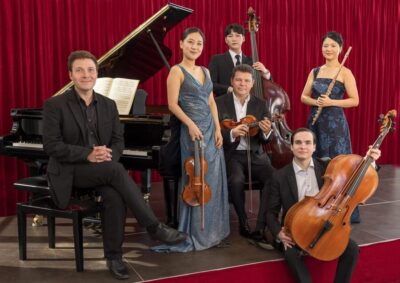
This series keeps the focus where it should be, on the artists and the music. The names on the schedule are not one-note picks. You have vocalists like Inês Pinto, Kristina Naudé, Yuri Mizobuchi, and Stephen Barchi spread across different dates, which lets you hear how different voice types handle Mozart and romantic material.
On the keyboard side, the piano talent is consistent and varied, with performers like Maria-Magdalena Pitu-Jokisch, Naoko Fukumoto, and Graham Cox appearing across multiple programs. That matters because the piano in Mozart and Bach is not just accompaniment. The pianist shapes the pacing and phrasing, and in a 90-minute concert, one strong pianist can turn the whole evening into something memorable.
For instrumental colors, you get Yuko Tomeda on harpsichord (April 3 and May 10) and violinists like Annegret Pieske and Victoria Litsoukova on April 6. Then you get ensemble-led energy with Mozart Ensemble Berlin on March 29. If you like your concerts to have variety in how the music is presented, the performer lineup is doing that work for you.
Price and value: is $33 a good deal for 90 minutes here?
At around $33 per person for 90 minutes, this concert series is fairly priced compared to what classical evenings often cost in Berlin. The value comes from two practical factors.
First, you get a full concert evening in a palace setting, not a “snack-sized” performance. Ninety minutes is long enough to feel like you experienced something complete.
Second, free museum admission is included. You can use the time around the concert to add context with a quick look at the palace spaces. I find that museums and concerts together work best when you keep expectations realistic. Do not try to see everything. Just take the chance to connect the location to the arts you are hearing.
If you are choosing between two nights, I’d base it on the program, not only the composer. A date with your favorite voice type or your favorite instrument is often the better value, because you will enjoy it more in the moment.
Practical comfort: what to wear, what not to do, and how to stay relaxed
A concert sounds straightforward, but small rules can affect your experience.
No alcohol or drugs are allowed, and audio recording is not permitted. That means you can focus on listening without people trying to capture everything on phones. It also means you should plan to enjoy the performance as it happens, not later through recordings.
The biggest comfort issue from a real review is warmth in the hall. I recommend wearing breathable layers so you can tolerate a warm room without feeling stiff or sweaty. If you bring a light layer in a bag, you can swap between sightseeing clothes and concert comfort quickly.
You should also plan your arrival so you are not rushing. Meeting point is Aurora Hall, so you can keep it simple. Once you are inside, settle and let the first minutes set the tone. In classical music, the opening matters more than you’d think.
Finally, note that some content is shown in its original language. If the concert has spoken elements or program notes displayed on-site, you might not get every detail in English. That is not a dealbreaker, but it helps to know your enjoyment will come mainly from the music itself.
Who this concert series is best for
I’d recommend these Aurora Hall concerts if you fit any of these categories:
- You want high-quality music in a historic venue without spending your whole day commuting or touring.
- You like choosing by mood, not by being “caught up” on classical music trivia.
- You enjoy voice and piano, or you want to try something different, like recorder and harpsichord, four-hands piano, or guitar plus soprano.
It is also a good choice for couples and friends because it is easy to pick a date together. One person might love Mozart, another might prefer Schubert or Iberian sounds, and the calendar gives you options.
If you are extremely sensitive to heat, you may want to choose clothing carefully and consider timing. The concert itself is fixed at 90 minutes, so comfort becomes your responsibility.
Should you book Aurora Hall concerts at Köpenick Palace?
Yes, I think you should book if you want a classic Berlin evening with strong performances and a palace atmosphere, and you like the idea of picking a date based on composer and performer. The series is especially appealing because it is compact, 90 minutes, and it includes free museum admission to round out the experience.
I would hesitate only if you know you struggle in warm indoor spaces, or if you are the type who needs everything to go perfectly on schedule. One past booking had a serious problem where the event did not take place as expected, so it is worth keeping your confirmation details handy and checking closer to your date.
If you match the mood to the program on the calendar, this is a smart, good-value way to spend an evening in Berlin.
FAQ
How long is the concert in Aurora Hall?
The concert lasts 90 minutes.
Where do I meet for the concert?
The meeting point is Aurora Hall.
Is free museum admission included?
Yes, free museum admission is included.
Is the venue wheelchair accessible?
Yes, it is listed as wheelchair accessible.
Are audio recordings allowed during the concert?
No, audio recording is not allowed.
Are alcohol or drugs allowed?
No, alcohol and drugs are not allowed.
What concert programs are scheduled for 2026?
The listed 2026 dates and programs include Pure Romance on February 15, Mozart Piano Works on March 8, Mozart Songs, Arias, and Duets on March 22, The Seven Last Words of the Savior on the Cross on March 29, The Music Book of Frederick the Great on April 3, Mozart Piano Works 3rd Program on April 4, Piano magic for 4 hands on April 5, Classical violin sonatas on April 6, Schubert Potpourri on May 1, Bach Violin Sonatas 2 on May 10, Piano music to dream to on May 17, and Iberian sounds on May 31.
Can I get a refund if I cancel?
You can cancel up to 24 hours in advance for a full refund.
Newest Berlin reviews on the site
- Jetbike Berlin fun bike beer bike★ 5.0 · 3 reviews
- Karl-Marx-Allee Walking Tour: Berlin’s Socialist History★ 5.0 · 5 reviews
- Homeless on chic streets: city tour in Berlin from personal experience★ 4.6 · 3 reviews
- Berlin: Sachsenhausen Concentration Camp Guided Tour★ 4.9 · 42 reviews
- Historyof the Trans, Queer & Gay communities of Berlin tour★ 4.8 · 17 reviews
- Historic Berlin Pubs & History Tour★ 4.9 · 73 reviews
- Berlin: City Center Walking Tour★ 4.7 · 45 reviews
- Half-Day Berlin Highlights Segway Expedition★ 4.5 · 61 reviews
Concerts, compared.


Classical Concert at Kaiser Wilhelm Memorial Church
Read our review →

Browse the lists this tour appears in