

Reviewed · CONCERTS
Berlin: Classical Concert at Kaiser Wilhelm Memorial Church
Berlin has a lot of big concert halls. One hour here hits different. At the Kaiser Wilhelm Memorial Church, you get a famous Berlin setting plus a program packed with crowd-recognizable music. I especially love the mix of organ moments with strings and voice, and the spotlight on standout soloists like soprano Duangamorn Fu. The only real drawback to plan for is that seating and visibility can vary, so some seats may not let you see the organ or performers as well as you’d hope.
The show runs about 70 minutes, and it is designed for an easy night out: arrive a bit early, settle in, and let the music do the talking. You’ll hear major pieces from Vivaldi to Beethoven, plus a few settings that are quieter and more haunting, including Requiem Lacrimosa and Ave Maria. If you come expecting a full, massive symphony orchestra on stage, this is more compact than that, but the quality still lands.
One more practical note: there is no official dress code. Still, you might want to dress for a church setting and bring a small comfort item if you are walking around Berlin in summer since the venue is air-conditioned.
In This Review
- Key things I’d circle on your Berlin plan
- Walking Into Kaiser Wilhelm Memorial Church at Concert Time
- What You’ll Hear: The Full Program, Piece by Piece
- Vivaldi: The Four Seasons (Spring and Summer)
- Mozart: Requiem (Lacrimosa)
- Bach: Toccata and Fugue in D minor, plus Air on the G String
- Schubert: Ave Maria and Handel: Largo from Xerxes
- Beethoven: Symphony No. 5 (Allegro)
- Mozart: Salzburg Symphony K136 (Allegro)
- Widor: Toccata (Symphony No. 5)
- The Soloists: Duangamorn Fu, Vladimir Magalashvili, and the Ensemble Sound
- Duangamorn Fu, soprano
- Vladimir Magalashvili, organ
- The violin and string setup
- How 70 Minutes Feels in Real Life
- Price, Value, and the Seat Reality
- What to Bring, Wear, and Plan Around
- Who This Concert Is Best For
- Should You Book This Berlin Classical Concert?
- FAQ
- Where is the meeting point for this concert?
- How long does the concert last?
- What music will I hear during the concert?
- Is Kaiser Wilhelm Memorial Church wheelchair accessible?
- Are unaccompanied minors allowed?
- Can I get a full refund if I cancel?
Key things I’d circle on your Berlin plan
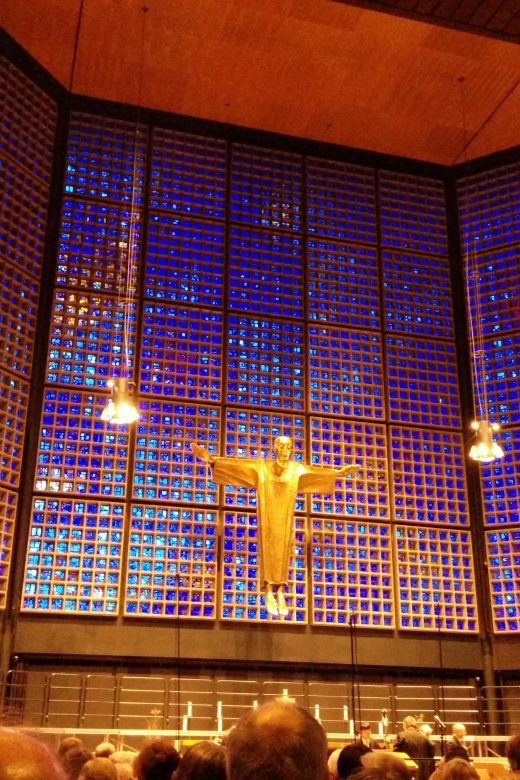
- A landmark church, not a generic recital room in the middle of Berlin’s west-side vibe
- Organ-forward programming, including Widor and other organ-highlight passages
- Familiar masterpieces in one sitting, from Vivaldi and Mozart to Bach and Beethoven
- Duangamorn Fu’s voice in the spotlight, plus organist Vladimir Magalashvili
- Short and focused timing at about 70 minutes
- A compact ensemble feel, which can mean closer musical attention, not just big-volume spectacle
Walking Into Kaiser Wilhelm Memorial Church at Concert Time
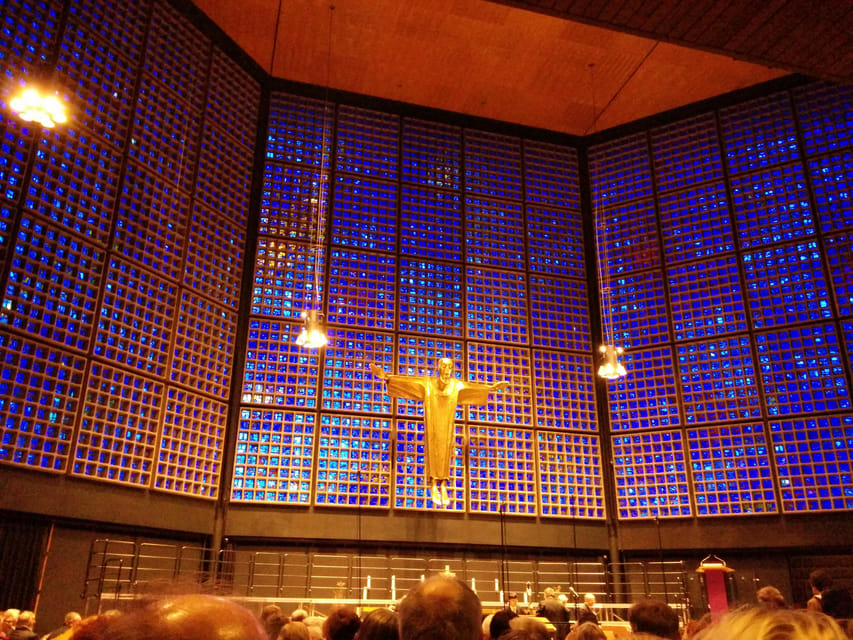
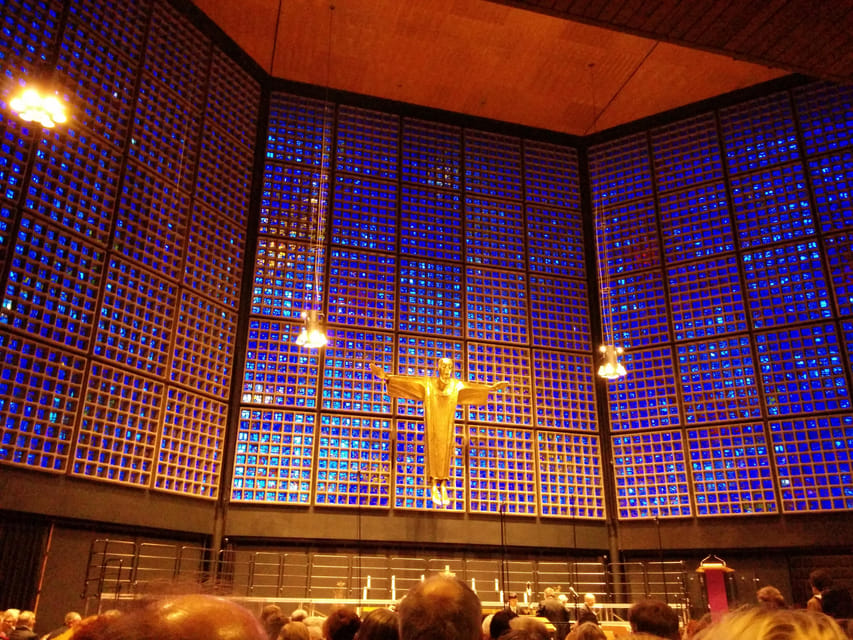
Kaiser Wilhelm Memorial Church is one of those Berlin places that works even if you know nothing about architecture. The church is iconic partly because it feels both historic and a little broken in a meaningful way, then restored into something you can actually experience. For this concert, the building matters because it shapes how the music travels.
Plan on arriving early and taking a minute to orient yourself. The meeting point is simply at Kaiser Wilhelm Memorial Church, and the event is staged right there. Give yourself a cushion for finding your seat and getting comfortable before the first notes.
One thing to keep in mind: reviews mention acoustics can feel better in some seats than others. That does not mean the music is bad, it means you should be smart about where you sit. If your ticket includes any seat category detail, pay attention to it when you choose. If you are unsure, ask staff at the entrance where you should be headed, so you do not end up somewhere that is far from the action.
Also note the venue is air-conditioned during summer. So if you are visiting Berlin in warm months, you can walk over from sightseeing without feeling like you’ll melt in the pews.
A few more Berlin walks and trips to compare
- Berlin: Classical concerts at the Bode Museum Berlin
★ 4.3 · 26 reviews - Berlin: Historical Walking Tour with Live Music
★ 5.0 · 8 reviews - Berlin: Classical concerts in Köpenick Palace – Aurora Hall
★ 4.1 · 5 reviews
What You’ll Hear: The Full Program, Piece by Piece
This concert is built around a “greatest hits of classical” approach, but with enough variety to keep it from feeling one-note. The program can change, yet the set list below gives you a strong idea of the evening’s shape.
Vivaldi: The Four Seasons (Spring and Summer)
Vivaldi’s The Four Seasons is one of the fastest ways to tell whether a concert will feel alive. The rhythms and bright phrasing tend to move even when you are sitting still. With this performance using an ensemble setup, you still get that forward motion, especially when the music shifts between lyrical lines and more energetic passages.
If you know only the “famous part” of Four Seasons, you’re still in good hands. The concert format keeps it moving rather than treating it like a museum exhibit.
Mozart: Requiem (Lacrimosa)
Then the mood turns. Lacrimosa is often the moment when people realize a concert is more than background music. It carries weight, and the church acoustics tend to make sustained lines feel longer than you expect.
If you like music that makes you sit a little straighter, this is your moment.
Same city, a different way to spend the afternoon:
- Berlin: Reichstag, Dome and Government District Guided Tour
★ 4.7 · 18,288 reviews - Berlin: 1-Hour City Tour by Boat with Guaranteed Seating
★ 4.3 · 16,993 reviews - Berlin: TV Tower Standard Entrance Ticket
★ 4.4 · 15,883 reviews - Berlin: Boat Tour Along the River Spree
★ 4.4 · 11,252 reviews
Bach: Toccata and Fugue in D minor, plus Air on the G String
Bach gives you two very different flavors.
- Toccata and Fugue in D minor brings intensity right away, with all that tight structure and dramatic momentum.
- Air on the G String does the opposite. It’s slower and more exposed, so you hear how clean the ensemble phrasing is.
Together, they are a nice “push and pull” sequence. One moment you feel the architecture of the music, the next you feel the calm.
Schubert: Ave Maria and Handel: Largo from Xerxes
Ave Maria often works like an emotional reset. It is lyrical, simple in the best way, and it lets the soloists breathe.
Handel’s Largo from Xerxes has a famous, sinking tenderness. It’s the kind of piece that sounds good even if you do not know the story behind it. In a church setting, it can feel extra human because the lines are so clear.
Beethoven: Symphony No. 5 (Allegro)
Beethoven’s Symphony No. 5 is the “everyone recognizes it” portion of the night. The Allegro movement comes with a built-in sense of momentum. Even if you only half-listen on the first pass, that famous drive will pull you in.
This part of the concert works well if you want a payoff that feels energizing, not just moving.
Mozart: Salzburg Symphony K136 (Allegro)
This choice adds variety after Beethoven. The Allegro gives the evening a lighter edge, like a change of weather. It helps the concert avoid becoming purely solemn.
Widor: Toccata (Symphony No. 5)
Widor is often where the organ earns its reputation. This piece is all about color, power, and the way organ sound fills a space. If organ is your reason for coming, you’re planning your night well.
In fact, multiple attendees point out they love the organ moments most. So if that is you, sit where you can best see or appreciate the organ area when the organ pieces arrive.
The Soloists: Duangamorn Fu, Vladimir Magalashvili, and the Ensemble Sound
This concert spotlights three key musical voices, including the named soloists and a violinist as part of the performance group.
Duangamorn Fu, soprano
Duangamorn Fu is a Thai soprano with training in Vienna and Berlin. She has won prestigious international competitions, and she has made a notable opera debut as Gretel in 2022. By 2024, she had an especially visible win tied to a debut concert at the Berlin Philharmonie.
All of that matters because it points to vocal technique and stage control, not just a good CV. In pieces like Requiem Lacrimosa and Ave Maria, clarity and tone shape whether the music feels theatrical or simply beautiful.
Vladimir Magalashvili, organ
Vladimir Magalashvili is your organ anchor. When the organ is in the program, the organist’s control is everything. You’re listening for how clean the articulation is, how well the notes “speak,” and how the performer manages dynamics in a space like this.
If you are coming for that church-organ moment, the presence of a dedicated organist is a strong sign you will not be hearing organ sound as an afterthought.
The violin and string setup
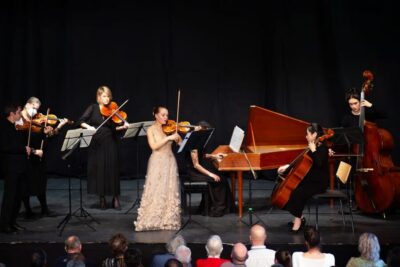
The ensemble is not a full, huge orchestra. One attendee describes it as an eight-member string group, which matches the idea that this is a compact classical evening rather than a massive blockbuster production.
That can be a plus. In a smaller ensemble format, you often hear more detail in phrasing, and the solo instruments feel more present.
How 70 Minutes Feels in Real Life
A 70-minute concert is perfect for people who want culture without committing an entire evening. It also fits Berlin’s rhythm. You can eat beforehand, enjoy a short music break, and still have energy for a walk after.
Timing also means you should expect a tight program flow. There is not much time for chatter, and the music does the heavy lifting from start to finish. The upside is focus. The tradeoff is that you do not get long contextual talks.
One review also hints it can feel like a slightly shorter runtime depending on the exact timing of the session, but plan for about an hour plus a few minutes for seating and settling in.
Price, Value, and the Seat Reality
At around $27 per person, this is priced as a high-value evening. What you get for that money is not only entry into a famous church, but a program that cycles through multiple big-name composers, plus organ and vocal spotlighting.
Still, value depends on your seat. Reviews mention confusion around ticketing and seat categories at the entrance. Some people describe a system where you expect one kind of ticket experience and then need to get a paper ticket on site. There are also mentions that category labels (like 1, 2, or 3) may not be obvious, and in some cases visibility is limited.
Here is how to protect your experience:
- When you arrive, confirm where your seat is before everyone rushes in.
- If you care about seeing the organ area, try to sit closer to that side of the stage if the venue allows it.
- Keep expectations realistic: if you end up farther back, you may hear perfectly well but see less of the soloists’ faces and gestures.
If you want the best mix of sound and sightlines, choose seats with clear sight to the performance area when possible.
What to Bring, Wear, and Plan Around
There is no official dress code. That gives you freedom. In a church setting, aim for comfortable clothing you can sit in for an hour. You do not need to go formal.
What you might want to bring is less about fashion and more about comfort:
- If you are traveling in summer heat, it can help to have water and a light hat for your walk to the church, since you might be outdoors right before the concert. (At least one attendee specifically recommended this.)
- If you are particular about sound quality, arrive early enough to take your seat and test your comfort rather than settling after you are already late.
Food and drinks are not included. So eat dinner before or plan a quick stop after.
Also, printed programs are included. Take a look when you sit down. Even if you only know a few composers, the program helps you follow the flow.
Who This Concert Is Best For
This works especially well if you:
- Want a classic Berlin evening that does not require advanced music knowledge
- Like music with recognizable names and a mix of emotional moods
- Prefer church acoustics over modern concert hall seating
- Want organ music without booking a separate organ-focused event
It’s also a good choice when major orchestras are off-season or you simply do not want a long day. A compact ensemble can still feel like a full musical story.
The one caution is expectation management. This is not a massive, full symphony orchestra. It’s a quality program with a smaller group feel. If you want 100-plus musicians, you might be disappointed. If you want focus and strong soloist moments, you’ll likely feel right at home.
One last note: unaccompanied minors are not allowed for this activity. If you are traveling as a family, plan accordingly.
Should You Book This Berlin Classical Concert?
Yes, I would book it if your goal is a satisfying, hour-long classical evening in a world-famous church, with a strong mix of composers and clear soloist talent. The program includes multiple “big moments,” plus organ pieces, which many people say they love most. At $27, it’s the kind of ticket that lets you try Berlin classical music without blowing your whole budget.
Skip it or choose carefully if you are highly sensitive to seat visibility. Since seating and sightlines can vary, look for options that place you nearer the action, especially if organ visuals matter to you. And if your schedule is tight, give yourself time to arrive early so entry does not turn into stress.
If you want a simple plan for an easy night in Berlin, this one is hard to beat. Classic music, iconic setting, and a finish that leaves you free to explore afterward.
FAQ
Where is the meeting point for this concert?
You start your activity at Kaiser Wilhelm Memorial Church. Arrive in advance of the concert start time so you can get seated before it begins.
How long does the concert last?
The concert experience lasts about 70 minutes.
What music will I hear during the concert?
The program includes works by Vivaldi (The Four Seasons: Spring and Summer), Mozart (Requiem Lacrimosa and Salzburg Symphony K136 Allegro), Bach (Toccata and Fugue in D minor and Air on the G String), Schubert (Ave Maria), Handel (Largo from opera Xerxes), Beethoven (Symphony No. 5, Allegro), and Widor (Toccata, Symphony No. 5). The program is subject to change.
Is Kaiser Wilhelm Memorial Church wheelchair accessible?
Yes. The venue is wheelchair accessible.
Are unaccompanied minors allowed?
No. Unaccompanied minors are not allowed for this activity.
Can I get a full refund if I cancel?
Yes. You can cancel up to 24 hours in advance for a full refund.
Newest Berlin reviews on the site
- Jetbike Berlin fun bike beer bike★ 5.0 · 3 reviews
- Karl-Marx-Allee Walking Tour: Berlin’s Socialist History★ 5.0 · 5 reviews
- Homeless on chic streets: city tour in Berlin from personal experience★ 4.6 · 3 reviews
- Berlin: Sachsenhausen Concentration Camp Guided Tour★ 4.9 · 42 reviews
- Historyof the Trans, Queer & Gay communities of Berlin tour★ 4.8 · 17 reviews
- Historic Berlin Pubs & History Tour★ 4.9 · 73 reviews
- Berlin: City Center Walking Tour★ 4.7 · 45 reviews
- Half-Day Berlin Highlights Segway Expedition★ 4.5 · 61 reviews
Concerts, compared.


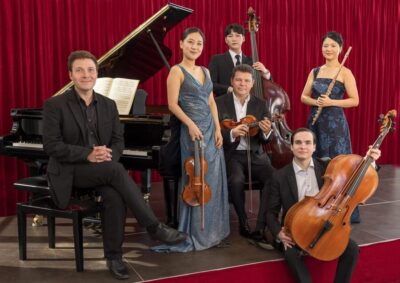
Classical concerts in Köpenick Palace – Aurora Hall
Read our review →
Browse the lists this tour appears in