
Reviewed · CITY TOURS
Berlin: City-West Walking Tour with a Real Berliner
Kurfürstendamm makes more sense with a local guide. This 2-hour Berlin City-West walking tour turns famous sights into a clear story of West-Berlin life, from the golden twenties to Cold War street-level reality. I like that it stays small, limited to 10 people, so questions and side stories actually land. I also like the focus on real places you’ll recognize, like KaDeWe, Breitscheidplatz, and the feel of West-Berlin’s main drag.
One possible drawback: this is a walking tour through a major central area, so expect busy sidewalks and constant city energy.
In This Review
- Key highlights to look for
- City-West, Made Understandable in One Walk
- Meeting at Wittenbergplatz, Then Getting Your Bearings Fast
- KaDeWe: More Than a Department Store Stop
- Europa-Center and the West-Berlin Center of Gravity
- Kurfürstendamm: The Avenue You Can Actually Read
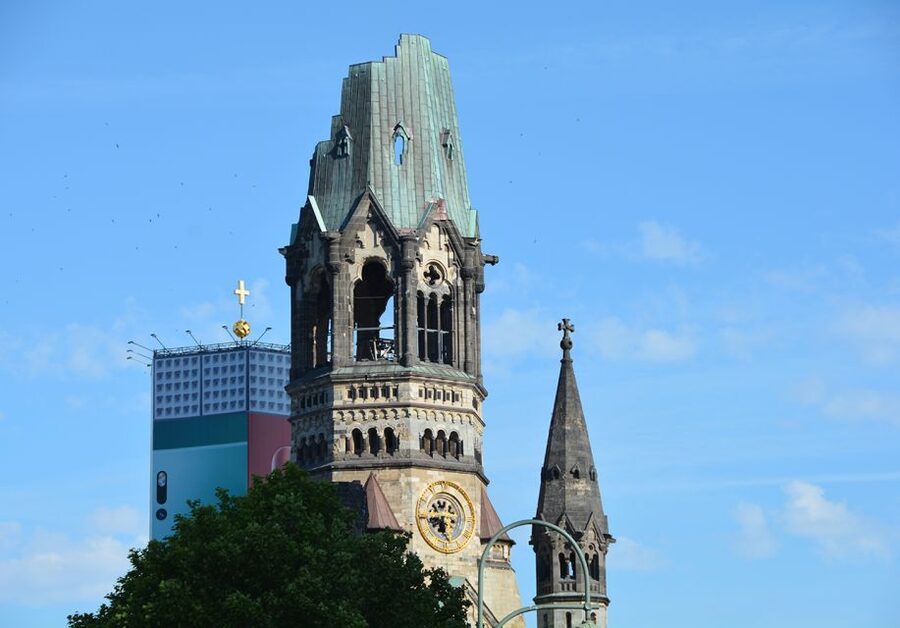
- Breitscheidplatz and the Kaiser Wilhelm Memorial Church
- Zoologischer Garten Area: Why the Traffic Hub Became West Berlin
- Savignyplatz: Finishing in a Place You Can Use
- Price and Value: Is $43 for Two Hours Fair?
- Who This Tour Suits Best (and Who It Might Not)
- Should You Book This Berlin City-West Walking Tour?
- FAQ
- How long is the Berlin City-West Walking Tour with a Real Berliner?
- Where do I meet the guide?
- What are some of the main stops on the walk?
- What languages are offered?
- How big is the group?
- Is the tour wheelchair accessible?
- Does the tour run in all weather conditions?
- Can I get a full refund if I cancel?
- Is there an option to pay later?
Key highlights to look for
- Kurfürstendamm street-level context: You’re not just seeing sights, you’re learning how the West-center grew and why it mattered.
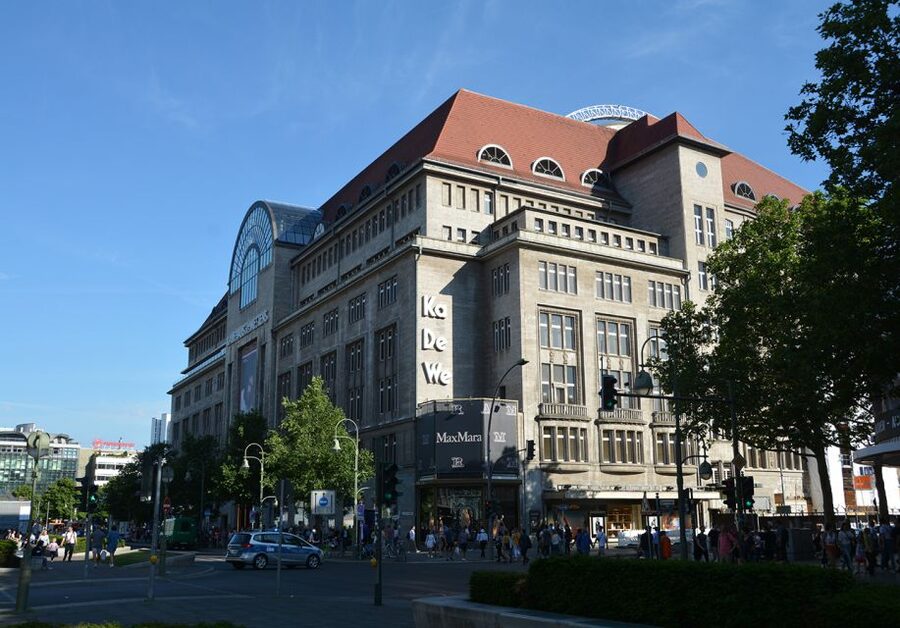
- KaDeWe (big-deal department store): A guided look that connects retail scale with the West-Berlin era.
- Breitscheidplatz and the Kaiser Wilhelm Memorial Church: A landmark that works as a moving anchor for Cold War stories.
- West-Berlin’s traffic hub, Zoologischer Garten area: You’ll understand why this part of the city became a focal point.
- Food and culture pointers for Berlin’s west: You get practical ideas for what to eat and where to spend your next evening.
- Guide who answers and adjusts on the fly: The walk is lively, multilingual, and built for real questions, including breaks for water or restrooms.
City-West, Made Understandable in One Walk
Berlin has a way of feeling like several cities stacked on top of each other. City-West, in particular, can seem like just shops and grand avenues if you only skim the surface. This tour gives you a map you can carry in your head. You start with a practical central Berlin rhythm, then the guide connects what you see to what the city was becoming during partition.
The best part is that the story stays grounded in places. You’ll walk along Kurfürstendamm, pass major landmarks, and get explanations that make the geography click. Instead of treating West-Berlin history like a chapter from a textbook, the guide frames it as how people lived, shopped, commuted, and imagined the future.
This is also a good “first orientation” experience even if you’re not doing a full sightseeing binge that day. With a group capped at 10, you’re less likely to get stuck listening to a monologue from the back of the crowd. The pacing works for questions. The tour lasts about 2 hours, which is long enough to learn something real and short enough that your feet won’t revolt.
If you want a guide who can switch languages smoothly, the tour runs with a certified multilingual guide in German, English, and Italian. That matters more than you might think. Clear communication helps you catch the details that make Berlin history feel personal.
More Walking Tours in Berlin
- Discover Berlin Half-Day Walking Tour
★ 5.0 · 9,624 reviews - Berlin: Third Reich and Cold War 2 Hour Walking Tour
★ 4.9 · 6,830 reviews - Berlin: Discover Berlin Walking Tour
★ 4.9 · 5,998 reviews
Meeting at Wittenbergplatz, Then Getting Your Bearings Fast
The walk starts at Wittenbergplatz, specifically at the Wittenbergplatz U-Bahn station at the Tauentzienstraße exit. You’ll also see it tied to Wittenbergpl. 26 as the starting location. This is a smart start point because you’re immediately in the City-West zone where locals actually move around daily.
From the start, you’ll feel why this area works for a guided tour. You’re not heading out into the quiet edges of the city. You’re stepping into the classic Berlin-West scene: major avenues, big buildings, and that mixture of shopping and civic landmarks. It’s also easier to navigate afterward. Once you know the layout from the walk, you can branch out on your own with less stress.
Practical tip: wear walking shoes you trust. The tour runs in all weather conditions and even on public holidays, so plan for wet pavement, wind, or whatever Berlin decides to throw at you. Bring a light layer you can adjust. If you’re the type who gets cold quickly, pack accordingly since you’re walking through open streets.
This tour is also listed as wheelchair accessible, so it’s designed to work for more than just able-bodied travelers. Still, sidewalks in central Berlin can be uneven or busy, so you’ll want to move calmly and pay attention to foot traffic.
KaDeWe: More Than a Department Store Stop
KaDeWe is the headline name in City-West, and rightfully so. It’s described as continental Europe’s biggest department store, and on this walk you get a guided tour and sightseeing look at the building. That’s important. If you just pass by, you might notice the scale but miss why it fits the story of West-Berlin.
Here’s what I think makes this kind of stop valuable: department stores are social spaces. They reflect a city’s confidence, its consumer culture, and the idea of everyday life continuing even while the political world was fractured. KaDeWe is big, yes, but it also becomes a lens. The guide ties the landmark to the West-Berlin era so it feels less like a tourist trap and more like a real part of how the city functioned.
You can also use the stop to reset your senses. You’ve likely arrived in Berlin after travel days or long transit. Seeing KaDeWe with context gives you an instant anchor point. After this, the rest of the walk feels like a coherent district instead of separate photo stops.
If you’re the type who loves architecture and urban history, you’ll enjoy the contrast between grand retail scale and the street-level movement around it. If you’re more food-and-neighborhood focused, this stop still pays off because it connects to the tour’s promises about where to find typical Berlin food and how the west became known for culture and lifestyle.
Europa-Center and the West-Berlin Center of Gravity
Right after KaDeWe, the route takes you to the Europa-Center building. Again, it’s not just a photo stop. The structure is handled as a guided sightseeing segment, plus time to walk through the surrounding urban flow.
Europa-Center matters because it sits in the kind of central location that became meaningful in Cold War Berlin. This is where the guide’s theme starts to feel real: West-Berlin wasn’t only politics and ideology. It was also traffic, entertainment, consumption, and daily movement.
When you walk through a place like this with a guide, you start noticing how the city funnels people. You learn what drew crowds and how different parts of Berlin connected in practice. That makes later self-guided planning easier. After the tour, you’ll understand why some areas feel like “the center” even if the capital has changed since reunification.
A small consideration: Europa-Center and the immediate surrounding area can feel busy. That’s normal, and part of what you’re seeing. If you’re sensitive to crowds, just pace yourself, and use the guide’s cues to step where the group is moving.
Same city, a different way to spend the afternoon:
- Berlin: Reichstag, Dome and Government District Guided Tour
★ 4.7 · 18,288 reviews - Berlin: 1-Hour City Tour by Boat with Guaranteed Seating
★ 4.3 · 16,993 reviews - Berlin: TV Tower Standard Entrance Ticket
★ 4.4 · 15,883 reviews - Berlin: Boat Tour Along the River Spree
★ 4.4 · 11,252 reviews
Kurfürstendamm: The Avenue You Can Actually Read
Kurfürstendamm is the tour’s backbone. The description calls it a splendid avenue, and you’ll walk it with context rather than just passing it. This is where City-West stops being an abstract idea and starts behaving like a real place you can navigate.
You’ll also get story-driven context about the golden twenties of the last century and how the west-side center evolved through the division of Berlin. That matters because Berlin’s modern look can trick you into thinking history is only in museums. Here, history shows up in street planning, landmark placement, and the way major corridors developed.
Think of Kurfürstendamm as the tour’s “spine.” Once you understand that spine, you’ll recognize the district’s logic later, even if you wander off for a museum or a café. It’s also a classic Berlin photo corridor, so expect plenty of chances to stop for pictures. Just remember, the guide is working to connect the photos to a story. Give them a minute, even if you’re itching to snap shots.
If you’re visiting in the summer, there’s another practical benefit. One of the strong points from the experience is that an evening walk can be great, since in summer sunset is around 9:30 pm, and it stays cooler later. You still get daylight for photos, but you avoid some of the midday heat and peak pace.
Breitscheidplatz and the Kaiser Wilhelm Memorial Church
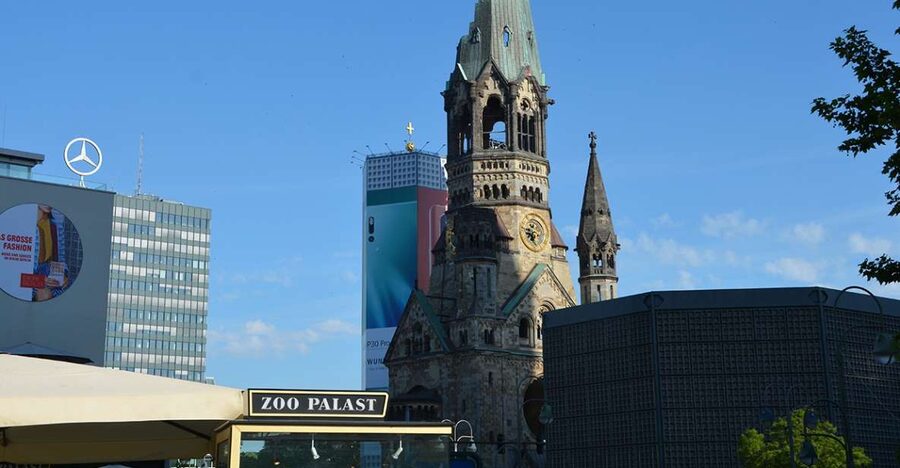
Breitscheidplatz is where the walk takes on its most emotional weight. You’ll reach the Kaiser Wilhelm Memorial Church on the busy square, and this is handled as a guided sightseeing stop. The guide uses this area to explain the feel of the era when Berlin was divided, and why this corner became part of the story of West-Berlin as an island of freedom.
The church is important because it’s a landmark you can interpret visually. Even without reading every plaque, the building gives you something to look at while you hear the background. That combination is what makes the history stick.
Here’s what I’d tell you to watch for: treat Breitscheidplatz like a boundary in your mind. Before you arrive, you’re learning how the west centered itself. After, you understand why the city’s conflict period left traces in the urban landscape, not just in political headlines.
This stop also shows you how Berlin’s layers work. The city doesn’t erase the past. It repurposes it, sometimes literally in architecture, sometimes in the way streets and squares keep pulling people through the present.
Zoologischer Garten Area: Why the Traffic Hub Became West Berlin
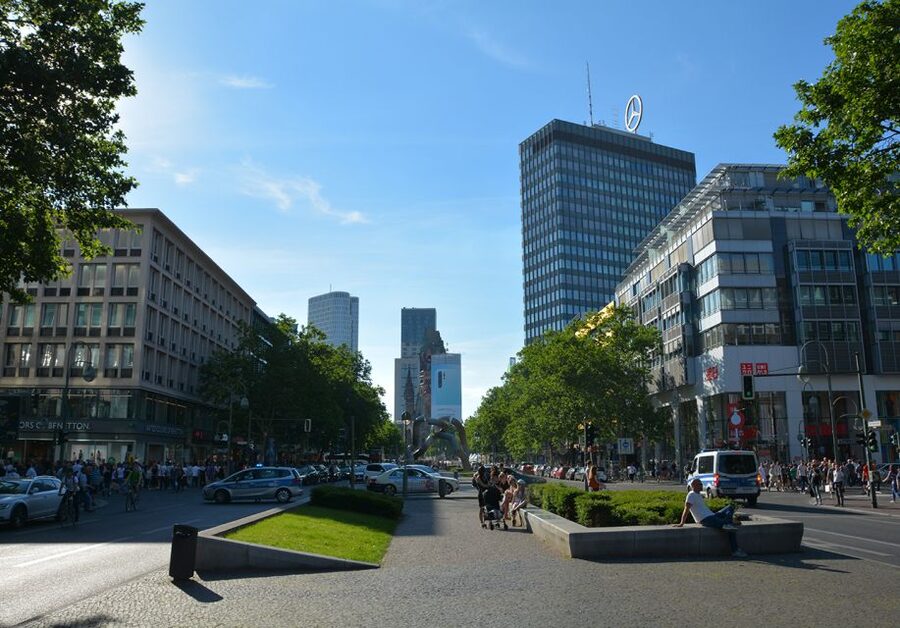
The tour includes time around Zoologischer Garten, described as one of Berlin’s most significant traffic centers. Even if you don’t focus on rail lines and transit maps, you’ll feel why this matters. Transit hubs create energy. They concentrate movement, retail, and people heading to work or out for the evening.
The guide connects that energy to the West-Berlin era. You’ll hear why this zone developed into a center for West Berlin during the Cold War and how the center of gravity shaped day-to-day life. This is the part that makes the tour especially useful if you like practical urban understanding. You’re learning how Berlin works, not just what happened.
It’s also where the tour’s “modern Berlin” angle starts showing up more clearly. The walk frames Berlin as a world city of culture, art, tolerance, lifestyle, and creative industries. You might not leave with a long list of art galleries, but you will leave with a clearer sense of why this city keeps attracting creativity. It’s not random. It’s tied to how neighborhoods grew and what people needed them to be.
If you’re planning a later self-guided evening, this is the moment to pay attention. The guide sets you up to understand where the city’s cultural pulse runs.
Savignyplatz: Finishing in a Place You Can Use
The route includes Savignyplatz during the walk and finishes there at Savignyplatz, 10629 Berlin. This matters because you end near another useful slice of Berlin West rather than dropping you into a far-off edge where you’ll need extra transit just to continue your day.
Savignyplatz gives you a nicer landing point for your next move. After two hours, you’re ready to eat, shop, or hop on public transport. Since the tour also promises tips on typical Berlin food in the west, this finishing area likely lines up with the kind of places you’ll want to try next.
One of the most practical strengths of this tour is that the guide doesn’t just explain history. The walk is set up to help you plan your remaining time. You’ll hear about where to taste typical Berlin food in the west, which can save you from the classic first-night problem: wandering around hungry and ending up somewhere overpriced.
Also, the pace sounds considerate. The experience notes highlight that the guide stops if you need water or a restroom. That’s a small detail, but it changes how enjoyable a walking tour feels. You can focus on learning instead of counting minutes until the next stop.
Price and Value: Is $43 for Two Hours Fair?
The price is $43 per person for a 2-hour guided walk with a certified multilingual guide, small group size (up to 10 participants), and a route that covers multiple major landmarks. At face value, it’s a short time. But the value comes from what you get packed into that time: landmark context, West-Berlin history, and practical tips for food and culture in City-West.
Here’s how I judge value on walking tours: do you leave with better navigation, clearer context, and a sense of where to go next? This tour is designed for exactly that. You hit key points like KaDeWe, Europa-Center, Kurfürstendamm, and Breitscheidplatz with the Kaiser Wilhelm Memorial Church, then you connect the dots through Zoologischer Garten and onward to Savignyplatz.
The guide matters here. The experience has strong signals that your guide will answer questions and keep things interactive. When you have a local Berliner perspective, the big sites become understandable, and you stop treating Berlin like a postcard collection.
If you’re traveling on a budget, $43 is still a decision. I’d say it’s most worth it if:
- You want West-Berlin context without doing a full day of museums
- You like city stories tied to specific buildings and squares
- You’ll actually use the food and culture pointers after the walk
If you already know Berlin’s City-West history well and you’re mainly after quick sightseeing photos, you might not need a guided experience at all. But for most visitors, this is a good “learn and orient” deal.
Who This Tour Suits Best (and Who It Might Not)
This walk fits best if you enjoy walking in central areas and you like history that’s connected to urban space. The theme is West-Berlin life during partition, plus the golden twenties context and how the west developed into a key part of the capital. That will land well if you’re curious about why Berlin looks the way it does.
It also suits people who like guided interaction. The small group size means you can ask questions and get responses. If you’re traveling solo or as a couple, it can even feel close to a private tour, depending on how many people show up.
Who should consider another option: if you need a slower pace, or you’re very sensitive to crowds and noise, this is still a central Berlin walk, on main streets. The tour runs in all weather, so if you strongly dislike being outdoors in wind or rain, plan accordingly.
Should You Book This Berlin City-West Walking Tour?
I think you should book this tour if you want City-West that actually makes sense. The combination of big-name landmarks and clear West-Berlin storytelling is exactly the kind of guide work that saves your time. You’ll come away understanding not just what’s there, but why it matters.
You should also book it if you value a guide who answers questions and keeps the walk practical, including stopping if you need water or a restroom. That makes a difference on a two-hour outing.
Skip it only if you already feel fully oriented in West-Berlin history and you’re mostly looking for a quick, self-paced photo route. In every other case, this is a smart way to spend a couple of hours in Berlin’s west, and it sets up the rest of your day with food and culture ideas you can actually use.
FAQ
How long is the Berlin City-West Walking Tour with a Real Berliner?
The tour lasts 2 hours.
Where do I meet the guide?
Meet your guide at the Wittenbergplatz U-Bahn station at the Tauentzienstraße exit. The starting location is also listed as Wittenbergpl. 26.
What are some of the main stops on the walk?
You’ll see major City-West sights including KaDeWe, Europa-Center, Kurfürstendamm, the Kaiser Wilhelm Memorial Church at Breitscheidplatz, and you’ll finish at Savignyplatz.
What languages are offered?
The live guide speaks German, English, and Italian.
How big is the group?
The group is limited to 10 participants, so it stays small.
Is the tour wheelchair accessible?
Yes, the tour is listed as wheelchair accessible.
Does the tour run in all weather conditions?
Yes. The tour runs in all weather conditions and on public holidays.
Can I get a full refund if I cancel?
Yes. You can cancel up to 24 hours in advance for a full refund.
Is there an option to pay later?
Yes. The tour offers reserve now and pay later, so you can book without paying today.
Newest Berlin reviews on the site
- Jetbike Berlin fun bike beer bike★ 5.0 · 3 reviews
- Karl-Marx-Allee Walking Tour: Berlin’s Socialist History★ 5.0 · 5 reviews
- Homeless on chic streets: city tour in Berlin from personal experience★ 4.6 · 3 reviews
- Berlin: Sachsenhausen Concentration Camp Guided Tour★ 4.9 · 42 reviews
- Historyof the Trans, Queer & Gay communities of Berlin tour★ 4.8 · 17 reviews
- Historic Berlin Pubs & History Tour★ 4.9 · 73 reviews
- Berlin: City Center Walking Tour★ 4.7 · 45 reviews
- Half-Day Berlin Highlights Segway Expedition★ 4.5 · 61 reviews
City Tours, compared.
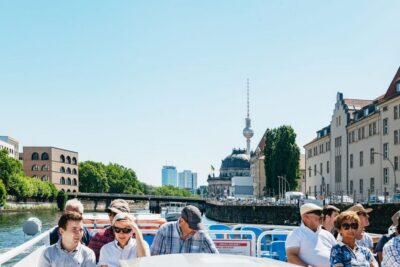
1-Hour City Tour by Boat with Guaranteed Seating
Read our review →
City History Canal Sightseeing Tour on a Motorboat
Read our review →
Browse the lists this tour appears in