Reviewed · BERLIN TOURS
Berlin: 2.5-Hour Neighborhood Tour of Neukölln
Neukölln tells its story in buildings. This 2.5-hour neighborhood tour strings together big-picture history and solid architecture, from the old district court and former prison to the Town Hall. I love how the walk ties the area’s shifting identity to places you can actually see, especially around Richardplatz.
The second thing I like is the focus on how ordinary people lived, not just famous monuments. You’ll connect the rise of the Rollberg proletarian residence district with striking housing design, then end up in the Bohemian Rixdorf refugee story. One watch-out: it is still a walking tour, so wear comfortable shoes and plan for steady pavement time.
In This Review
- Key highlights you will care about
- Neukölln’s street map: why this walk works
- From Rixdorf to Neukölln, with Wilhelm II in the mix
- Old district court and former prison: justice on a neighborhood scale
- Town Hall architecture and the idea of civic pride
- Rollberg and Innstrasse housing: how people were housed
- Town baths, pool facades, and Saalbau Neukölln for everyday culture
- Karl-Marx-Strasse arcades for how Berlin once flowed
- Bohemian Rixdorf exile houses and Bethlehem Church on Richardplatz
- Price, time, and who should go
- Should you book this Neukölln neighborhood tour?
- FAQ
- How long is the Berlin Neukölln neighborhood tour?
- What is the price of the tour?
- Is the tour offered in English?
- Is this tour wheelchair accessible?
- What is included in the ticket price?
- What is not included?
Key highlights you will care about
- Former prison and district court viewpoints that make justice and everyday life feel close to home
- Neukölln Town Hall and other civic architecture that show why this district mattered
- Rollberg, Innstrasse housing, and the planning behind the look of the neighborhood
- Karl-Marx-Strasse arcades and public buildings that explain how people moved and gathered
- Bohemian Rixdorf exile houses and Bethlehem Church at Richardplatz, where the refugee past lingers
Neukölln’s street map: why this walk works
Neukölln can feel like a mix of old Berlin and current life, sometimes in the same block. This tour helps you read that mix instead of just passing it by. You get a guided path through layers of the city, starting with older institutions and shifting into housing, public leisure, and the religious heart of the neighborhood.
The format matters. Two and a half hours is long enough to get context, but short enough that the walk doesn’t turn into a slog. And because it is a live guide in German and English, you can ask questions as the story unfolds.
A few more Berlin walks and trips to compare
- Berlin: Reichstag, Dome and Government District Guided Tour
★ 4.7 · 18,288 reviews - Berlin: 1-Hour City Tour by Boat with Guaranteed Seating
★ 4.3 · 16,993 reviews - Berlin: TV Tower Standard Entrance Ticket
★ 4.4 · 15,883 reviews
From Rixdorf to Neukölln, with Wilhelm II in the mix
Early on, you get the name story, and it’s more interesting than it sounds. Rixdorf was renamed Neukölln in 1912 with Wilhelm II’s approval. The reason, boiled down, was branding. The south of Berlin was known for frivolous entertainment, and the new name was meant to fix the image problem.
But the tour doesn’t stop at the political headline. It goes back further to the Bohemian Exulanten, Protestant refugees who settled here in the 18th century alongside Germans. Puritan beliefs shaped daily life, so this wasn’t just a wave of newcomers. It was a community with clear ideas about conduct, worship, and social structure.
By the time you reach Richardplatz, you can feel that earlier “village” rhythm in the street-level atmosphere. That is what you are really learning here: how names, religion, and migration shaped what people built and how they used space.
Old district court and former prison: justice on a neighborhood scale
One of the most compelling parts is seeing the old district court and the former prison in Neukölln. These aren’t only history props. They hint at how power worked at ground level.
As you look at the exterior, the guide’s job is to connect architecture to function. Courts and prisons tend to be built to last and to signal authority. In a working-class district, that authority becomes part of daily reality, not just something you associate with distant history.
If you like cities that are honest about their past, this stop will land. It also sets a tone for the rest of the tour: Neukölln’s story is not only about beauty. It is also about institutions, discipline, and the systems that shaped ordinary lives.
Town Hall architecture and the idea of civic pride
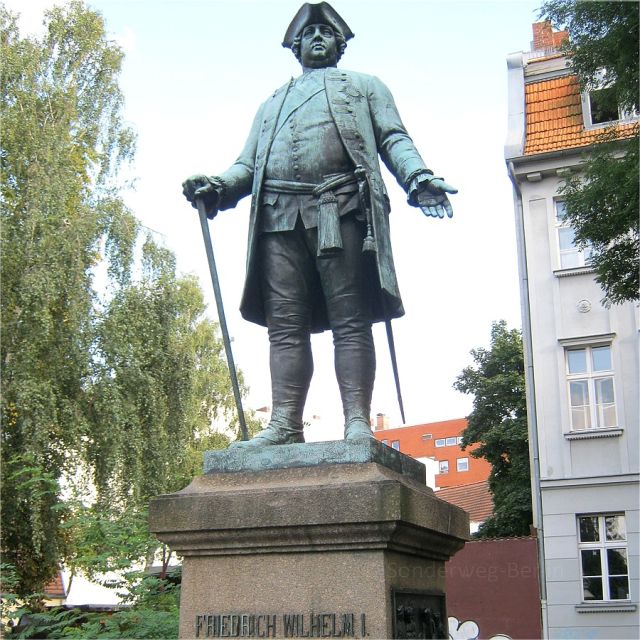
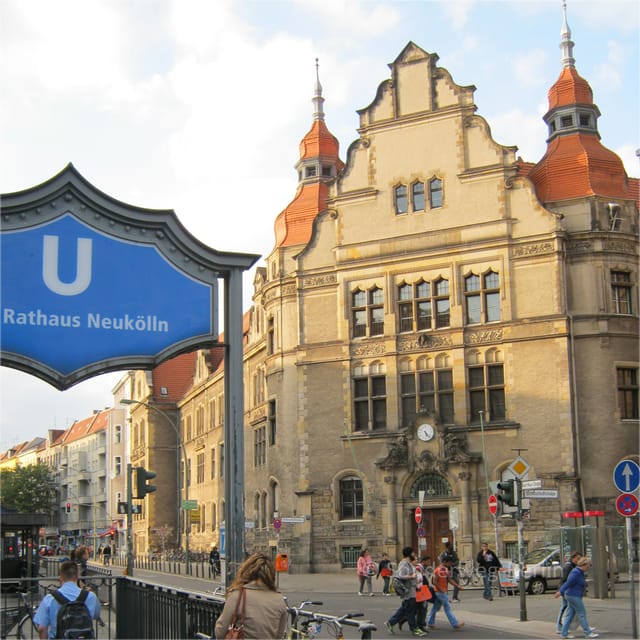
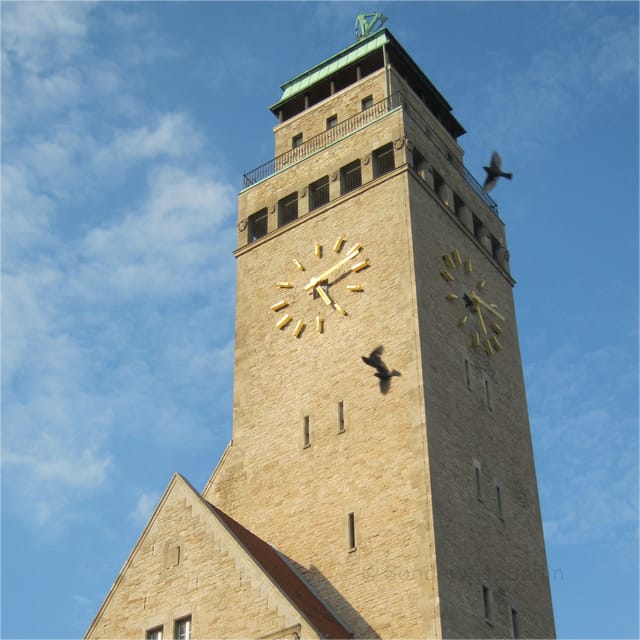
Then comes a shift from confinement to civic identity. The walk highlights the magnificently designed Town Hall (Rathaus), and it’s a smart move in the itinerary. The Rathaus represents municipal confidence, the kind of architecture meant to say the district is serious and organized.
You’ll likely notice how the building signals more than just governance. Civic architecture tends to carry messages about stability and legitimacy. In a neighborhood that has gone through major name changes and waves of settlement, that message matters.
This is also where many guides start putting pieces together. You may hear how city planning and civic branding connected to the way Berlin grew. It’s the sort of context that makes later stops click, especially the housing and public buildings.
Same city, a different way to spend the afternoon:
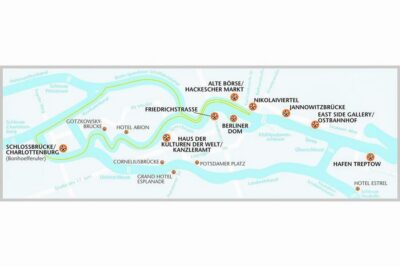
- Berlin: Boat Tour Along the River Spree
★ 4.4 · 11,252 reviews - Discover Berlin Half-Day Walking Tour
★ 5.0 · 9,624 reviews - Berlin: Government District around the Reichstag Guided Tour
★ 4.7 · 8,447 reviews - Berlin: Reichstag, Plenary Chamber, Cupola & Government Tour
★ 4.6 · 8,422 reviews
Rollberg and Innstrasse housing: how people were housed
Rollberg is a key theme here, specifically as a proletarian residence district. You’ll learn about the forces behind its development and why it took the shape it did. This matters because housing is where most people experience the city, day after day.
The tour also spotlights outstanding architecture of the housing complex on Innstrasse. Mass housing can easily look like plain utility from a distance, but a good guide points out details: how the structures relate to light, movement, and community space. It’s not only about where people slept. It is about how the district was designed for living at scale.
Along the way, you might also get a look at Rollberg atrium-style housing (atrium houses) depending on the route. The point is the same: this area’s history is written in apartment design and courtyards, not in abstract theories.
You’ll leave this section with a stronger sense of what “urban life” meant as Berlin industrialized, and how architecture tried to solve the practical problem of housing a growing population.
Town baths, pool facades, and Saalbau Neukölln for everyday culture
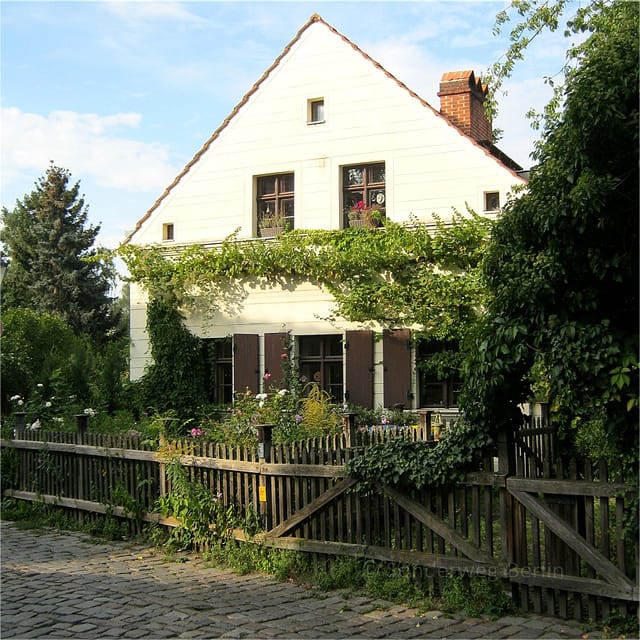
Public leisure buildings tell a different story than government or housing. You will admire the façade of the old Neukölln public pool, and that alone is worth slowing down for. Pools were social infrastructure. They made health and recreation more accessible, and in a dense neighborhood they became part of community routines.
Next, you get Saalbau Neukölln, which adds culture to the mix. Performance venues are often where a city’s values show up. Even if you never attend a show there, the building’s presence reminds you that this wasn’t only a place to work. People had places to gather, watch, and be entertained.
These stops also balance the walk. After heavy history in court and prison, and after housing and planning, the tour shifts into social space. That contrast is a big reason this experience feels satisfying instead of depressing.
Karl-Marx-Strasse arcades for how Berlin once flowed
On Karl-Marx-Strasse, you will explore the arcade. Arcades may sound like a shopping detail, but they are really about movement and weather-proof city life. They show how Berlin handled commerce, daily errands, and foot traffic before modern habits took over.
In practical terms, arcades give you a sheltered route through the neighborhood. In historical terms, they show a design strategy: covered passages keep people moving and keep street life active even when the weather turns.
It’s also a good mental rest between architectural stops. You can look, pause, and let the guide’s story settle. If you like taking photos that show street-level structure, this is a strong section for images that don’t look like tourist brochures.
Bohemian Rixdorf exile houses and Bethlehem Church on Richardplatz
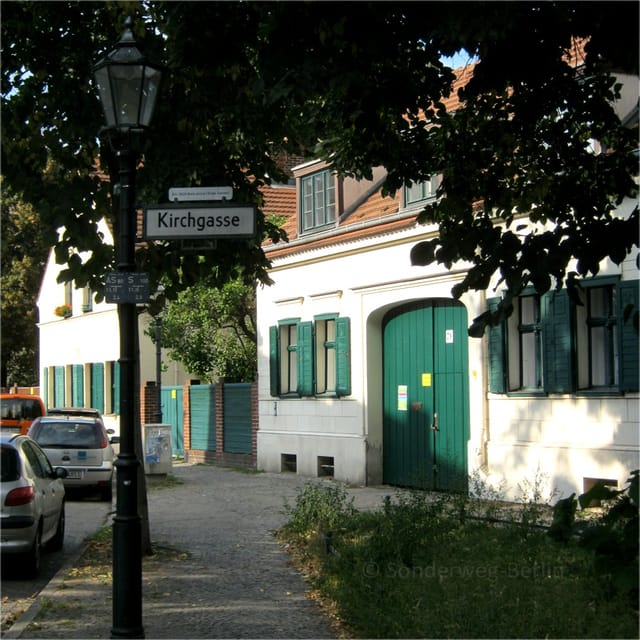
The tour closes with one of the most emotionally grounded sections. You’ll see exile houses in Bohemian Rixdorf and then visit Bethlehem Church on Richardplatz.
This is where the early refugee story becomes real. The Bohemian Exulanten were shaped by Protestant faith and puritan influences. When a community builds a church and organizes itself around worship, those choices affect more than religion. They influence social life, expectations, and even how neighbors think about belonging.
Richardplatz is highlighted as still carrying a village-like atmosphere, and that detail matters. It suggests you are not just looking at history behind glass. You are walking through a space that still has the “feel” of its past, at least in the scale and street character.
You will likely feel the narrative fully connect by the time you reach the Bethlehem Church. Name changes, migration, daily living, and public institutions all come together here in a way that’s easier to understand than in a museum setting.
Price, time, and who should go
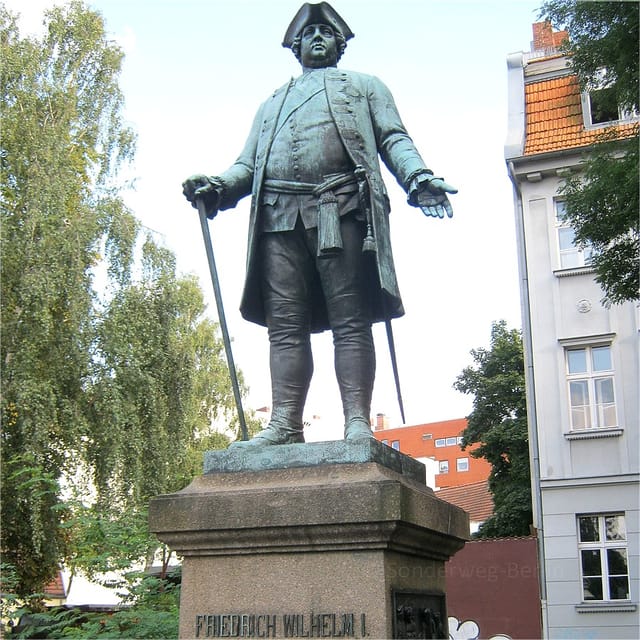
At $23 per person for a 2.5-hour guided walk, this is good value if you want context tied to specific places. You’re paying for an expert guide and for a route that hits multiple architectural and historical anchors without you having to plan a DIY itinerary.
Who it suits best:
- You want history explained in plain language tied to what you see
- You care about working-class neighborhoods and how cities house people
- You like architecture that tells functional stories, not just landmark selfies
- You prefer guided structure over spending your limited time hunting for the right streets
Who might find it less ideal:
- If you dislike walking, you might find the pacing a bit constant. This is not a sit-and-watch tour.
- If you only want top-tier, internationally famous landmarks, this route focuses on district-level history instead.
Should you book this Neukölln neighborhood tour?
If you want a Berlin experience that feels grounded and human, I’d book it. This tour is built around real places, from court and prison to civic buildings, public leisure, and the refugee-focused story around Richardplatz. The strongest part is how the guide connects architecture to everyday life, including the Rollberg housing era and the Bohemian Exulanten background.
Also, the small-group feel is a plus. On at least some dates, it can be very limited, even private, which makes it easier to ask questions and get the kind of personal explanation that turns facts into something you remember.
Go for it if Neukölln is on your mental shortlist. Skip it only if you want a heavy museum day or you simply can’t do 2.5 hours of walking.
FAQ
How long is the Berlin Neukölln neighborhood tour?
It lasts 2.5 hours.
What is the price of the tour?
The price is $23 per person.
Is the tour offered in English?
Yes. The live tour guide speaks German and English.
Is this tour wheelchair accessible?
Yes, it is wheelchair accessible.
What is included in the ticket price?
An expert tour guide is included.
What is not included?
Food and drinks, plus personal expenses, are not included.
Newest Berlin reviews on the site
- Jetbike Berlin fun bike beer bike★ 5.0 · 3 reviews
- Karl-Marx-Allee Walking Tour: Berlin’s Socialist History★ 5.0 · 5 reviews
- Homeless on chic streets: city tour in Berlin from personal experience★ 4.6 · 3 reviews
- Berlin: Sachsenhausen Concentration Camp Guided Tour★ 4.9 · 42 reviews
- Historyof the Trans, Queer & Gay communities of Berlin tour★ 4.8 · 17 reviews
- Historic Berlin Pubs & History Tour★ 4.9 · 73 reviews
- Berlin: City Center Walking Tour★ 4.7 · 45 reviews
- Half-Day Berlin Highlights Segway Expedition★ 4.5 · 61 reviews
Berlin Tours, compared.
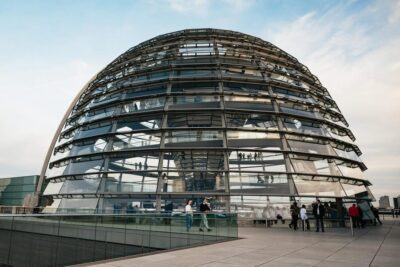
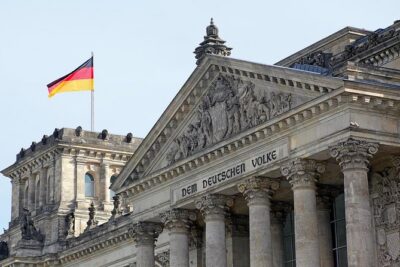
Reichstag, Dome and Government District Guided Tour
Read our review →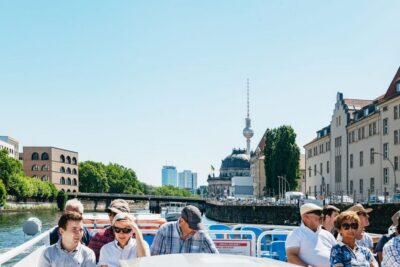
1-Hour City Tour by Boat with Guaranteed Seating
Read our review →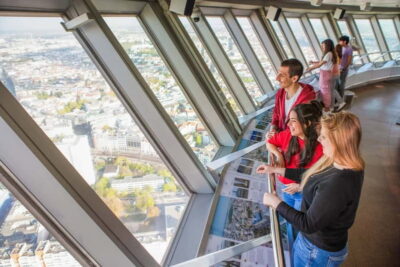
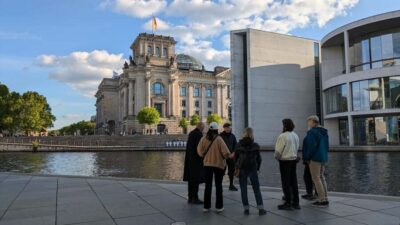
Government District around the Reichstag Guided Tour
Read our review →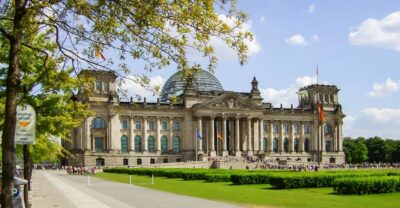
Reichstag, Plenary Chamber, Cupola & Government Tour
Read our review →