
Reviewed · MUSEUMS
Potsdam: Museum Barberini Entry Ticket
Two hours of Monet in Potsdam. I love the Impressionist collection built from founder Hasso Plattner’s holdings, especially how you see famous painters like Berthe Morisot, Paul Cézanne, Gustave Caillebotte, and Pierre-Auguste Renoir side by side. I also like the digital audio guide in the Barberini app, because it helps you slow down and read the paintings without guessing. One catch: you cannot bring bags or backpacks, so plan to travel light.
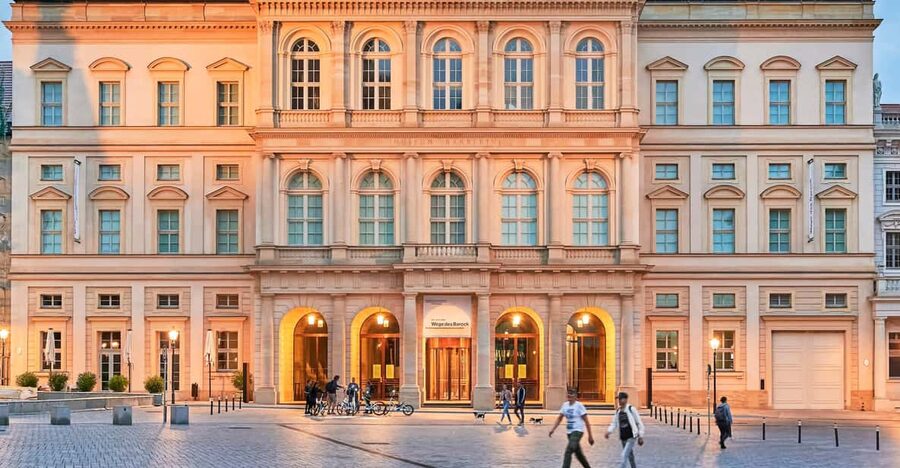
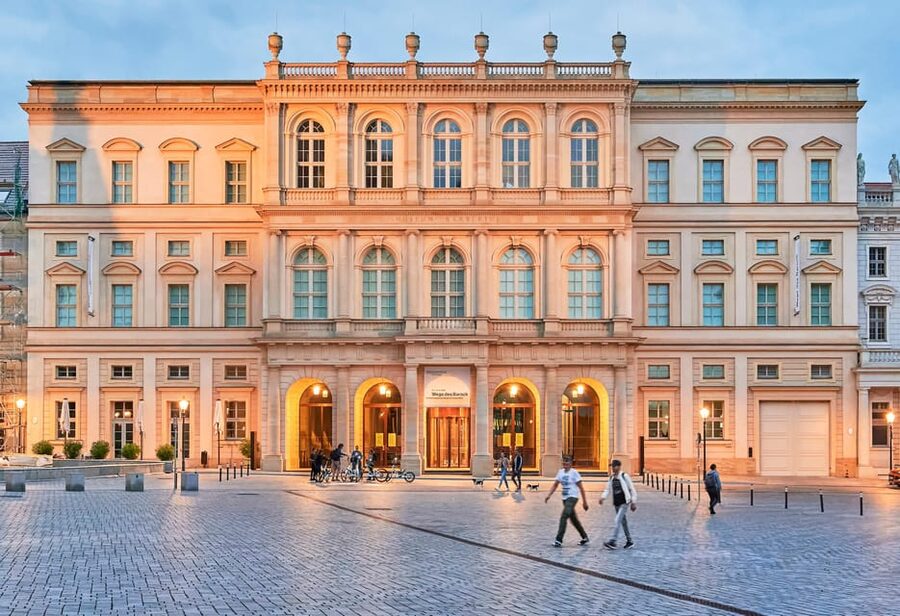
The museum is in a reconstructed palace in Potsdam’s historic center, and that setting makes the visit feel more like art at home than art in a warehouse. You get access to the permanent Impressionist collection plus a special exhibition slot during your visit, which gives you variety without turning it into a long day. You’ll likely be done in about 2 hours, and the building is wheelchair accessible, but you should expect strict house rules like no touching and no food or drinks inside.
If you want a high-quality art stop that fits between walks through Potsdam, this ticket is a smart one. The museum is also easy to use at your pace: follow the gallery flow, use the app when a painting grabs you, then finish with the museum store and Barberini Café.
In This Review
- Key highlights that make this ticket worth it
- Price and value at Museum Barberini
- Start in the reconstructed palace, then use the 2-hour rhythm
- The Impressionist collection: how you’ll see light and structure differently
- Claude Monet’s second-largest collection in Europe: what to look for
- Special exhibitions at Museum Barberini, included with your ticket
- Museum rules you should know before you get inside
- Using the Barberini app audio guide the smart way
- Wrap-up: store and Barberini Café
- Who should book Museum Barberini tickets?
- Should you book? My quick decision checklist
- FAQ
- How much is the entry ticket?
- How long should I plan for Museum Barberini?
- What is included with the ticket?
- Are special exhibitions included?
- Are food and drinks allowed inside?
- Is the museum wheelchair accessible?
Key highlights that make this ticket worth it
- Over 100 Impressionist paintings from Hasso Plattner’s collection, so there’s real depth, not just a few showpieces
- A major Claude Monet presence, including the second-largest Monet painting collection in Europe
- A useful digital audio guide via the Barberini app, downloadable to your phone for in-gallery listening
- Special exhibitions included, with three different exhibitions happening across the year from outside loans
- A great mix of famous names, including Berthe Morisot, Pierre-Auguste Renoir, Gustave Caillebotte, Paul Cézanne, and Paul Signac
Price and value at Museum Barberini
At about $11 per person, this ticket is priced like a classic museum visit, not a luxury experience. The value comes from what you get for the time: entry to the museum, access to the permanent Impressionist collection, and access to a special exhibition running during your visit. In other words, you are paying for variety inside a concentrated 2-hour plan.
The collection itself is the big reason the price feels fair. You’re not only looking at one painter or one theme. You’re seeing a broad sweep of Impressionist work, plus artists whose styles sit close enough to compare directly, like Morisot and Renoir on one wall, then Cézanne and Caillebotte creating different ways to build form with paint.
You’ll also get a free digital audio guide through the Barberini app. That matters because it turns “I’m looking” into “I’m looking with context.” If you tend to skim when you’re tired, the app gives you a reason to pause at the right spots, and that turns a short visit into a satisfying one.
A few more Potsdam walks and trips to compare
- Berlin: Jewish Museum Berlin Entrance Ticket
★ 4.5 · 8,393 reviews - Berlin: DDR Museum Tickets
★ 4.3 · 3,443 reviews - Berlin: Natural History Museum Entrance Ticket
★ 4.6 · 3,382 reviews
Start in the reconstructed palace, then use the 2-hour rhythm
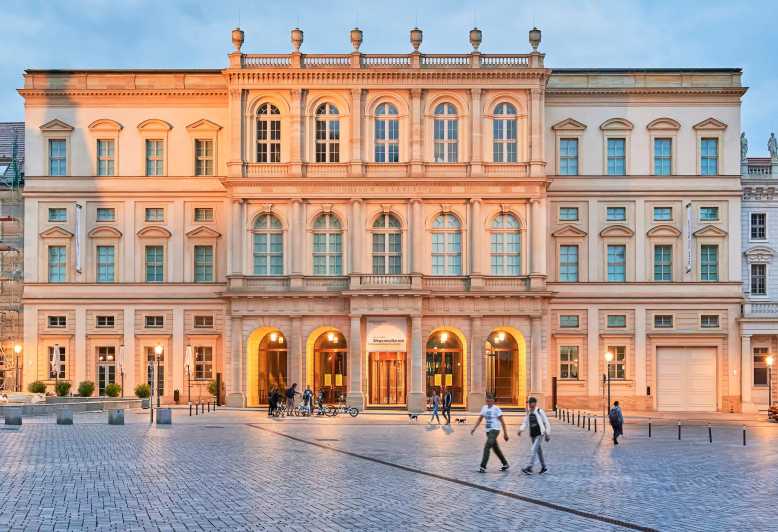
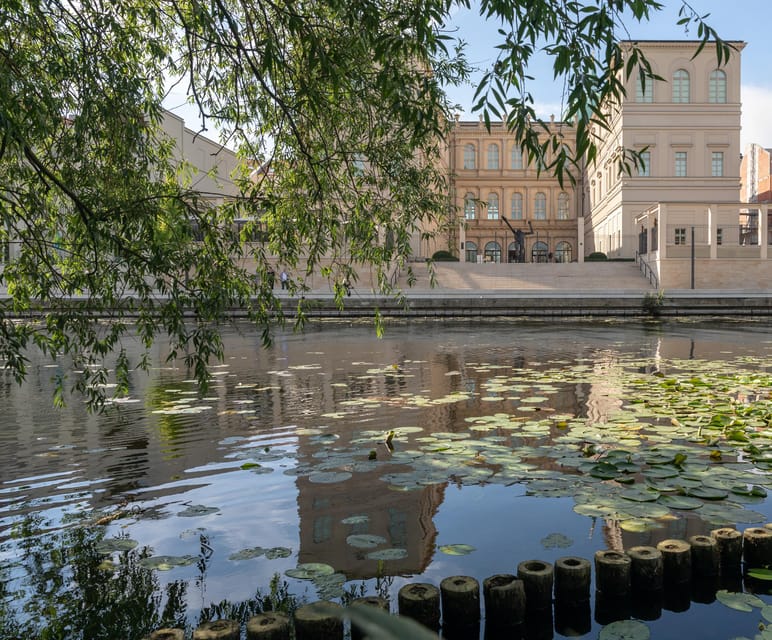
Museum Barberini lives in a reconstructed palace in Potsdam’s historic center. That is not just a decoration detail. The rooms and flow make it easier to settle in and let the art take over, instead of feeling rushed from one bare gallery to the next.
With a total visit time of around 2 hours, I’d treat it like a focused art sprint:
- Go straight to the permanent collection first, since that’s the backbone of the ticket.
- Use the audio guide on paintings that catch your eye, not on every single work. The goal is depth, not completion.
- Save enough time for the special exhibition area, so it doesn’t feel like an afterthought.
The museum is wheelchair accessible, so you can expect a layout built to support different visitors. Still, do yourself a favor and wear comfortable shoes. Even without long corridors described, you’re touring a lot of rooms with lots of paintings, and 2 hours can disappear quickly if you stop at every label.
Also, the museum has clear rules that shape your timing. No touching and no food or drinks inside means you won’t have to worry about distractions. It also means your visit depends on planning for what you bring with you, especially if you are used to carrying a small day bag.
The Impressionist collection: how you’ll see light and structure differently
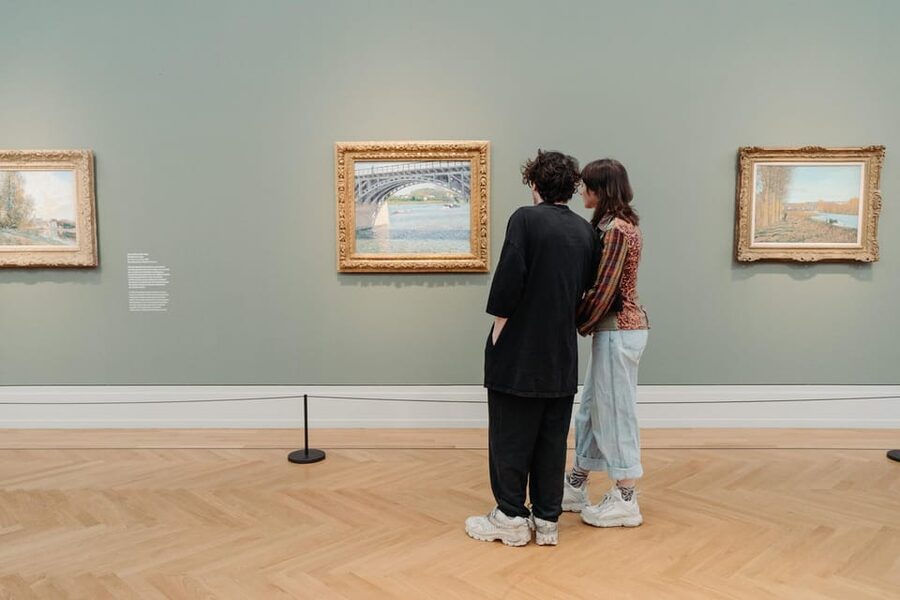
The heart of the visit is the permanent Impressionist collection from Hasso Plattner’s holdings. Expect over 100 Impressionist paintings, including major names like Claude Monet, Pierre-Auguste Renoir, Berthe Morisot, Gustave Caillebotte, Paul Signac, and Paul Cézanne.
Here’s what I like about this lineup, and what you’ll notice fast: the paintings are not only pretty. They teach you how artists trained their eyes to separate what they saw from what they made. Impressionism can feel like a style where everything is broken into strokes, but the best works still look carefully constructed.
Use the app to help you read the method. The information you get is aimed at the way observation creates realism, even when the surface looks abstract. In plain terms: the painters weren’t just painting a feeling. They were recording light, movement, and atmosphere with a technical strategy.
One practical tip for the galleries: if you find yourself staring at the overall scene, switch to a smaller area for 20 seconds. Look at edges, shadows, and how color changes across the sky or water. In Impressionist work, that’s often where the real intelligence shows up.
And because the museum holds such a broad grouping, you can compare styles without needing a whole day of museum hopping. Morisot’s feel for quiet moments, Renoir’s warmth, Caillebotte’s crisp urban angles, and Cézanne’s structural thinking all create a kind of visual conversation. That makes the collection more than a checklist.
Claude Monet’s second-largest collection in Europe: what to look for
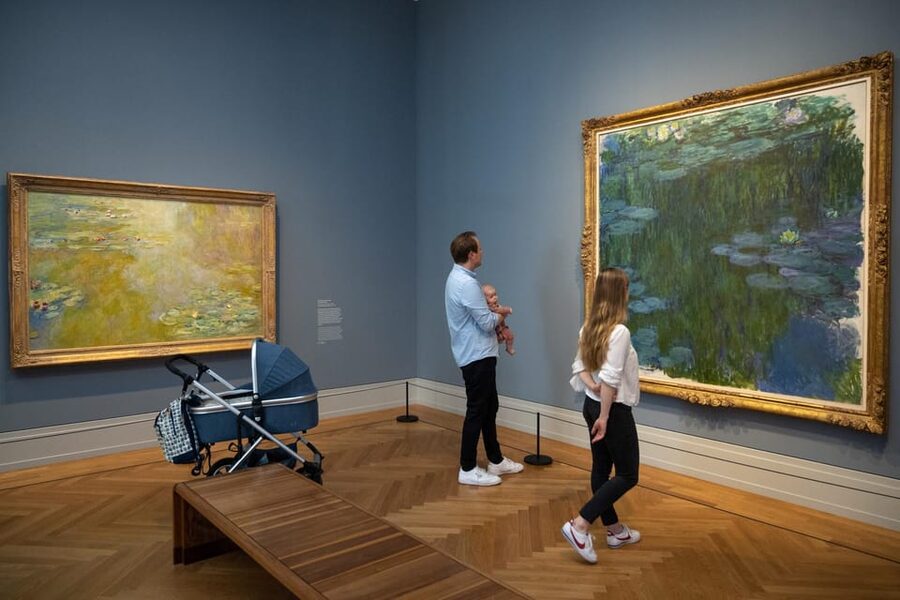
Monet is the headline name here, and for good reason. The museum has the second-largest collection of Claude Monet paintings in Europe. Even if you have seen Monet before, this scale changes the experience. It turns “a few famous paintings” into a series of variations, almost like stepping through seasons of the same idea.
So what should you actually look for, beyond the obvious famous subjects? I’d focus on three things:
- How the light behaves from one work to the next, especially how shadows turn into color.
- How water, sky, and air blend, where the painting stops being a diagram and becomes a sensory effect.
- How brushwork turns into form, meaning the strokes do more than decorate. They build the scene.
The special thing about a collection like this is that you start recognizing habits. Monet repeats certain strategies, then changes them. That’s where you learn instead of just admire.
If you’re tempted to rush, don’t. Spend extra time in Monet rooms even if you feel behind. With only a 2-hour window, it’s tempting to “cover everything.” But your money is best spent on lingering long enough to notice the differences.
And if you’re traveling with someone who isn’t an art obsessive, Monet is a friendly anchor. You can talk about mood, color, and what feels real, even if you skip the deeper terminology.
Same city, a different way to spend the afternoon:
- Potsdam: City and Castles Tour
★ 4.7 · 3,721 reviews - Potsdam: Palace Tour by Boat
★ 4.5 · 2,369 reviews - Potsdam: Sanssouci Palace and Prussian Palaces Entry Ticket
★ 4.5 · 2,101 reviews - Potsdam by Boat: Island Cruise
★ 4.6 · 1,308 reviews
Special exhibitions at Museum Barberini, included with your ticket
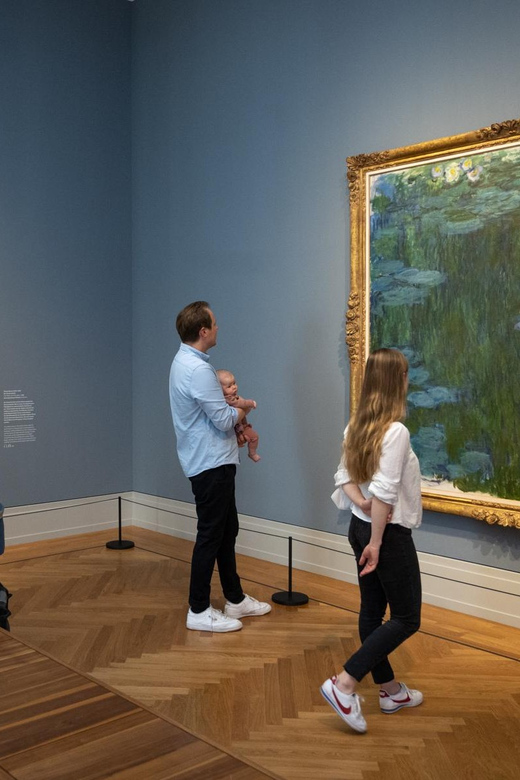
Alongside the permanent collection, the ticket includes access to a special exhibition during your visit. The museum runs three special exhibitions annually, with loans from international museums and collections. That setup is what keeps the museum from feeling static.
Because the exact exhibition content for your day is not listed here, you should treat the special exhibition as a bonus layer. It is a way to refresh your perspective after you spend time with the core Impressionist works. If you’re a fan of specific artists or you like comparing techniques, the special exhibit can do that for you within a different context.
What’s smart is that the special exhibitions are included, so you don’t need extra ticket decisions just to get the value. It also means your 2-hour visit can be planned without the stress of figuring out what’s worth paying more for.
The museum also has a schedule of public programs like symposia, readings, guided tours, concerts, film evenings, and workshops. But education programs, workshops, and events are not included with your entry ticket, so those are optional add-ons if you happen to find something scheduled on your dates.
Museum rules you should know before you get inside
Museum rules are part of the experience, because they affect what you bring and how quickly you can settle in. Here are the key restrictions that matter most for planning:
- No food and drinks
- No pets, except assistance dogs
- No bikes
- No backpacks, and bags are not allowed
- No touching exhibits
- No making fire
- No littering
- No climbing
The bag and backpack rule is the biggest practical one. If you typically travel with a day bag, you may need to rethink what you carry. If you have essentials, travel with a minimal setup so you do not end up stuck outside with a problem you can’t solve on the spot.
The no-touching rule is normal museum practice, but it does shape the visit in a good way. It keeps the art safe and helps you focus on looking, not on accidental contact.
Also, because pets are not allowed, plan accordingly if you’re traveling with a furry companion. Assistance dogs are allowed, so that route is built in.
Using the Barberini app audio guide the smart way
Your ticket includes a digital audio guide via the Barberini app, downloaded to your phone. This is one of those extras that can either feel helpful or annoying depending on how you use it.
Here’s the approach I recommend:
- Download the guide before you start moving through galleries, so you do not waste time hunting for connectivity.
- Use it like a filter. When a painting makes you stop, turn on the audio for that moment.
- If you feel yourself tuning out, switch to a different painting instead of forcing the same track.
Because you’re in a museum with over 100 paintings, the audio guide becomes the difference between feeling overwhelmed and feeling in control. It turns a short visit into something structured, without making it feel like a school tour.
And if you like art history, it’s still usable. You’re not limited to “fun facts.” You can use the guidance to understand what you’re seeing: how artists created realism from observation, even while working with techniques that can look abstract at first glance.
Wrap-up: store and Barberini Café
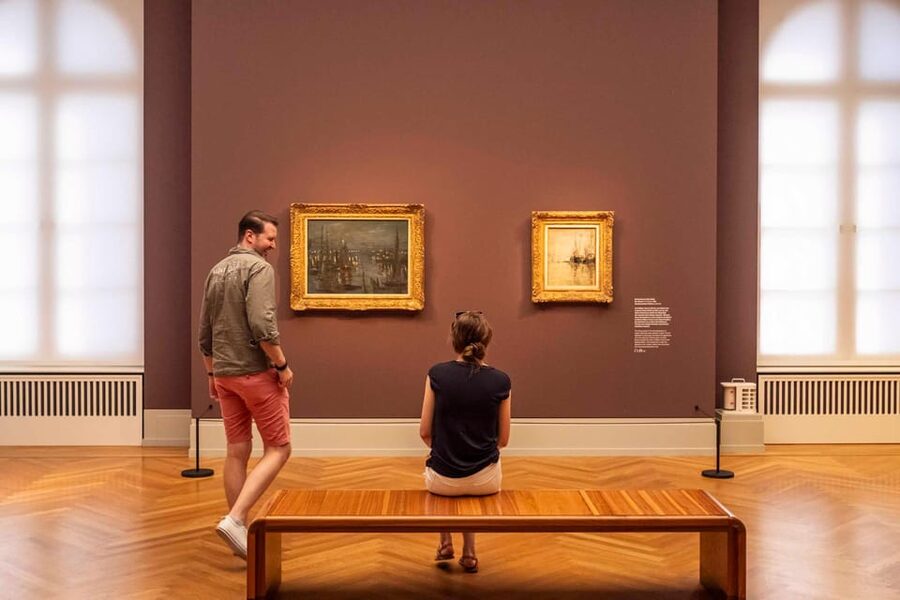
After the galleries, take a few minutes for the museum store and the Barberini Café. This works well because it gives you a natural landing point after you finish the art.
One practical note: even if the café is on-site, the museum rules still say no outside food and drinks. So treat the café as your planned break, not as a place to bring your own snacks into galleries.
If you’re doing a longer day in Potsdam, the café is a useful reset before you head back out into the streets.
Who should book Museum Barberini tickets?
I think this ticket fits best if you want:
- A strong Impressionist hit in a short time
- Big-name artists in one place, especially Monet
- Context to help you look more carefully without paying for a separate guided tour
It’s also a good choice if you like structured self-guided visits. The digital audio guide is included, and the 2-hour time frame makes it easy to plan around other Potsdam stops.
Who might want to think twice? If you absolutely need a bag or backpack with you during sightseeing, the museum’s bag restrictions could make your day harder. If you plan to spend hours and hours reading every label, 2 hours might feel tight, but you can still prioritize the works that matter most to you.
Should you book? My quick decision checklist
Book this ticket if you want a high-value art experience that fits into a tight schedule. For about $11, you get access to over 100 Impressionist paintings, a special exhibition, and a free audio guide through the Barberini app. The Monet factor is strong here too, with the second-largest Monet collection in Europe.
Skip it or adjust expectations if you’re carrying a lot of gear, because bags and backpacks are not allowed. Also, if you expect a heavily guided education-style program, remember workshops and events need extra tickets.
If your goal is to see serious art, not just pass through a museum, this one is worth your time.
FAQ
How much is the entry ticket?
The price is listed as about $11 per person.
How long should I plan for Museum Barberini?
The duration is listed as 2 hours.
What is included with the ticket?
You get entrance to Museum Barberini, access to the permanent collection of Impressionist paintings, access to the special exhibition, and a digital audio guide via the Barberini app.
Are special exhibitions included?
Yes. Your ticket includes access to the permanent collection and access to the special exhibition.
Are food and drinks allowed inside?
No. Food and drinks are not allowed.
Is the museum wheelchair accessible?
Yes. Wheelchair accessibility is listed.
Newest Potsdam reviews on the site
- Potsdam: Entry to DAS MINSK Kunsthaus in Potsdam★ 4.1 · 24 reviews
- 4h Unforgettable Tour with Skipper, “Seven Lakes Cruise”★ 5.0 · 5 reviews
- 4h Harbor and Castle Sightseeing Cruise, our most booked!★ 5.0 · 5 reviews
- Potsdam: City Sightseeing Hop-On Hop-Off Bus Tour★ 4.2 · 864 reviews
- Potsdam by Boat: Island Cruise★ 4.6 · 1,308 reviews
- Potsdam: Sanssouci Palace and Prussian Palaces Entry Ticket★ 4.5 · 2,101 reviews
- Potsdam: Palace Tour by Boat★ 4.5 · 2,369 reviews
- Potsdam: City and Castles Tour★ 4.7 · 3,721 reviews
Museums, compared.


Skip-the-Line: Berlin Wall Museum at Checkpoint Charlie
Read our review →Browse the lists this tour appears in