
Reviewed · CYCLING TOURS
Munich: Street Art Bike Tour
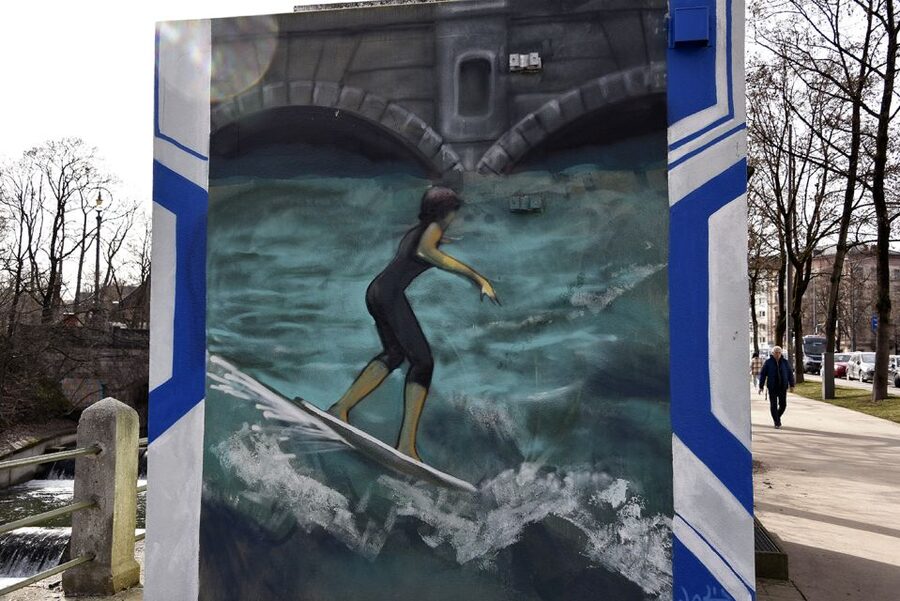
Munich hides graffiti in plain sight. On this street art bike tour, you pedal through the city’s wall-to-wall history, from early German graffiti energy in the 1980s to newer artists leaving their mark. I especially love the Isar river ride, where the art shows up in unexpected stretches, and the tour’s 1980s graffiti history lessons, which turn colorful walls into a real cultural timeline.
You should know one key consideration: the live guide is German, so if you rely on English only, plan for some interpretation through the group and the guide’s explanations. Still, it can work out well if you’re comfortable with basic back-and-forth.
In This Review
- Key things to look forward to
- Munich’s graffiti story starts here, and you ride through it
- Marienplatz meeting point: how to find your guide fast
- Riding along the Isar: art you can spot without backtracking
- Giesing: pedal away from the crowds and see the city’s other side
- The slaughterhouse district stop: where history and grit meet color
- The boat break at a railway bridge: a calm reset in the middle
- Old masters and newer artists: what the guide helps you notice
- Bikes and timing: why 3.5 hours works well for most people
- Price value: is $40 worth a guided ride and art context?
- Who this tour suits best, and who should reconsider
- Should you book the Munich Street Art Bike Tour?
- FAQ
- Where is the meeting point for the Munich Street Art Bike Tour?
- How long is the tour?
- How much does the tour cost?
- What’s included in the price?
- What language is the tour guide?
- Is there an option for private groups?
- Are alcohol and drugs allowed during the tour?
- Is the tour suitable for children?
- Can wheelchair users join the tour?
- What’s the cancellation and payment flexibility?
Key things to look forward to
- A Marienplatz start with a clear meeting point, right by the Tourist Information Office, using the yellow tour sign with red letters
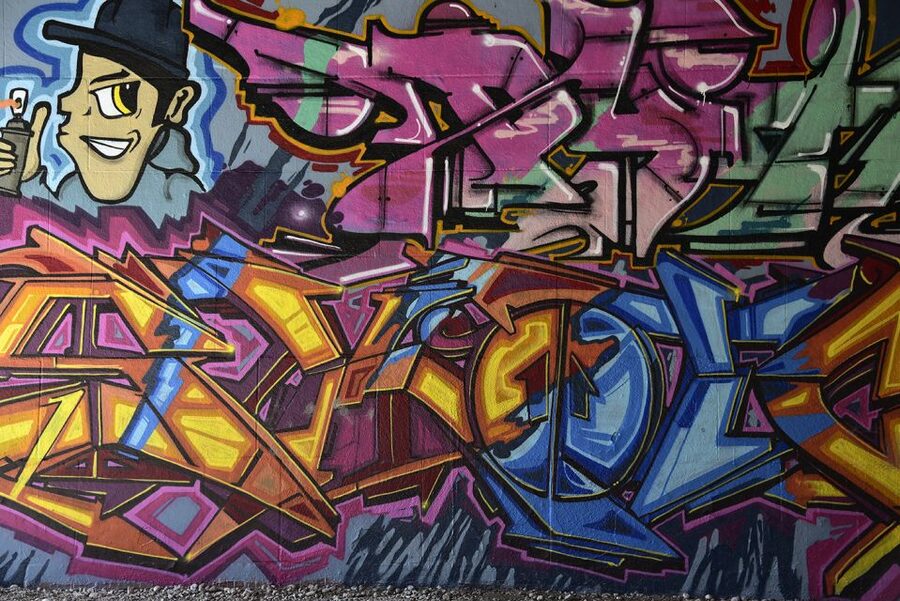
- Isar river art along your bike route, perfect for seeing pieces you would probably walk past
- Giesing’s working-class streets, where the city’s alternative art scene feels more grounded
- Old masters of the graffiti movement plus newer street artists, with facts that connect both eras
- A boat break at a railway bridge, a relaxing pause built into the loop
Munich’s graffiti story starts here, and you ride through it
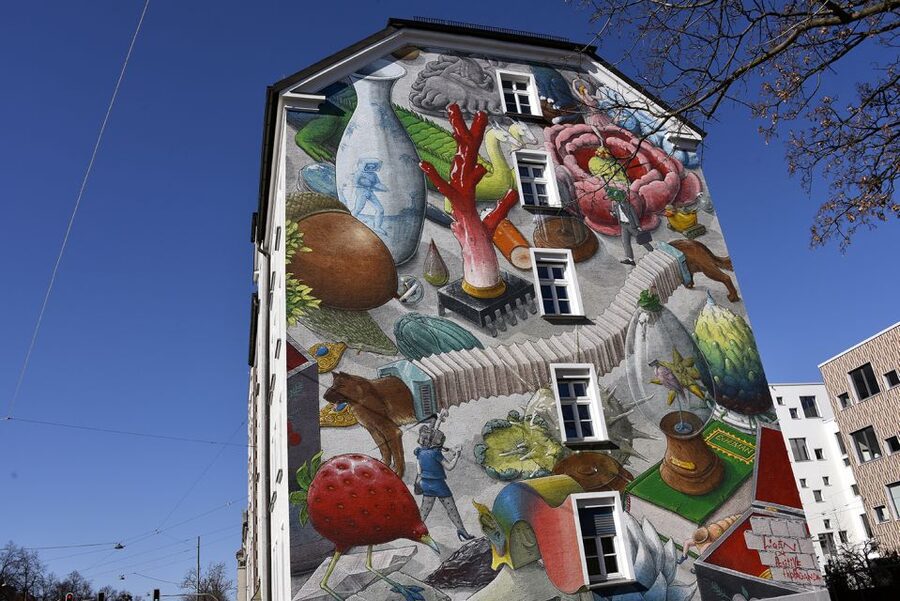
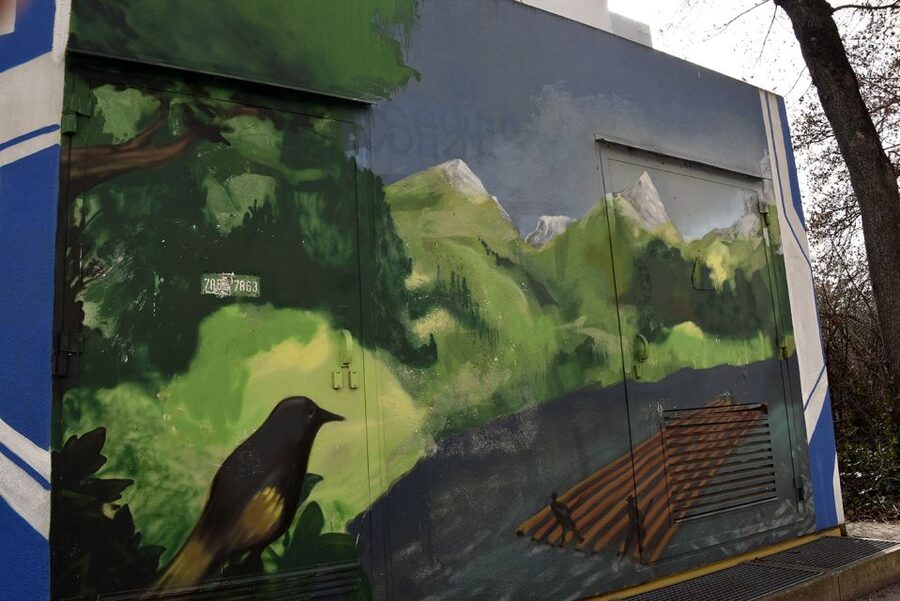
Munich has a reputation for being tidy and polished. That makes this tour extra fun, because it puts the city’s messier, more rebellious creative side on full display. The graffiti movement in Germany took off here in the 1980s, and Munich became a major reference point for artists, alongside New York. On your bike, you don’t just see art, you see how a culture grows, spreads, and changes over time.
The tour’s big value is that it treats street art like something you can learn. You get context about the history of graffiti, and you also learn how artists think about placement, style, and public space. That matters because a lot of street art loses power when it’s viewed as random decoration. Here, it becomes a story you can track from stop to stop.
And yes, the color is real. You’ll be riding past walls that look like they are still moving, even when you’re standing still. If you enjoy art that’s made for the street, not for a museum label, you’ll feel at home.
More Bike Tours in Munich
- Munich 3-Hour Guided Bike Tour
★ 4.5 · 1,731 reviews - Classic Mike’s Bike Tour daily @ 11.30 incl Beer Garden & Surfers
★ 5.0 · 1,246 reviews - Neuschwanstein Castle by Bus Incl. Bike Ride or Hohenschwangau
★ 5.0 · 607 reviews
Marienplatz meeting point: how to find your guide fast
Your tour begins at Marienplatz, in front of the Tourist Information Office. Your guide will be holding a yellow street art tour sign with red letters, which is helpful if you are meeting a group in a busy square.
Why this matters: Munich’s center can feel like a postcard, but it also has crowds and a lot of foot traffic. A specific, visible sign like that is the difference between a smooth start and wasting time hunting. Aim to arrive a few minutes early so you can get your bearings and help your group settle before rolling out.
The tour runs 210 minutes, so it’s long enough to get real variety, but not so long that it turns into a tiring endurance test for everyone. Since it includes bike rental, you’re not wrestling with finding and managing your own wheels.
Riding along the Isar: art you can spot without backtracking
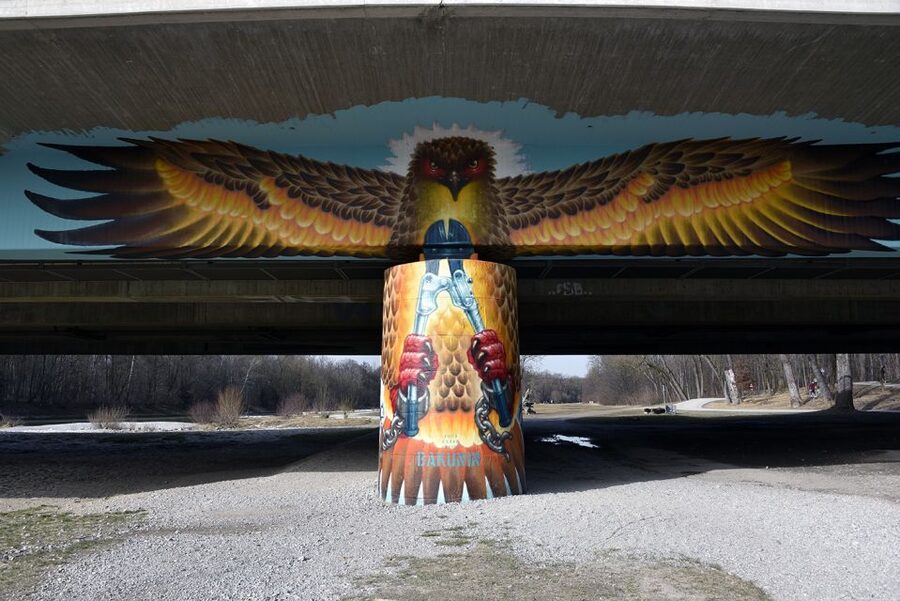
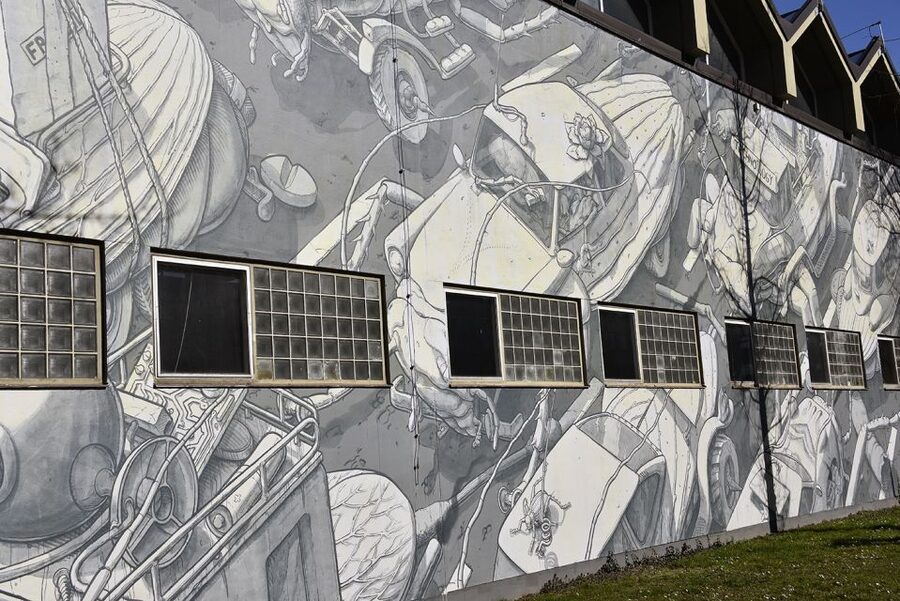
One of the core parts of the experience is the bike route along the Isar river. This is where the tour feels practical and clever. You’re moving at a pace that lets you look at murals and tags carefully, without having to stop every few seconds just to keep up.
Strolling the Isar might sound like something you could do on your own. The difference is that a guide can point out what you should notice, and when. Instead of seeing graffiti as scattered splashes, you start recognizing patterns: recurring themes, stylistic shifts, and how artists respond to the specific spots they choose.
You also get a sense of how graffiti can become part of local identity. Along the river, pieces can feel both intimate and public at the same time. They sit in everyday sightlines, which is exactly why graffiti culture spread so quickly in the first place: it’s not tucked away. It shows up where people live their routines.
Giesing: pedal away from the crowds and see the city’s other side
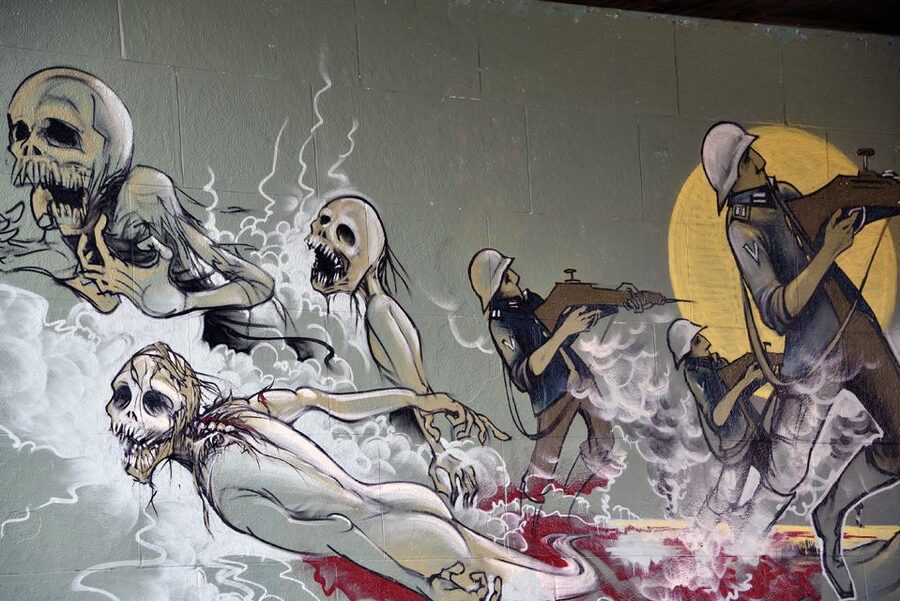
After the river stretch, you head toward Giesing, described as a former working-class neighborhood. That shift in neighborhood character is part of what makes the tour worthwhile. Munich center can feel like it belongs to everyone with a camera. Giesing feels more like it belongs to people who already know the streets.
What I like about this segment is the way it changes your viewing perspective. Street art in a more residential or industrial-feeling area can look different than it does around major landmarks. You start to see how artists use walls that aren’t chosen for tourist flow, but for real community space. That can make the art feel more grounded, because it’s interacting with everyday life instead of only being staged for attention.
This is also the part of the tour where you are more likely to feel like you are getting off the beaten path. The goal isn’t to find isolated graffiti in the middle of nowhere. It’s to ride to a part of Munich where the context around the art feels more direct.
A few more Munich walks and trips to compare
- Art Nouveau Meets Street Art in Munich (Max. 12 guests)
★ 5.0 · 4 reviews - Berlin: City Street Art Guided Walking Tour
★ 4.8 · 1,051 reviews - Berlin: 3-Hour Street Art Tour
★ 4.7 · 778 reviews - Dresden: Neustadt District Street Art Guided Walking Tour
★ 4.3 · 333 reviews
The slaughterhouse district stop: where history and grit meet color
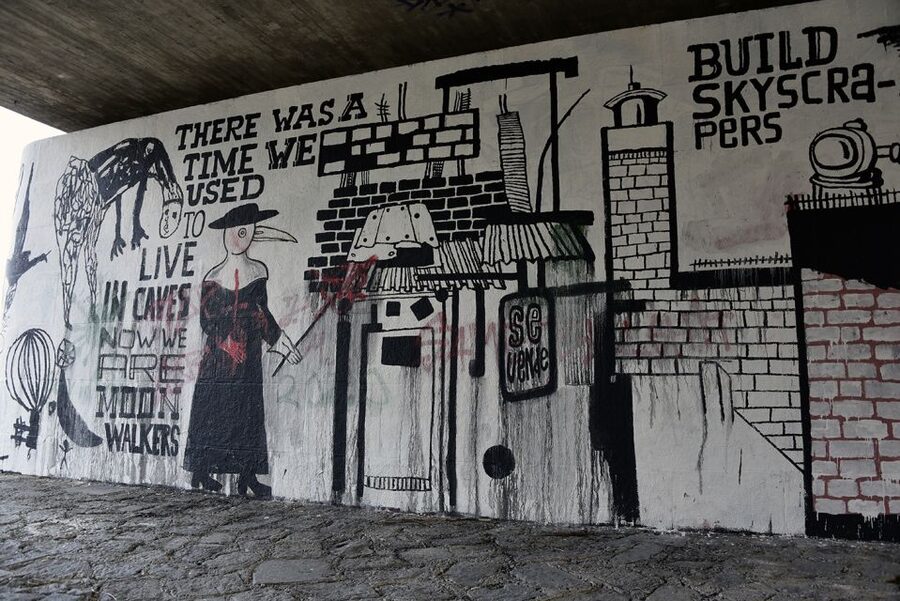
From Giesing, the route continues toward the slaughterhouse district. That name alone hints at why this stop can be interesting for street art fans: the atmosphere tends to be more industrial and serious, which can create strong contrast with the bright work on display.
You get the feeling that street art doesn’t just decorate space. It claims space. In industrial zones, that claim can feel especially bold. And when the guide connects the dots to the older graffiti masters from the early movement, you’re reminded that this culture started with people pushing against limits.
One thing to keep in mind: because this is an active biking tour, you’ll be moving through areas on a schedule. You might not have unlimited time for each wall. If you love details, bring the mindset that this is a guided “map your impressions” experience. Your goal is to see a range of works and understand why they matter, not to spend an hour alone with one mural.
The boat break at a railway bridge: a calm reset in the middle
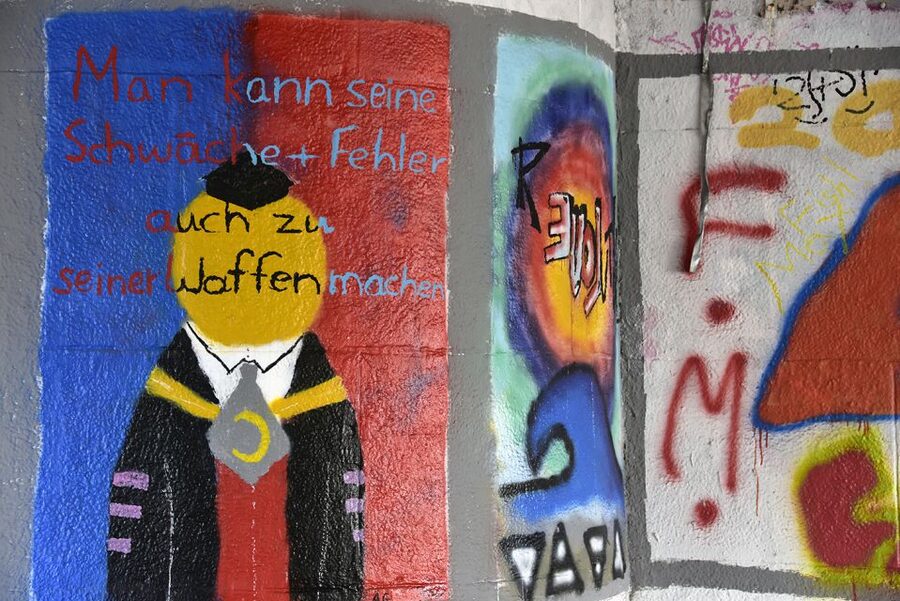
After you’ve covered ground on the bikes and walked through selected spots, the tour includes a break on a boat at a railway bridge. This is the built-in pause that makes a street art tour feel like a proper outing instead of nonstop stopping and pointing.
It’s also a smart rhythm change. Even if you love street art, staring at walls for 2 or 3 hours can get mentally repetitive. A boat interlude resets your eyes and your legs, and it gives you a different angle on the area around the river and rails.
If you’re someone who appreciates variety in a city tour, this is the moment you’ll likely look forward to. It gives you time to regroup, take a breath, and enjoy the scenery while still staying in the same theme of the day.
Old masters and newer artists: what the guide helps you notice
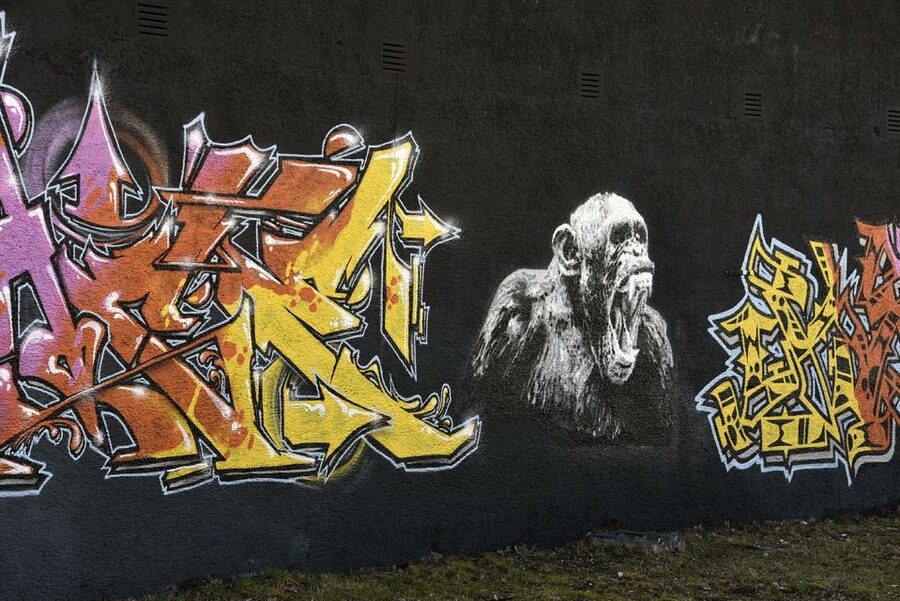
A big promise of this tour is that you’ll see artworks from renowned street artists and also from up-and-coming newcomers. The value is not simply in name recognition. It’s in understanding how different generations approach similar ideas: lettering styles, color choices, character-driven pieces, and how artists build their visual language.
The tour also aims to help you connect Munich’s role in the early German graffiti movement to what you see today. Since Munich is described as a mecca for graffiti artists in the 1980s, it makes sense that the tour treats the street scene as an evolving culture rather than a series of disconnected murals.
I find that context changes how you take photos too. Instead of shooting everything that looks bright, you start looking for what makes a piece belong to a particular era or influence. That’s where the guide’s facts are most useful. Even if you already know some graffiti terminology, the tour can help you place styles into a timeline.
Bikes and timing: why 3.5 hours works well for most people
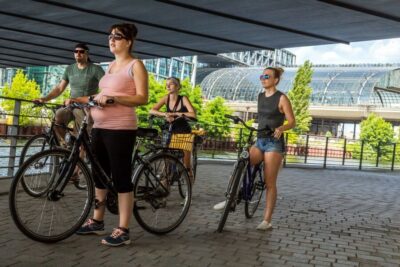
This tour is 210 minutes and includes rental bikes, which removes a big headache in Munich. You’re not negotiating with bike shops or worrying about finding the right model. The bike rental also helps keep the group moving in sync.
The other timing benefit: 3.5 hours is long enough to get meaningful distance. You do more than just “cover a few streets.” You ride along the Isar, head toward Giesing, and go further toward the slaughterhouse district, so you’re not trapped in one tiny neighborhood bubble.
That said, pace still matters. One review noted the tour was a bit long for a 12-year-old. And since the tour is not suitable for children under 10, it’s best to think of it as an adult-focused or teen-with-interest kind of activity. If you’re bringing younger kids, you should expect they may get impatient with a multi-stop biking format.
Also, alcohol and drugs are not allowed. That’s a good rule for safety and comfort, especially for a group ride.
Price value: is $40 worth a guided ride and art context?
At $40 per person, this tour lands in the reasonable range for a guided experience that includes bike rental and a mix of riding plus stops. The practical value is that you get transportation handled and you get someone steering you toward the alternative side of Munich.
If you were to recreate this on your own, the biggest cost wouldn’t just be bike rental. It would be your time spent figuring out where to look, what to look for, and how to understand it. Street art can feel random if you’re not sure what you’re seeing. A good guide helps you spend your attention on the pieces that matter, and it compresses learning into a half-day style experience.
The boat break at a railway bridge also adds value because it’s not something you typically build into a DIY plan. It changes the tour from a simple “bike and photo stops” loop into something with rhythm.
In short, if you’re the type of traveler who enjoys learning while moving, $40 can feel like a fair deal. If you only want a quick photo walk with zero context, you might find it a bit structured.
Who this tour suits best, and who should reconsider
This is a great fit if you:
- Like street art as culture, not only as decoration
- Want a bike route that takes you beyond central tourist streets
- Enjoy history facts tied to what you see in real locations
- Prefer guided pacing over reading your way through maps
It may be less ideal if you:
- Need a wheelchair accessible route, since it’s not suitable for wheelchair users
- Have very young kids, because children under 10 are not suitable
- Only speak English and are worried about a German-only tour format, though the experience may still work if the guide is patient and your group clicks
If you’re a solo traveler, you’ll likely do fine as long as you enjoy group dynamics. The tour is also offered with private group options if you want a smaller setting.
Should you book the Munich Street Art Bike Tour?
I think you should book it if your idea of a great Munich day includes color, street culture, and a guided route that actually takes you off the main paths. The combination of the Isar river ride, the move to Giesing, the industrial-feeling slaughterhouse district, and the mid-tour boat break makes it feel like a full, varied outing, not a quick stop-and-go photo tour.
I would skip or reconsider if you are not comfortable with a longer, active bike-based format, or if German-only narration would make you tune out. Also, if your priority is famous museum highlights, this won’t match that style of sightseeing.
Bottom line: for art lovers and active city walkers who want real local context, this is an excellent use of a half-day in Munich.
FAQ
Where is the meeting point for the Munich Street Art Bike Tour?
Meet your local guide in front of the Tourist Information Office at Marienplatz. The guide will be holding a yellow street art tour sign with red letters.
How long is the tour?
The duration is 210 minutes.
How much does the tour cost?
The price is $40 per person.
What’s included in the price?
Included are a tour guide and rental bikes.
What language is the tour guide?
The live tour guide speaks German.
Is there an option for private groups?
Yes, a private group is available.
Are alcohol and drugs allowed during the tour?
No, alcohol and drugs are not allowed.
Is the tour suitable for children?
It is not suitable for children under 10 years.
Can wheelchair users join the tour?
No, the tour is not suitable for wheelchair users.
What’s the cancellation and payment flexibility?
You can cancel up to 24 hours in advance for a full refund. You can also reserve now and pay later.
More Cycling Tours in Munich
- Munich: Guided City Tour by Bike with Beer Garden Stop
★ 4.7 · 604 reviews - Munich Small-Group Bike Tour
★ 4.5 · 510 reviews - Munich by Bike: Half-Day Tour with Local Guide
★ 4.7 · 417 reviews - Munich: Bike Tour with Beer Garden Break
★ 4.9 · 391 reviews
Newest Munich reviews on the site
- South Tyrolean specialties and wine tasting★ 5.0 · 5 reviews
- Size Matters Beer Tour Munich★ 4.6 · 105 reviews
- Short & sweet: Tasting the Viktualienmarkt★ 4.8 · 37 reviews
- Schwabing: Insider Tour! Neighborhood, Revolt, Secrets in Munich’s Cult District★ 4.9 · 28 reviews
- From Munich: Royal Fairytale Tour★ 4.9 · 56 reviews
- Munich: Romantic Wine Experience for Two at Viktualienmarkt★ 4.2 · 14 reviews
- Munich: Resistance against Hitler – Historical Walking Tour★ 5.0 · 5 reviews
- Residence of Munich private tour with skip the line ticket★ 5.0 · 4 reviews
Cycling Tours, compared.
Sights and Highlights Bike Tour with a Local Guide
Read our review →
Classic Mike’s Bike Tour daily @ 11.30 incl Beer Garden & Surfers
Read our review →
Browse the lists this tour appears in