
Reviewed · MUNICH TOURS
Hidden Architectural Gems of Munich (Max. 16 guests)
Munich has a side most walks skip. This 150-minute, max-16-guest tour links architecture, street art, and the Isar River into one smooth, human-sized route, starting at Piazza Zenetti. You’ll get an official city guide who’s also an architect, so the details feel practical, not academic.
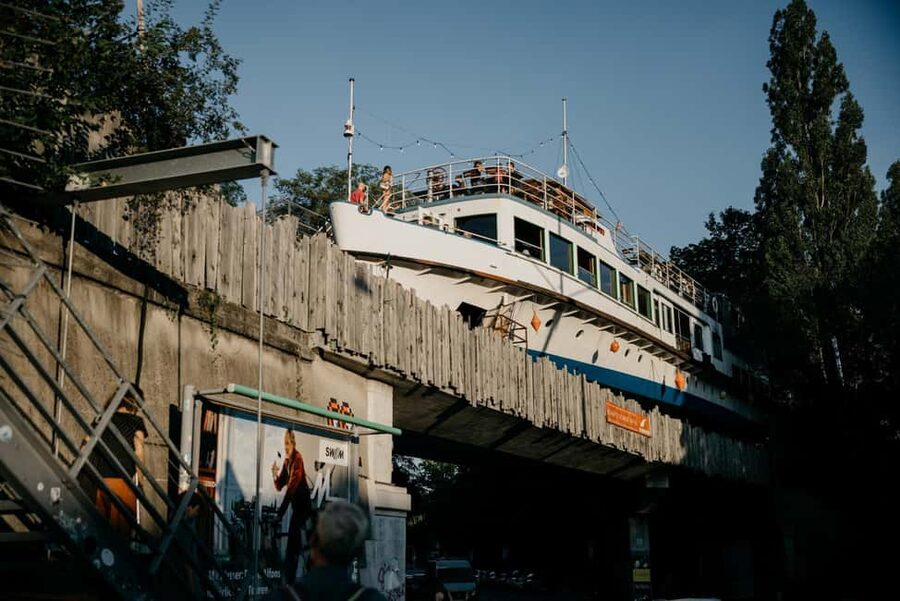
I especially like the pairing of formal buildings with creative street culture. You’ll move from the Münchner Volkstheater area to the Bahnwärter Thiel world, with stops that help you read the city like a designer. A second highlight for me is the water-focused portion, including the Alte Utting beer garden on a steamboat and the river views around the bridges.
One consideration: it’s not for wheelchair users. Plan for comfortable shoes and some outdoor walking, and if you’re visiting in cooler months, bring warm layers.
In This Review
- Key Things You’ll Notice on This Tour
- Starting at Piazza Zenetti, Then Getting Oriented Fast
- Münchner Volkstheater: Architecture With Real Urban Meaning
- Street Art at the Beginner’s Wall and the Creative World Beyond It
- Bahnwärter Thiel: Where Design, Culture, and Community Meet
- MS Utting and Lagerhausstrasse: Munich Through Water, Not Just Streets
- Dreimühlenstraße and Wittelsbacherbrücke: Bridges as Viewpoints
- Claude-Lorrain-Straße to Little Venice: A Change in Mood
- Untergiesing and the Scherbenviertel Feel: Neighborhoods With Texture
- Alte Utting on a Steamboat: A Beer Garden With a Different Perspective
- Finishing at Gans Woanders: Whimsical, Art-Forward, and Easy to Like
- Value for $30: What You’re Really Buying
- Who Should Book This Tour (and Who Might Skip It)
- Quick Tips Before You Go
- Should You Book Hidden Architectural Gems of Munich?
- FAQ
- How long is the Hidden Architectural Gems of Munich tour?
- What is the group size limit?
- Where does the tour meet, and how do I get there?
- Who guides the tour?
- What languages are available?
- What is included in the price?
- Are food and drinks included?
- Is the tour wheelchair accessible?
Key Things You’ll Notice on This Tour
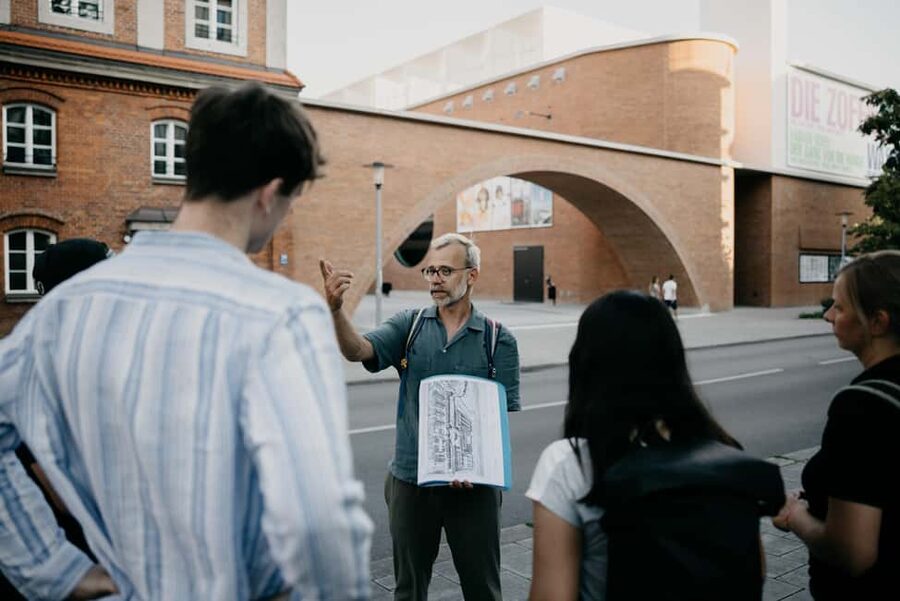
- Philipp’s architect-eye: you’ll get explanations that point out what to look for as you walk.
- Street art stops with context: you’re not just seeing murals, you’re learning how this creative scene fits Munich.
- Bahnwärter Thiel as a creative hub: an area you’ll likely miss on your own.
- Isar River, bridges, and water history: the route turns Munich’s water story into something you can see.
- Alte Utting on a steamboat: a beer garden concept that changes the vibe from typical biergartens.
- Gans Woanders as a fun finish: whimsical, art-forward energy for your last stop.
Starting at Piazza Zenetti, Then Getting Oriented Fast
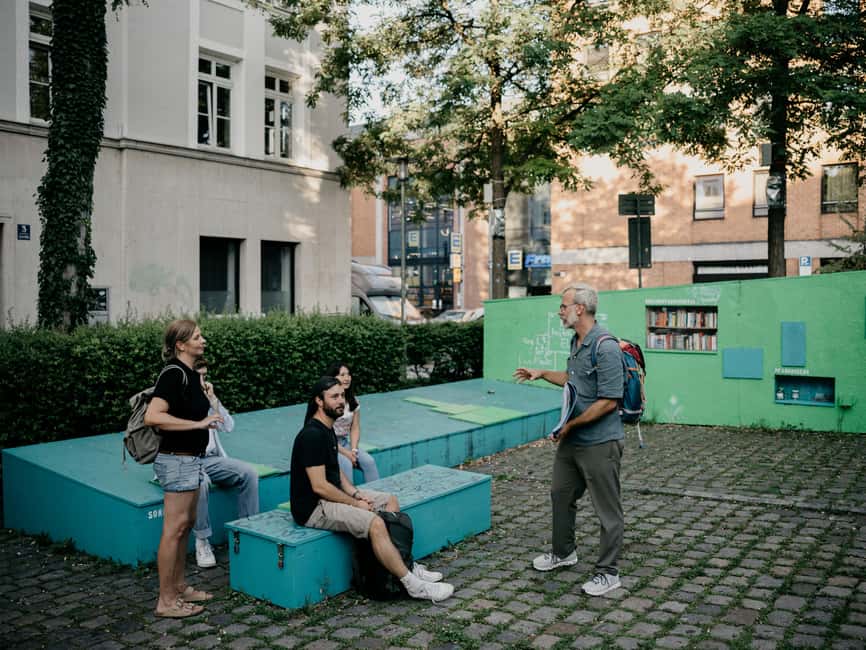
Most Munich tours start with a big landmark. This one starts with Piazza Zenetti, an easy-to-spot meeting point marked by distinctive grey and turquoise street furniture. That’s a smart choice, because it gets you oriented early and sets a walkable pace for the rest of the experience.
The group stays small, capped at 16 people, which matters more than you might think. Fewer people means you actually hear answers and can ask follow-ups when something on the street catches your eye. The tour also runs in English, German, and Spanish, so you’re not stuck translating everything in your head.
You’ll be moving for about 150 minutes, so you’ll want to wear comfortable shoes. It’s also outdoors enough that warm clothing helps if you’re traveling in colder seasons.
A few more Munich walks and trips to compare
- From Munich: Neuschwanstein & Linderhof Castle Full-Day Trip
★ 4.6 · 14,646 reviews - Neuschwanstein & Linderhof Castle-Fairytale Day Tour from Munich
★ 4.5 · 7,275 reviews - Munich: Third Reich & WWII Walking Tour
★ 4.6 · 6,181 reviews
Münchner Volkstheater: Architecture With Real Urban Meaning
The first major stop is the Münchner Volkstheater. This isn’t just a photo-op building. You’ll get a guided look that helps you understand how public architecture shapes the feel of a neighborhood.
Why this works: many “old city” tours treat buildings as standalone objects. Here, you’ll start learning to connect the dots between street life and design choices. Even if you only notice one or two details at this stage, the tour will train your eyes for later stops.
Practical note: because the tour begins with a structured introduction, it’s a good pick if you’re arriving in Munich and want a quick sense of how the city is put together before you wander on your own.
Street Art at the Beginner’s Wall and the Creative World Beyond It
After the theater area, you head toward the street art scene at the Beginner’s Wall. Street art can be hit-or-miss for visitors, depending on whether someone explains what you’re looking at. With a guide like Philipp, the point is to help you notice the craft and the message, not just the color.
You’ll then connect that creative energy to a specific place: Bahnwärter Thiel. This is one of those Munich addresses you’re more likely to remember if you’ve got context. The tour frames it as a cultural hub of creativity, so when you step into the area, it feels like you’re walking into an ecosystem, not a random spot with murals.
The big value here is how the tour changes your walking rhythm. Instead of asking what something is, you start asking why it’s here. That’s the difference between seeing street art and understanding it.
Bahnwärter Thiel: Where Design, Culture, and Community Meet
At Bahnwärter Thiel, the guided part matters. A good architecture-focused guide can help you read the site as a built environment shaped by people, not just by architects.
What you’ll take away is the city’s habit of making room for creativity. Munich can feel tidy and orderly from a distance, but places like this show how the city also supports experimentation. That balance is what makes the tour feel different from the standard “center and back” walking route.
If you’re coming with teens or curious adults, this section is a strong fit. It’s family-friendly, and the creative stops keep energy up without turning the tour into a theme park.
Same city, a different way to spend the afternoon:
- Dachau Concentration Camp Memorial Site Tour from Munich by Train
★ 4.5 · 5,637 reviews - Neuschwanstein Castle Tour from Munich
★ 4.5 · 5,117 reviews - Third Reich Walking Tour Munich
★ 4.5 · 4,291 reviews - Munich Hop-On Hop-Off Tour: 1-Day or 2-Day Ticket
★ 4.3 · 4,161 reviews
MS Utting and Lagerhausstrasse: Munich Through Water, Not Just Streets

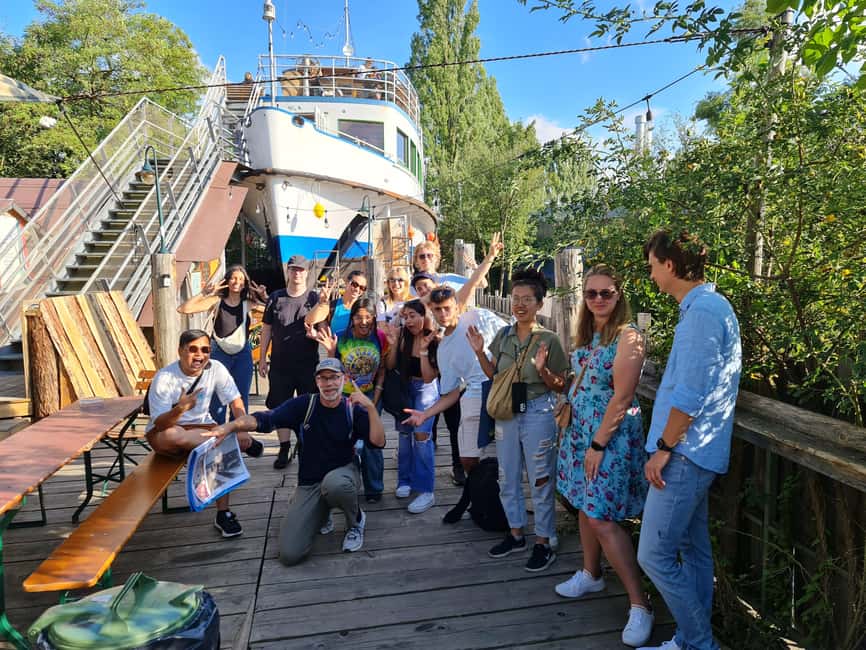
Then the tour shifts tone. You move to the MS Utting on the bridge area near Lagerhausstrasse, and that shift is a feature, not a break. Instead of only reading buildings and façades, you start reading the city’s relationship with the Isar River.
This part works particularly well because of how Munich uses water. You can see how rivers function as corridors for scenery, movement, and leisure. The tour also ties this to water history, so even if you think you’re only there for architecture, you’ll leave with a new mental map of how Munich developed around water.
One possible drawback is that you’ll likely be spending more time in open air than some indoor-focused tours. If the weather is rough, layer up and keep an eye on comfortable footing near riverside areas.
Dreimühlenstraße and Wittelsbacherbrücke: Bridges as Viewpoints

From there you pass through Dreimühlenstraße and then Wittelsbacherbrücke. Bridges are often treated as simple connectors on city walks. Here, they become your stage for understanding how viewpoints and movement shape what you notice.
This is one of the best “architecture training” moments of the tour. Standing at the right angles helps you see the city as a system: sightlines, river edges, building placements, and how people use space. Even if you don’t memorize facts, your eyes improve.
If you like cities where the river is part of the personality, you’ll really enjoy this stretch.
Claude-Lorrain-Straße to Little Venice: A Change in Mood
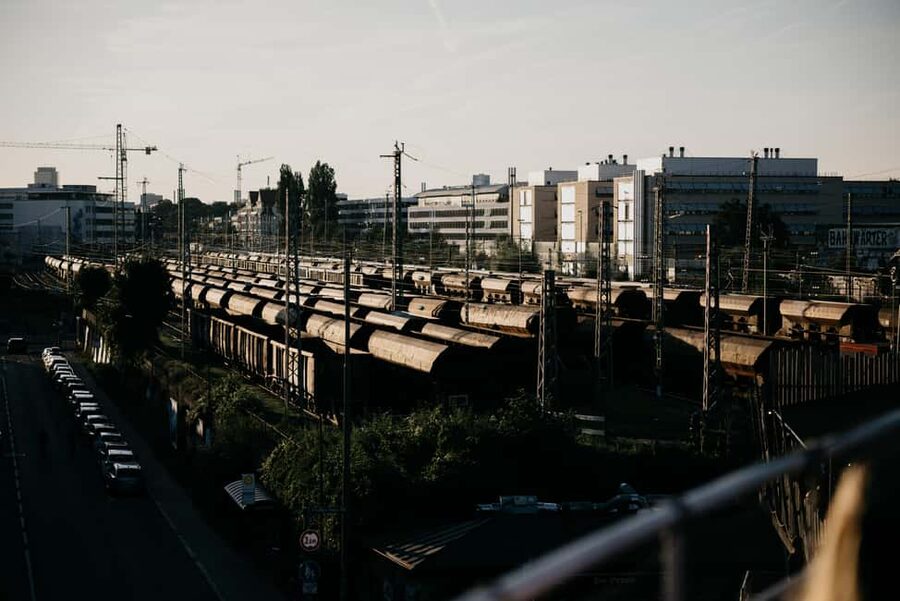
Next you move to Claude-Lorrain-Straße and toward Little Venice. This area is known for its distinctive atmosphere, and the tour helps you experience it the way locals do, not just like another scenic stop.
Why it matters: “Little Venice” can sound like a nickname that’s all style and no substance. On this tour, you’re given a framework that links the riverside setting to the city’s broader pattern of using water for everyday enjoyment.
You also get a sense of how Munich neighborhoods soften when you approach the river edge. That contrast is often what makes people want to return on their own later.
Untergiesing and the Scherbenviertel Feel: Neighborhoods With Texture
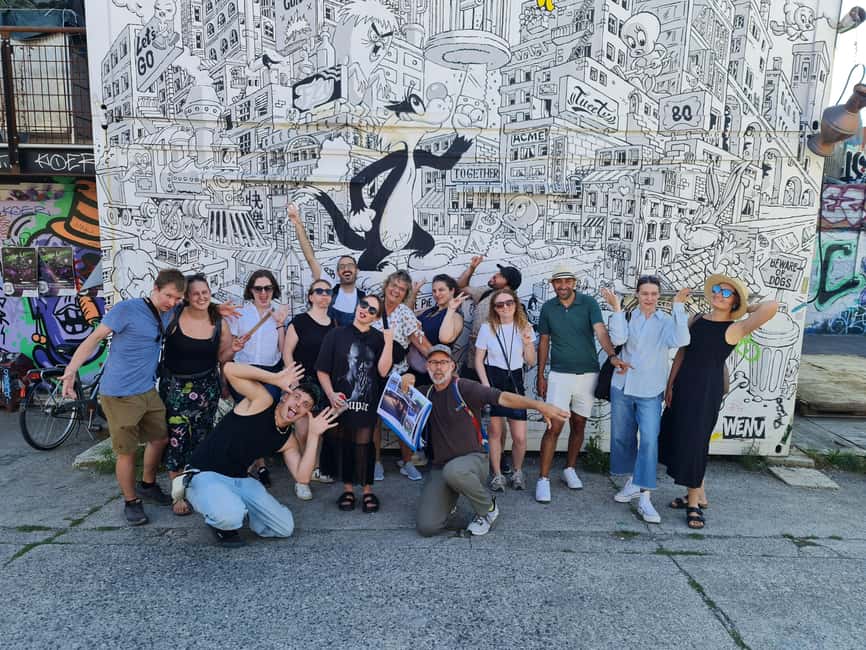
The route also includes a walk through the charm of Scherbenviertel and the hidden district character of Untergiesing. This is where the tour starts to feel less like a list of sights and more like a guided neighborhood stroll.
This part is especially valuable if you plan to keep exploring after the tour. When you learn the “how” of a neighborhood, you can wander with purpose. You stop treating streets like backdrop and start treating them like a clue.
It’s also a nice pace shift. You get time for quiet observation. That’s where the architect-guided approach pays off, because you start noticing small design choices, not only major landmarks.
Alte Utting on a Steamboat: A Beer Garden With a Different Perspective

One of the tour’s most memorable ideas is the Alte Utting beer garden on a steamboat. Instead of the usual beer garden layout, you get a floating setting that changes how light hits the space and how you experience the river.
This is where you’ll feel the tour’s theme most clearly: Munich is not only buildings. It’s also the relationship between people, water, and leisure. A steamboat beer garden is the kind of place you would walk past without a nudge, even if you were near the river.
Food and drinks aren’t included, so if you want something to sip or snack, plan to buy it at the stop. The value is in the experience and the perspective, not in a meal.
Finishing at Gans Woanders: Whimsical, Art-Forward, and Easy to Like
You end at Gans Woanders, a whimsical beer garden filled with artistic flair. Finishing here is smart because it turns the last part of your tour into a relaxed landing.
By the time you reach the end, you’ve already built a lot of visual input: architecture, street art, bridges, and riverside scenes. Gans Woanders gives you a place to slow down, look around, and connect what you just learned with what you’re seeing in real time.
This is also a good spot to ask last-minute questions. If you’ve got an eye for details, this is where you can point at something and get an explanation that ties back to the city’s design logic.
Value for $30: What You’re Really Buying
At $30 per person for 150 minutes, the value is surprisingly strong, especially because it’s a small-group tour. You’re not just paying for a walk. You’re paying for an official city guide plus an architect perspective, which changes the quality of the commentary.
You also get a digital map with favorite places to visit in Munich. That’s practical value you can use immediately after the tour. Even if you only follow one or two of the recommendations, it can help you spend your remaining time better.
Yes, transportation to and from the meeting point isn’t included, and food and drinks aren’t included. But with a tour like this, you’re saving money by not needing separate “special interest” guides for architecture, street art, and water history. One route covers multiple interests.
Who Should Book This Tour (and Who Might Skip It)
This tour is a great fit if you:
- Like architecture and want to notice details that change how you see a city
- Are curious about Munich street art culture beyond the basics
- Enjoy water views and want context on the Isar River and its history
- Want a guided experience that stays small and personal
You might skip it if you:
- Use a wheelchair, since it’s not suitable for wheelchair users
- Prefer purely indoor sightseeing with minimal walking
Also, note the simple rule: no smoking during the tour.
Quick Tips Before You Go
Bring comfortable shoes and warm clothing. This is a walking experience with outdoor sections, including river-adjacent areas. If you’re sensitive to cold, dress for it rather than relying on hope.
If you want photos, you’ll have plenty of chances, especially around bridges and the river. Just remember the best photos often come after a minute of looking, not after a second of snapping.
Should You Book Hidden Architectural Gems of Munich?
I’d book this tour if you want Munich with texture. Not just famous buildings, but the way design and creativity sit side by side. With Philipp as both an official guide and an architect, the route feels intentional, and the small group keeps it interactive.
It’s also a strong choice for people who like leaving a tour with a stronger instinct for where to go next. The digital map and the neighborhood context make that happen.
If you can walk comfortably and you’re excited by the idea of mixing theater architecture, street art, and a steamboat beer garden, this one is a very good use of a half-day in Munich.
FAQ
How long is the Hidden Architectural Gems of Munich tour?
The tour lasts 150 minutes.
What is the group size limit?
The experience is small-group, with a maximum of 16 guests.
Where does the tour meet, and how do I get there?
You meet at Piazza Zenetti. The easiest route is via subway lines U3 or U6, exit at Poccistrasse station, then walk about 10 minutes.
Who guides the tour?
The tour is guided by Philipp, an official Munich tour guide and an architect.
What languages are available?
The live tour guide operates in English, German, and Spanish.
What is included in the price?
Included items are Philipp as your guide, insight to the hidden gems, and a digital map with favorite places to visit in Munich.
Are food and drinks included?
No. Food and drinks are not included.
Is the tour wheelchair accessible?
No. The tour is not suitable for wheelchair users.
Newest Munich reviews on the site
- Klassik im Museum★ 5.0 · 6 reviews
- From Munich: Herrenchiemsee Palace and Boat Trip Day-Tour★ 4.8 · 129 reviews
- Munich: Half-Day Skip-the-Line Neuschwanstein Castle Tour★ 4.6 · 110 reviews
- Glockenbachviertel culinary – the food tour★ 4.6 · 5 reviews
- From Munich: To Neuschwanstein Castle, Linderhof, Oberammerg★ 4.7 · 8 reviews
- From Munich: Dachau Memorial Site Tour in Spanish★ 4.9 · 300 reviews
- From Munich: Trip to Neuschwanstein & Linderhof in Spanish★ 4.8 · 282 reviews
- Munich: Express Walk with a Local in 90 minutes★ 5.0 · 7 reviews
Munich Tours, compared.

Neuschwanstein & Linderhof Castle Full-Day Trip
Read our review →
Neuschwanstein & Linderhof Castle-Fairytale Day Tour from Munich
Read our review →
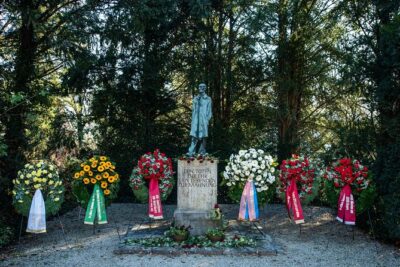
Dachau Concentration Camp Memorial Site Tour from Munich by Train
Read our review →
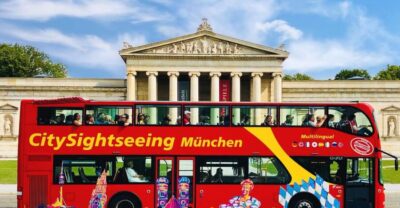
Munich Hop-On Hop-Off Tour: 1-Day or 2-Day Ticket
Read our review →
Browse the lists this tour appears in