
Reviewed · MUSEUMS
Frankfurt: Museum of Communication Exhibitions
A visit to the Museum of Communication feels like time travel. In one day, you track how humans share ideas, from the earliest tools to today’s data glasses, with hands-on displays that make media history easy to experience. Two things I really like: the museum’s clear storyline (past, present, future) and the way it turns old gadgets into something you can test and understand.
You’ll spend most of your time in the permanent exhibition, “Mediengeschichte|n neu erzählt!,” spread across 2,500 square meters, plus a temporary show called KLIMA_X that connects communication habits to the climate crisis. One possible drawback: it can get loud, especially around common areas and with families, so plan for quieter pacing if you prefer calm viewing.
In This Review
- Key Things You’ll Notice Here
- Frankfurt’s Museum of Communication: A One-Day Media Time Machine
- The “Mediengeschichte|n neu erzählt!” Permanent Exhibition: Past to Future in One Flow
- Hands-On Learning and the Best Parts to Seek Out
- Old Devices, New Meaning: What the Tech Displays Teach You
- KLIMA_X Temporary Exhibit: Communication and Climate Actions
- Where to Take a Break: The Café Terrace by the Main
- Best Timing for a Quieter Visit (If You Care About Noise)
- Price and Value: Is $10 Worth It?
- Practical Tips for Getting the Most Out of Your Day
- Who This Museum Suits Best
- Should You Book This Museum Visit?
- FAQ
- How long is the Museum of Communication visit?
- Where is the Museum of Communication in Frankfurt?
- What does the ticket price include?
- How much does it cost?
- Is food or a café visit included?
- Is there a tour guide included?
- Can I skip the ticket line?
- Is the museum wheelchair accessible?
- What time is the museum open on public holidays?
- Is there free cancellation?
Key Things You’ll Notice Here
- A guided-by-themes approach, built around acceleration, networks, control, and participation
- Real artifacts through time, from a cuneiform tablet to data glasses
- Classic communication devices, including telegraphs, phones, fax machines, radios, and TV sets
- Interactive experiences, not just cases behind glass
- KLIMA_X climate-focused temporary exhibit, on everyday actions and change
- A terrace break by the Main River, for a calmer reset after the exhibits
Frankfurt’s Museum of Communication: A One-Day Media Time Machine
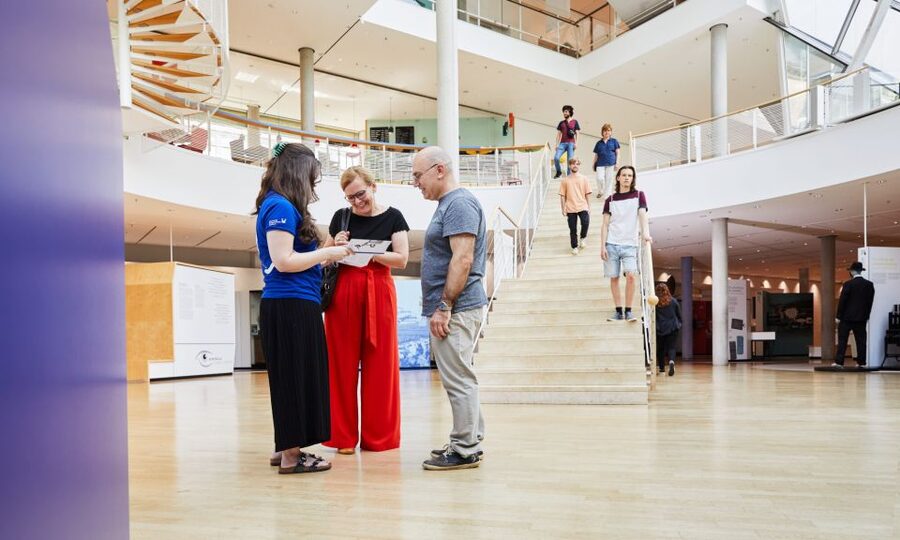
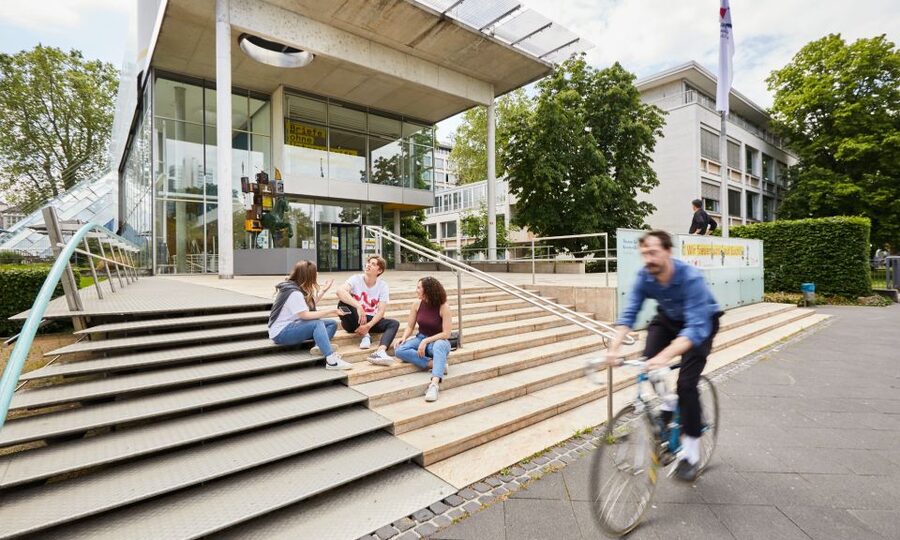
If you’re the type who likes museums that explain how the world works, this one fits well. The Museum of Communication is in the Hessen region, right by the Main river at Schaumainkai, in a building that has won awards. The big idea is simple: communication isn’t just tech. It’s culture, power, and choices people make every day.
On this visit, you’re not stuck reading wall text the whole time. The permanent exhibition uses interactive displays and unusual presentation choices so you can feel the evolution of communication. You start with ancient writing, then jump into faster networks, and eventually land in today’s screen-and-data world, all while the museum keeps returning to the human side of media.
You also get a temporary exhibition slot that changes the feel of the day. The current climate-related show, KLIMA_X, nudges you to think about what you do and how it links to climate change, not just what technology can do.
A few more Frankfurt walks and trips to compare
- Frankfurt: Struwwelpeter Museum Entry Ticket w/Audio Guide
★ 4.5 · 22 reviews - Frankfurt: Museum of Communication After Work Workshop
★ 5.0 · 3 reviews - Berlin: Jewish Museum Berlin Entrance Ticket
★ 4.5 · 8,393 reviews
The “Mediengeschichte|n neu erzählt!” Permanent Exhibition: Past to Future in One Flow
The heart of your day is the permanent exhibition, “Mediengeschichte|n neu erzählt!”. It covers 2,500 square meters, so you’re not doing a quick skim. Instead, you get a long arc of communication history that’s organized around four big themes: acceleration, networks, control, and participation.
That matters because it keeps you from treating communication as a random list of devices. You can ask better questions while you move through the rooms:
- How did faster communication change society?
- Who benefits when networks expand?
- Where does control show up?
- How do people participate in media, or get shut out?
You’ll also notice the museum’s timeline framing. It explicitly spans the jump from the cuneiform tablet to data glasses. That span is a clever trick, because it forces you to see continuity. Writing, sending, receiving, encoding, decoding, and display are all part of the same story, even as the tools change.
Hands-On Learning and the Best Parts to Seek Out
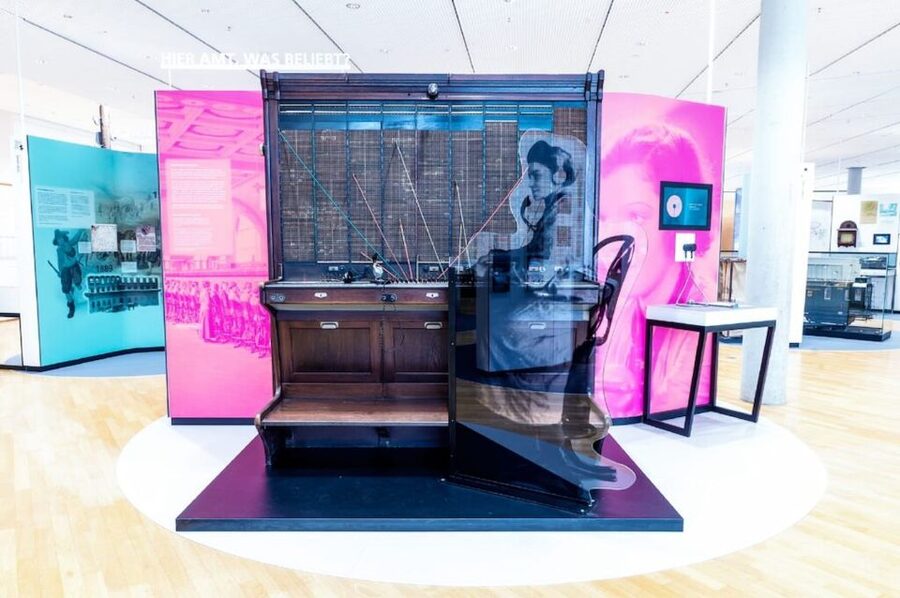
This museum earns strong marks for presentation and for the feeling that you’re actively working with the material. You can explore the past, present, and future of communication through interactive experiences rather than only staring at glass cases.
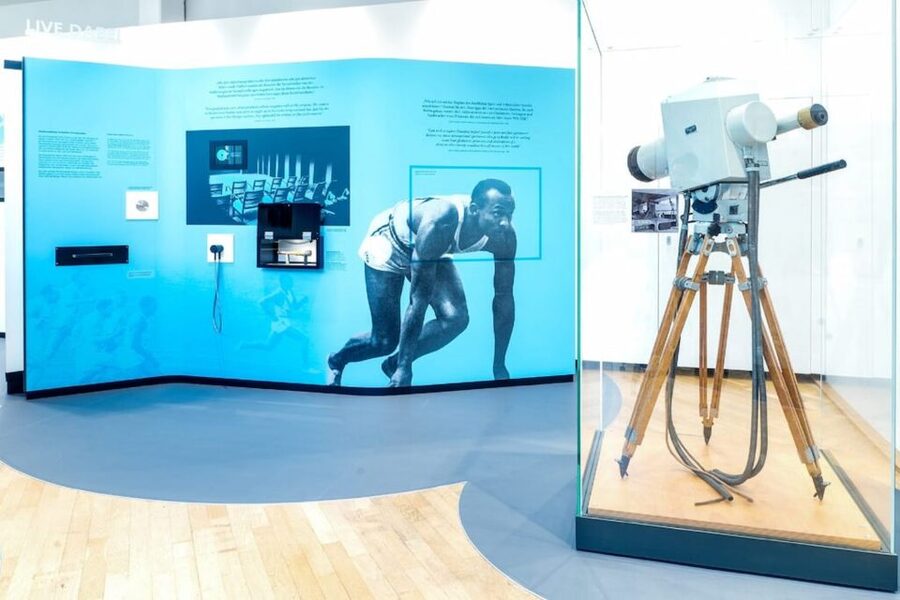
As you walk around, you’ll come across a range of older technologies that most people have only seen in photos or on retro commercials. Expect to see classic communication tools such as telegraphs, phones, fax machines, radios, and TV sets. Even if you already know the basics, the museum’s angle makes you look twice, because it emphasizes how each invention reshaped daily life and social connections.
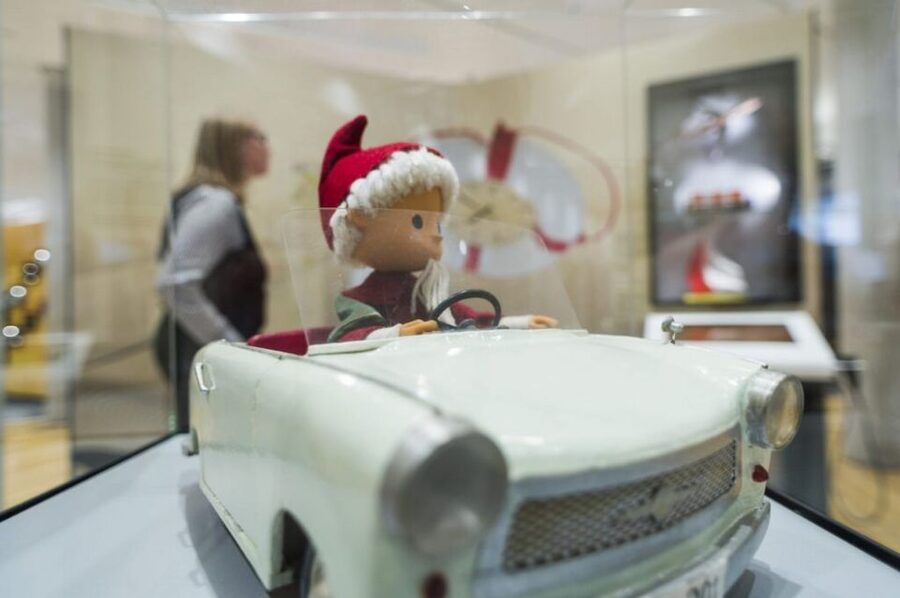
One detail I’d plan for: the museum is designed to feel playful and curious. A recent guest description pointed out things like book shelves, antique chests, and even whimsical elements like sheep with phones. You might not see the exact same set of props on your day, but that kind of design energy is part of why the experience doesn’t feel dry.
Old Devices, New Meaning: What the Tech Displays Teach You
Seeing old communication tools is one thing. Understanding what they represent is another. The museum does both, and that’s the difference between a “cool gadget display” and a museum you can talk about after.
Here’s the practical way to think about it as you go:
1) Acceleration is not just speed.
When communication gets faster, decision-making, storytelling, and business all shift. The museum’s structure helps you track those changes instead of treating each invention like a standalone breakthrough.
2) Networks change who gets heard.
As connections expand, information routes widen, but control can tighten too. That control-and-participation theme makes you think about modern platforms as part of the same long chain, even though the tools look different.
3) Control is built into systems.
Every era has ways of limiting, filtering, or managing access. The museum’s thematic approach makes it easier to connect past media rules to present-day questions like moderation, gatekeeping, and who can broadcast.
Same city, a different way to spend the afternoon:
- Frankfurt: River Main Sightseeing Cruise with Commentary
★ 4.3 · 5,127 reviews - Frankfurt: Hop-On, Hop-Off Grand or Express Bus Ticket
★ 3.9 · 2,088 reviews - Frankfurt: 1-Hour Panorama Boat Cruise on the river Main
★ 4.4 · 1,822 reviews - From Frankfurt: Rhine Valley Day Trip
★ 4.4 · 1,317 reviews
KLIMA_X Temporary Exhibit: Communication and Climate Actions
A real reason to visit on a day you have time is the temporary exhibit KLIMA_X. The museum frames it as an exploration of what you can do to help change the world for the better, tied directly to the climate crisis.
You’ll be asked to reflect on the issues around climate change, with an emphasis on actions. This is where the museum moves beyond communication history as a topic in the abstract and turns it toward how humans behave, coordinate, and influence each other.
What’s useful for you as a visitor is that this section gives your brain a reset. After you spend time thinking about tech and networks, KLIMA_X shifts the focus toward real-life choices and simple methods you can implement.
Even if you’re not expecting a policy-heavy experience, the exhibit can still be a meaningful pause. It’s also a nice companion to the rest of the museum because communication history is ultimately about how humans share information, and climate work is full of that same mechanism.
Where to Take a Break: The Café Terrace by the Main
Plan time to slow down on the terrace. The museum experience includes a comfortable break area with a view of the Main river. After walking around inside and dealing with lots of interactive stations, this outside pause helps you regroup.
Small practical note from real-world experience: the café does not accept Mastercard or Visa (based on a recent booking review). I’d suggest bringing some cash or being prepared with an alternative payment method, so you’re not stuck hungry or thirsty at the worst possible moment.
Even without the café, the terrace view gives you an easy “close the loop” feeling. You go from thinking about communication systems to watching real movement outside, and it makes the day feel grounded.
Best Timing for a Quieter Visit (If You Care About Noise)
One downside that shows up clearly in feedback is sound. Guests have mentioned that it can be extremely loud, with many very loud children in public areas and in the lobby. Another review recommends choosing a weekday if you want to look around in more peace and focus.
So how do you use that information?
- If you’re sensitive to noise, aim for a weekday visit when possible.
- If you can’t, go earlier in the day or plan shorter stops between interactive rooms.
- Treat the terrace break as part of your “noise management strategy,” not as an optional extra.
This isn’t a museum you have to visit in perfect silence. It’s interactive and popular. Just go in with eyes open.
Price and Value: Is $10 Worth It?
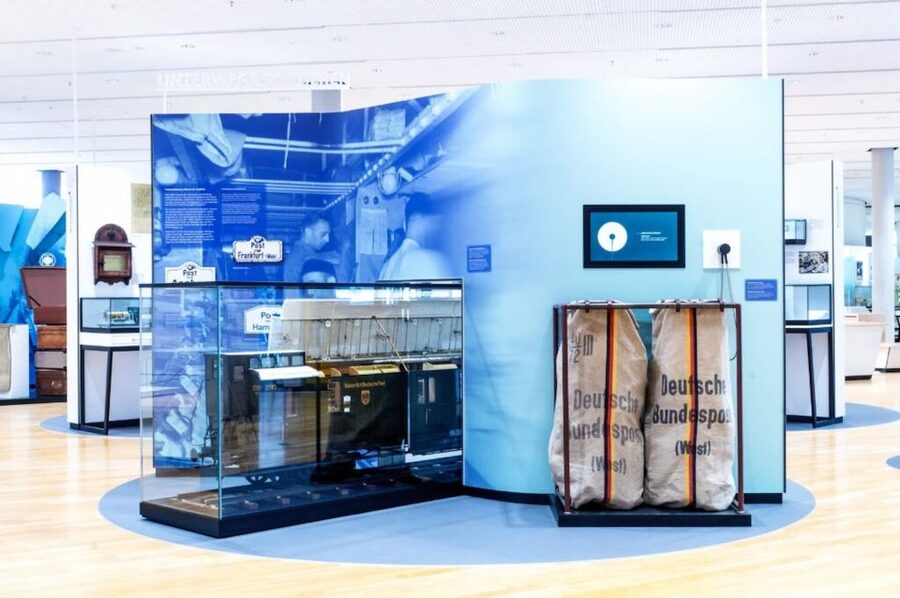
At around $10 per person, this is a strong value for a museum that’s built for a full day. You’re paying for more than a single exhibit. The ticket covers access to the permanent exhibition across 2,500 square meters, plus the temporary KLIMA_X exhibit during your visit.
You also get a mix of content types:
- hands-on interactive displays
- old communication devices spanning different eras
- thematic storytelling (acceleration, networks, control, participation)
- a climate-focused temporary component
Food is not included, and you shouldn’t expect a guided tour here. Still, for independent visitors who like to wander with purpose, the museum structure does a lot of the “tour guiding” for you by organizing the flow.
So if your goal is a media-themed day that teaches you how communication evolved and why it matters, the price feels fair.
Practical Tips for Getting the Most Out of Your Day
Here’s how I’d approach it so you don’t rush and miss the museum’s strengths:
- Start with the permanent exhibition framing. The museum organizes communication history into big themes, and once you understand the framework, the rooms feel more connected.
- Take time with interactive displays, even if you think you’ll skip one or two. The museum’s appeal is partly that you can touch and test, not just read.
- Don’t ignore the temporary exhibit. KLIMA_X is the emotional and current-events link of the day.
- Build in breaks. The terrace by the Main River is a smart place to do it.
- If noise bugs you, visit on a weekday or plan your quieter segments strategically.
Who This Museum Suits Best
This is a great match if you like museums that connect technology to real human behavior. You’ll enjoy it whether you’re into history, media, or just curious about how today’s communication grew out of earlier tools.
It also works well for:
- solo visitors who like structured wandering
- families who want hands-on experiences
- anyone wanting a break from big art museums and looking for a different kind of cultural education
It might be less ideal if you strongly prefer silent galleries, because interactive spaces and family traffic can make the environment louder.
Should You Book This Museum Visit?
I’d book it if you want a full-day museum experience that blends classic communication history with interactive learning and a timely climate-related exhibit. At about $10, you’re getting a lot of space to explore, a well-thought-out permanent exhibition, and KLIMA_X as a meaningful add-on.
I’d skip or rethink only if noise is a serious problem for you, since the museum can get loud, especially with children. If that’s you, plan for a weekday, and treat breaks and pacing as part of your plan.
If your idea of a good day is learning that doesn’t feel like homework, this one delivers.
FAQ
How long is the Museum of Communication visit?
It’s valid for 1 day, so you can plan a full day at your own pace.
Where is the Museum of Communication in Frankfurt?
It’s located on Schaumainkai in Frankfurt, Hessen, Germany. Go directly to the Museum for Communication Frankfurt.
What does the ticket price include?
The entry ticket to the Museum of Communication is included.
How much does it cost?
The price listed is $10 per person.
Is food or a café visit included?
No. Food and drinks are not included.
Is there a tour guide included?
No. A tour guide is not included.
Can I skip the ticket line?
Yes, you can skip the ticket line.
Is the museum wheelchair accessible?
Yes, the museum is wheelchair accessible.
What time is the museum open on public holidays?
On public holidays, the museum is open from 10:00 AM to 6:00 PM.
Is there free cancellation?
Yes. You can cancel up to 24 hours in advance for a full refund.
Newest Frankfurt reviews on the site
- Hohenzollern Castle: Full-Day Tour from Frankfurt★ 4.3 · 11 reviews
- From Frankfurt: Day Tour to Heidelberg with Local Guide★ 4.8 · 250 reviews
- Heidelberg and Rhine Combination Tour from Frankfurt★ 4.1 · 33 reviews
- Frankfurt: Guided walk between palm trees and skyline★ 4.8 · 9 reviews
- From Frankfurt: Heidelberg & Baden-Baden Full-Day Tour★ 4.9 · 23 reviews
- From Frankfurt: Heidelberg and Rothenburg Guided Day Trip★ 5.0 · 14 reviews
- Frankfurt: Walking tour between St. Paul’s Church, Main & Old Town flair in German★ 5.0 · 46 reviews
- Frankfurt: Walking Tour – discover the city with VR glasses★ 4.4 · 23 reviews
Museums, compared.

Skip-the-Line: Berlin Wall Museum at Checkpoint Charlie
Read our review →Browse the lists this tour appears in