

Reviewed · BREMEN TOURS
Bremerhaven: German Emigration Center Entrance Ticket
Your ancestors might have sailed right through here. Step inside Europe’s largest modern migration museum and you’ll follow three centuries of emigration tied to the port of Bremerhaven, with stories that feel personal even when they’re historical. What I liked most is the iCard experience, which links audio stations and interactive stops to one traveler’s journey, and the way the museum stages the emotional moment of departure and arrival.
Two things I found especially effective for learning are the museum’s award-winning migration collection and the fact that it doesn’t treat migration like a single event. It covers patterns across centuries, then helps you connect the big picture to real people. The one drawback to plan for: you need time, and if you get there late or assume it’s a quick walk-through, you can miss the computer-based family research part.
The good news is that the visit is designed for a full day, and you’ll likely want to linger. The museum is wheelchair accessible, but some routes on older emigrant ships can get tight, so build in patience and maneuvering time.
In This Review
- Key highlights worth penciling in
- German Emigration Center Ticket in Bremerhaven: Price, Entry, and Your One-Day Route
- Your Electronic iCard: Stories, Audio Stops, and Three Eras of Passenger Ships
- From the Quay to Ocean Liners Like Columbus in 1929
- Ellis Island Legal Desk and Grand Central Exhibitions
- Family Research Room, Free Help, and How to Start Smart
- What the Migration Collections Teach You, Plus Time and Comfort Tips
- Should You Book This German Emigration Center Visit?
- FAQ
- How long is the ticket valid?
- How much does the German Emigration Center ticket cost?
- Where do I enter the museum?
- What is included in the ticket?
- Is food included?
- Is the museum wheelchair accessible?
- Can I bring pets?
Key highlights worth penciling in

- iCard-guided journey that turns exhibitions into a timed, story-driven experience
- 7 million Europeans linked to departures via Bremerhaven, with multiple departure and arrival stops
- Passenger ship scenes across three eras, including the ocean liner Columbus in 1929
- Ellis Island legal desk moment that adds structure to the immigration process
- Family Research Room with free help from a trained assistant
German Emigration Center Ticket in Bremerhaven: Price, Entry, and Your One-Day Route

You can visit the German Emigration Center on a ticket valid for one day, with starting times you’ll see when you check availability. The price is about $23 per person for the entrance ticket, which is a fair trade if you actually plan to use the interactive parts and the family research support.
To get oriented fast, go to the main entrance at Columbusstraße 65. You’ll enter with an electronic boarding pass, and that matters because the museum experience is built like a journey: the ticket doesn’t just give access to static exhibits, it starts the flow of the day.
You should also treat this like a museum plus a research center. The visit covers the story from European departure to immigration in the New World, then gives you a chance to investigate your own family history afterward. And since food and drinks aren’t included, plan on building in time for your own break, rather than assuming you’ll be able to stay in the exhibits nonstop.
A few more Bremen walks and trips to compare
- Bremen: Walking Tour in German with Night Guard
★ 4.7 · 2,922 reviews - Bremen: City Center Guided Walking Tour
★ 4.5 · 2,709 reviews - Bremen: Underground Guided Tour
★ 4.1 · 1,408 reviews
Your Electronic iCard: Stories, Audio Stops, and Three Eras of Passenger Ships
The heart of the experience is the iCard, an electronic card that activates audio stations and interactive displays throughout your visit. Each iCard is connected to an individual story, so you’re not just looking at facts, you’re following a narrative track that makes the exhibits easier to remember.
The museum uses the iCard to guide you through 300 years of immigration and emigration history. You’ll encounter different exhibition halls that explain the push and pull factors behind migration, then you’ll see how those forces played out in real lives, including the uncertainty people faced right before departure.
A standout detail is how the museum handles scale. You’re tracing the footsteps of millions who left from Bremerhaven, but the iCard brings it down to one person’s experience. That balance is what makes the museum more than a history lecture. It helps you understand the human feelings behind the bigger migration patterns.
From the Quay to Ocean Liners Like Columbus in 1929
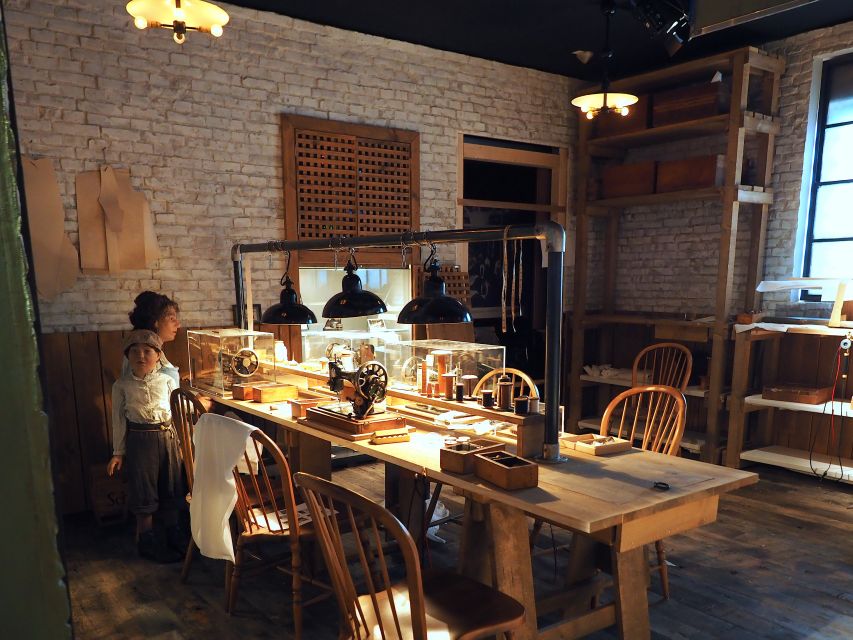
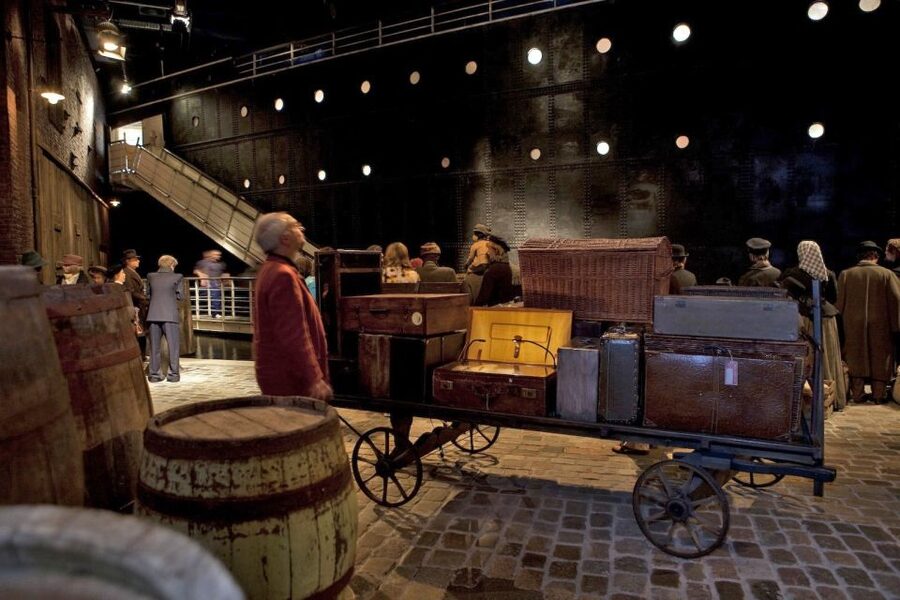
After you start your journey, you’ll reach the quay area where you meet emigrants from various European countries. This is one of those moments where the museum shifts gears from information to emotion, focusing on the farewell and departure to an unknown country.
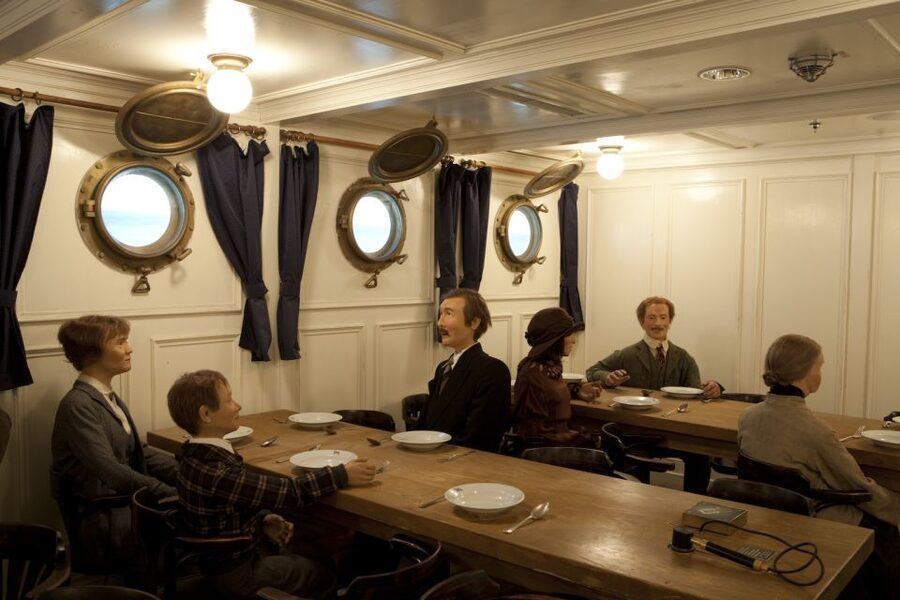
Then you move to boarding, with a look at life aboard passenger ships from three different eras of shipping. One specific ship example given is the ocean liner Columbus in 1929, and the way the museum presents ship life makes the differences between eras feel tangible rather than abstract.
This is also where you’ll notice why the museum is built as a full-day attraction. The ship scenes connect to the broader immigration story, because your experience is tied to what people faced during the voyage, not just what happened after arrival.
One practical consideration: ship decks on older emigrant vessels can be tight. If you use a wheelchair, plan for limited maneuvering space and take your time.
Ellis Island Legal Desk and Grand Central Exhibitions
Next comes the part that many people associate with immigration history: the immigration station on Ellis Island. The museum includes an immigration test at the legal desk, and you continue with an entry permit in hand.
That sequence is valuable because it turns a headline like Ellis Island into a process you can picture step by step. You’re not only learning about arrival, you’re seeing how legal and administrative steps shaped what happened next.
From there, you head to Grand Central in New York, where the museum expands on what emigrants experienced after arrival. The exhibits in this stage focus on life in the New World and the factors that influenced migration choices over time.
This section works well even if you know little about migration history, because it organizes the story into logical stages. Departure, voyage, immigration procedures, and new-life realities. You come away with a clearer timeline and a better understanding of why migration happened in waves across centuries.
Same city, a different way to spend the afternoon:
- Bremen: 3-Hour Beck’s Brewery Tour
★ 4.6 · 1,091 reviews - Bremen: Walking Tour of Historic Schnoor District
★ 4.8 · 429 reviews - Bremerhaven: Harbor Bus Tour
★ 4.8 · 418 reviews - Bremen: Universum Science Center Entrance Ticket
★ 4.6 · 324 reviews
Family Research Room, Free Help, and How to Start Smart
If you have family roots you want to trace, don’t treat the family search like an optional extra. The museum offers a Family Research Room after you complete the main journey, and the service there is free.
A trained assistant is available to guide you through your emigration history search. The museum also mentions state-of-the-art research facilities, so the setup is designed for more than browsing.
To start smart, think ahead before you arrive. Gather what you already know, such as names, approximate dates, places, and any family stories about sailing or immigration. Even partial details can give you something to test, and the assistant can help you focus where to look inside the museum resources.
Also, plan your time so you’re not rushing through the search. The one concrete issue I noticed in the experience pattern is that computer stations can be occupied. If you care about using them, aim to do your main exhibits first, then leave enough time for research when you get there.
What the Migration Collections Teach You, Plus Time and Comfort Tips
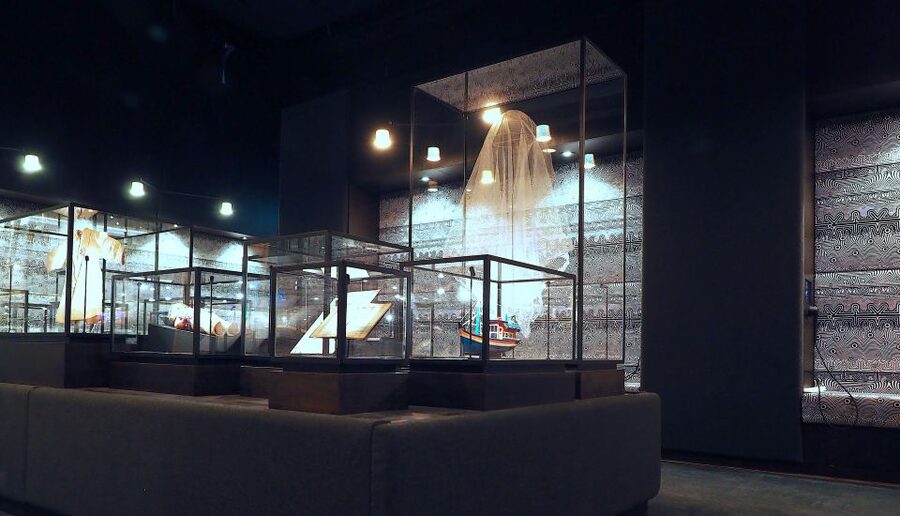
The German Emigration Center is described as Europe’s largest and most modern museum on migration, and it earns that label through scale and structure. You’ll see an award-winning collection covering 19th- and 20th-century migrations, tied into a wider story of around 300 years of immigration and emigration.
The museum isn’t just about history facts. It also helps you interpret what migration meant in daily life: the emotional farewell, the uncertainty of the voyage, the legal steps at entry, and the realities after arrival. The iCard approach keeps you moving between themes without losing the human thread.
For your comfort and flow, these are the practical points that matter:
- Arrive early. You should reach the museum at least two hours before closing so you have enough time for the full route and your own research time.
- Plan for food outside the museum. Food and drinks aren’t included, so keep your day realistic and avoid getting stuck with low-energy decisions late in the visit.
- For wheelchair users, expect tighter space in older ship areas and plan to maneuver. Being able to handle narrow deck sections is part of making the experience feel comfortable.
One more tip that saves frustration: give yourself a buffer for interactive stations. If a station is busy, you don’t want the rest of your schedule to get squeezed.
Should You Book This German Emigration Center Visit?
Book it if you want a day that combines story-led learning with a real chance to connect to your family history. At around $23, the value comes from the full package: an entrance ticket that powers an iCard journey, exhibition stages that cover departure through Ellis Island, and a free family research room with staff help.
You might skip or reconsider if you’re only looking for a quick museum stop or you know you won’t use the research resources. In that case, you’d spend your money on multimedia stages you might not fully use.
If you’re the type of traveler who likes to understand the big picture, but also wants to slow down and connect it to your own story, this is the kind of place you’ll remember. Start early, keep your notes on hand, and treat the day like a journey, not a sprint.
FAQ
How long is the ticket valid?
The entrance ticket is valid for 1 day. Starting times depend on availability.
How much does the German Emigration Center ticket cost?
The price is listed as $23 per person.
Where do I enter the museum?
Use the main entrance at Columbusstraße 65.
What is included in the ticket?
The ticket includes entrance to the German Emigration Center.
Is food included?
No. Food and drinks are not included.
Is the museum wheelchair accessible?
Yes, the museum is wheelchair accessible.
Can I bring pets?
Pets are not allowed. Assistance dogs are allowed.
If you want, tell me what kind of research you’re hoping to do (family name, approximate dates, origin region), and I’ll suggest a smart order for tackling the exhibitions and the Family Research Room during your limited time.
Newest Bremen reviews on the site
- Espresso Kurs im Johann Jacobs Haus in Bremen★ 5.0 · 3 reviews
- Bremerhaven: Fish Bite Guided Walking Tour★ 4.8 · 13 reviews
- Bremen: Public Tour of the Town Hall in English★ 4.6 · 207 reviews
- Bremen Schwachhausen: Crime Mystery Tour★ 3.6 · 4 reviews
- Bremen Tour: Full-Day Canoe Rental on the Wümme River★ 4.8 · 4 reviews
- Bremen: Private pub crawl with insider-guide & free shots★ 4.5 · 22 reviews
- Bremen: Private Walking Tour with a Professional Guide★ 4.2 · 22 reviews
- Bremen: Old Town Tour with Costumed Performer & Tour Guide★ 4.3 · 257 reviews
Bremen Tours, compared.





Old Town Tour with Costumed Performer & Tour Guide
Read our review →Browse the lists this tour appears in