
Reviewed · MUSEUMS
Deutsches Museum Nürnberg – das Zukunftsmuseum
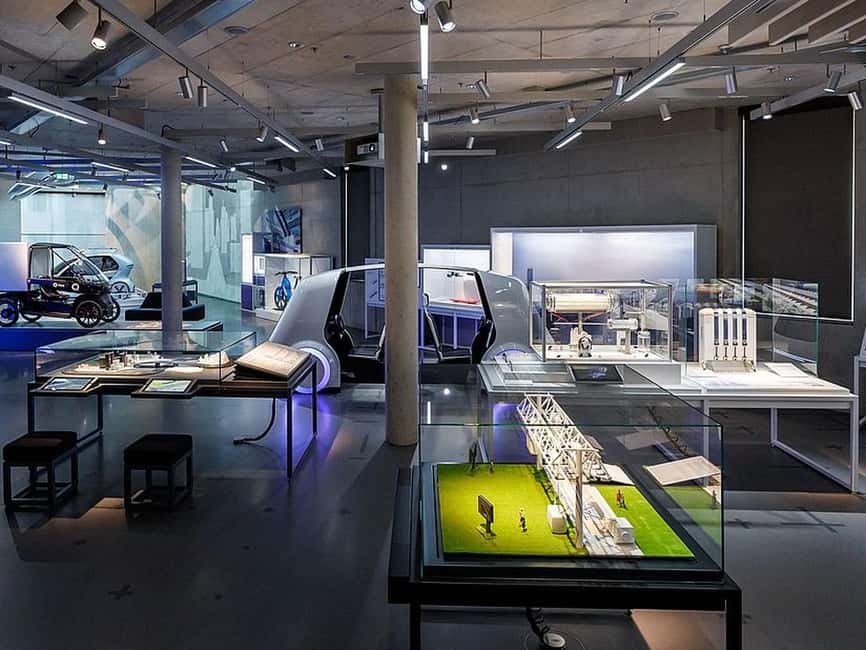
Future tech, in one Bavarian museum. I love how the exhibitions translate big ideas into things you can poke at, and I also like the clear path through Work and Daily Life and the rest of the themed sections. At about $7 for full exhibition access, it is strong value for a 1-day visit. One possible drawback: because it focuses on the future, you will see fewer classic, old-school machines and more forward-looking concepts.
Plan on spending a full day wandering at your own pace across technology, health, cities, the planet, and space. You will also get interactive workshops included, which is the difference between reading about tomorrow and actually feeling how it could work. If you are short on time, you may want to choose a couple of themes to go slower on, instead of trying to do everything at maximum speed.
In This Review
- Key things I’d plan around
- Why this museum feels different for $7
- Work and Daily Life: where AI meets real jobs
- Body and Mind: personalized medicine and the ethics check
- Urban Systems: smart cities beyond the hype
- Earth Systems: climate tech and biodiversity on your route
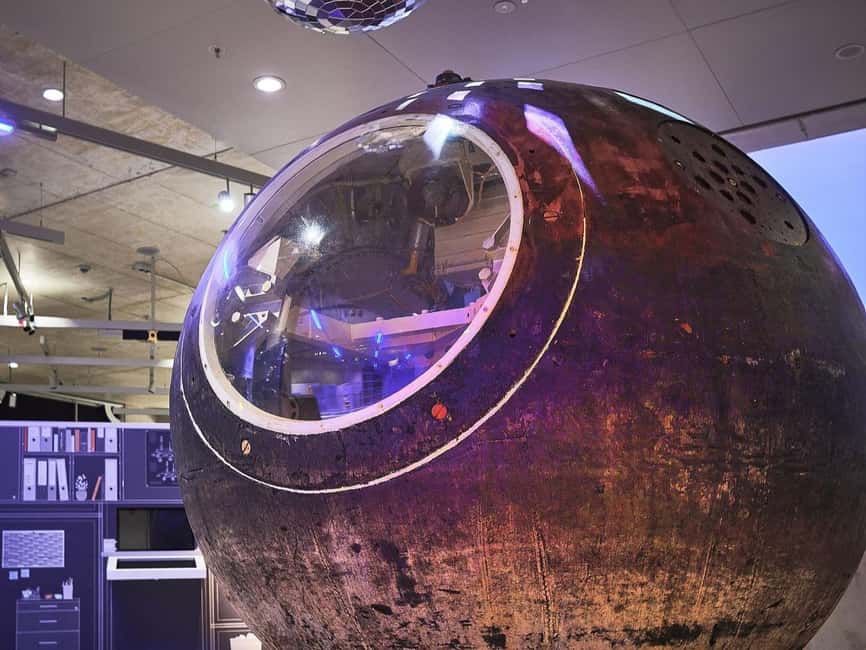
- Space and Time: the cosmos, plus the search for life
- How to pace a one-day visit without feeling rushed
- Who will enjoy this most
- Practical value: what’s included, what to plan for
- Should you book Deutsches Museum Nürnberg?
- FAQ
- How long should I plan for Deutsches Museum Nürnberg?
- What does the ticket price include?
- Are meals and beverages included?
- Is the museum wheelchair accessible?
- What are the main exhibition themes?
- Are children allowed to visit?
- Is there a museum shop?
- Can I pay later or get a refund if plans change?
Key things I’d plan around
- Work and Daily Life shows how automation and AI can reshape professions and everyday routines.
- Body and Mind mixes healthcare science with ethics, including personalized medicine and neuro-enhancement concepts.
- Urban Systems tackles smart city thinking, with real pressure points like congestion and environmental impact.
- Earth Systems focuses on climate change tools and biodiversity, with interactive displays tying people and planet together.
- Space and Time connects space travel progress to the search for extraterrestrial life.
- Workshops are built into your visit, so you can turn curiosity into hands-on time.
Why this museum feels different for $7
Deutsches Museum Nürnberg, the future-focused branch of the Deutsches Museum in Munich, is built for people who want ideas they can use. You are not just looking at inventions from the past. You are trying to understand how technology might steer work, health, cities, and even how we think about the cosmos.
The price is the first surprise. Around $7 gets you entry, access to all exhibitions, and interactive workshops. For most city museums, that kind of access at one admission price is rare, especially when the content spans several major topics. It also means you can structure your day like a buffet: pick what grabs you, then adjust on the fly.
Here is the second surprise: the place is concept-driven. You will spend time thinking about tradeoffs. Should AI optimize jobs and reduce stress, or does it also threaten some roles? Should neuro-enhancement be treated like a medical breakthrough, or does it change society’s definition of fairness? That kind of questions-and-systems approach is what makes the day feel more modern and more practical.
A few more Nuremberg walks and trips to compare
- Berlin: Jewish Museum Berlin Entrance Ticket
★ 4.5 · 8,393 reviews - Berlin: DDR Museum Tickets
★ 4.3 · 3,443 reviews - Berlin: Natural History Museum Entrance Ticket
★ 4.6 · 3,382 reviews
Work and Daily Life: where AI meets real jobs
Start with the Work and Daily Life exhibition if you want the best jump from curiosity into context. This section focuses on automation and AI and how they can redefine professions and daily routines. Instead of treating AI like magic, the exhibit lays out scenarios where technology sits inside the workplace and changes workflows.
I like this part because it helps you picture consequences, not just capabilities. You will see how automation could affect productivity, but also how it might influence job satisfaction. That is useful even if you are not in tech, because most of us will still feel these shifts at work.
What you might watch for as you move through:
- How different job tasks are grouped, automated, or redesigned
- The human side of the picture, including what could make work feel better or worse
- The implicit question of who benefits when systems optimize routines
If you are sensitive to buzzwords, you will probably appreciate that the exhibition stays grounded in everyday scenarios. It is not just about algorithms. It is about work as lived experience.
Body and Mind: personalized medicine and the ethics check
Next is Body and Mind, where healthcare innovations meet biology, and the exhibit does not shy away from ethics. You will encounter ideas around personalized medicine, plus concepts related to neuro-enhancements, which raises bigger questions about consent, fairness, and what counts as improvement.
This section is a strong choice if you want your future thinking to be human-scale. Climate and city systems are huge, sure, but health is personal. You can walk through this gallery and imagine how future treatments might tailor care more precisely than today’s one-size-fits-most approaches.
I also like that it prompts an ethics conversation alongside the science. Too many tech exhibits treat consequences as an afterthought. Here, the moral side feels built into the learning.
As you go, try to read the exhibits as if you are advising a friend:
- What benefits are realistic?
- Who might be left out?
- Where should boundaries be?
Even if some neuro-enhancement concepts feel speculative, the point is not to predict the future. The point is to get you thinking about how decisions get made when capabilities outrun rules.
Urban Systems: smart cities beyond the hype
Now shift gears to Urban Systems, which is all about smart city initiatives and sustainable urban planning. This is where the future becomes physical, because cities are where technology meets daily friction. You will face topics like congestion and environmental impact, two issues that do not care how advanced your apps are.
I like this exhibition because it connects tech to tradeoffs. A smart city is not just sensors and dashboards. It is also how you manage traffic flow, how you reduce emissions, and how you design for people rather than cars or abstract metrics.
What to look for:
- Any systems thinking about how mobility and infrastructure interact
- How sustainability goals are measured or targeted
- Whether the exhibits frame solutions as flexible and adaptable, not one perfect plan
If your interest leans practical, this is one of the best sections for you. It helps you see how urban tech could work as part of planning choices. You get a sense of what it takes to reduce harm in a place that is already crowded, already complicated, and already expensive to change.
Same city, a different way to spend the afternoon:
- Nuremberg: City Tour with the Bimmelbahn Train
★ 4.4 · 2,475 reviews - Nuremberg: Old Town Guided Walking Tour
★ 4.6 · 2,416 reviews - Nuremberg: Tunnels and Secret Passages in the City Wall Tour
★ 4.8 · 2,334 reviews - Nuremberg: Medieval Dungeons Guided Tour
★ 4.8 · 2,214 reviews
Earth Systems: climate tech and biodiversity on your route
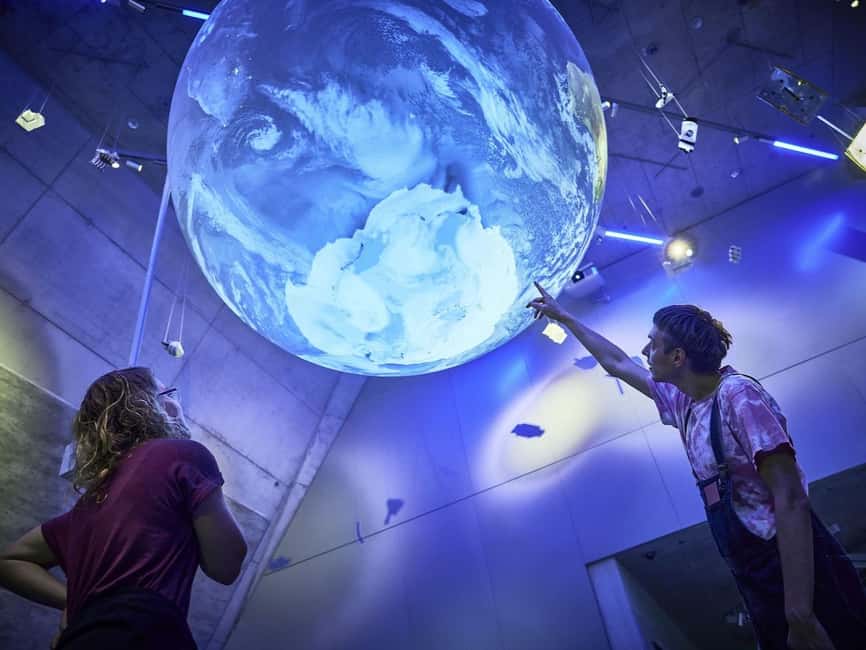
Earth Systems is the section for planetary thinking. The focus here is technology aimed at combating climate change and preserving biodiversity. What makes it more than just a lecture is the use of interactive displays that help you connect human activity with the planet’s well-being.
This is also where you might catch those personal, surprising connections. One review I saw highlighted information touching plants and even regional food ideas. That kind of detail can make the science feel less distant, because biodiversity is not an abstract chart. It shows up in ecosystems, in agriculture, and in everyday life.
Here is how I’d approach Earth Systems so it sticks:
- Watch for exhibit prompts that connect cause and effect
- Notice whether it shows solutions at multiple scales, from practical actions to larger systems
- Spend a little time with anything hands-on, because climate thinking can get overwhelming fast
If you tend to worry too much, this section can actually help because it centers tools and technologies. It does not pretend everything is easy, but it keeps the conversation moving toward what humans can do next.
Space and Time: the cosmos, plus the search for life
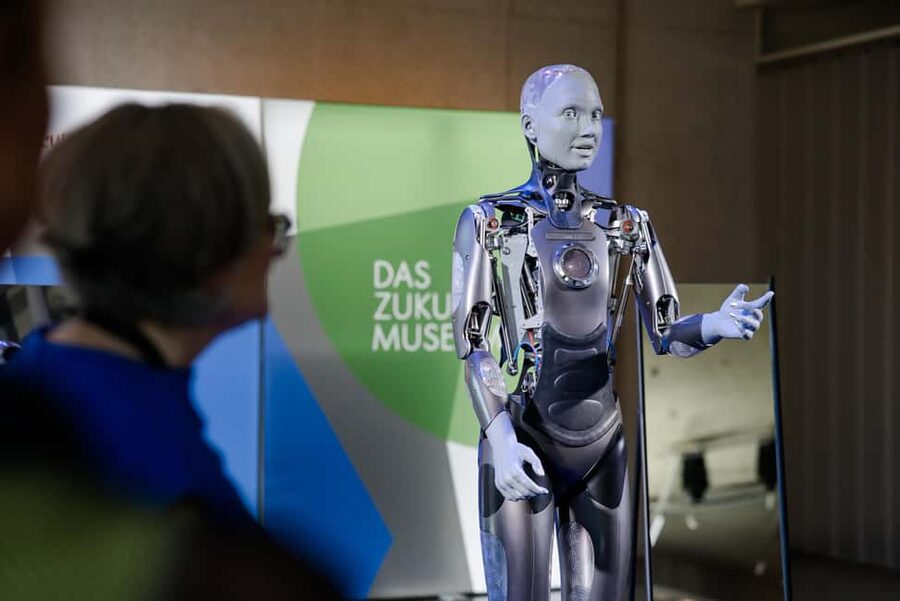
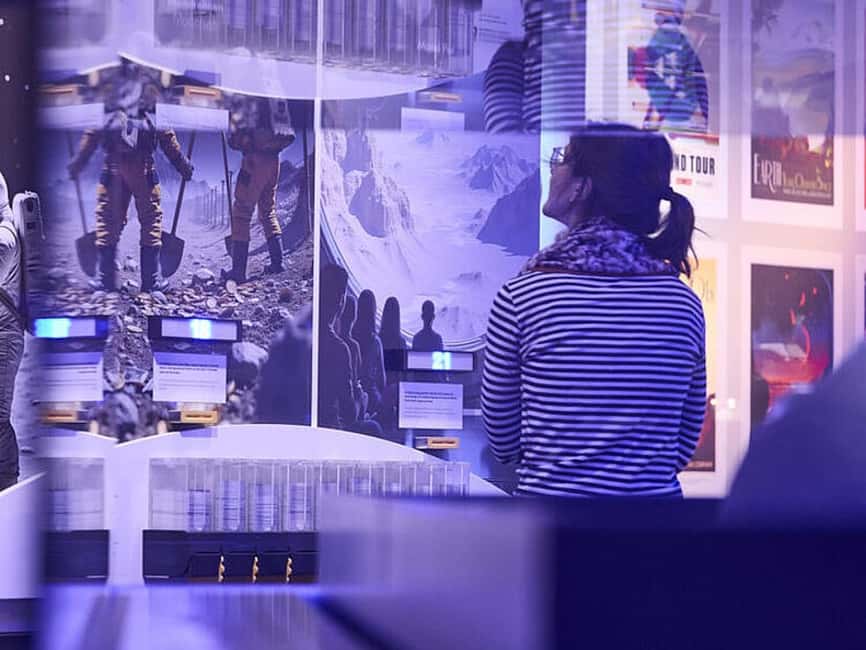
Finish with Space and Time, which turns attention outward. This exhibition invites you to ponder humanity’s quest to explore the cosmos, with a look at advancements in space travel. It also touches the search for extraterrestrial life, which is the kind of topic that can make a museum feel playful again.
I like ending here because it broadens the scale. After thinking about jobs, health, cities, and climate, you get to zoom out to the cosmic question. It is a psychological reset, and it helps the whole day feel like more than five separate galleries.
As you walk through:
- Treat it like big-picture curiosity, not homework
- Spend extra time on any interactive displays tied to space travel progress
- Let the extraterrestrial life content spark questions, not debates
Even if you are not a hardcore space person, this section is often the most immediately engaging. It is built for awe without requiring prior knowledge.
How to pace a one-day visit without feeling rushed
You have one day and multiple themed areas, so planning helps. You do not need to sprint. The museum is at its best when you slow down just enough to use the interactive parts.
Here is a practical way to pace it:
- Pick your favorite theme early, then let it guide where you go deeper later.
- Do the other sections at a comfortable tempo so you still get the full story arc.
- Save at least one chunk of time for interactive workshops, since those are included and can make the day feel more active.
If you love tech, start with Work and Daily Life and look for the AI-focused areas. If health is your angle, build your schedule around Body and Mind. If you want solutions and systems, prioritize Urban Systems and Earth Systems.
Also, keep an eye on the workshop stations as you move. Since workshops are included, you should treat them as part of the day, not an optional add-on. If you miss them, the museum can still be great, but you lose that hands-on layer that makes it memorable.
Who will enjoy this most
This museum works well for a few different traveler types.
Tech curious adults will like the way the exhibits connect technology to real life, including ethical and social angles. The AI-and-work theme is especially friendly if you want to understand how tools reshape routines, not just what the tools can do.
Families will find it useful because it is built on interactive exhibits and hands-on workshops. The themes are broad, so older kids and teens can follow the big ideas even if they do not have a science background.
Students and groups are a strong match too, since the museum offers tailored programs for schools and educational institutions. If you are visiting with a classroom mindset, the future focus gives teachers a way to frame technology as society and decision-making, not just science facts.
If you only want classic engineering history and old machinery, you might find the museum’s future orientation less satisfying. But if you can enjoy ideas, tradeoffs, and interactive learning, you will likely have a good day.
Practical value: what’s included, what to plan for
Your admission includes entry, access to all exhibitions, and interactive workshops. Meals and beverages are not included, so plan to eat on your own before or after you go. There is also no personal tour guide included, so you are essentially doing self-guided exploration with optional workshop participation.
One more practical perk: you can skip the ticket line, which saves time if you are trying to fit a museum day into a tight itinerary.
And yes, you should plan for the museum shop at the end. It is a good place to browse books, games, and theme-related gifts that match the exhibitions, which can help you take a little of the future-themed ideas home.
Should you book Deutsches Museum Nürnberg?
If your goal is a smart, future-themed museum day that mixes big concepts with hands-on learning, I’d book it. At about $7 with full exhibition access and included workshops, the value is strong, and the topics cover enough ground that most people will find at least one section they care about deeply.
Book it especially if:
- You want technology framed around people, ethics, and real-world systems
- You enjoy interactive exhibits, not just display cases
- You are visiting for one day and want multiple themes without extra tickets
Skip it if you are mainly seeking classic historical machinery and deep engineering artifacts. This museum is more about what might come next than what already happened.
FAQ
How long should I plan for Deutsches Museum Nürnberg?
Plan for about 1 day.
What does the ticket price include?
The ticket includes entry, access to all exhibitions, and interactive workshops.
Are meals and beverages included?
No, meals and beverages are not included.
Is the museum wheelchair accessible?
Yes, the museum is wheelchair accessible.
What are the main exhibition themes?
The museum focuses on Work and Daily Life, Body and Mind, Urban Systems, Earth Systems, and Space and Time.
Are children allowed to visit?
Children under 12 must be accompanied by an adult. There are also child and youth categories mentioned for booking.
Is there a museum shop?
Yes, you can explore the museum shop for books, games, and gifts after your visit.
Can I pay later or get a refund if plans change?
You can reserve now and pay later. There is free cancellation up to 24 hours in advance for a full refund.
If you want, tell me what you care about most (AI, health, cities, climate, or space) and I’ll suggest the best way to structure your hour-by-hour flow inside the museum.
Newest Nuremberg reviews on the site
- Nuremberg: 60 minute Express Walk with a Local★ 4.2 · 3 reviews
- Best of Nuremberg: Private Walking Tour with a Local★ 3.8 · 3 reviews
- Nuremberg: Private 1.5-Hour Tour with Beer Tasting★ 4.6 · 111 reviews
- Fünf Seidla Steig ® Beer Hike Food Experience Private Tour (departs Nuremberg)★ 5.0 · 10 reviews
- Nuremberg World War 2 and Beer Tasting Tour★ 4.5 · 28 reviews
- Nuremberg: Castle and Old Town Tour – including admission tickets and red beer tasting★ 4.9 · 28 reviews
- Nuremberg: The Old Town in Evening Light – IN GERMAN★ 4.7 · 353 reviews
- Nuremberg Third Reich Tour in Spanish★ 5.0 · 355 reviews
Museums, compared.




Skip-the-Line: Berlin Wall Museum at Checkpoint Charlie
Read our review →Browse the lists this tour appears in