
Reviewed · HISTORICAL TOURS
Culinary-historical walk through Bamberg
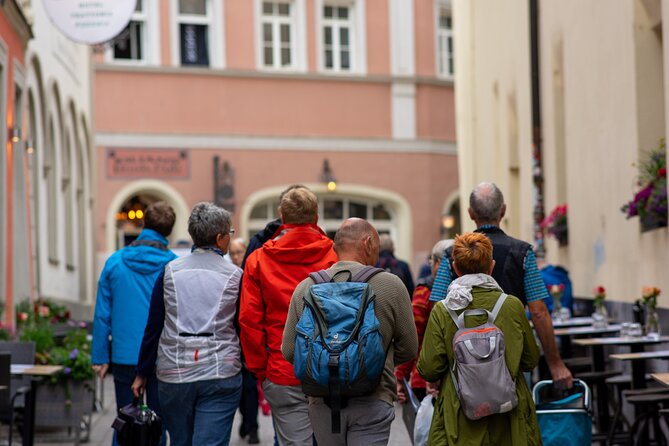
Bamberg tastes like history. This 2-hour culinary-historical walk ties together food, drink, and the city’s water, with stops that explain how brewing and eating evolved over nearly 1,000 years. You’re guided through the places that shaped Bamberg’s table, and you get hands-on moments with small samples and guessing games.
What I like most is the mix of food and brewing. You’re not stuck in theory, and you do get to try what the guide talks about. I also love the finish at a classic inn, where the whole point comes together, beer choice plus a real local setting.
One thing to consider: it’s a German-speaking tour. If you do not feel comfortable with German, plan to rely on a translation app and stay flexible with the pace.
In This Review
- Key points worth knowing
- Bamberg’s Culinary History in Two Hours of Beer and Bites
- Before You Go: How the Walk Works and What You’ll Taste
- Am Kranen to Gruner Markt: Medieval Meat and Market Smells
- Michelsberg Beer and Wine Stories at Igor Mitoraj Centurione I
- Under Untere Brucke: Regnitz Views and Little Venice Details
- Schlenkerla Rauchbierbrauerei: Smoked Beer from the Middle Ages
- Pfahlplätzchen Cellar Saying and Hornla Tastings
- Eckerts Wirtshaus Finish: End with a Beer Choice and Local Hospitality
- Is This the Right Tour for You?
- FAQ
- How long is the Bamberg culinary-historical walk?
- What time does the tour start, and where do I meet?
- Where does the tour end?
- What language is the tour in?
- Is there a mobile ticket?
- Are there admissions included during the walk?
- What is the cancellation policy?
Key points worth knowing
- Beer-first storytelling: Bamberg’s brewing tradition is the spine of the whole experience, even when the city’s earlier wine ties come up.
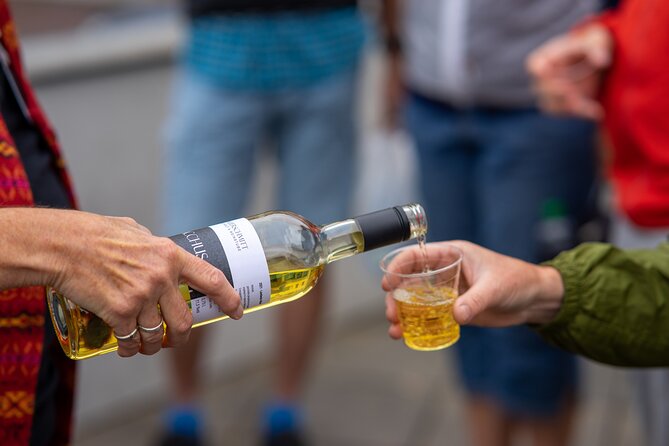
- Tastings at multiple stops: you sample along the route, not just at the end, and the guide uses short games to keep it fun.
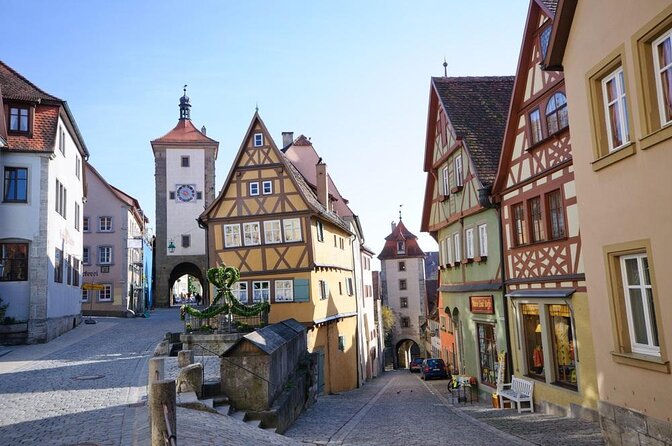
- Real Bamberg settings: Regnitz views, historic bridge-side buildings, and an actual smoked beer brewery frame the story.
- Hornla and cellar culture: you’ll hear why the city’s eating habits connect to bread rolls and cellar tradition.
- Small group feel: up to 30 people, so it’s not a giant crush of strangers.
Bamberg’s Culinary History in Two Hours of Beer and Bites
This walk is built around a simple idea: in Bamberg, beer isn’t just a drink. It’s part of how people fed themselves, traded, and even built a city identity. The route follows the geography too, because the Regnitz water system shaped brewing and daily life long before fancy brewing science.
In the Middle Ages, people ate differently than we do today. Meat mattered, and markets were where you learned what was available and what smelled good. This tour starts there, then shifts you toward brewing culture, including Bamberg’s smoky reputation and the city’s long-standing love of cellar life.
Best of all, the pacing is easy. It’s about 2 hours, and each stop is short enough that you keep moving through the story without feeling trapped in any one location. And because it’s a mobile ticket, you can focus on the street views and the tastes, not paperwork.
More Walking Tours in Bamberg
- Bamberg: Guided Walking Tour
★ 4.6 · 3,202 reviews - Bamberg: City Highlights Walking Tour
★ 4.6 · 679 reviews - Bamberg: Private Guided Walking Tour
★ 4.8 · 90 reviews
Before You Go: How the Walk Works and What You’ll Taste
You meet at Alter Schlachthof, Am Kranen 1, and the walk runs at 4:00 pm. It ends at Eckerts Wirtshaus, Ob. Mühlbrücke 9. Most stops are free of extra admission charges, and the last stop includes an admission ticket.
The tour is German-speaking. That can affect how much you catch, but the tastings and the visual cues do a lot of the teaching for you. If you’re even a little comfortable with German basics, you’ll feel the rhythm quickly. If not, bring a translation app and treat the experience like a guided tasting walk first, language lesson second.
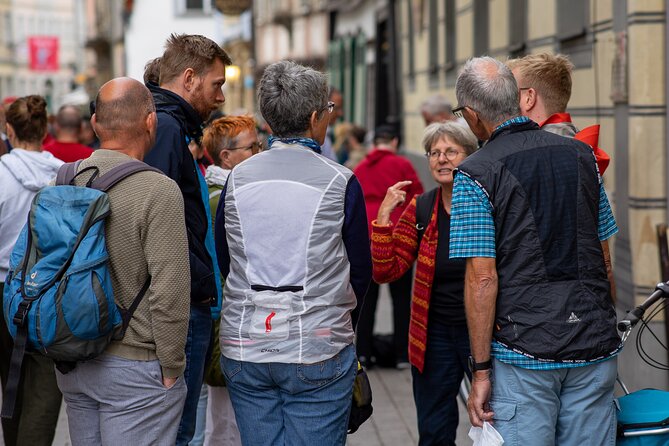
Group size is capped at 30. That’s a sweet spot for questions and small moments without everyone stretching their necks in the same direction. Also, since the tour is booked about a month in advance on average, I’d reserve sooner rather than later if you want a specific date.
Am Kranen to Gruner Markt: Medieval Meat and Market Smells
The first stop, Am Kranen, sets the tone. The guide introduces medieval eating habits and the way everyday food worked around what people could raise, trade, and store. Expect your first taste to make the point quickly, because meat consumption was a big deal in the Middle Ages, not a rare luxury for only the wealthy.
From there you head to Gruner Markt, one of the city’s weekly market anchors. This part works because it turns history into something you can experience with your senses. You’ll take part in guessing games and smell samples that connect food shopping to Bamberg’s market tradition. It’s a smart approach for a short walk: you get to feel what a market once did, help people identify ingredients, and then you move on before your brain gets bored.
The main drawback at market-style stops is simple: smells and tastes can be personal. If you’re sensitive to strong food aromas, take it slowly at the scent moments. The good news is the tour format keeps things brief, and the story continues right after.
Michelsberg Beer and Wine Stories at Igor Mitoraj Centurione I
Bamberg is famous for beer, but the guide reminds you that the city wasn’t always a beer-only place. At the stop near Igor Mitoraj Centurione I, the tour brings in the idea that Bamberg was also a wine town during the Middle Ages. You can test that theme for yourself with the view toward the monastery on Michelsberg.
This stop matters because it prevents a one-note experience. You’re not just collecting facts about modern beer culture. You’re seeing how production and preference shifted over time, and how the same landscape can support different kinds of farming and drinking traditions.
This is also one of those points where your photos help you understand the story later. If you pause and look out while the guide speaks, the place starts to feel connected to what you’re eating and drinking. If you rush it, you’ll still taste things, but the big picture gets harder to hold.
A few more Bamberg walks and trips to compare
- Bamberg: Guided Beer History Tour with Optional Tasting
★ 4.6 · 772 reviews - Bamberg: Guided Historical Culinary Tour
★ 4.6 · 461 reviews - Bamberg: Historical City Tour in German with Brewery Visit
★ 4.5 · 108 reviews - Leipzig: City History Canal Sightseeing Tour on a Motorboat
★ 4.7 · 7,671 reviews
Under Untere Brucke: Regnitz Views and Little Venice Details
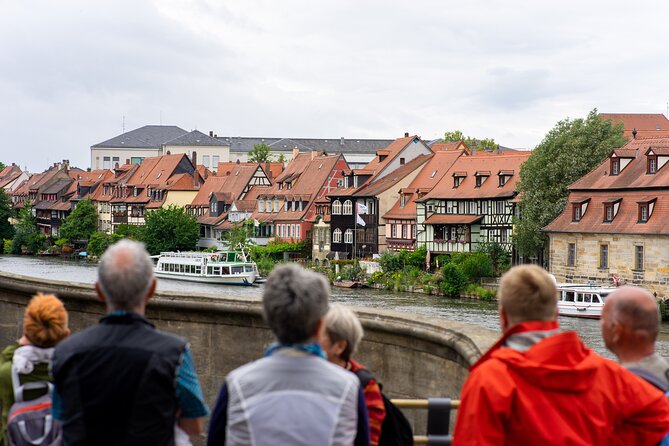
When you reach Untere Brucke, the walk leans into Bamberg’s postcard side, but in a practical way. The city’s nickname about Little Venice comes from how the waterways and bridge lines shape the scene. Here, the Regnitz is the lifeline, and the guide talks about it through the lens of older working life.
In front of the former fishermen’s houses from the 17th century, you get stories that connect the water to daily routines. That’s important. Beer brewing often gets explained as a craft, but it also relies on water, storage, transportation, and timing. This is where the city geography becomes more than scenery.
If you want the best view, I’d stand where the guide positions you, then do one slow scan: look at the river first, then look at the buildings, and then look back at the river. That simple back-and-forth helps your brain connect what you heard to what you see.
Because this is outdoors, dress for your comfort. Even in the afternoon, river air can feel cooler than you expect.
Schlenkerla Rauchbierbrauerei: Smoked Beer from the Middle Ages
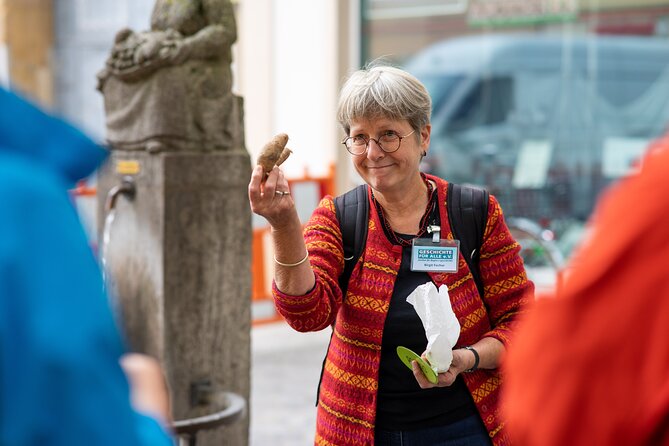
Then comes the stop that many people come for: Schlenkerla Rauchbierbrauerei. You get a view of the historic smoked beer brewery, and the guide explains the roots of Bamberg’s smoked beer art. The point isn’t only what tastes good today. It’s why a smoke flavor became a signature and how brewing methods supported that identity.
Smoked beer can be polarizing. Some people love the campfire-like character, and others feel it’s too intense. This tour helps because the explanation gives you a frame for tasting. You’re more likely to enjoy the flavor when you understand how it’s connected to local tradition and production methods.
If you’re unsure, take small sips during the moment you’re offered. Your taste buds will adjust faster than you think, especially after earlier flavors and breads on the route. And if you know you dislike smoked flavors, treat this stop as a story stop. You can still learn without forcing your palate to love it.
This brewery stop is also a nice reminder that food culture is place-based. Bamberg doesn’t need to reinvent itself for tourists. It keeps doing what worked, and that continuity makes the walk feel authentic.
Pfahlplätzchen Cellar Saying and Hornla Tastings
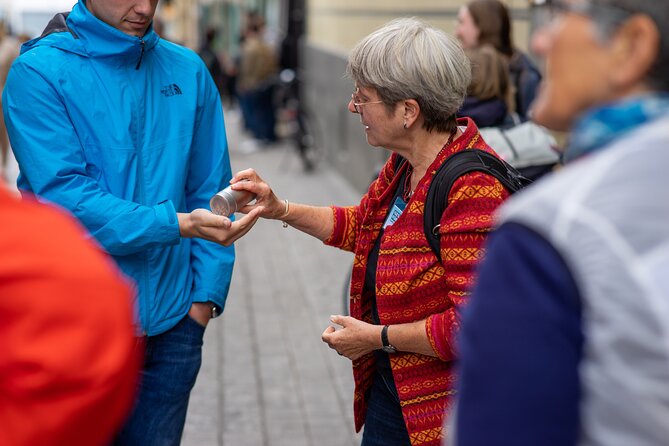
At Pfahlplätzchen, the tour leans into the cellar mindset. You’ll hear the local saying about going to the cellar, and it makes more sense once you’ve walked through the brewing theme. Cellars aren’t just storage here. They’re part of how beer quality, timing, and everyday enjoyment work.
This is also where the story connects bread to beer culture through Hörnla. Bamberg is known for Hörnla, and the tour includes both types. Even if you don’t know what you’re tasting at first, you’ll quickly understand why bread rolls matter alongside beer. They act like a bridge between sweet, savory, and smoky notes, and they give you something solid while you sample.
The key advice: slow down for this stop. It’s easy to move through bread tasting like it’s a snack break, but the guide is using it to show how locals build meals and pair them with drinks. Take a moment and notice texture, then taste again after your sip. That small repetition is where the flavors start to click.
Eckerts Wirtshaus Finish: End with a Beer Choice and Local Hospitality
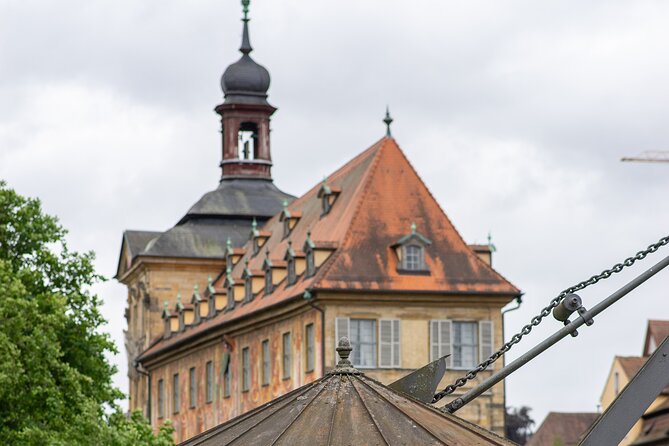
The tour concludes at Eckerts Wirtshaus, and this is where the whole walk turns from lessons into a relaxed meal moment. Here, the experience includes an admission ticket, and you get to choose a beer of your choice. This is a very practical way to end, because your earlier tastings help you decide what you actually like.
I really like that the final stop doesn’t force a single outcome. Some people have strong preferences. Others want to try one more thing just to see. A beer choice lets you steer your own ending, and it makes the tour feel less like a classroom and more like a night out.
Eckerts Wirtshaus also fits the day’s theme. It’s a classic inn setting, which matters because brewing culture belongs in everyday life, not only in historical explanations. You’re not leaving with trivia only. You’re leaving with a beer you chose, plus a sense of why Bamberg does what it does.
Is This the Right Tour for You?
Book this walk if you want an efficient way to understand Bamberg through taste and place. It’s especially good if you care about how food traditions connect to water, markets, storage, and brewing methods. The guide-based storytelling plus multiple tastings makes it feel worth the money, not just another sightseeing walk.
I’d also recommend it if you like structure. Each stop is short, and you always know you’re moving toward the next flavor moment. For many people, that’s the difference between a tour that feels tiring and one that feels fun.
Skip it only if you strongly dislike smoked beer flavors or if German is a real barrier for you. The language piece can limit details, but the tastings and the setting still carry a lot of the experience. If you want a tour with heavy English explanation, you might feel more satisfied elsewhere.
If you do book, plan to arrive a touch early so you can settle in at Alter Schlachthof and get the walk started without stress. And bring a curious palate. This is one of those tours where the best souvenir is a better understanding of what you just ate and drank.
FAQ
How long is the Bamberg culinary-historical walk?
It runs about 2 hours.
What time does the tour start, and where do I meet?
It starts at 4:00 pm at Alter Schlachthof, Am Kranen 1, 96047 Bamberg.
Where does the tour end?
The tour ends at Eckerts Wirtshaus, Ob. Mühlbrücke 9, 96049 Bamberg.
What language is the tour in?
The tour is German-speaking.
Is there a mobile ticket?
Yes, it uses a mobile ticket.
Are there admissions included during the walk?
Most stops are free of admission, and the final stop at Eckerts Wirtshaus includes an admission ticket.
What is the cancellation policy?
Free cancellation is available. You must cancel at least 24 hours before the start time for a full refund.
Newest Bamberg reviews on the site
- Bamberg Countryside Breweries Beer Hike Food Experience★ 5.0 · 27 reviews
- Free Walking Tour Bamberg★ 4.5 · 9 reviews
- Private Guided Walking Tour of Bayreuth With A Professional Guide★ 5.0 · 3 reviews
- Bayreuth Scavenger Hunt and Sights Self-Guided Tour★ 5.0 · 7 reviews
- Bamberg Private Walking Tour With A Professional Guide★ 4.5 · 27 reviews
- Bamberg – Excursion to Seehof Palace★ 5.0 · 3 reviews
- Bamberg: Outdoor escape game with puzzle backpack★ 4.7 · 53 reviews
- Witch Trials in Bamberg★ 4.4 · 187 reviews
Historical Tours, compared.
City History Canal Sightseeing Tour on a Motorboat
Read our review →
Browse the lists this tour appears in