
Reviewed · STREET ART
Berlin: Street Art and Alternative Tour
Street art tells Berlin’s political story. On this 3-hour small-group walk, I love how the murals in Kreuzberg and around the wall line turn art into something you can actually understand. You’re not just looking at color, you’re learning the why behind it. East Side Gallery is the headline, but the tour also teaches you how Berlin’s “alternative” identity grew from Cold War fractures into today’s street-art language.
Two big wins for me are the guide-led storytelling and the real sense of place. Guides who speak French or Italian, like Antonella and Iacopo (Italian) or Martin and Marie (French), help you connect specific paintings to neighborhood life, protest, and survival. One thing to keep in mind: you’ll need to plan for transit, because you must buy an AB 24-hour ticket to reach and take part in the tour.
In This Review
- Key Things to Know Before You Go
- Why Berlin’s Wall-Era Art Still Shapes Kreuzberg
- The 3-Hour Walking Loop: Kreuzberg to the East Side Gallery
- How the Guide Teaches You to Read Street Art Politically
- East Side Gallery: More Than Famous Murals
- The Kreuzberg Detail Stops: Courtyards, Corners, and Small-Scale Messages
- Price and Value for a $31, 3-Hour Story Walk
- Who This Tour Fits Best (And Who Might Skip It)
- Should You Book This Berlin Street Art and Alternative Tour?
- FAQ
- How long is the Berlin Street Art and Alternative Tour?
- How much does the tour cost?
- What’s included in the price?
- Do I need public transport to take this tour?
- What should I bring?
- Where do I meet the guide?
- What languages are available for the guide?
Key Things to Know Before You Go
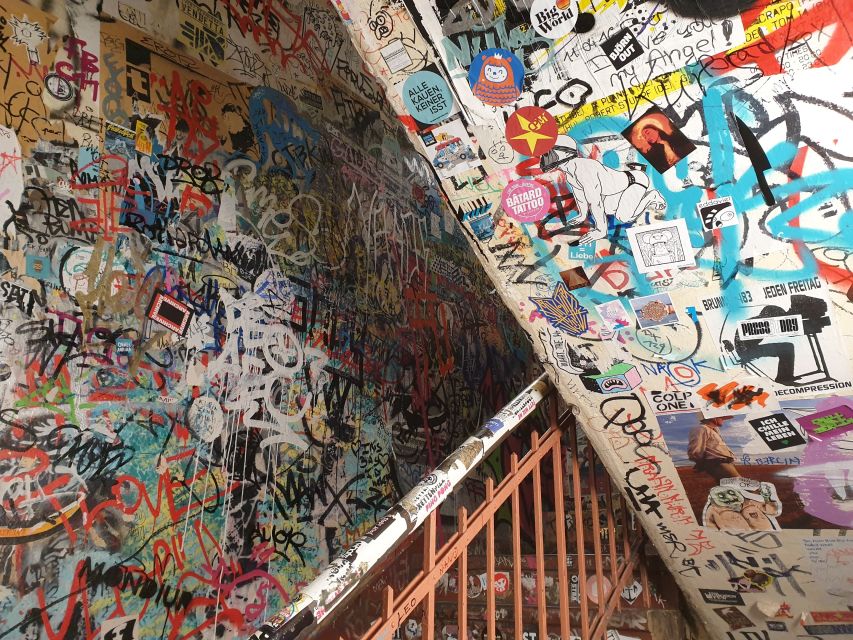
- Kreuzberg street art with context, not just photos, you learn what the imagery was responding to
- East Side Gallery as a centerpiece, where public art and political history overlap in one walk
- Small-group pacing for questions, so your guide can slow down when something matters
- Cold War to gentrification, a clear thread from 1989 onward through the city’s changing economy and social life
- Look for art hidden in plain sight, from tiny pieces in corners to works tucked into courtyards
Why Berlin’s Wall-Era Art Still Shapes Kreuzberg
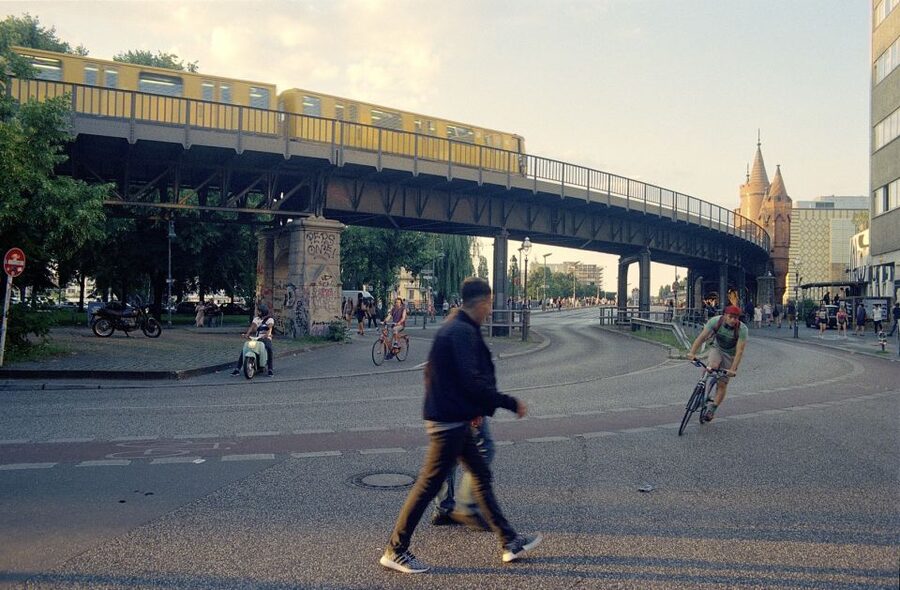
Berlin has a talent for turning trauma into a kind of public creativity. This tour starts from the simple idea that street art is not random decoration. In Berlin, it’s tied to borders, propaganda, protest, and the long aftermath of the Cold War, when east and west faced each other in the same city.
That matters because Kreuzberg and nearby areas carry a particular energy. You’ll see big wall-scale works, but you’ll also notice smaller pieces wedged into the city’s everyday geometry. The tour trains your eyes to spot the details, the political symbols, the humor, and the messages aimed at local life. It also explains why Berlin became a magnet for alternative culture, especially once the wall came down and people had to renegotiate identity, space, and power.
You’ll also get a guided frame for the modern chapter. The tour references the social and economic shifts that followed 1989, and it brings you up to the present phase of gentrification. That’s useful. Street art can look like it belongs to a rebellious past, but here it’s also actively negotiating the present, including who gets to own the streets and who gets displaced.
A few more Berlin walks and trips to compare
- Berlin: City Street Art Guided Walking Tour
★ 4.8 · 1,051 reviews - Berlin: 3-Hour Street Art Tour
★ 4.7 · 778 reviews - Berlin: Private Kreuzberg Street Art Walking Tour
★ 4.8 · 57 reviews
The 3-Hour Walking Loop: Kreuzberg to the East Side Gallery
This is a 3-hour on-foot experience. The exact route can vary, and the meeting point can change depending on the option you book, but the core neighborhoods and story arc stay consistent. You’ll be walking through Berlin’s alternative quarter of Kreuzberg, then toward the East Side Gallery area where some of the most famous wall art lives today.
Here’s how to think about the walk in practical terms.
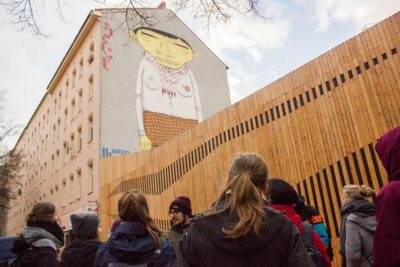
First, the Kreuzberg portion is where you learn the language. Expect to spend real time noticing the difference between large, attention-grabbing works and the smaller “found” artworks that sit in corners or appear in courtyards. The point is not only to see them, but to understand why they show up there. In a city shaped by borders, a wall, a gate, or a courtyard can become a statement space.
Second, you’ll connect that local texture to the bigger stage as the tour works toward the East Side Gallery. This is the segment many people come for, but what makes it more than a photo stop is the context the guide gives you before you arrive. When you know what to look for, the East Side murals feel less like postcard history and more like political communication meant for a real audience.
One drawback, if you’re not comfortable walking, is that the tour is designed as a walking experience. Wear comfortable shoes. You will cover enough ground that you’ll feel it in your legs after the 3 hours, especially if you’re trying to stop often to take pictures.
How the Guide Teaches You to Read Street Art Politically
This tour leans hard on the guide, and that’s where it earns its high satisfaction rate. The tour includes a live guide, speaking French or Italian, and the goal is interpretation. Your guide explains the historical and social changes that turned wall space into canvas and turned neighborhoods into message boards.
What I like about this approach is that it helps you avoid the usual street-art trap: seeing art as decoration without meaning. Instead, you learn to ask practical questions like these:
- What was happening in Berlin at the time this image was likely created?
- Is the artwork commenting on politics, economics, identity, or survival?
- Does it fit the neighborhood’s “alternative” reputation, or is it challenging that reputation?
- How does the image relate to the city’s shift since 1989?
The guides also bring accessibility. Several guides highlighted in past tours, such as Antonella and Iacopo, Marie, and Martin, are praised for explaining history in a way that feels engaging and easy to follow. That kind of guiding matters on a short tour. You don’t want a lecture, you want a story you can carry as you walk.
Language also plays a role. If you choose French or Italian, you’re more likely to understand the nuance in how the guide connects images to Berlin’s broader political arc. Even if you’re not fluent, you’ll usually catch the throughline quickly because the guide ties street art to what shaped everyday life.
East Side Gallery: More Than Famous Murals
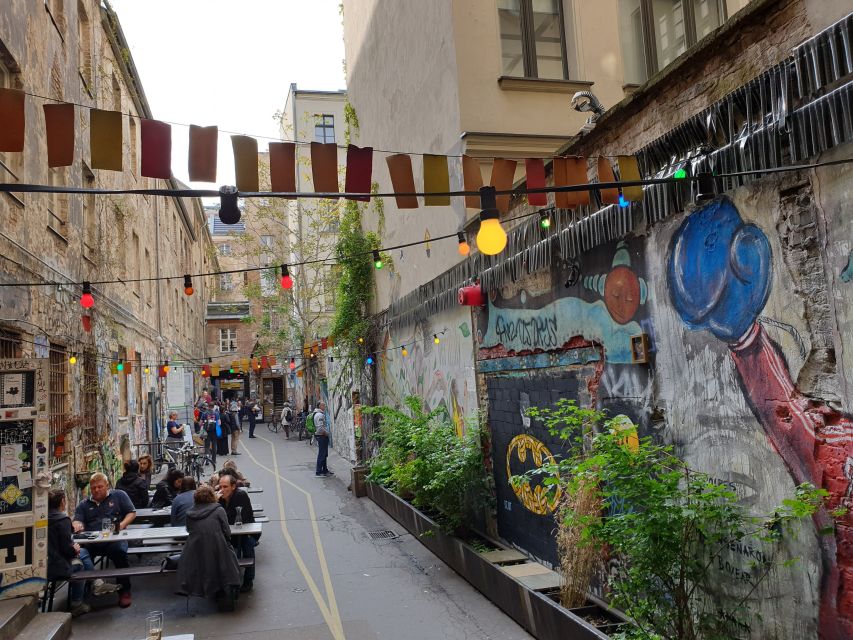
The East Side Gallery is where Berlin’s public art becomes instantly recognizable. You’ll see gigantic works and iconic scenes along the wall line, and the tour treats it as a meaning-rich endpoint, not a quick detour.
Here’s what makes this stop worth your time. The East Side Gallery is art you can’t fully separate from politics. The walls that once symbolized division became a surface for ideas, criticism, hope, and memory. In other cities, wall art might be about aesthetics or local branding. Here, it’s tied to the border story and to the long transition after 1989.
You’ll likely notice how the artwork works on two levels:
- As visual spectacle, with bold scenes meant to be seen from a distance.
- As historical conversation, where images and symbols point back to the Cold War era and the city’s later transformation.
Because your guide has already set up the background, you’ll walk through the gallery with a better sense of what each piece is reacting to. That turns a well-known location into something you can genuinely read.
Same city, a different way to spend the afternoon:
- Berlin: Reichstag, Dome and Government District Guided Tour
★ 4.7 · 18,288 reviews - Berlin: 1-Hour City Tour by Boat with Guaranteed Seating
★ 4.3 · 16,993 reviews - Berlin: TV Tower Standard Entrance Ticket
★ 4.4 · 15,883 reviews - Berlin: Boat Tour Along the River Spree
★ 4.4 · 11,252 reviews
The Kreuzberg Detail Stops: Courtyards, Corners, and Small-Scale Messages
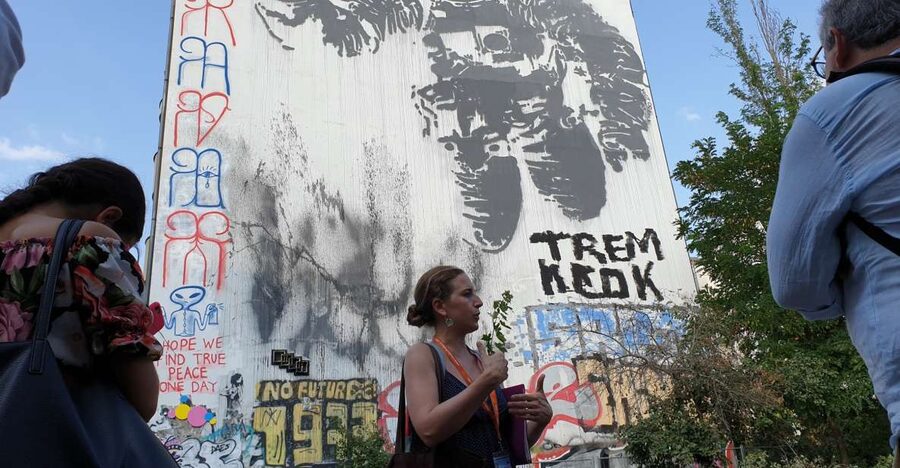
If the East Side Gallery is the headline, Kreuzberg is where you learn how street art behaves like local news. Gigantic works grab attention, but the tour also helps you look for the smaller pieces that feel like they’re hiding in plain sight.
This is where you’ll benefit from a slower pace and a guide who can point things out. The description emphasizes that you’ll find art wedged into corners, hidden in courtyards, and spread along streets in districts like Mitte as the route progresses. That’s not just “cool to see.” It’s part of how Berlin’s alternative culture operated: messages appear where people actually live, not only where tourists go.
I’d call this the most “Berlin” part of the tour. It’s easy to visit famous murals and move on. It’s harder to notice the minor works that keep the street-art story alive between big landmarks. When you’re looking at small pieces with context, you start to understand why Berlin street art became an essential part of the city’s 1990s revival, and why it continues during periods of economic change.
Price and Value for a $31, 3-Hour Story Walk
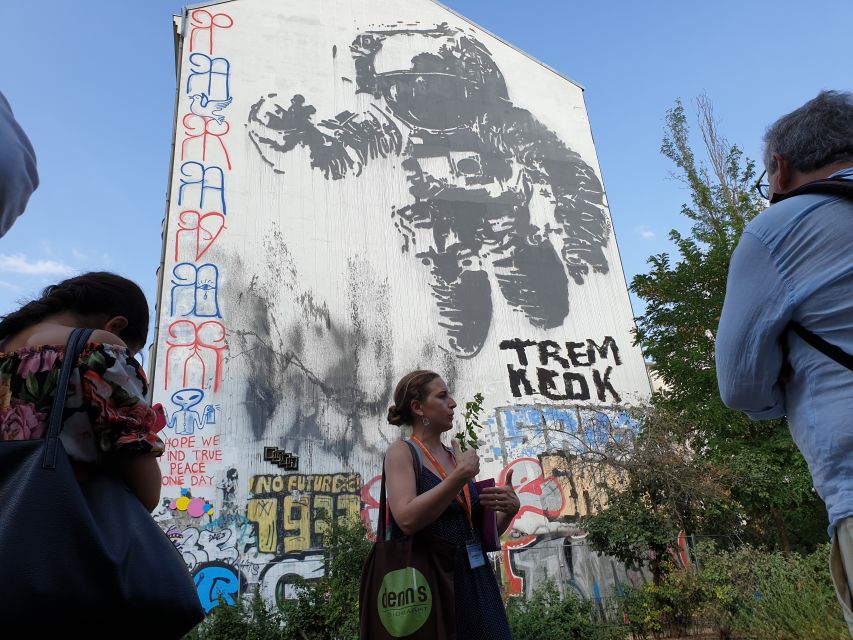
At $31 per person for about 3 hours, this tour is priced like a “smart add-on” day activity rather than a major splurge. The real value comes from two things: interpretation and time. Street art tours can be mostly sightseeing, but this one is built around city history and social change. You’re paying for a guide who connects the murals to Berlin’s Cold War story and to what happened after the wall fell.
Also, the small-group format matters. On a large tour, you don’t get follow-up questions. Here, the setup supports conversation and clarifications, which is exactly what you need when you’re trying to understand symbolism and neighborhood dynamics in a limited time window.
If you’re budget-minded and you want a high-impact way to see multiple layers of Berlin in one go, this fits. If you already know a lot about the Cold War narrative and you just want maximum mural hunting with zero explanation, you might find a self-guided approach more flexible. But if you want the meaning, the guide-led format justifies the cost.
Who This Tour Fits Best (And Who Might Skip It)
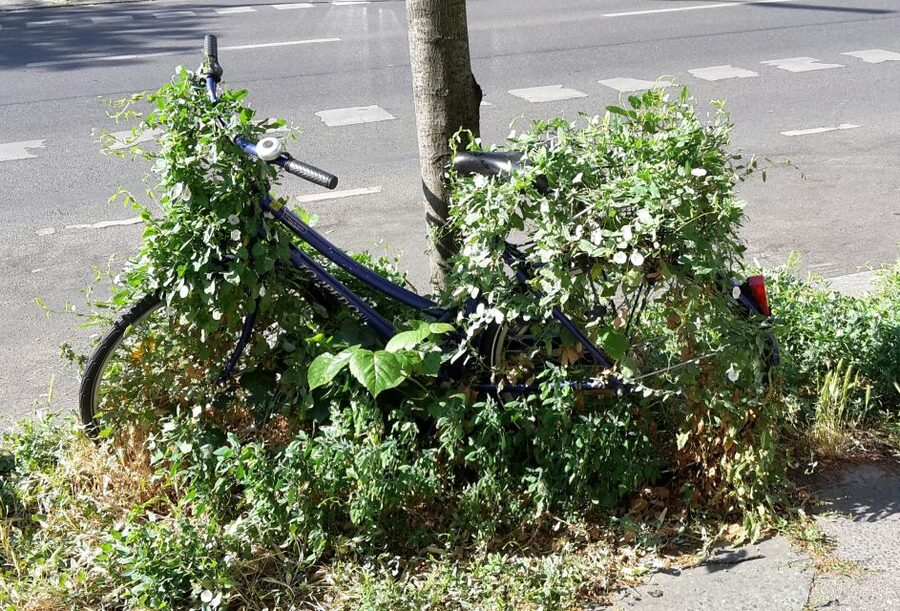
This tour is a strong fit if you:
- Like street art but want the politics and history behind it
- Want a short walking experience that still feels interpretive
- Prefer a French or Italian guide for clearer storytelling
- Enjoy walking neighborhoods like Kreuzberg more than ticking off monument checklists
It may be less ideal if you:
- Dislike walking for 3 hours, even at an easy pace
- Expect a tour that focuses only on famous murals, with minimal background
- Don’t want to buy transit for the day. You’ll need an AB 24-hour ticket for public transport to take part.
Should You Book This Berlin Street Art and Alternative Tour?
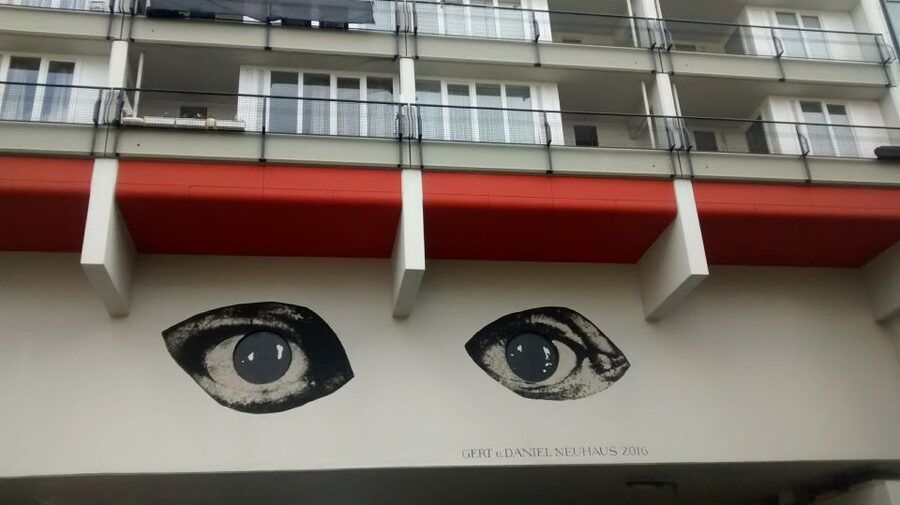
I’d book it if your goal is to understand Berlin street art as a living record, not just a visual trend. The combination of Kreuzberg’s alternative quarter, the wall-related storyline, and the East Side Gallery centerpiece makes it a good first pass, especially if you want context fast. The strong rating and the repeated praise for guides like Antonella and Iacopo, Martin, and Marie signal that the guiding style is a real part of the experience.
If you’re the type who likes to wander and look at art on your own, you can do Berlin street art independently. But you’ll probably miss the connecting thread between Cold War wounds, the 1989 shift, and today’s gentrification pressures. On this tour, those connections are the whole point.
So yes, I recommend booking if you want meaning with your murals, and you’re comfortable in walking shoes.
FAQ
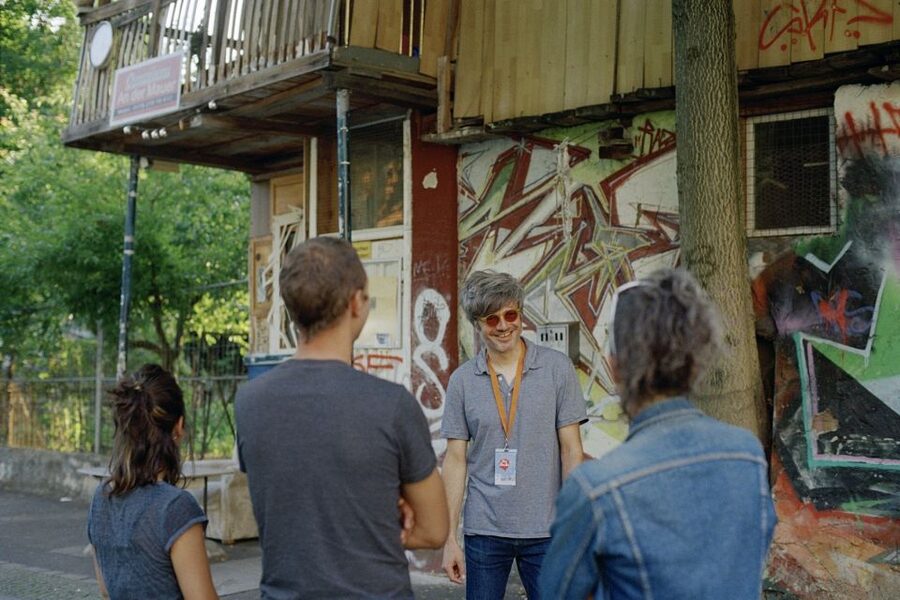
How long is the Berlin Street Art and Alternative Tour?
It lasts about 3 hours.
How much does the tour cost?
The price is $31 per person.
What’s included in the price?
You get a walking tour with a small group and a live guide who speaks French or Italian.
Do I need public transport to take this tour?
Yes. You will need to purchase an AB public transport ticket for the day (a 24 hour ticket).
What should I bring?
Wear comfortable shoes, since it is a walking tour.
Where do I meet the guide?
The meeting point may vary depending on the option you book.
What languages are available for the guide?
The guide is available in French or Italian.
Newest Berlin reviews on the site
- Jetbike Berlin fun bike beer bike★ 5.0 · 3 reviews
- Karl-Marx-Allee Walking Tour: Berlin’s Socialist History★ 5.0 · 5 reviews
- Homeless on chic streets: city tour in Berlin from personal experience★ 4.6 · 3 reviews
- Berlin: Sachsenhausen Concentration Camp Guided Tour★ 4.9 · 42 reviews
- Historyof the Trans, Queer & Gay communities of Berlin tour★ 4.8 · 17 reviews
- Historic Berlin Pubs & History Tour★ 4.9 · 73 reviews
- Berlin: City Center Walking Tour★ 4.7 · 45 reviews
- Half-Day Berlin Highlights Segway Expedition★ 4.5 · 61 reviews
Street Art, compared.
Neustadt District Street Art Guided Walking Tour
Read our review →
Street Art Walking Tour in the Ehrenfeld District
Read our review →
3-Hour Cologne Street Art Bike Tour in Small Group with Guide
Read our review →Browse the lists this tour appears in