
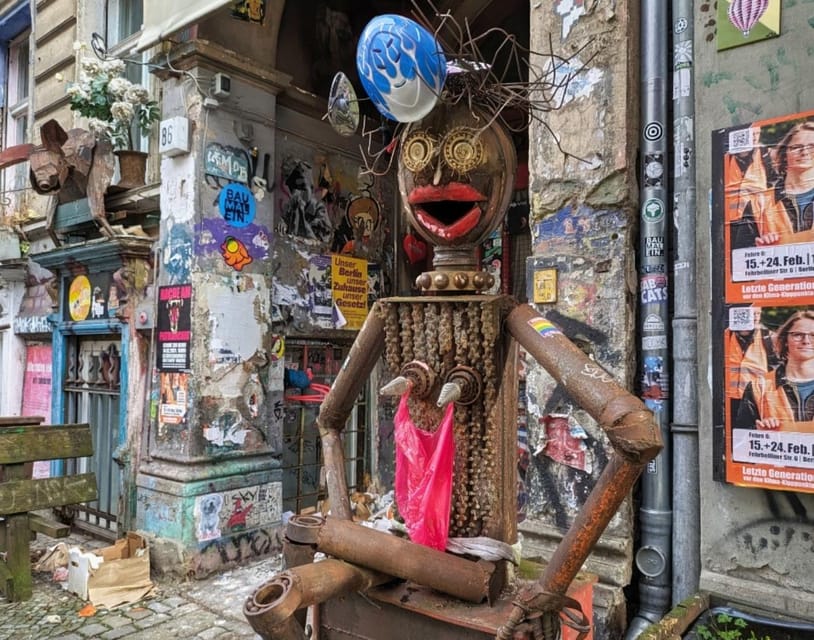
Reviewed · STREET ART
Alternative Berlin / Street art tour – Private group
Berlin can look like graffiti on purpose. I love how this private street art tour turns random walls into readable history, and how Adrien connects what you see to the people and politics behind it. The big caution: it is a walking tour, and it can move through busy streets and alleys, so comfy shoes help.
If you thought Berlin’s alternative scene was only for tourists with cameras, you’ll get a reality check. You’ll spend three hours focused on street art, mural art, graffiti, alternative housing projects, multicultural neighborhoods, and even music clues that explain why so many scenes formed after the Berlin Wall fell. The potential drawback is simple: you’ll see the city through one strong lens, so if you want classic monuments only, this is not that kind of tour.
In This Review
- Key takeaways before you go
- Where this 3-hour walk starts, and how it feels
- The street-art stops that matter (and why you will look longer)
- What to watch for as you walk
- Post-Wall Berlin: the counterculture that built the walls
- Alternative housing projects you can actually picture
- Green initiatives, industrial spaces, and urban innovation
- Music as a map: gramophones, punk, hip hop, and more
- Kiez neighborhoods, local food, and after-dark tips
- Price, value, and who should book this private group
- Who this tour fits best
- Practical tips so you enjoy it more
- Should you book Alternative Berlin street art tour?
- FAQ
- What is the duration of the tour?
- Where does the tour meet?
- How much does it cost?
- Is it a private tour?
- What language is the tour in?
- Is a guide included?
- Do I need a public transport ticket?
- Is the tour wheelchair accessible?
Key takeaways before you go
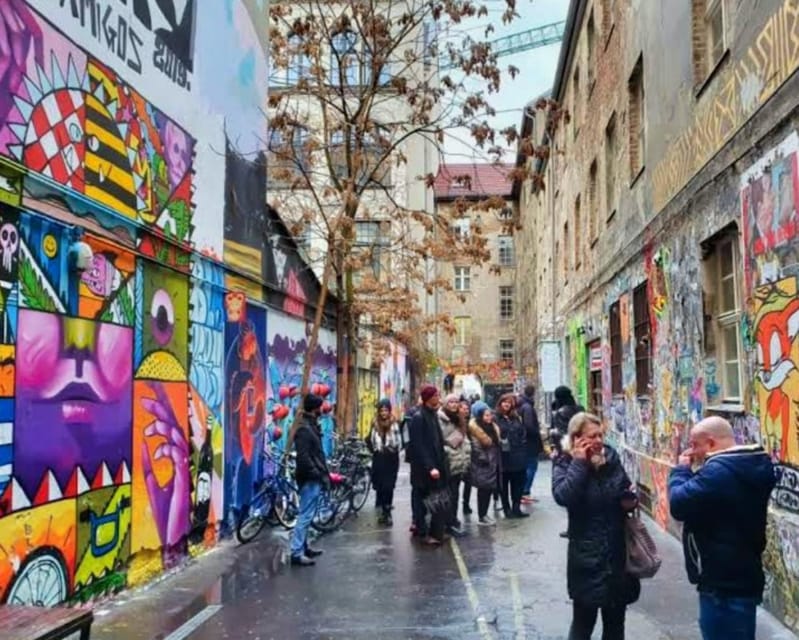
- Street art with context, not just photo spots
- Post-wall counterculture stories tied to the walls you see
- Alternative living and housing projects after the Wall
- Neighborhood stops with optional local food and drink
- Music scene timeline, from gramophones to underground club culture
- Private group pace you can control with your own questions
Where this 3-hour walk starts, and how it feels
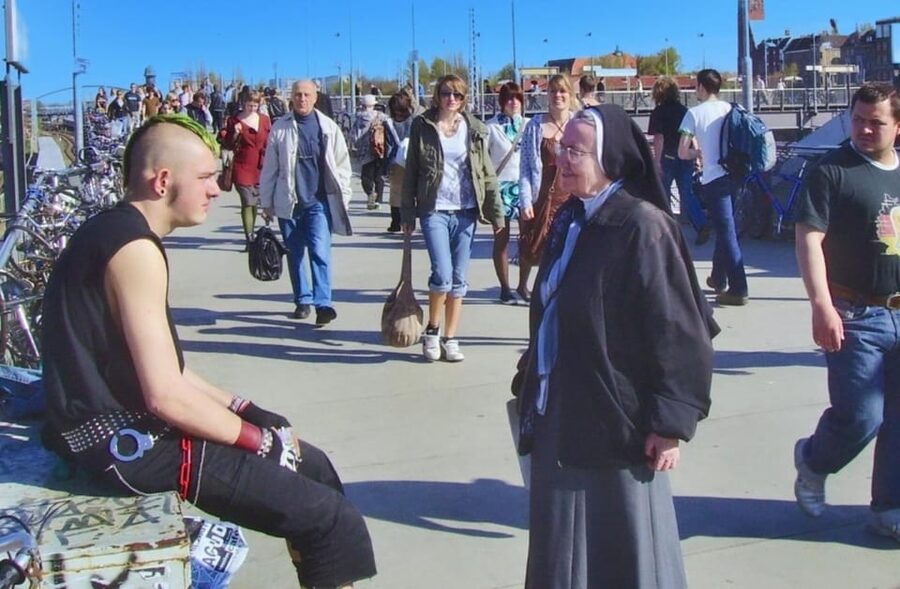
The tour meets on the corner of Revaler Strasse and Warschauer Strasse, in front of a kebab shop. It is an easy, street-level start point, and it matters because you are not going to “studio museum” your way through Berlin. This experience is built for the outside city, the corners you normally rush past, and the walls that only make sense when someone explains the why.
You’ll be walking in a private group for about three hours, led by Adrien, who helped create the Alternative Tour concept in Berlin back in 2006. In practice, that means you get a guide who knows how street art works on the ground, not as an abstract trend. The tone stays friendly and conversational, but the subject is serious: counterculture, community, and the social messages people wanted painted where everyone could see them.
Also, you’ll need to have an AB transport ticket, since transit is not included. Plan for that ahead so you do not lose time at the start.
A few more Berlin walks and trips to compare
- Berlin: City Street Art Guided Walking Tour
★ 4.8 · 1,051 reviews - Berlin: 3-Hour Street Art Tour
★ 4.7 · 778 reviews - Berlin: Street Art and Alternative Tour
★ 4.7 · 98 reviews
The street-art stops that matter (and why you will look longer)
Street art tours can turn into a checklist. This one tries to do the opposite. You are going to see street art, mural art, graffiti, and creative urban projects, yes, but the real payoff is how each stop becomes a story about the moment, the authors, and the message.
One of the strongest reasons this tour earns top scores is that Adrien treats murals and tags like language. He connects the evolution of the city to culture and the social politics behind the work, so you are not just taking photos. You are learning how and why certain pieces appeared, what might have existed there before, and what changes when a neighborhood shifts.
You will also go off the typical tourist path, including hidden alleys and transformed industrial spaces. Those are the places where the art feels most believable, because it grew out of the neighborhood rather than being installed as decoration.
What to watch for as you walk
When you see a big mural or a cluster of smaller pieces, slow down. Try to notice:
- whether it looks like a planned mural or layered, scraped-over street work
- the recurring symbols or color choices
- whether the message feels personal, political, or both
Adrien’s explanations make those details click. You end up seeing more, even after the tour ends.
Post-Wall Berlin: the counterculture that built the walls
Berlin’s alternative look is not an accident. This tour spends real time on what changed after the fall of the Berlin Wall, because that’s when a lot of the current “scene logic” started to form.
You’ll learn why people from many backgrounds, including expats, filmmakers, musicians, startup folks, misfits, and the free-spirited, decided Berlin could be home. The story isn’t just romantic. It is practical. When formal systems feel locked, people build their own networks, spaces, and rules. Street art and graffiti became one way to claim space and communicate without asking permission.
Adrien also frames the art as a response. It is a visual argument with the city’s past and an announcement about its future. That is why the tour focuses on counter-culture movements that grew after the Wall fell, and why you’re not only seeing art, you’re seeing a whole social ecosystem around it.
Same city, a different way to spend the afternoon:
- Berlin: Reichstag, Dome and Government District Guided Tour
★ 4.7 · 18,288 reviews - Berlin: 1-Hour City Tour by Boat with Guaranteed Seating
★ 4.3 · 16,993 reviews - Berlin: TV Tower Standard Entrance Ticket
★ 4.4 · 15,883 reviews - Berlin: Boat Tour Along the River Spree
★ 4.4 · 11,252 reviews
Alternative housing projects you can actually picture
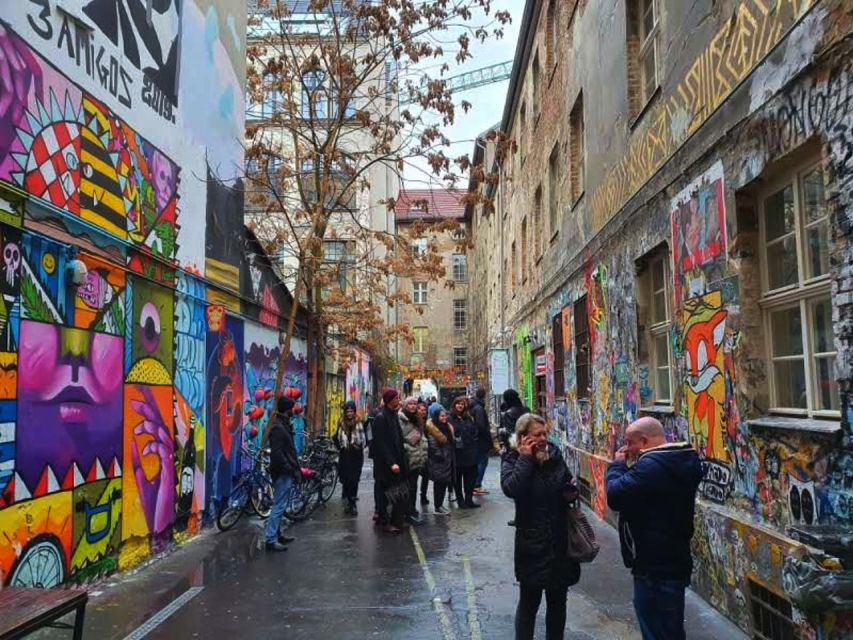
One thing I appreciate is that the tour does not keep street art separate from real life. Berlin’s walls reflect how people live, and you’ll hear about alternative housing projects including communal living apartments, squats, and even wagon communities that appeared after the Wall.
You’ll also get a sense of how multicultural neighborhoods can share streets, not always peacefully. The tour talks about “mostly” harmony, with the honest note that it does not always go smoothly. That honesty helps you understand why some art looks celebratory and playful, while other pieces feel sharper or more urgent.
This section is valuable because it stops the experience from becoming only aesthetic. You start linking murals to housing and community pressure, to who has access to land, and to who gets ignored until they find a loud way to be seen.
Green initiatives, industrial spaces, and urban innovation
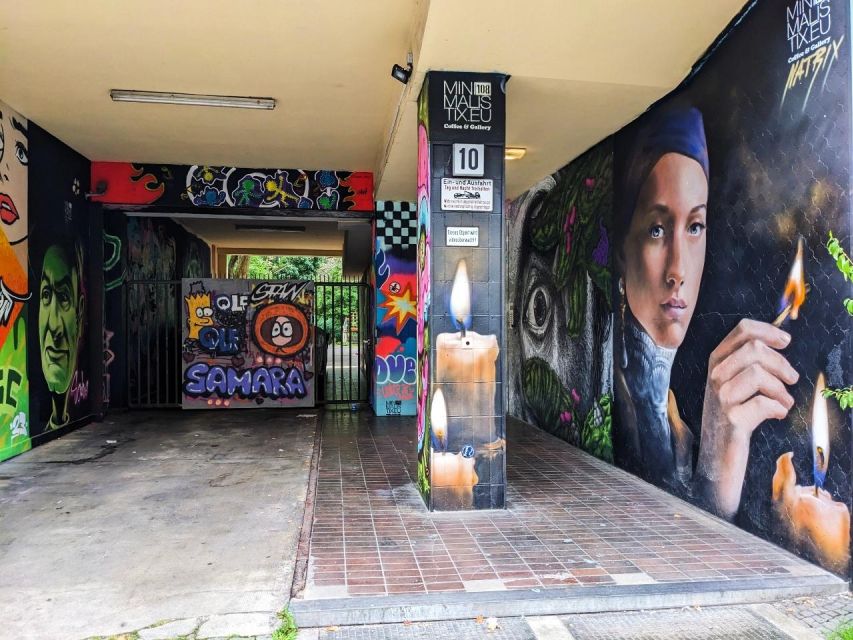
Berlin is famous for recycling a building shell and making something new out of old infrastructure. This tour shows that angle too, through green initiatives and urban innovations tucked into the neighborhoods you visit.
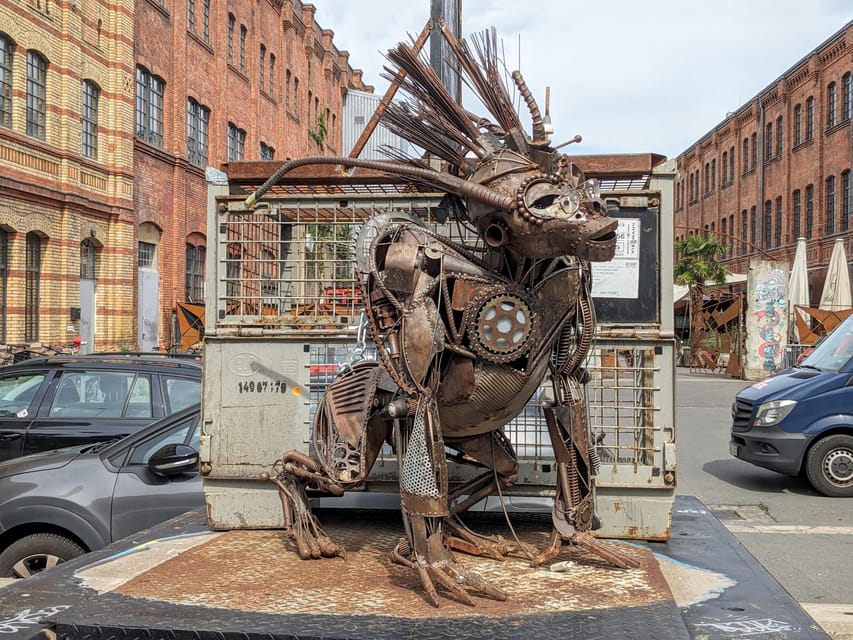
You’ll move through areas that include transformed industrial spaces and look at how creative projects survive alongside the normal city rhythm. It is a good reminder that alternative culture is not only parties and posters. It also shows up in sustainable thinking and in reusing space in ways that feel a bit experimental, because Berlin often runs on experimentation.
If you like ideas, this will be the part that makes you think. If you mainly want art and stories, it still works, because those initiatives influence the surfaces and the spaces where art can happen.
Music as a map: gramophones, punk, hip hop, and more
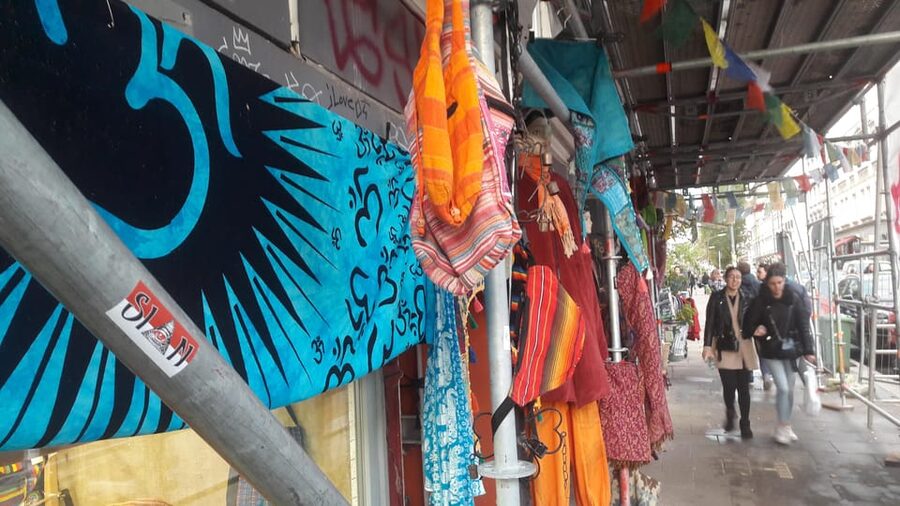
The tour takes you beyond walls and into sound. You’ll discuss Berlin’s music scene across punk, hip hop, jazz, metal, and electronic music, and you’ll also hear about why music and underground culture connected so strongly to youth resistance and political friction.
A standout part of the narrative is the early history: the gramophone parties in the 1920s and 1930s that were described as rebellion against National socialism and compulsory youth groups. Adrien also talks about how hidden jazz, blues, and swing dance events were forbidden at the time. Later, you’ll hear about underground fetish clubs and burlesque scenes, including their roots in the 1920s.
Even if you do not consider yourself a music person, this section is useful. It gives you a way to decode Berlin’s nightlife reputation. Street art and club culture share DNA: both are about identity, about who gets excluded, and about where people build community when official channels do not fit.
Kiez neighborhoods, local food, and after-dark tips
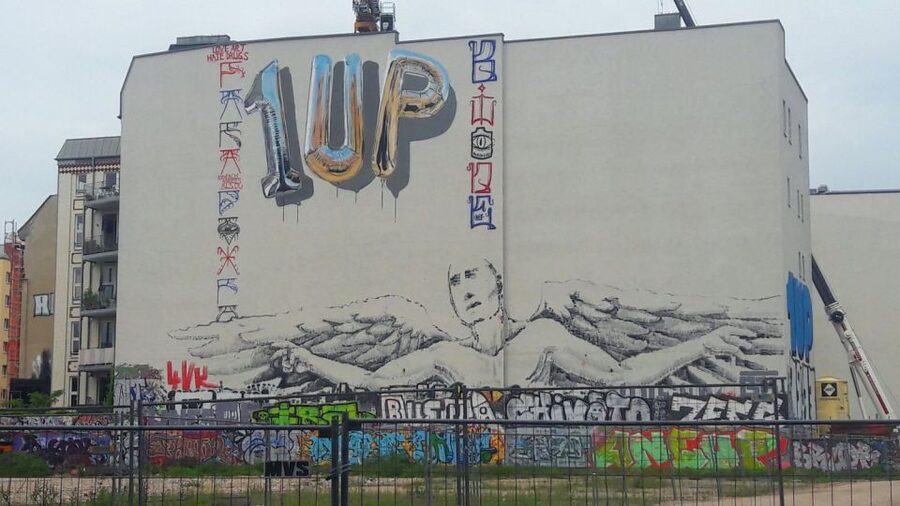
This tour includes stops in a few local neighborhood areas, often referred to as Kiez. You’ll also have the chance to grab local food and drink if your group wants to. Since the tour is private, you can shape how long you linger.
What I like here is that you get more than an art lecture. You get practical advice for actually enjoying the area afterwards: dining, clubbing, and bar hopping tips. That kind of guidance is hard to guess from a guidebook, because it depends on what’s happening in Berlin right now and what your interests are.
If your group is full of dancers, musicians, or just people who enjoy night culture, the pairing of street art plus nightlife pointers makes the pacing feel smart. You finish the tour with ideas ready to use.
Price, value, and who should book this private group
The price is $176 per group, for a group size of up to 20, for three hours. That can be an excellent value if you book with friends or a small group, because the cost is shared and you still get a highly personal walking experience. It is also a good deal if you want an English guide and prefer the comfort of fewer people and more direct attention.
If you are booking solo, you should do the math for your situation. A private-group rate can feel pricey on a per-person basis if you cannot split it. On the other hand, solo travelers often like a private format because you can ask questions that match your own curiosity, and Adrien’s style sounds built for interaction.
Who this tour fits best
- People who want context behind street art, not just photos
- Berlin first-timers who want a second layer beyond monuments
- Berlin return visitors who think they already know the city
- Dance students and groups who connect music, culture, and art history
- Anyone interested in alternative housing and post-Wall community life
Practical tips so you enjoy it more
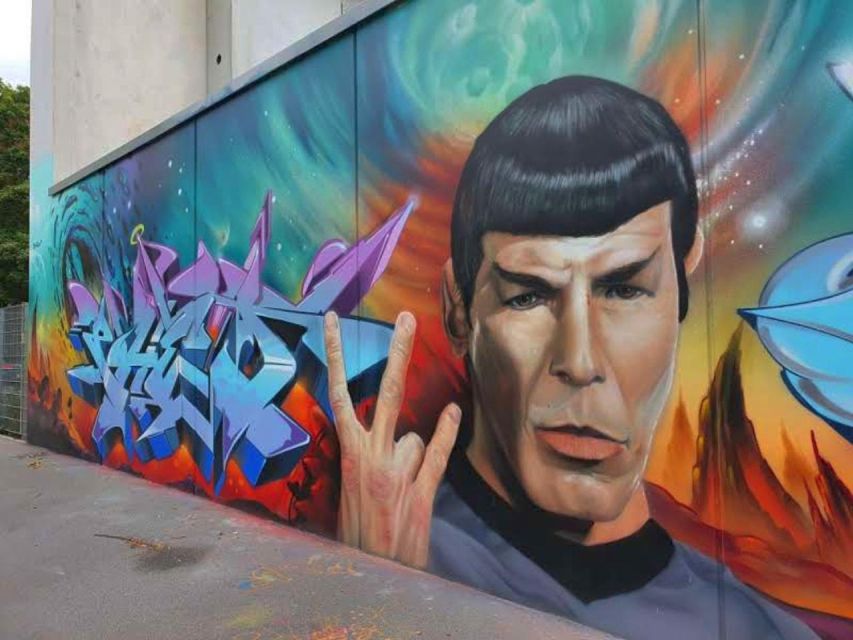
Because this is a street-focused walk, come prepared for the basics. Wear comfortable shoes and dress for weather, since you’ll be moving outdoors.
You’ll also get more out of it if you approach the tour with two questions in mind:
- What is the message trying to say, and who is it aimed at?
- How does this piece connect to the neighborhood around it?
Adrien’s explanations are what make those answers pop, but your mindset matters. You’ll notice patterns faster and take better photos for the right reasons.
Also, bring your phone battery plan. You will likely want photos, and street art deserves a closer look.
Should you book Alternative Berlin street art tour?
If you want Berlin as street-level culture, this is a strong yes. The most praised aspects from past bookings center on Adrien’s deep involvement in the scene, the way he connects graffiti and street art to history and social messages, and the feeling that you are shown a new side of Berlin even if you already live there.
Skip it only if you mainly want standard sightseeing and monument-heavy routes. This tour is about counterculture, alternative neighborhoods, and how the city’s walls carry stories.
If you book, do it with one goal: look past the image and ask what the street is trying to say. You’ll leave with a different way of seeing Berlin, and you’ll have neighborhood ideas that last past the last photo.
FAQ
What is the duration of the tour?
The tour lasts 3 hours.
Where does the tour meet?
You meet on the corner of Revaler Strasse and Warschauer Strasse, in front of a kebab shop.
How much does it cost?
It costs $176 per group for groups up to 20 people.
Is it a private tour?
Yes, it is a private group tour.
What language is the tour in?
The tour is English.
Is a guide included?
Yes. The only included item listed is the tour guide.
Do I need a public transport ticket?
Yes. an AB transport ticket is required, and it is not included.
Is the tour wheelchair accessible?
Yes, the tour is listed as wheelchair accessible.
Newest Berlin reviews on the site
- Jetbike Berlin fun bike beer bike★ 5.0 · 3 reviews
- Karl-Marx-Allee Walking Tour: Berlin’s Socialist History★ 5.0 · 5 reviews
- Homeless on chic streets: city tour in Berlin from personal experience★ 4.6 · 3 reviews
- Berlin: Sachsenhausen Concentration Camp Guided Tour★ 4.9 · 42 reviews
- Historyof the Trans, Queer & Gay communities of Berlin tour★ 4.8 · 17 reviews
- Historic Berlin Pubs & History Tour★ 4.9 · 73 reviews
- Berlin: City Center Walking Tour★ 4.7 · 45 reviews
- Half-Day Berlin Highlights Segway Expedition★ 4.5 · 61 reviews
Street Art, compared.
Neustadt District Street Art Guided Walking Tour
Read our review →
Street Art Walking Tour in the Ehrenfeld District
Read our review →Browse the lists this tour appears in