
Reviewed · WINE TOURS
Regensburg: italian wine dinner at Caffè Rinaldi
Five Italian pours in Regensburg, but with real stories. This Italian wine dinner at Caffè Rinaldi turns a casual evening walk into a focused tasting, with 5 wine tastings from two respected Italian wineries and an expert guiding you through the why behind each pour. I especially like that the food pairings are planned to match what’s in your glass, and that the host brings the regions and winemaking stories into plain language. One thing to plan around: it is not suitable for vegans and it is also not for people with gluten intolerance.
If you want an evening that feels friendly instead of stiff, this is the vibe. I like how the tasting is structured for about two hours, so you get enough time to learn without feeling dragged through a long course. Michele handles the Italian food pairings, and the wine expert (Francesco, in at least one German-hosted evening) explains growing, winemakers, and ripening. Since the presentation is in German, it is smart to go in with patience and ask questions, even if you are not fluent.
In This Review
- Key highlights to look for
- First Stop: Getting Oriented at Caffè Rinaldi
- What You Actually Eat and Drink: How the Pairing Works
- The Monferrato Side: Vini Boeri and the Truffle Country Feel
- Tuscany in Two Acts: Monterò, Maremma, and Biodynamic Style
- The Tasting Flow: Pace, Group Energy, and Learning Outcomes
- Price and Value: Is $147 Fair for Two Hours?
- Who Should Book This Wine Dinner in Regensburg
- Should You Book This Italian Wine Dinner at Caffè Rinaldi?
- FAQ
- How long is the Italian wine dinner in Regensburg?
- What does the $147 per person price include?
- Where does the experience start?
- What language is used during the wine presentation?
- Is transportation included?
- Is the experience suitable for vegans or gluten intolerance?
- Are wines served to minors?
- Is it wheelchair accessible, and are pets allowed?
- What are the cancellation and payment options?
Key highlights to look for
- 5 tastings in 2 hours, so you get variety without a time sink
- Two Italian wineries bring two different regional stories to the table
- Michele’s food pairings are designed to match each wine
- Francesco-style guidance keeps technical details human and memorable
- Monferrato and Tuscany (Maremma) are the big themes, with clear regional context
First Stop: Getting Oriented at Caffè Rinaldi
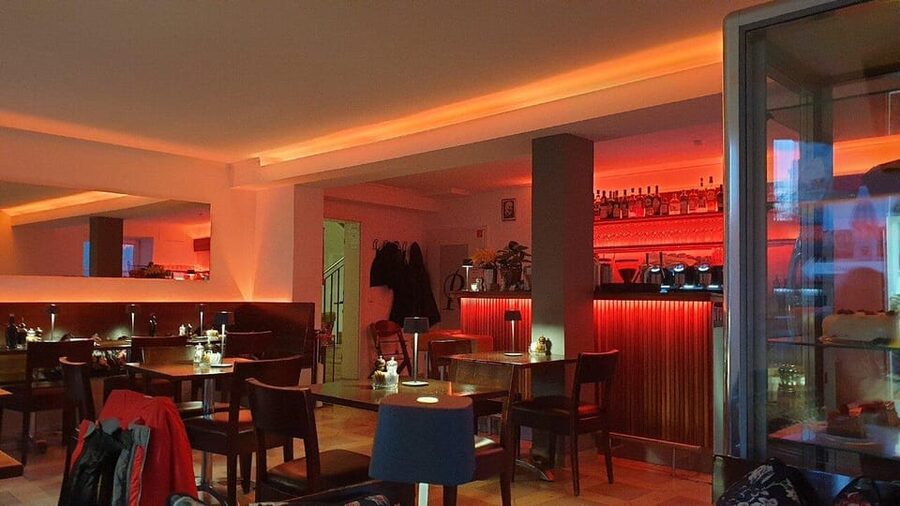
Meeting at Caffè Rinaldi in Regensburg is the kind of simple start that helps you enjoy the evening. The whole event is built around being easy to get to, with the tasting experience beginning right in the neighborhood rather than at some faraway venue. That matters, because wine nights can go sideways if you burn time and energy just getting there.
You’ll likely walk in and feel the tone immediately: this is not a silent, formal tasting where everyone pretends they do not have questions. In one described evening, the welcome had a warm, Italian feel that set a relaxed pace from the first minutes. That fits the structure of the night too. You are there for learning, but also for comfort, food, and conversation.
The staff is German-speaking, and the sommelier’s wine presentation is in German. The dinner is open to all, but the language detail is real. If German is not your thing, do not panic. Go with curiosity, listen for the recurring themes (grapes, region, ripening, style), and use your palate as a translator. Wine makes more sense when you can taste differences, even if you miss one sentence.
Also note the practical boundaries: pets are not allowed, and wine service is not provided to anyone under 18. If you are traveling with teens, it is worth checking age rules before you book so everyone is on the same page from the start.
More wine tastings in Regensburg:
- Regensburg: walking tour with italian wines and food tasting
★ 4.7 · 4 reviews - Trier: Guided City Walk with Wine Tasting
★ 4.8 · 979 reviews - Hamburg: Harbor Cruise with Wine and Cheese
★ 4.7 · 795 reviews
What You Actually Eat and Drink: How the Pairing Works
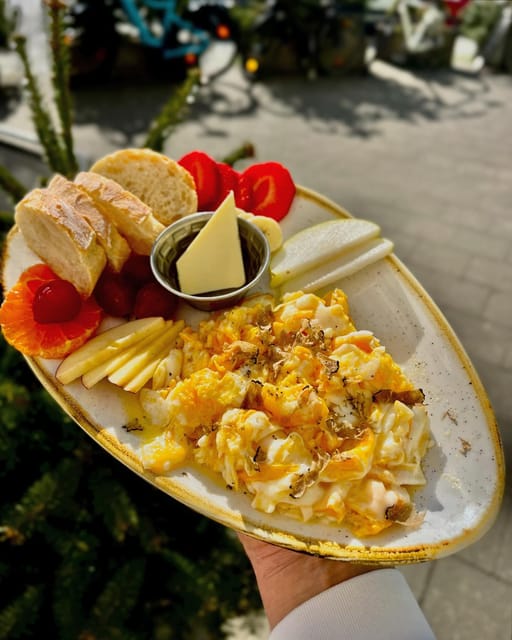
This experience is built around a straightforward idea: the wines are the lead act, and the Italian bites are there to support them. You get 5 wine tastings, and each one is paired with Italian delicacies selected to complement the flavors in the glass. That is where the value lives. Most wine tastings leave you with a handful of sips and a random snack. Here, the snacks are part of the learning.
Michele is responsible for the Italian food pairing side. Even if you do not know Italian wine jargon, you can still follow what the sommelier is explaining. You taste, then you eat something planned for that same moment. You start noticing patterns: lighter wines tend to make certain flavors pop, fuller wines ask for richer bites, and acidity or fruitiness changes how you perceive taste in real time.
One practical tip: take small bites and slow sips early on. If you rush, you will miss the pairing logic. I’d also keep a mental note for each wine: does it feel fruity, earthy, floral, or structured? Then when the next plate arrives, ask yourself what changed. That is usually the fastest way to feel like you learned something, not just attended an evening.
The night lasts about 2 hours, which helps too. You should not feel trapped in a long format. It also means you can enjoy the experience without needing a full dinner beforehand. If you do come hungry, plan for the fact that you will likely leave satisfied. The described evening feedback points to portions that felt like a proper meal, not just a tasting tray.
And yes, there are restrictions. It is not suitable for vegans, and it is not suitable for gluten intolerance. If you have allergies or dietary needs, the right move is to communicate them in advance. That is the difference between enjoying the evening and worrying through every course.
The Monferrato Side: Vini Boeri and the Truffle Country Feel
One of the reasons I like this event is the regional storytelling. The Vini Boeri winery represents the hills of Monferrato, located between Alba and Asti. That one geographic detail does more than look good on paper. It gives you a mental map for the flavor profile you are being offered.
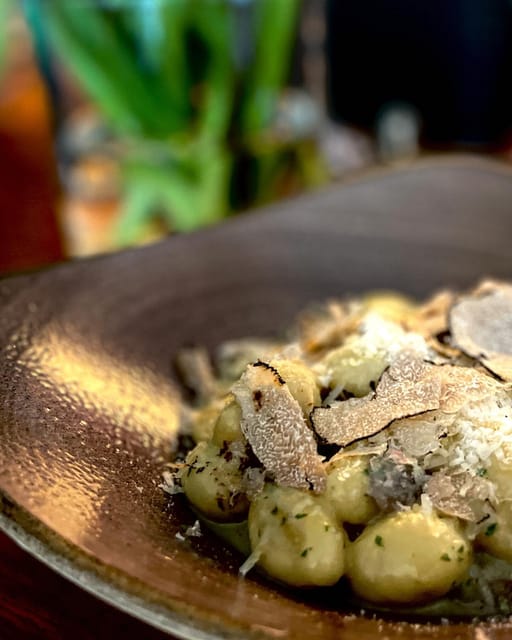
Monferrato is known for intensely flavorful truffles and for fruity wines. You might not be eating truffle in every single bite, but the concept is there: this is a place where aromas and earth flavors matter, and where wine styles often carry fruit-forward character. When the sommelier ties the wine style to the region, the tasting becomes easier to remember later.
If you are the type who learns best by connecting taste to place, Monferrato is a great anchor. You get to compare what a region tends to emphasize, then relate that to the wine in front of you. Even if the German explanation goes faster than you can follow word-for-word, the structure helps: you’re not wandering. You’re tasting through a planned set of wines, and the region theme keeps the evening from feeling random.
One small consideration: if you are allergic to certain foods or have strong dietary limits, the pairing matters. The experience uses Italian delicacies designed to match the wines. Since the event is not suitable for gluten intolerance and not for vegans, anyone with those specific needs should treat it as a hard no. For other intolerances, it is still best to request accommodations early.
Overall, the Monferrato portion is a nice entry point for people who want “real Italy” without needing to book a multi-day vineyard trip. In two hours, you get a regional lens, a sense of the winemaking focus, and a tasting path that makes sense.
Tuscany in Two Acts: Monterò, Maremma, and Biodynamic Style
The other major theme is Tuscany, specifically the Maremma region. Here, the wines come from Monterò, a winery where biodynamic and sustainable practices are described as more than methods. The key idea is that they are treated as a philosophy and a way of life.
That matters because biodynamic and sustainability language can sound abstract until it is connected to what you taste. The sommelier’s role is to make that connection feel practical. Instead of leaving you with labels, the guidance aims to explain how the approach influences the wines’ character.
Maremma itself is a useful concept. It helps you understand why some Tuscan wines feel different from others. You are not just hearing “Italian wine,” you are hearing “Tuscany, but in a specific corner.” That specificity is exactly what keeps this from being a generic tasting.
In the described experience, Francesco explained cultivation, the winemakers, and ripening. Even if you do not catch every term in German, those topics translate easily. You can notice ripening choices in the glass: fruit intensity, texture, balance, and how the wine feels on your tongue. You can also notice how cultivation focus might show up as clarity or tension in the flavors.
My advice: ask one direct question during the tasting if you get the chance. Something like, what should I notice in this wine compared to the last one? The format is built for that. You’ll get better results by engaging than by trying to memorize everything.
A few more Regensburg walks and trips to compare
- Berlin: Rooftop Breakfast at Käfer Restaurant Reichstag
★ 4.6 · 1,828 reviews - Hard Rock Cafe Berlin with Set Menu for Lunch or Dinner
★ 4.4 · 1,408 reviews - Rooftop Aperitif at Reichstag Käfer Restaurant
★ 4.6 · 1,370 reviews - Munich: Beer and Food Tour with Dinner & Oktoberfest Museum
★ 4.7 · 1,086 reviews
The Tasting Flow: Pace, Group Energy, and Learning Outcomes
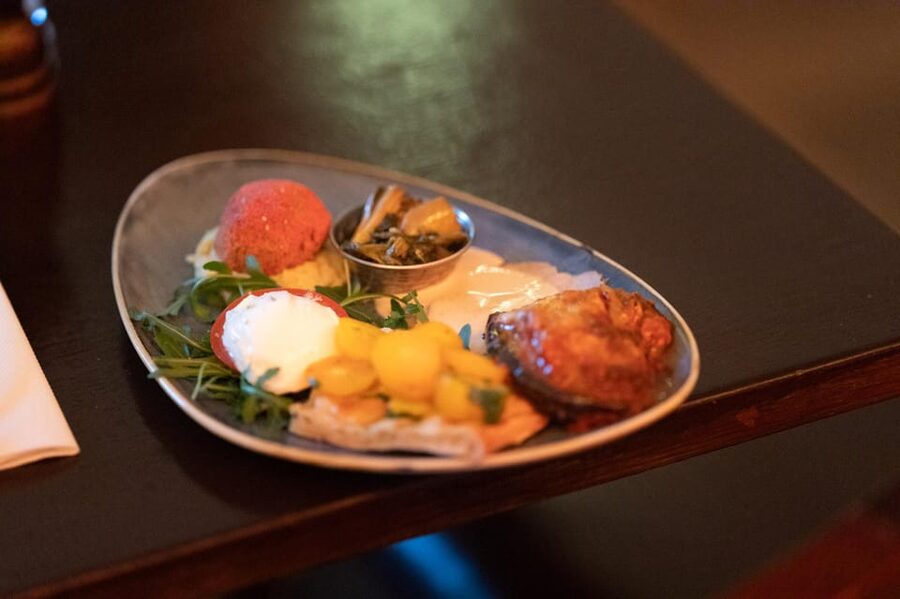
At two hours, the timing is tight in the best way. You typically move from one wine to the next while the pairing arrives, and the sommelier keeps the story moving. That means you spend your energy tasting and listening, not waiting.
The group dynamic is part of the design. You are guided, but not trapped in a lecture. One described evening mentioned a familiar, friendly flair right from the start. That kind of tone makes it easier to ask questions, compare impressions with the table, and enjoy the food.
Here’s what you should expect to learn, and why it matters:
- Wine regions are not just trivia. They help you predict style.
- Winery stories make the tasting more memorable.
- Understanding ripening and cultivation helps you read what you taste.
That last point is the payoff. If you can link even one concept to one sip, your next wine order in a restaurant gets easier. You stop guessing. You start deciding.
The sommelier’s presentation is in German, which is an important note. The dinner is open to all, so there is room for non-German speakers, but do not expect a fully English explanation. If German is your weak spot, you can still follow by leaning into the sensory side: smell first, then sip, then compare to the food pairing.
Also, the event explicitly does not serve wines to people under 18. If you are traveling with family, double-check who in your party qualifies. The experience is also not positioned for vegans and gluten intolerance, so dietary planning is essential.
Price and Value: Is $147 Fair for Two Hours?
At $147 per person for about two hours, you should think of this as a guided, paired wine dinner rather than a casual tasting. The price includes five tastings, Italian delicacies designed to complement those wines, and a wine expert’s guidance.
To judge value, break it into parts:
- Five tastings means you are not paying just for one glass. You are paying for variety and education.
- The food pairings are not random. They are part of the planned tasting flow.
- The guide’s role is to translate region and winemaking into something you can taste and remember.
In other words, you are paying for a curated sequence of learning, not just alcohol and snacks. If you’ve ever done a standalone tasting where you felt lost halfway through, this structure is the difference. The night is designed so you can keep track of what you’re learning, even if your language skills are limited.
One more value angle: because the event is centered around two wineries, you get depth. Instead of five unrelated wines, you get two regional “chapters.” That makes the evening feel coherent, and it helps your brain file the experience away later as something specific.
Who Should Book This Wine Dinner in Regensburg
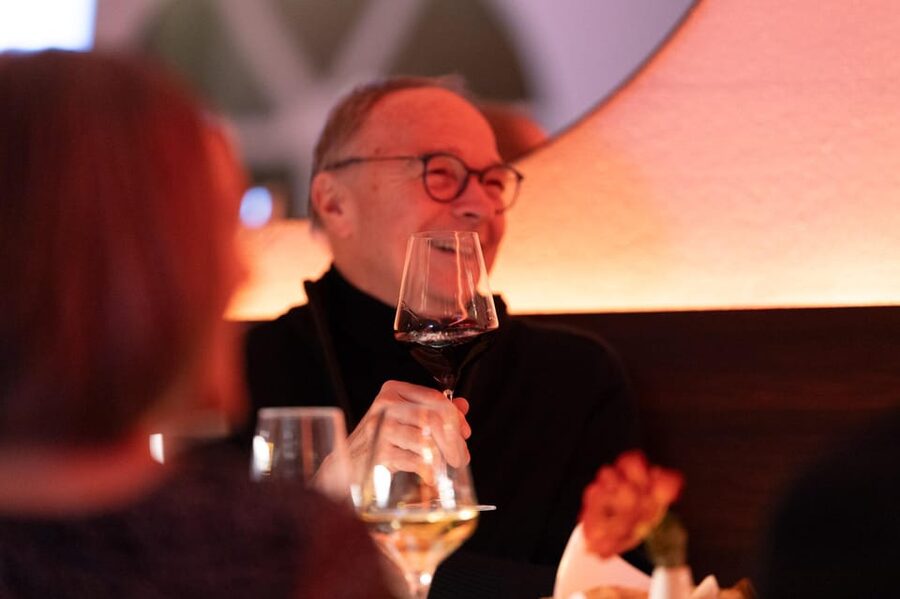
This is a strong fit if you want:
- an Italian-flavored evening while you’re in Bavaria
- a guided tasting that explains regions and winemaking
- a sit-down format that gives you enough food to feel satisfied
It is especially good for couples, solo travelers who like structured learning, and small groups who want an easy night out without planning a restaurant route.
It is not a good fit if:
- you are vegan
- you have gluten intolerance
- you need a fully English presentation
If you are a wine newcomer, you’ll still get a lot out of the pairing-driven format. If you’re more experienced, you may enjoy hearing cultivation and ripening discussed in plain, practical terms.
Should You Book This Italian Wine Dinner at Caffè Rinaldi?
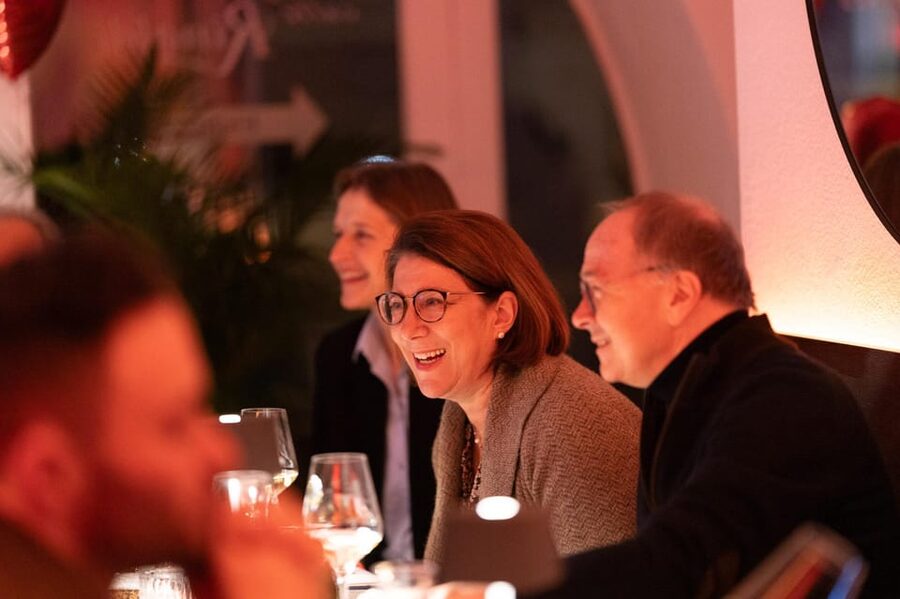
If your goal is a fun, guided taste of Italian wine culture in Regensburg, I’d say it’s worth booking. The biggest reason is the pairing logic: 5 wines matched to Italian bites keeps the evening from feeling like drinking for drinking’s sake. Add the regional storytelling from Michele on the food side and the expert’s guidance from the wine side, and you get an experience that feels like you learned something without turning it into homework.
Book it if you can handle German for the explanation, and if your dietary needs fit the event limits. Skip it if vegan eating or gluten-free requirements are non-negotiable.
When you go, do one simple thing: go curious. Ask what to look for in the next pour, take notes on what you taste (even in your phone), and let the food help you understand the wine. That is how a two-hour wine dinner becomes a night you remember.
FAQ
How long is the Italian wine dinner in Regensburg?
The experience lasts about 2 hours.
What does the $147 per person price include?
It includes 5 wine tastings, Italian delicacies to complement the wines, and guidance from a wine expert.
Where does the experience start?
Meet at Caffè Rinaldi in Regensburg.
What language is used during the wine presentation?
The presentation of the wines by the sommelier is in German. The dinner itself is open to all.
Is transportation included?
No, transportation to the venue is not included.
Is the experience suitable for vegans or gluten intolerance?
No. It is not suitable for vegans, and it is not suitable for people with gluten intolerance.
Are wines served to minors?
No. Wine service is not provided to anyone under 18 years old.
Is it wheelchair accessible, and are pets allowed?
Yes, it is wheelchair accessible. Pets are not allowed.
What are the cancellation and payment options?
You can cancel up to 24 hours in advance for a full refund. You can also reserve now and pay later.
Newest Regensburg reviews on the site
- Regensburg: walking tour with italian wines and food tasting★ 4.7 · 4 reviews
- Regensburg: Private Walking Tour With Professional Guide★ 4.2 · 16 reviews
- Regensburg: Half-day trip to the Danube Gorge in Weltenburg★ 4.9 · 11 reviews
- Regensburg: Express Walk with a Local in 60 minutes★ 5.0 · 12 reviews
- Regensburg: City Highlights Historical Boat Tour★ 4.0 · 259 reviews
- Regensburg: Original Strudelrundfahrt★ 4.4 · 173 reviews
- Regensburg: Sightseeing Boat Tour to Walhalla★ 4.5 · 657 reviews
- Regensburg: Klinger’s Sightseeing Boat Tour to Walhalla★ 4.6 · 735 reviews
Wine Tours, compared.


Advent Tour with Stollen Tasting and Mulled Wine
Read our review →Browse the lists this tour appears in