
Reviewed · HAMBURG TOURS
Hamburg: Speicherstadt – Stories from the heart of the trading empire
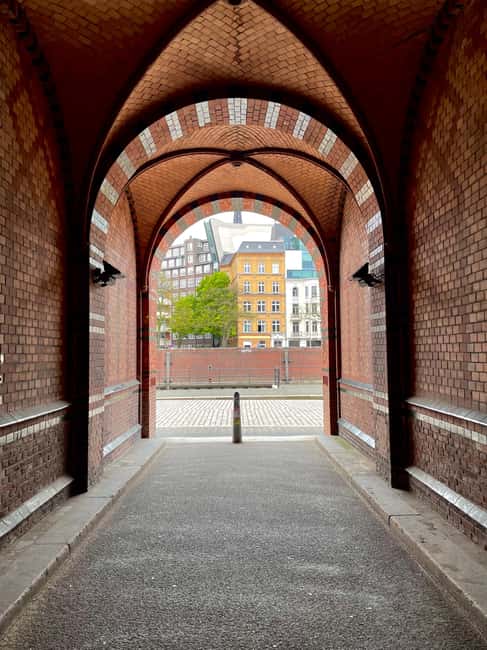
A trading empire lives in the brick and water. I love how this 2 hour walk turns UNESCO Speicherstadt into a story you can actually picture, with canal views and photo stops you can use right away. The Wasserschloss and the historic harbor at Sandtorkai are my two favorite moments, because they look great and they also make sense once someone explains why they matter. One drawback to consider: this tour involves walking on footpaths and is not suitable for wheelchair users or people with walking difficulties.
You’ll start at Baumwall subway station and move through the neo-Gothic brick warehouse district at a human pace. I also really like the way the guide, Elena Sandik, shares facts with heart, so the history lands, not just lists. The trade secrets, the wartime shadows, and even the everyday Low German terms and proverb origins stick in your head after the tour. The main thing to watch is weather and comfort, because you will be outside for the full walk and you want shoes that handle damp cobbles and bridges.
In This Review
- Key moments worth aiming for
- Speicherstadt in two hours, and why it feels personal
- Starting at Baumwall: get your bearings fast
- Neo-Gothic brick buildings, and the tree-pile reason behind the looks
- Wasserschloss: the photo stop that actually has meaning
- Sandtorkai harbor: where the trading empire feels real
- Elbphilharmonie check: old warehouses meet modern Hamburg
- Low German, proverbs, and the everyday language of the alleys
- Spice trade glory to WWII darkness, then the present day
- Die Seute Deern: a maritime moment you might catch
- Weather and packing for a rain-or-shine 2-hour walk
- Price and value: what 25 euros buys you
- Best for who: history lovers, architecture fans, and families with a plan
- After the tour: museums and coffee in the Speicherstadt
- Should you book this Speicherstadt walk?
Key moments worth aiming for
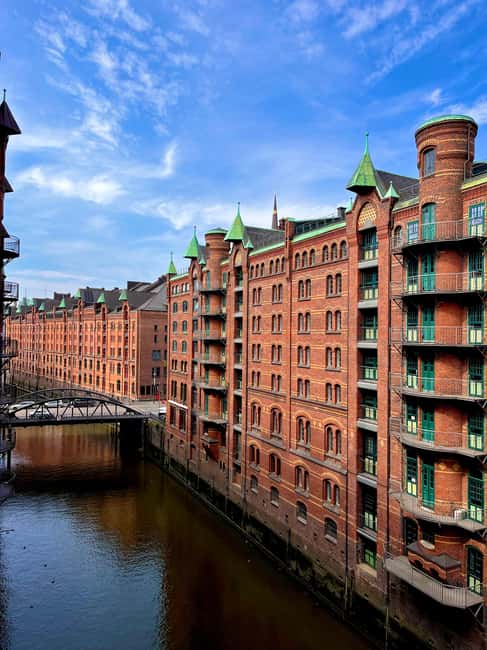
- Wasserschloss: the top photo motif in the warehouse district, especially when canals frame it
- Sandtorkai harbor: a historic harbor scene that connects directly to Hamburg’s trading past
- Elbphilharmonie views: a quick, modern skyline check that helps you place the old and new together
- Low German street talk: terms you can hear in your head long after the walk
- Stories from spice trade to WWII: the emotional arc goes beyond architecture
- Die Seute Deern, if you get lucky: a chance at a classic sight tied to Hamburg’s maritime mood
Speicherstadt in two hours, and why it feels personal
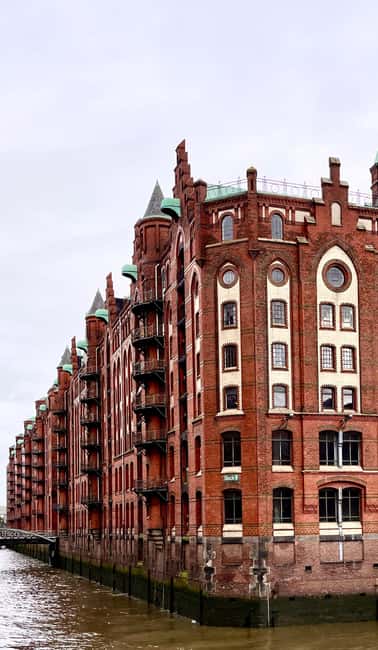
The Speicherstadt is one of those places where you can stand in front of the buildings and still feel like you’re missing the point. That’s why I like this kind of small-group walking tour. With a maximum group size of 10, you can ask questions and actually get answers, rather than waving your phone at everything and hoping it turns into understanding later.
The setting helps. You’re in Northern Germany, surrounded by canal waterways and canals that cut between brick structures. The district looks picture-perfect, but it’s not just scenery. It was built for trade, for storage, and for the logistics of a city that used ships to make money. On this tour, you get the why, not only the what.
You also get a guide who works the details. Elena Sandik’s approach is enthusiastic and story-led, which is exactly what you need here. You’ll hear about the brave visionaries who created the architectural marvel, why the warehouses stand on tree piles, and who the so-called neighborhood people were. It’s the kind of context that makes the whole place feel lived-in instead of museum-like.
A few more Hamburg walks and trips to compare
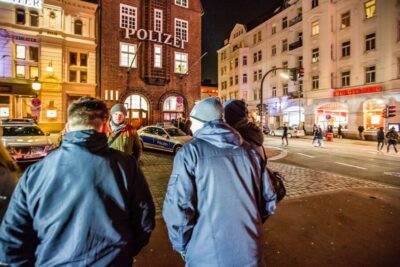
- Hamburg: Sex and Crime in St. Pauli Tour for Ages 18 +
★ 4.7 · 17,793 reviews - Hamburg: 1.5-Hour Harbor and Speicherstadt Day Cruise
★ 4.6 · 14,200 reviews - Hamburg: 90-Minute Evening Lights Harbor Cruise
★ 4.5 · 7,728 reviews
Starting at Baumwall: get your bearings fast
Your meeting point is Baumwall subway station, next to the kiosk. That’s a smart start. It’s not tucked away in some remote corner, so you can arrive, regroup, and be ready to walk without drama.
The timing is also realistic for a first taste. The tour lasts 2 intense hours packed with stories. That means you don’t get stuck on one stop for ages, and you still cover the main areas that give Speicherstadt its identity. If you’re in Hamburg for a tight schedule, this is one of the more efficient ways to orient yourself.
Because the group stays small, you will likely get more conversation than you would on a big bus tour. You’ll get prompts to look closely, and you’ll have time to ask about what you’re seeing: brickwork, water access, and the overall layout of the district. Even though the live tour guide speaks German, the experience is designed so you can follow the flow, and some content is shown in its original language. If you read a little German, you’ll enjoy that extra layer.
Neo-Gothic brick buildings, and the tree-pile reason behind the looks
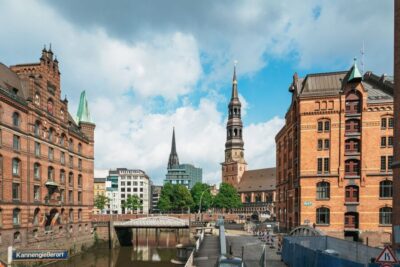
You can spot the Speicherstadt instantly: neo-Gothic brick architecture, canals, and warehouse facades that feel almost dramatic. But the key question is: why build like this, and why here?
On the walk, you’ll learn why the warehouses are on tree piles. It’s one of those practical engineering choices that explains the look. In a watery, soft-ground environment, you need a base that can handle shifting conditions over time. Once you know that, the piles stop being a curiosity and start feeling like part of the logic of the place.
You’ll also hear about the brave visionaries behind the district. That matters because Speicherstadt was not just built by accident or impulse. It was planned. The guide connects the architecture to the ambitions of a trading empire, and that changes how you perceive the streets and waterways. Instead of thinking, pretty old buildings, you start thinking, logistics, storage, shipping, and money.
And yes, the facades are imposing. That’s exactly what the tour uses. You’ll be encouraged to look at the imposing frontages and then connect them to the human stories behind them, including the neighborhood people who lived and worked around the warehouses.
Wasserschloss: the photo stop that actually has meaning
If you only care about one image, make it Wasserschloss. It’s by far the most popular photo motif in the warehouse district, and it’s easy to see why: the canal setting and the building position give you a natural frame.
But the better reason to aim for it is the connection to the district’s function. On this tour, the guide doesn’t treat it like a postcard. You’ll understand why this kind of waterfront architecture belongs in a trading area. Storage, access to waterways, and the daily rhythm of ships and deliveries all tie back to locations like Wasserschloss.
When you arrive at the spot, slow down for a few minutes. Don’t just point and shoot. Look for how the water lines up with the building, then step to a different angle if you can. With the canal in view, you get that classic Speicherstadt look that works in daylight and in softer, rainy light too.
Practical note: if it’s wet, the ground near canal areas can be slick. Comfortable shoes matter, and rain gear is worth it even if the sky looks okay at the start.
Same city, a different way to spend the afternoon:
- Hamburg: 2-Hour XXL Port of Hamburg Cruise Tour
★ 4.7 · 6,979 reviews - Hamburg: Line A Sightseeing Hop-On Hop-Off Bus Tour
★ 4.6 · 6,958 reviews - Hamburg: Elbphilharmonie Plaza Guided Tour
★ 4.7 · 5,882 reviews - Hamburg: Hamburg Dungeon Admission Ticket
★ 4.7 · 5,745 reviews
Sandtorkai harbor: where the trading empire feels real
Next comes historic harbor on Sandtorkai, and this is where the story shifts from architecture to the city’s maritime engine. If Wasserschloss gives you the signature image, Sandtorkai gives you the sense of place.
This stop is valuable because it anchors everything you learned earlier. Speicherstadt wasn’t built to sit there and look pretty. It was built to work, and harbor access was central to moving goods efficiently. Once you understand that, the warehouse district feels less like a frozen past and more like an operational system.
You’ll likely spend time looking at the harbor setting from the right viewpoints, and the guide helps you connect details to the trading years that made Hamburg powerful. The tour also carries the emotional arc forward, from the golden years of the spice trade into the dark hours of World War II and then into the present day.
That progression is why Sandtorkai hits. It’s not just a view. It’s a reminder that trade shaped lives, and history shaped the city’s buildings and communities.
Elbphilharmonie check: old warehouses meet modern Hamburg
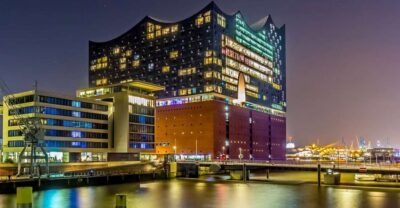
At some point during the walk, you’ll have the chance to check out the Elbphilharmonie. I like these moments because they stop the day from feeling like a single-theme time capsule.
Elbphilharmonie is a modern landmark, and seeing it from near the warehouse district helps you understand how Hamburg has evolved. You can appreciate the old brick and water system while also realizing you’re standing in a working, changing city, not a staged set.
This kind of contrast is also practical. If you’re planning other parts of your trip, it helps you place where things are relative to each other. A quick view can guide your later decisions about neighborhoods, transit, and which sights you can cluster in one day.
Low German, proverbs, and the everyday language of the alleys
One of the most interesting parts of this tour is the language angle. The guide teaches Low German terms that have echoed through these alleys for generations. That’s not just trivia. Language is how communities carry identity, especially in places shaped by work and migration.
You’ll also learn the origins of proverbs you use every day. That turns a common saying into something you can place in time and culture. It also makes your walk feel more connected to people, not just buildings.
If you like cultural history, this is a strong payoff. You’ll walk through a UNESCO site and come away with a small toolkit of words and phrases that give you a sharper sense of local life. Even if you don’t speak Low German fluently, recognizing a few terms can make the whole area feel less foreign.
Spice trade glory to WWII darkness, then the present day
The Speicherstadt story has contrast built into it. The tour follows that arc, from the golden years of the spice trade to the dark hours of World War II, and then into today.
This matters because architecture can sometimes feel detached. Brick buildings can look timeless, but they are tied to real economic power and real human impact. When the guide connects the warehouse district to those turning points, the facades stop being just impressive surfaces. They become evidence of what Hamburg built, what it suffered, and how it moved forward.
It’s also why the tour is called Stories from the heart of the trading empire. You’re not only learning what the buildings are. You’re learning why the trade mattered, how it shaped daily life, and how the district’s role changed as history changed.
If you prefer tours that feel respectful and not overly dramatic, you’ll likely enjoy this approach. It aims for meaning, not shock.
Die Seute Deern: a maritime moment you might catch
With a bit of luck, you’ll see Die Seute Deern. This is one of those “bonus” highlights that adds energy to a walking tour.
I like these chances because they keep the district tied to its living maritime identity. Speicherstadt is about ships and movement, not only storage. When a classic maritime sight appears, it reminds you that the story is still connected to water, labor, and ports.
Don’t build your whole day around it, though. Treat it as a nice extra if it happens while you’re out. The main value is still the architecture plus the trade-and-history storytelling.
Weather and packing for a rain-or-shine 2-hour walk
Hamburg has a slogan for a reason: no bad weather, just the wrong clothes. This tour runs rain or shine, so you should plan like the sky might change its mind.
Bring:
- Comfortable shoes (really, you’ll want grip)
- Umbrella
- Water
- Rain gear
- Comfortable clothes in weather-appropriate layers
This tour is only 2 hours, so you don’t need to pack for an all-day hike. Still, wet streets and damp air can wear you down faster than you expect. A small bag with rain protection can make the difference between a fun walk and a rushed shuffle.
If you’re sensitive to cold, layer up. If you’re sensitive to heat, bring breathable clothes and keep water handy.
Price and value: what 25 euros buys you
The price is 25 euros per person, which comes out around $29 depending on exchange rates. For 2 hours with a certified city guide and a small group limited to 10, I think this is good value if you care about meaning over just photos.
Here’s why it feels worth it:
- You get a guide who connects architecture, trade, and major historical periods in one coherent walk
- You have enough time to ask questions because the group is small
- You get built-in photo hotspots like Wasserschloss and the harbor views, so you’re not wandering blindly
- There’s a little surprise included, which adds a small extra touch without inflating the cost
Entrance fees are not included, so you’re mostly paying for interpretation and access to the guide’s storytelling skills. Food and drinks are not included either, which is fine for a short tour. Afterward, you can decide what fits your budget and appetite.
If you’re the type who enjoys a short, focused guided introduction, this price makes sense. If you want a long museum day, you’d probably need a separate plan.
Best for who: history lovers, architecture fans, and families with a plan
This is a strong fit for:
- History buffs who want the major eras explained through place
- Architecture fans who like neo-Gothic brick and the practical engineering behind it
- Photographers who want specific canal-and-bridge photo motifs
- Hamburg tourists who want maritime flair without getting lost
Families with children also have a clear option after. Once you finish the walk, you can visit Miniatur Wunderland on your own. That’s a useful pairing because it gives kids something to do after they’ve learned how the district works.
If you have mobility constraints, this may not be the right choice. The tour is not suitable for wheelchair users or people with walking difficulties, so you should plan accordingly.
Language is German, so if you only speak English, you might still enjoy the pictures and the overall flow, but your understanding will depend on how comfortable you feel with German and original-language bits.
After the tour: museums and coffee in the Speicherstadt
When you finish, you’re in a great spot to keep exploring independently. The tour naturally sets you up to visit museums on your own or to grab a cup of coffee in one of the roasteries in the Speicherstadt.
This is a smart strategy: use the guide for the hard part, the context, then let you time wander at your pace. If you want more history, museums are the obvious next step. If you want a reset after all that brick and water viewing, coffee in the district lets you slow down and process what you learned.
If you’re hungry, plan for something nearby rather than rushing far away. The value of a tour like this is that it compresses the meaning of the place into a short walk, then gives you freedom afterward.
Should you book this Speicherstadt walk?
If you want a compact, story-first introduction to Hamburg’s Speicherstadt, I’d book it. This is the right choice when you care about why the warehouses exist, how trade shaped the city, and what major historical moments changed in this place.
Book it especially if:
- You like guided walking experiences with time for questions
- You want the signature photos at Wasserschloss and the harbor scene at Sandtorkai
- You enjoy historical storytelling that goes beyond dates into everyday language like Low German terms and proverb origins
Skip or reconsider if:
- Walking is hard for you, since it is not suitable for wheelchair users or people with walking difficulties
- You only want an unstructured photo walk with no history, because you’ll get more value from the guide’s explanation than from the views alone
In the end, I like tours that help you look smarter the moment you leave. This one does that, with canals, brick, and a trading empire you can finally picture.
Newest Hamburg reviews on the site
- Hamburg: Interactive Crime Theater Tour in German★ 4.7 · 319 reviews
- Harbor Tour with Live moderation in German★ 3.8 · 4 reviews
- Hamburg: Walking Tour for School Groups★ 4.8 · 10 reviews
- Hamburg: Westfield, Speicherstadt & Elbphilharmonie Tour★ 4.5 · 86 reviews
- Hamburg: Twilight cruise★ 3.7 · 15 reviews
- Hamburg: St. Pauli District and Beer Tour★ 4.7 · 84 reviews
- Hamburg: Tour of Blankenese on the Banks of the Elbe★ 4.5 · 14 reviews
- Hamburg Traditional Food Tour: Full Meal and Drinks★ 5.0 · 3 reviews
Hamburg Tours, compared.
Sex and Crime in St. Pauli Tour for Ages 18 +
Read our review →
1.5-Hour Harbor and Speicherstadt Day Cruise
Read our review →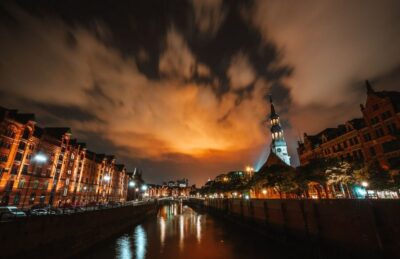


Reeperbahn Lust & Laster Tour for Adults Only
Read our review →Browse the lists this tour appears in