
Reviewed · CITY TOURS
Hamburg: Private Tour Down Town around City Hall
Hamburg downtown moves fast, in a good way. You get a tight walk through the Hanseatic heart of the city, with major landmarks like the Hamburg Rathaus and the churches that anchor old-town Hamburg.
I especially love how the tour makes the city feel real, not museum-quiet. In groups led by guides like Birgit, Jörn Löding, and Frau Stange, the story stays clear and even funny, so the stones and façades feel connected to what Hamburg went through.
The one drawback to plan for is pacing: in just 2 hours, you cover a lot of ground and you will get shorter photo stops, not long wandering time.
In This Review
- Key things that make this tour worth your time
- Hamburg downtown tells the Hanseatic story fast
- Starting near Hamburg Central Station and strolling Mönckebergstraße, aka the local “Mö”
- St. James’ Church, St. Peter’s Church, and St. Nicholas’ Church as story anchors
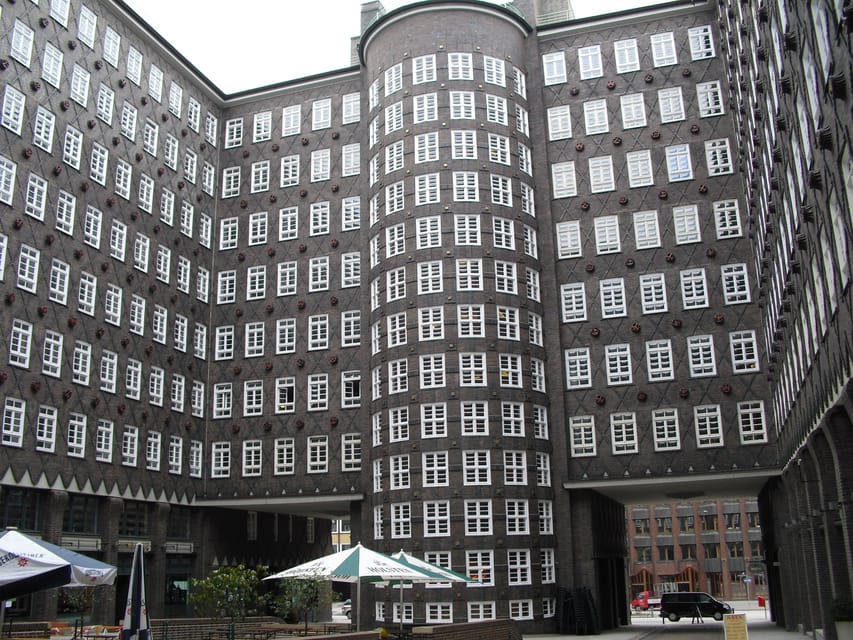
- Sprinkenhof, Kontorhausviertel, and Reichenstraßen, where commerce became architecture
- Chilehaus, the Africa House detour, and why these stops change your viewpoint
- Trostbrücke and the emotional side of downtown rebuilding
- Under Hamburg, the bunker network and the pneumatic post surprises
- Town Hall and Chamber of Commerce, plus the 1189 harbor foundation idea
- How good is the value at $294 per group up to 15?
- Who this Hamburg downtown tour is best for
- Should you book this private downtown tour of Hamburg?
- FAQ
- How long is the private downtown Hamburg tour?
- How much does the tour cost?
- Is this tour private?
- What languages are available for the live guide?
- Where does the tour generally start?
- What main places are included in the route?
- Which big sights are part of the highlights?
- Does the tour include underground or surprising historical topics?
- Can I cancel for a refund?
- Is there a reserve now, pay later option?
Key things that make this tour worth your time
- Hamburg Rathaus and the old civic core: You learn why power and trade sat right here.
- St. Nicholas’ Church and other historic churches: Great landmarks, used as story anchors.
- Chilehaus and Kontorhausviertel office architecture: It is not just pretty, it explains the city’s shift.
- Mönckebergstraße and the local nickname “Mö”: A shopping street you understand, not just pass through.
- Bunkers and Hamburg’s pneumatic post: The underground surprises are genuinely memorable.
- Africa House and Trostbrücke mood changes: Different sides of Hamburg, close together.
Hamburg downtown tells the Hanseatic story fast
Hamburg is one of those cities where trade, shipping, and rebuilding shaped the streets you walk today. This tour is built for that kind of understanding, in a compact 2-hour format. You focus on the downtown area where the Hanseatic city’s big decisions still show in stone and brick.
You also get something many fast city tours miss: context. Instead of just naming sights, you learn what Hamburg was becoming over time, and why the city’s look changed so quickly.
And since it is a private group experience, your guide can keep adjusting the pace to your questions. If you like history but also want practical takeaways for your own time in Hamburg, this works well.
A few more Hamburg walks and trips to compare
- Hamburg: Sex and Crime in St. Pauli Tour for Ages 18 +
★ 4.7 · 17,793 reviews - Hamburg: 1.5-Hour Harbor and Speicherstadt Day Cruise
★ 4.6 · 14,200 reviews - Hamburg: 90-Minute Evening Lights Harbor Cruise
★ 4.5 · 7,728 reviews
Starting near Hamburg Central Station and strolling Mönckebergstraße, aka the local “Mö”
You begin in the downtown orbit, with the tour route kicking off around Hamburg Central Station and moving into the shopping-and-streets area. From there, Mönckebergstraße is one of your first “feel the city” moments. It is a long promenade style street, and locals call it “Mö,” which your guide uses to keep the story grounded in everyday life.
This matters because it helps you read the city. Once you understand that this area became a commercial backbone, you start noticing how trade and movement shaped what you are seeing. Even if you are not shopping, this is a good place to orient yourself.
Practical tip: if you want photos, bring your camera up before the group stops. In a short tour, the best angles often happen in that moment, not five minutes later.
St. James’ Church, St. Peter’s Church, and St. Nicholas’ Church as story anchors
Hamburg’s churches do more than look impressive. Your guide uses them as waypoints for major shifts in the city’s identity, including what people built, what they rebuilt, and what that says about Hamburg’s priorities.
St. James’ Church is part of the early downtown walk. Then you later see St. Peter’s Church, and St. Nicholas’ Church. Each stop connects the architecture to the city’s role as a trading hub, where wealth and population concentrated.
What I like here is that you are not doing a “church list.” The guide ties landmarks to events, including the Great Fire of 1842, which raged for four days and destroyed large parts of the old town. When you hear how and why the city rebuilt, the churches stop being just pretty buildings and become evidence of Hamburg’s comeback.
If you are the type who likes your history specific, this section delivers. You get names, locations, and event context while still walking at a comfortable, human pace.
Sprinkenhof, Kontorhausviertel, and Reichenstraßen, where commerce became architecture
The tour includes the downtown office-and-commerce fabric: Sprinkenhof, Kontorhausviertel, and Reichenstraßen. These are areas you can walk through on your own, but the value here is that you learn how Hamburg’s growth changed the city’s look.
You see the logic behind the transition from older narrow streets and half-timbered housing patterns toward a more modern commercial city within a short time. That theme keeps coming back, because downtown Hamburg is essentially a record of how quickly business, planning, and building can reshape a place.
And then comes one of the highlights: the Chilehaus.
Same city, a different way to spend the afternoon:
- Hamburg: 2-Hour XXL Port of Hamburg Cruise Tour
★ 4.7 · 6,979 reviews - Hamburg: Line A Sightseeing Hop-On Hop-Off Bus Tour
★ 4.6 · 6,958 reviews - Hamburg: Elbphilharmonie Plaza Guided Tour
★ 4.7 · 5,882 reviews - Hamburg: Hamburg Dungeon Admission Ticket
★ 4.7 · 5,745 reviews
Chilehaus, the Africa House detour, and why these stops change your viewpoint
Chilehaus is famous for its imposing appearance, and in a short tour that is a gift. Your guide frames it so it feels like more than a photo stop. You get to connect its dramatic design to Hamburg’s commercial era, and you understand why this kind of building mattered in a port city competing for attention.
After that, you move into the Africa House area. The story works as a mood shift. Instead of only focusing on war, fire, or trade math, this stop nudges you toward curiosity and global connections. It also gives you a change of scenery within the same compact route, which keeps the tour from feeling repetitive.
If you like architecture and you like culture, this pairing works. Chilehaus gives you structure and ambition. Africa House adds perspective.
Photo note: Chilehaus tends to reward timing and angle. If your group pauses, step slightly to the side rather than trying to line up head-on with everyone else.
Trostbrücke and the emotional side of downtown rebuilding
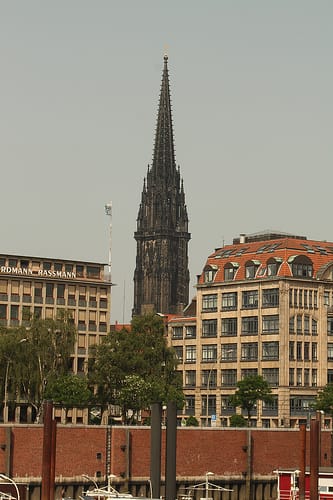
Trostbrücke is one of those names that sounds like a story before you even reach it. Your guide uses it to talk about memory and the human side of rebuilding in a city that has faced major destruction.
The Big Picture stays clear. You also hear the Great Fire of 1842 story elsewhere in the walk, but Trostbrücke brings an emotional tone to it. It is not just what happened, it is what that kind of event leaves behind in the way people move through the city.
This stop is a good reminder that Hamburg is not only about cranes and cargo. It is also about people rebuilding, and the physical city carrying that history forward.
Under Hamburg, the bunker network and the pneumatic post surprises
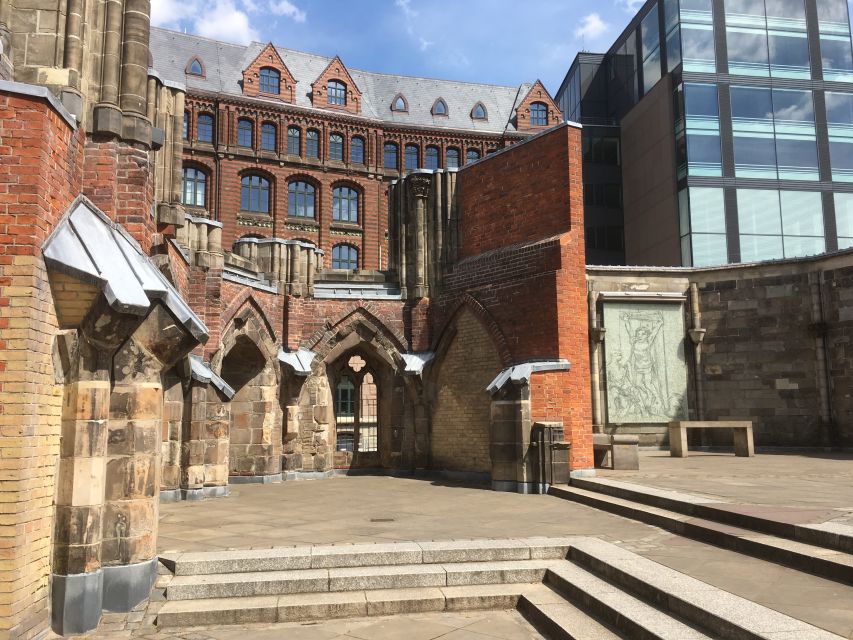
One reason this tour earns such strong scores is that it goes underground, at least as a concept and in the story. You learn about the largest German underground bunker system, with over 700 bunkers. Even if you do not physically go into bunker spaces, the scale and purpose can make you see the city differently when you are back above ground.
Then there is Hamburg’s first pneumatic post, introduced on 24 October 1864. That detail is so specific it makes the whole thing click. It is a reminder that big cities have always experimented with faster communication, especially when trade demanded it.
For me, this is where the tour feels most “Hamburg.” Bunkers speak to the twentieth century. The pneumatic post speaks to industrial-era innovation. Put together, you get a city that constantly adapted, sometimes in ways that sound surprising until you connect them to the practical needs of a port capital.
Town Hall and Chamber of Commerce, plus the 1189 harbor foundation idea
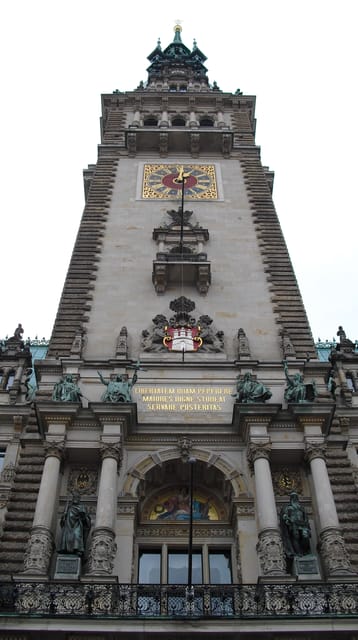
Your walk ends in the civic center zone, with stops tied to Hamburg’s governance and trade identity, including the Chamber of Commerce and the Hamburg Rathaus. This is the part of the tour that helps you connect downtown Hamburg to the Hanseatic mindset.
Your guide also ties the city’s story to early trade infrastructure, including the first harbor basin of the Hanseatic city, inaugurated in 1189. That date is a helpful anchor, because it puts modern Hamburg into a longer timeline. You start to see downtown not as a random collection of landmarks, but as a functional map built around commerce and decision-making.
If you are planning your own time after the tour, this section helps you choose where to linger. You now know what is central for a reason, not just because it looks important.
How good is the value at $294 per group up to 15?
This tour costs $294 per group for up to 15 people, lasting about 2 hours with a private guide. In pure per-person terms, the value depends on how full your group is.
- If you can fill closer to 15 people, you are effectively stretching the cost thin.
- If it is just a small group, you still get value through the private format, because you get a guide who can answer questions and pace the walk for your group size.
Where this pricing makes sense is simple: you are not paying for a slow bus trip or a long museum visit. You are paying for a professional guide to deliver a dense downtown storyline in a short, high-information walk. For families, friend groups, and couples who want context without spending half a day, that is a smart deal.
Also, the guide is available in English, Spanish, French, and German, so you are not forced into a one-language-only experience.
Who this Hamburg downtown tour is best for
This tour fits you best if you like history but you want it tied to what you are actually standing in front of. It also works well if you enjoy architecture and want a quick way to understand why buildings and streets look the way they do.
It is a solid match for:
- First-time visitors who want a structured intro to downtown Hamburg
- Anyone who likes stories beyond war and dates, including city rebuilding and communication tech
- Groups who want a private guide rather than a large walking crowd
If you prefer slow, open-ended wandering with minimal stops, you might find the time tight. But if you want a guided route with clear highlights, you should feel right at home.
Should you book this private downtown tour of Hamburg?
I would book it if you want a high-signal, 2-hour walk through downtown Hamburg with real explanations behind the big sights. The strongest part is how the guide keeps the city story tangible, with humor and factual detail that helps you remember what you saw, not just where you stood.
Skip it only if you hate structured pacing, because this route is built to cover many landmarks in a short window. Otherwise, it is a practical way to get your bearings fast and understand why Hamburg’s downtown looks the way it does today.
FAQ
How long is the private downtown Hamburg tour?
It lasts 2 hours.
How much does the tour cost?
The price is $294 per group, up to 15 people.
Is this tour private?
Yes, it is a private group tour.
What languages are available for the live guide?
The live guide is available in English, Spanish, French, and German.
Where does the tour generally start?
The meeting point may vary depending on the option booked, and it includes starting at StadtRAD in at least one option.
What main places are included in the route?
The route includes Hamburg Central Station, Mönckebergstraße, St. James’ Church, Sprinkenhof, Chilehaus, Reichenstraßen, Africa House, St. Nicholas’ Church, Trostbrücke, Chamber of Commerce, and Hamburg Rathaus.
Which big sights are part of the highlights?
You visit Hamburg Rathaus, St. Nicholas’ Church, Africa House, Mönckebergstraße, Chilehaus, and Trostbrücke.
Does the tour include underground or surprising historical topics?
Yes, you learn about the largest German underground bunker system, with over 700 bunkers, and Hamburg’s first pneumatic post, put into operation on 24 October 1864.
Can I cancel for a refund?
Yes, you can cancel up to 24 hours in advance for a full refund.
Is there a reserve now, pay later option?
Yes, you can reserve your spot and pay later.
Newest Hamburg reviews on the site
- Hamburg: Interactive Crime Theater Tour in German★ 4.7 · 319 reviews
- Harbor Tour with Live moderation in German★ 3.8 · 4 reviews
- Hamburg: Walking Tour for School Groups★ 4.8 · 10 reviews
- Hamburg: Westfield, Speicherstadt & Elbphilharmonie Tour★ 4.5 · 86 reviews
- Hamburg: Twilight cruise★ 3.7 · 15 reviews
- Hamburg: St. Pauli District and Beer Tour★ 4.7 · 84 reviews
- Hamburg Traditional Food Tour: Full Meal and Drinks★ 5.0 · 3 reviews
- Hamburg: Tour of Blankenese on the Banks of the Elbe★ 4.5 · 14 reviews
City Tours, compared.
1-Hour City Tour by Boat with Guaranteed Seating
Read our review →
City History Canal Sightseeing Tour on a Motorboat
Read our review →
Browse the lists this tour appears in