
Reviewed · HAMBURG TOURS
Die Kiez-Kapitän Hamburger Stadtführung & Speicherstadt Tour
Hamburg hits differently when someone tells the city like a local. This 2-hour Alster-to-Elbphilharmonie walk gives you a fast route through 1200 years of Hanseatic Hamburg and turns landmark photos into real stories. I love the way the guide links everyday streets to big events, and I also like the focus on photo-worthy waterfront architecture. A possible drawback: the tour is in German, so if you do not follow spoken German well, you may miss part of the humor and historical punch.
One more thing I appreciate is pacing. You are walking, but you are not sprinting, and the guide clearly enjoys answering questions, especially in smaller groups. If you are the type who likes city history without a textbook tone, this format usually lands well.
In This Review
- Key highlights worth planning for
- Why the Alster-to-Elbphilharmonie route feels like the real Hamburg
- Getting started at Jungfernstieg: the practical part
- Stop-by-stop: Alster to the civic heart
- Alster Lake
- Hamburg Town Hall and the nearby civic power
- Hamburg Chamber of Commerce
- Patriotic Society of 1765
- Trostbrücke and Laeiszhof
- The stories that make the streets memorable
- Hamburg’s 1842 fire and the rebuild mindset
- The 1962 Great Hamburg Flood
- A poodle on a roof
- Seafaring between Hans Albers and the port
- St. Nikolai Memorial to Deichstrasse: history you can stand in
- St. Nikolai Memorial
- Deichstrasse
- Speicherstadt: where brick warehouses become a story
- Brickstone Speicherstadt on the Elbe
- Hafencity and the Elbphilharmonie view you will actually use
- Hafencity
- Elbphilharmonie area and the plaza tip
- Price and value: what you get for about $18 per person
- Guide matters: why Jens Hartmann’s style shows up in the results
- Who should book, and who might want a different plan
- Should you book the Die Kiez-Kapitän Hamburger Stadtführung & Speicherstadt Tour?
Key highlights worth planning for
- Alster waterfront start right at Jungfernstieg, with easy access to public transport
- UNESCO Speicherstadt framed as a working trade story, not just brick buildings
- Standout stops with context, including St. Nikolai Memorial and Deichstrasse
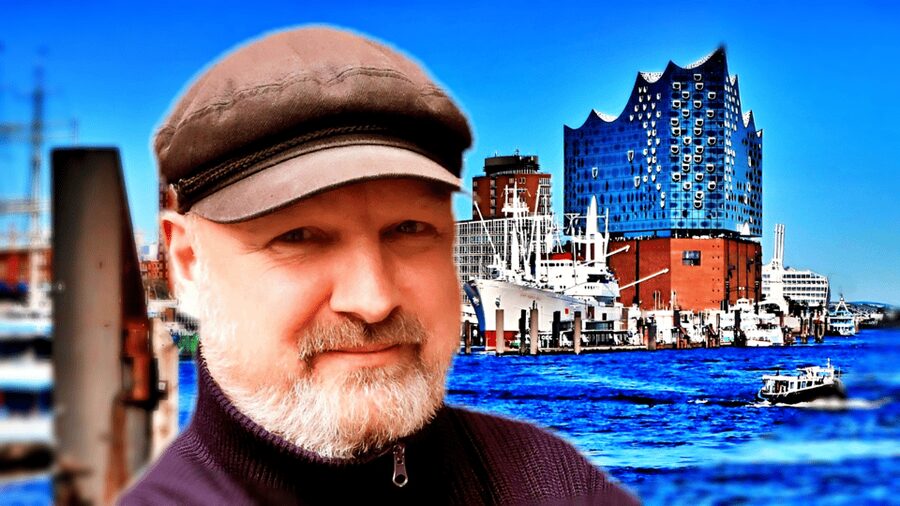
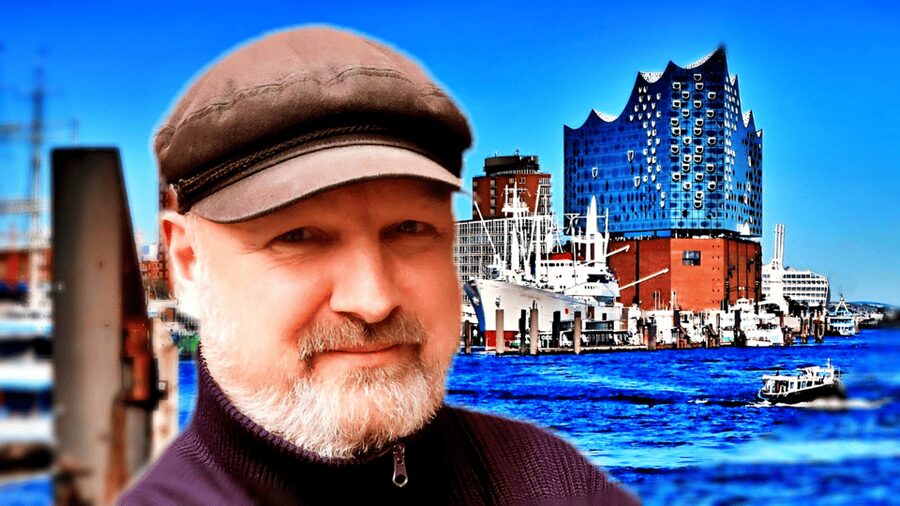
- Elbphilharmonie viewpoints focused on what you can see from the outside and nearby plaza
- Story themes that stick, like the 1842 fire, the 1962 flood, and seafaring legends
- Guide energy in the small-group sweet spot, with room for questions and follow-ups
Why the Alster-to-Elbphilharmonie route feels like the real Hamburg
Hamburg is not a one-sight city. It is a waterfront city, built on water power, ships, trade, and the kind of weather that tests everyone. This tour takes that whole idea and squeezes it into about two hours, moving between the Alster, the civic core, and then the port side toward the Speicherstadt and Hafencity.
What makes it satisfying is the shape of the walk. You start with the calm, city-life energy of the Alster Lake, then you pivot toward the trading world that grew along the Elbe. By the time you reach the Elbphilharmonie area, the modern “wow” makes sense because you already understand what came before.
And yes, you do get those classic Hamburg backdrops. But the bigger win is that the guide gives you a mental map. Afterward, when you see brick warehouses or waterfront courtyards on your own, you know what you are looking at and why it matters.
A few more Hamburg walks and trips to compare
- Hamburg: Sex and Crime in St. Pauli Tour for Ages 18 +
★ 4.7 · 17,793 reviews - Hamburg: 1.5-Hour Harbor and Speicherstadt Day Cruise
★ 4.6 · 14,200 reviews - Hamburg: 90-Minute Evening Lights Harbor Cruise
★ 4.5 · 7,728 reviews
Getting started at Jungfernstieg: the practical part
The meeting point is Jungfernstieg 58, 20354 Hamburg, right by the water at Anleger Nr. 1 for the Alster boats. That matters because it keeps the experience grounded in the city’s waterways from minute one.
This is also a transit-friendly spot. The area has S-/U-Bahn connections and bus lines, so you are not stuck with a complicated route just to begin a short tour. Still, plan a few extra minutes to find the correct pier area, especially if it is your first time using that waterfront layout.
Comfort tip: wear shoes you can walk in for an unhurried city stroll. The route covers multiple distinct areas (civic streets, memorial zones, and port neighborhoods), so even though it is only two hours, your legs will notice.
Stop-by-stop: Alster to the civic heart
The tour begins at the water and moves from the Alster into the civic center. You will get a guided walk that frames the city through the lens of the Hanseatic era, which is a fancy way of saying Hamburg’s wealth came from trade, shipping, and the networks that connected northern ports.
Alster Lake
The Alster is where the city’s “present-day Hamburg” vibe shows up early. Expect the guide to connect the lake’s role in daily life with the larger story of how Hamburg became important. Even if you think you already know Hamburg, this opening helps you reset your perspective.
Same city, a different way to spend the afternoon:
- Hamburg: 2-Hour XXL Port of Hamburg Cruise Tour
★ 4.7 · 6,979 reviews - Hamburg: Line A Sightseeing Hop-On Hop-Off Bus Tour
★ 4.6 · 6,958 reviews - Hamburg: Elbphilharmonie Plaza Guided Tour
★ 4.7 · 5,882 reviews - Hamburg: Hamburg Dungeon Admission Ticket
★ 4.7 · 5,745 reviews
Hamburg Town Hall and the nearby civic power
From the town hall area, the tour turns more formal and political. You will hear how city governance and trade interests marched together, shaping streets, institutions, and public spaces. For many people, this is the “I never knew that” part, because the city buildings feel obvious, but the why behind them is less familiar.
Hamburg Chamber of Commerce
Then you move into the trading mindset again at the Chamber of Commerce. This stop is useful because it links the old Hanseatic trading world with the later era of ports and industry, so the transition toward the Speicherstadt does not feel random.
Patriotic Society of 1765
The Patriotic Society of 1765 adds another layer. This is where you start to feel the city as a place with civic identity, not only as a port. If you like learning what local groups cared about and how they organized, this stop tends to land well.
Trostbrücke and Laeiszhof
Two smaller bridge and courtyard moments, Trostbrücke and Laeiszhof, help you understand Hamburg’s street rhythm. These kinds of stops are easy to ignore when you walk alone. With a guide, they become anchors for stories, like how neighborhoods and crossings guided movement around water and trade routes.
The stories that make the streets memorable
This tour does more than name buildings. It gives you specific themes, and the themes stick because they are dramatic. You will hear about major disasters and the way Hamburg rebuilt itself afterward.
Hamburg’s 1842 fire and the rebuild mindset
You will learn about the Great Hamburg Fire of 1842. Why this matters for you as a visitor: after you hear about the fire, the brick-and-layout choices across the city make more sense. You start noticing how urban decisions respond to risk.
The 1962 Great Hamburg Flood
Next comes the Great Hamburg Flood of 1962. This is where the tour reminds you that a port city lives with water in the most literal sense. Even if you are just passing through for a short visit, this adds depth to how you interpret waterfront structures and the city’s relationship with protection and resilience.
A poodle on a roof
One of the fun bits is the story of a poodle on the roof. Small details like this can feel random until the guide ties them to local culture or a particular building’s character. These are the stops that turn into “Only Hamburg would do that” moments.
Seafaring between Hans Albers and the port
You also get seafaring history, including the connection between Hans Albers and the old and new port on the Elbe. Even if you only half-know the name, you will come away with a clearer sense of how Hamburg’s sea culture became part of its popular identity.
St. Nikolai Memorial to Deichstrasse: history you can stand in
As you head toward the port zone, you will reach the St. Nikolai Memorial. This site is tied to the destruction of Hamburg in the Second World War, so the tone shifts to reflection.
St. Nikolai Memorial
This stop is valuable because it gives you a specific place to absorb the scale of the city’s wartime story. You do not just hear that Hamburg was hit. You stand at a memorial and let that physical presence do some of the work.
A consideration: this part can feel weighty. If you prefer light and playful sightseeing only, you might want to pace yourself mentally. But if you like cities that do not avoid their darker chapters, this is an important anchor.
Deichstrasse
Then comes Deichstrasse, which helps bridge the memorial energy back to the waterfront reality of daily port life. This street area supports the theme of water management and protection, connecting the older Hanseatic world to the port’s operational space.
Speicherstadt: where brick warehouses become a story
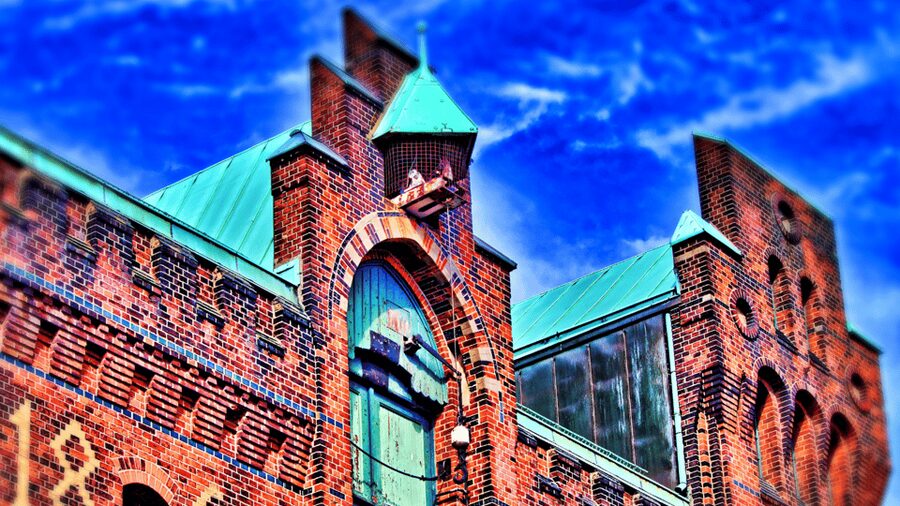
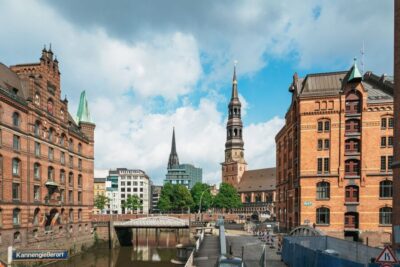
Now for the big name: Speicherstadt. This is the UNESCO World Heritage area, and the tour treats it as more than a photo stop. You get the logic of the place, the feel of how it functioned, and why brick warehouses became the signature style of the trade economy.
Brickstone Speicherstadt on the Elbe
You will walk through the brick-built Speicherstadt area on the Elbe side. What you should expect here is a mix of architecture appreciation and practical context. The guide explains what these storage buildings were for and how their design relates to the city’s maritime role.
If you enjoy architecture but also want the “why,” this is one of the stops where you benefit most from a live guide. You start seeing patterns: how structures sit in the district, how courtyards and waterways shape movement, and how the whole district reads as a working system.
Hafencity and the Elbphilharmonie view you will actually use
After Speicherstadt, the tour transitions toward Hafencity. This is where Hamburg shows its modern face, and the perspective you gained earlier makes the contrast feel meaningful instead of random.
Hafencity
Hafencity can look like a clean break from the older port world. The guide’s job is to help you see continuity, like how the city keeps reinventing its waterfront purpose while staying tied to trade routes and sea life.
Elbphilharmonie area and the plaza tip
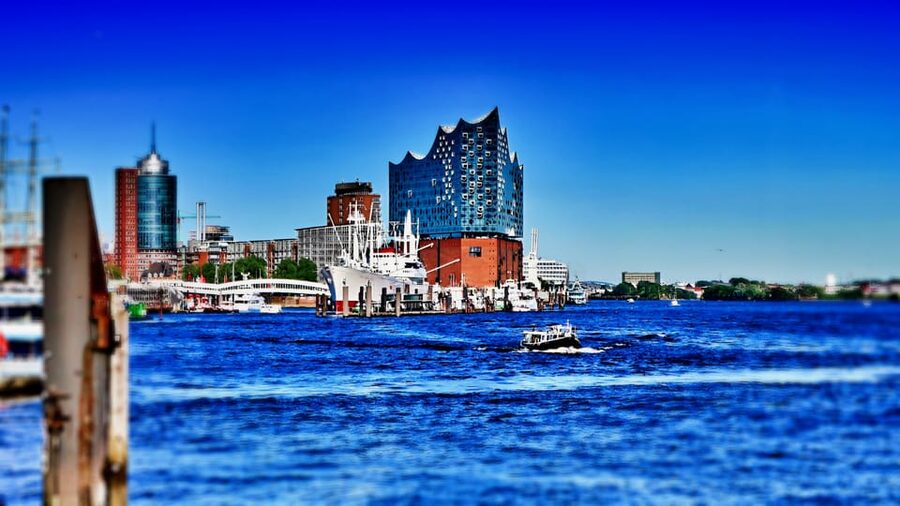
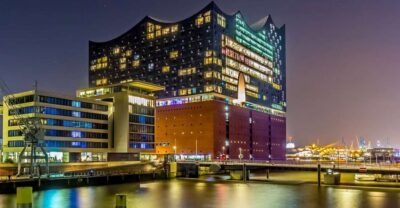
You end with views toward the new Elbphilharmonie concert hall. The tour itself does not include a visit inside the hall, but you can visit the Elbphilharmonie Plaza afterward. Access to the plaza is described as free of charge at the entrance, though larger groups may have entrance conditions that could involve costs.
If you are planning your day, this matters. It is smart to keep time after the walk for that plaza moment, because it is where you can translate the guided story into your own photos and skyline scanning.
Price and value: what you get for about $18 per person
For a $18 ticket and a two-hour walking format, the value comes from three things.
First, you get concentrated coverage. You are not just doing one neighborhood. You move between the Alster, civic institutions, the memorial zone, the UNESCO Speicherstadt, and the Elbphilharmonie area in one guided flow.
Second, you get storytelling detail. The tour includes specific references like the 1842 fire, 1962 flood, the St. Nikolai Memorial, and quirky local lore such as the poodle on the roof. Those kinds of details are hard to recreate from apps and signage alone.
Third, you get the right kind of payoff. Even without entering the concert hall, you still finish with the most famous modern visual in Hamburg, plus enough context to understand what you are looking at.
If you love independent wandering, this can also be a shortcut. Use the tour to get your bearings, then spend the rest of your visit exploring the parts that click for you.
Guide matters: why Jens Hartmann’s style shows up in the results
The experience clearly hinges on the guide. One name you will often hear associated with this tour is Kiez-Kapitän Jens Hartmann. People highlight how much they could ask and how smoothly the tour flows without feeling rushed.
There is also a pattern in the timing. Even though it is set as a 2-hour walk, some groups report that the guide can stretch the storytelling by 30 to 45 minutes when questions keep coming. That is a good sign. It means the guide is not just reciting, he is responding.
Also, the guide can adjust for small group dynamics. When the group is small, you are more likely to get direct answers that match what you are curious about, which makes history feel personal instead of generic.
Who should book, and who might want a different plan
This tour is a strong pick if you want:
- a compact Hamburg sampler that still feels specific
- a guided path that makes Speicherstadt and the waterfront meaningful
- history told with humor and street-level details, not lecture style
It may be less ideal if:
- you do not follow German well, since the guide language is German
- you want a strictly “sit and look” tour, because this is a walking route with multiple stops
- you plan to spend lots of time inside the Elbphilharmonie itself, since entry is not included in the tour
If you are short on time but want to understand the city’s trade and survival story, this walk is one of the most efficient ways to do it.
Should you book the Die Kiez-Kapitän Hamburger Stadtführung & Speicherstadt Tour?
I think you should book it if you want Hamburg to make sense fast: water, trade, rebuilding, and those modern waterfront symbols all connected. The tour’s biggest strength is that it gives you context for iconic places without dragging the experience out.
If your schedule allows, treat it as your first big sightseeing block. After the walk, you will know where to go next, and you will understand what to pay attention to when you are on your own around the Elbe and the Speicherstadt streets.
Newest Hamburg reviews on the site
- Hamburg: Interactive Crime Theater Tour in German★ 4.7 · 319 reviews
- Harbor Tour with Live moderation in German★ 3.8 · 4 reviews
- Hamburg: Walking Tour for School Groups★ 4.8 · 10 reviews
- Hamburg: Westfield, Speicherstadt & Elbphilharmonie Tour★ 4.5 · 86 reviews
- Hamburg: Twilight cruise★ 3.7 · 15 reviews
- Hamburg: St. Pauli District and Beer Tour★ 4.7 · 84 reviews
- Hamburg: Tour of Blankenese on the Banks of the Elbe★ 4.5 · 14 reviews
- Hamburg Traditional Food Tour: Full Meal and Drinks★ 5.0 · 3 reviews
Hamburg Tours, compared.
Sex and Crime in St. Pauli Tour for Ages 18 +
Read our review →
1.5-Hour Harbor and Speicherstadt Day Cruise
Read our review →



Reeperbahn Lust & Laster Tour for Adults Only
Read our review →Browse the lists this tour appears in