
Reviewed · HAMBURG TOURS
Dialogue in the Dark (English Tour)
Walking in total darkness sounds intense. Dialogue in the Dark at Dialoghaus Hamburg turns that fear into a guided, small-group lesson in how much life you read with your senses other than sight. You’ll follow a blind or visually impaired host through everyday scenes where hearing, touch, and smell do the heavy lifting.
I especially like how the guide keeps you safe while still letting you figure things out. I also love that the experience ends with the Dark Bar conversation, so you can process what just happened instead of walking away numb or confused.
The one catch is that complete darkness can feel overwhelming at first, even when the group is small and the instructions are clear. If you know you get anxious in dark, plan to give yourself a few minutes to adjust and wear comfortable shoes.
In This Review
- Key things to know before you go
- Dialogue in the Dark at Dialoghaus Hamburg: what the 60 minutes really feels like
- First steps in complete darkness, and why the cane matters
- Turn your ears, hands, and nose into your main navigation tools
- The Dark Bar: reflection and connection over a drink
- Guide personalities in English: what people consistently report
- What you do inside the experience, room-by-room style
- Price and value in Hamburg: is $30 reasonable?
- Practical tips: shoes, no-flash rules, and how to prepare your mindset
- Who should book Dialogue in the Dark, and who might hesitate?
- Should you book Dialogue in the Dark in Hamburg?
- FAQ
- How long is the English tour of Dialogue in the Dark?
- Where do I exchange my voucher before the tour?
- What language is the live guide?
- What is the group size?
- What should I bring and wear?
- Are drinks included at the Dark Bar?
Key things to know before you go
- Small group size (up to 8) helps you get real attention from your guide
- Complete darkness means you cannot wander on your own, you move with the group and instructions
- You use a cane and touch cues to navigate common tasks and scenes
- No flash photography keeps the darkness experience intact for everyone
- Dark Bar is included as a reflection moment, but drinks are not included
- English tours run with a live guide
Dialogue in the Dark at Dialoghaus Hamburg: what the 60 minutes really feels like
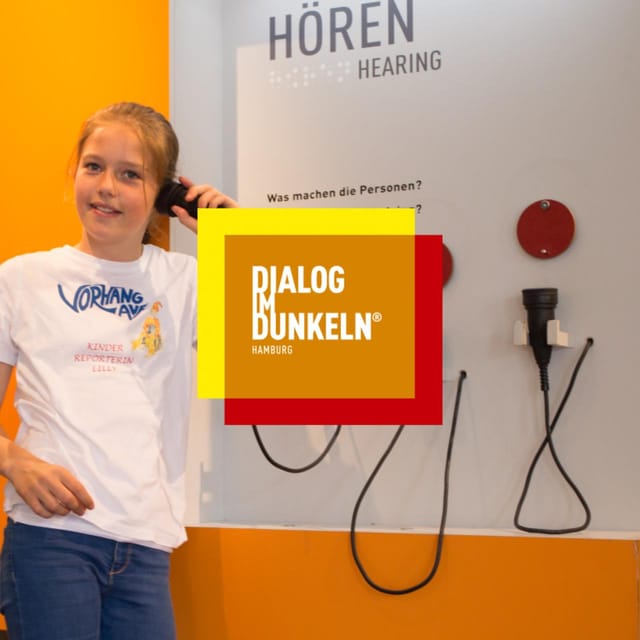
This is a 1-hour English guided experience in Northern Germany, based at Dialoghaus Hamburg (Dialoghaus Hamburg, sometimes listed as Dialoghaus). You exchange your voucher at the ticket counter before the tour starts, then you settle into a small group of no more than eight people.
The setup matters. You are not watching a show. You are doing a guided walk through a non-visual world where everyday actions become puzzles. You’ll likely handle simple, familiar moments, but with sight removed, which is why people describe it as both fun and humbling.
Expect a slow ramp-up. At the beginning, the guide helps you get oriented so you know how to move, how to listen, and how to ask for help. That early comfort is a huge part of what makes the experience work, especially when the environment is fully dark.
A few more Hamburg walks and trips to compare
- Hamburg: Sex and Crime in St. Pauli Tour for Ages 18 +
★ 4.7 · 17,793 reviews - Hamburg: 1.5-Hour Harbor and Speicherstadt Day Cruise
★ 4.6 · 14,200 reviews - Hamburg: 90-Minute Evening Lights Harbor Cruise
★ 4.5 · 7,728 reviews
First steps in complete darkness, and why the cane matters
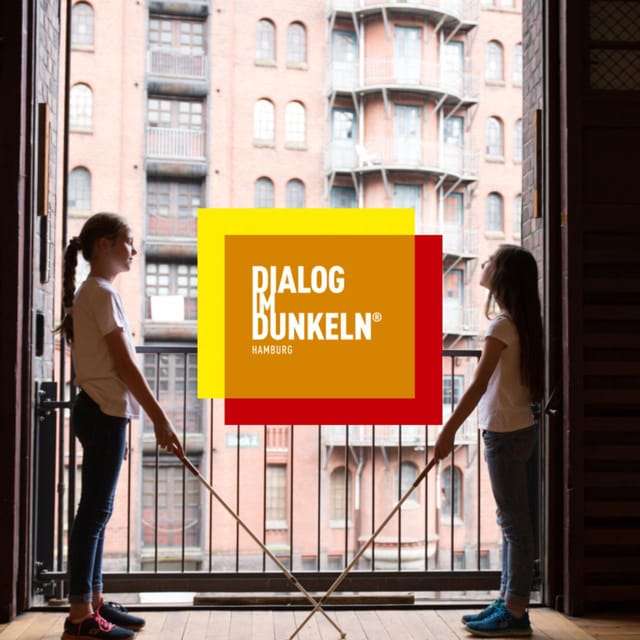
Once you’re in the dark, your biggest job is to stop trying to see. That sounds obvious, but it takes a minute. Your brain keeps reaching for visual cues, and then the guide brings you back to real input: sound, touch, and verbal directions.
You’ll navigate while using a blind cane and working with touch-based cues. People talk about feeling surfaces, tracking edges, and listening for directional hints. You might “stroll” through a park-like setting by using the cane to find footing and boundaries. You might cross a street by following audio cues and instructions.
You also get a taste of how daily life can change when you cannot rely on sight. Even small tasks, like the idea of buying something or finding objects, becomes a guided adventure. You’re not doing anything complicated. You are learning how much effort and trust normally hides behind quick visual scanning.
Turn your ears, hands, and nose into your main navigation tools
One of the strongest takeaways is how quickly your senses reorganize. When sight disappears, hearing becomes detailed. Footsteps, fabric movement, and the spacing of voices all start to feel like map data. Instead of “I hear traffic,” you notice patterns: where sounds come from, how close they feel, and how they change when you move.
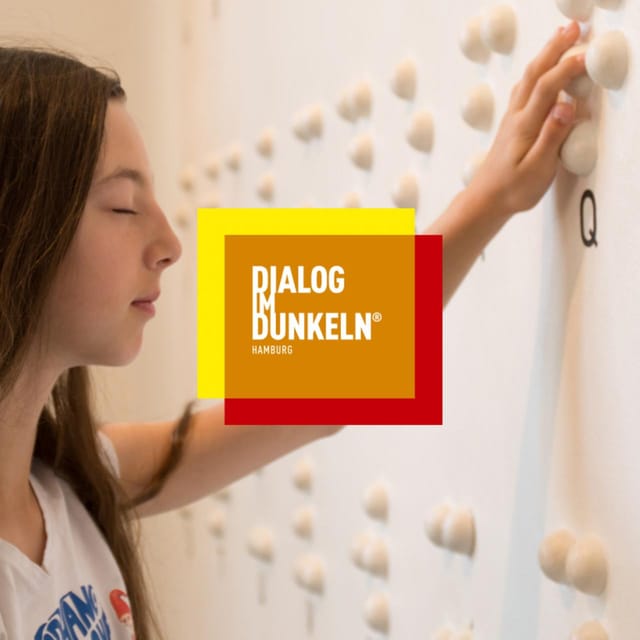
Touch becomes your guide rail. You feel textures, edges, and shapes. Even the way you hold your cane changes what you notice. People often describe this as sightless tactility, meaning you can interpret space through your hands in ways you never practice in normal life.
And then there’s smell. It doesn’t dominate every moment, but when it appears, it adds another layer of orientation. The overall result is that you leave with a new respect for sensory awareness, not just sympathy.
The most useful part is the mental switch. You stop thinking of sight as the default “main sense,” and you start seeing how other senses can compensate when you give them attention. That shift is what makes the experience linger long after the lights come back on.
The Dark Bar: reflection and connection over a drink
After the tour, you return to the well-lit foyer and then the group meets at the Dark Bar. This is not just a lounge. It’s where your guide and fellow participants help you make sense of what you felt in the dark.
This part is especially praised because it turns emotion into understanding. You can ask questions you were too busy, or too nervous, to ask during the walk. You can compare notes with the group, which often makes the experience feel less overwhelming and more meaningful.
Important detail: drinks are not included. Some people suggest bringing cash, so it’s smart to plan for payment in advance rather than assuming it’s part of the ticket. Even if you skip a drink, the discussion time is usually the best reason to stay and decompress.
Same city, a different way to spend the afternoon:
- Hamburg: 2-Hour XXL Port of Hamburg Cruise Tour
★ 4.7 · 6,979 reviews - Hamburg: Line A Sightseeing Hop-On Hop-Off Bus Tour
★ 4.6 · 6,958 reviews - Hamburg: Elbphilharmonie Plaza Guided Tour
★ 4.7 · 5,882 reviews - Hamburg: Hamburg Dungeon Admission Ticket
★ 4.7 · 5,745 reviews
Guide personalities in English: what people consistently report
The tour is led by a live guide, and the English-language format is part of the value. You’re not left guessing what’s happening or what you should do next.
What stands out in the feedback is how guides set a tone quickly. Several names appear in the experience reports, including Jens, Jeremy, and Klaus, and the pattern is consistent: the guide helps you feel safe early, then stays encouraging and interactive during the dark part.
That balance is key. You want clear instructions, but you also want agency. In a space where you cannot see, confidence comes from knowing what to do with your hands, how to follow movement cues, and when it’s okay to ask for help.
Also, your group size helps here. With up to eight people, you’re more likely to get personalized attention rather than feeling like a number in a long line.
What you do inside the experience, room-by-room style
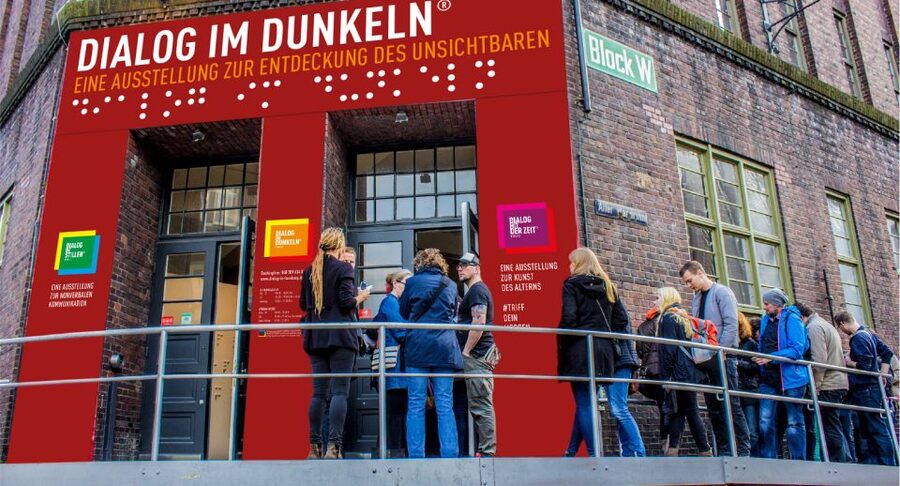
The exact layout can vary, but the structure is fairly consistent: several scenes or rooms that mimic everyday life. Many people describe it as moving through multiple areas, sometimes with a count like four or five rooms, but the bigger truth is that the scenes change enough to keep you engaged.
Here’s the practical way to picture it:
- You start with orientation in the dark, including how to move with the cane and follow instructions.
- You experience a few different environments, such as park-like paths and street-crossing moments.
- Along the way, you handle textures and navigate using a mix of touch and sound cues.
- The tour ends when you exit back into the well-lit foyer and transition to Dark Bar reflection.
A good guide also adjusts pacing for the group. If someone seems tense, you’ll usually see the instructions get more supportive. If people are curious, the guide may point out details you would otherwise miss, like how small sound changes can signal where you are.
Price and value in Hamburg: is $30 reasonable?
At $30 per person for a 1-hour guided experience, you’re paying for something that is hard to replicate on your own. This is not a generic walking tour. It’s trained staff, dedicated time in complete darkness, and structured guidance in a setting designed so you cannot self-explore.
That changes the value calculation. Your money is going toward a controlled environment where the goal is learning and empathy, not just entertainment. And because the group is small, the per-person experience stays personal.
Is it always comfortable? No. It’s supposed to challenge your assumptions. But that challenge is also the point. People consistently come away feeling humbled, grateful for daily abilities they usually take for granted, and more able to talk about visual impairment with real respect.
If you’re the type of traveler who likes authentic, hands-on cultural experiences, this is a strong fit. If you want a quiet museum stroll, you might find the sensory intensity too much. But for the right traveler, $30 feels fair for the impact and the guided structure.
Practical tips: shoes, no-flash rules, and how to prepare your mindset
You’ll want comfortable shoes. In total darkness, even short walking segments feel longer. Good footing reduces stress, and it helps you focus on listening and touching instead of worrying about your ankles.
Flash photography is not allowed. That rule is about fairness and safety inside an environment where darkness is the whole point, so don’t plan to take photos inside.
Also remember: this is not an exhibition you can explore on your own. You cannot wander independently. You’ll follow the guide and the group throughout the dark portion. That restriction is what makes the experience work well, especially for first-timers.
Before you go, decide what you want out of it. If you go with curiosity and patience, the experience tends to click faster. If you go with a goal to “win” the darkness, you can end up frustrated. The best attitude is simple: listen carefully, keep moving when instructed, and ask questions afterward.
Who should book Dialogue in the Dark, and who might hesitate?
This works well for:
- Couples and small groups who want something shared and memorable
- Travelers who learn best through doing, not just reading signs
- People who want a genuine empathy-building experience with real-world context
- Anyone curious about how guides support blind or visually impaired people in daily navigation
It may feel less ideal if:
- You strongly dislike feeling out of control, even with safety instructions
- You have a panic trigger tied to complete darkness
- You’re bringing young kids who may get scared by an all-dark environment
One reason adults recommend it so loudly is that the guide experience often makes people feel safe quickly. You’re not thrown into darkness with zero support. Still, initial adjustment is real, so it’s smart to plan for that mental bump.
Should you book Dialogue in the Dark in Hamburg?
Yes, if you want an experience that changes how you pay attention. I think Dialogue in the Dark is one of those rare activities where the lesson is not abstract. You learn it with your hands and ears, then you talk it through at the Dark Bar.
Book it if you’re curious, open-minded, and willing to trade comfort for clarity. Come prepared with comfortable shoes and a no-flash mindset, and give yourself permission to feel slightly uneasy at first.
Skip it only if you know you cannot handle complete darkness, even with a supportive English guide and a small group. If that’s you, there are other ways to learn and connect in Hamburg, but Dialogue in the Dark is built specifically for this moment of sensory challenge.
FAQ
How long is the English tour of Dialogue in the Dark?
The tour duration is 1 hour.
Where do I exchange my voucher before the tour?
You exchange your voucher at the ticket counter before the tour begins.
What language is the live guide?
The tour guide provides the experience in English.
What is the group size?
The group is small, limited to 8 participants.
What should I bring and wear?
Bring comfortable shoes, since you’ll be walking and navigating in complete darkness.
Are drinks included at the Dark Bar?
Drinks are not included. The tour includes the experience and guided tour, with the Dark Bar serving as a reflection space afterward.
Newest Hamburg reviews on the site
- Hamburg: Interactive Crime Theater Tour in German★ 4.7 · 319 reviews
- Harbor Tour with Live moderation in German★ 3.8 · 4 reviews
- Hamburg: Walking Tour for School Groups★ 4.8 · 10 reviews
- Hamburg: Westfield, Speicherstadt & Elbphilharmonie Tour★ 4.5 · 86 reviews
- Hamburg: Twilight cruise★ 3.7 · 15 reviews
- Hamburg: St. Pauli District and Beer Tour★ 4.7 · 84 reviews
- Hamburg: Tour of Blankenese on the Banks of the Elbe★ 4.5 · 14 reviews
- Hamburg Traditional Food Tour: Full Meal and Drinks★ 5.0 · 3 reviews
Hamburg Tours, compared.
Sex and Crime in St. Pauli Tour for Ages 18 +
Read our review →
1.5-Hour Harbor and Speicherstadt Day Cruise
Read our review →





Reeperbahn Lust & Laster Tour for Adults Only
Read our review →Browse the lists this tour appears in