Reviewed · GUIDED
Adventure Darkness – Guided tour in the dark
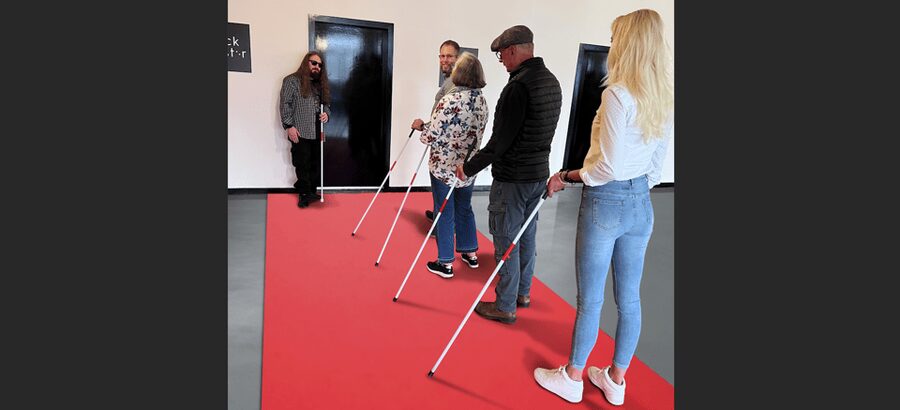
Darkness changes everything fast. Adventure Darkness is a guided, 90 minute style experience in the dark, led by blind or severely visually impaired guides using long canes, where you build a brand new sense of place through smell, sound, and touch. What I like most is the inclusion-focused way of learning, and the fact that it is not just scary dark, it recreates real everyday moments you can feel.
You also get a proper wrap-up in the dark bar, where you can talk with your guide over fritz-kola, coffee, or beer. My only caution is that the experience has clear limits on distractions, so if you rely on your phone, filming, or other visual cues, this tour will feel restrictive because those items are not allowed.
In This Review
- Key highlights to look for
- Adventure Darkness in the Ruhr Area: what you are actually paying for
- Meeting your guide and getting ready for total dark
- Inside the dark rooms: smells, sounds, touch, and recreated moments
- The sensory logic of why your brain reacts stronger in the dark
- Crossing a road and sports challenges: the scenarios you will feel
- The dark bar chat after about 60 minutes: what to do with what you learned
- Group size, pacing, and how to get the full value in 1.5 hours
- Rules that matter: no cameras, no phones, no flashlights, no jewelry
- Price and value for a Ruhr Area experience
- Who should book Adventure Darkness, and who should think twice
- Should you book Adventure Darkness Guided Tour in the Dark?
- FAQ
- How long is the Adventure Darkness tour?
- Do I get a live guide?
- How big are the groups?
- What happens after the dark rooms?
- What items are not allowed during the tour?
- Is it suitable for kids or wheelchair users?
Key highlights to look for
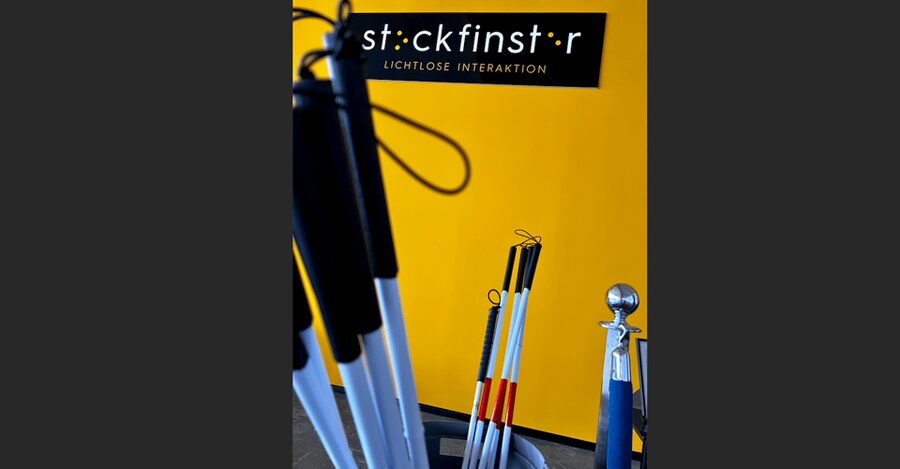
- Long-cane guidance: blind or severely visually impaired guides lead you room to room
- All senses, not just one: targeted smells, sounds, haptics, and even taste cues
- Real-life scenarios: everyday situations and special challenges are recreated
- Dark bar reflection time: chat with your guide after about 60 minutes, with drinks
- Small group feel: limited to 8 participants for a calmer pace
- Clear rules keep it fair: no cameras, flashlights, cellphones, or jewelry
Adventure Darkness in the Ruhr Area: what you are actually paying for
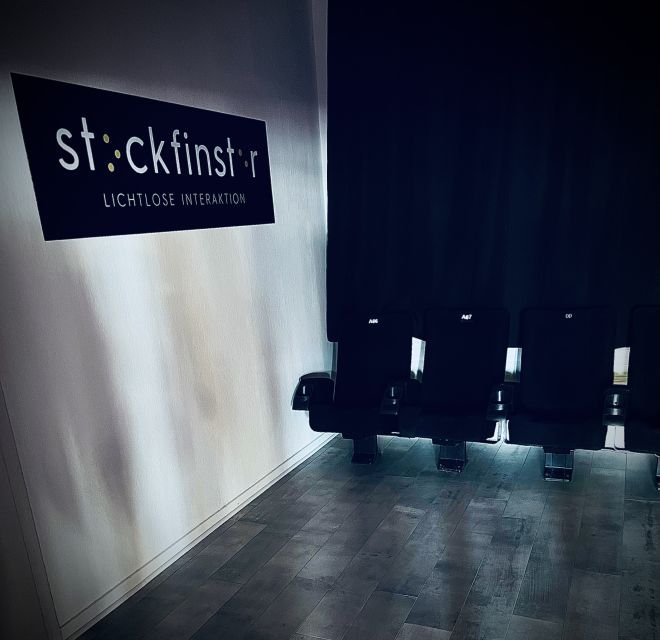
At about $21 per person, this is one of those activities that seems simple from the outside, then turns into a full body lesson the moment you step in. You pay for structure, not just darkness. You are led through themed, dark adventure rooms with a specific purpose: help you understand how daily life works when sight is removed or severely limited.
The big value here is that the learning is not theoretical. It is practical. You move, react, and respond while your brain gets different signals from the world. That is why this tour does not feel like a gimmick. It is closer to a guided simulation that stays grounded in inclusion and real challenge.
Duration matters too. The total experience runs about 1.5 hours, with a 90 minute guided tour in the dark. That means you get enough time to settle in and follow the flow, without burning your whole evening.
Also, this is a small group tour. Limited to 8 people, it is easier for the guide to manage spacing and make sure everyone receives the same kind of attention, especially important when you cannot use sight.
A few more Germany walks and trips to compare
- Berlin: Reichstag, Dome and Government District Guided Tour
★ 4.7 · 18,288 reviews - Dresden: Semperoper Tickets and Guided Tour
★ 4.7 · 12,102 reviews - Berlin: Government District around the Reichstag Guided Tour
★ 4.7 · 8,447 reviews
Meeting your guide and getting ready for total dark
Before you even start, you are setting your mind to a different mode. The guides are blind or severely visually impaired and use long canes, so you are not “shadowing” someone who sees. You are moving with the guidance style they use. That shifts your expectations immediately.
You will enter completely dark adventure rooms. The tour is designed so you cannot rely on outlines, lighting, or movement cues from far away. That is the point, and it is surprisingly quick for your brain to adapt, even if your first minute feels odd.
A tip that will help you from the start: slow your pace. In darkness, trying to move fast usually creates tension, because you are missing the visual timing that normally tells you where to place your next step. Stay calm, keep your hands available, and listen for the guide’s cues.
If you are lucky enough to be hosted by a guide like Florian, you may notice how well the guide adjusts to the group vibe. One session praised how Florian was sympathetic and responsive, which makes a difference when you are learning through unfamiliar sensations.
Inside the dark rooms: smells, sounds, touch, and recreated moments
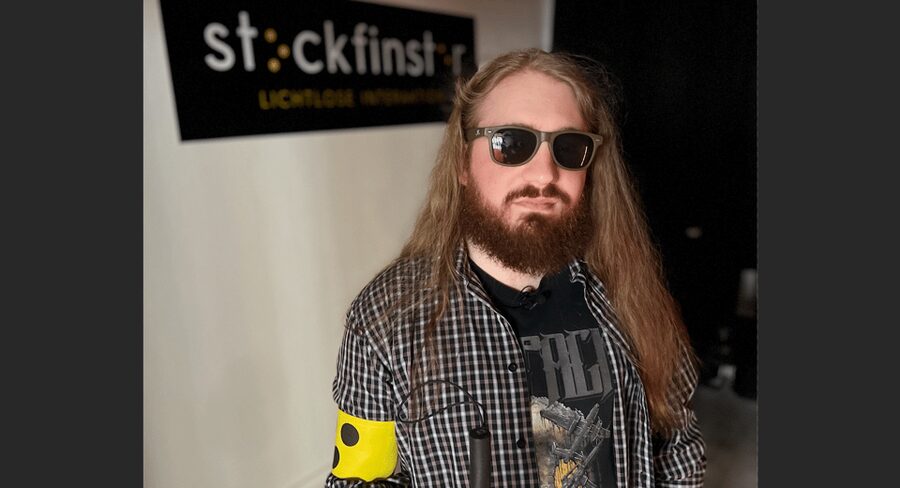
The dark rooms are where the tour becomes real. Instead of visual instructions, you get targeted stimuli that help you build a mental model of what is happening around you. You are mainly addressed haptically (through touch and contact cues) and auditorily (through sound cues), but you also get olfactorily and tastefully elements, meaning smell and some taste experiences can play a role.
What that means for you, practically: you will not just walk through random sets. Each scenario is meant to teach a specific type of awareness. You learn by encountering cues that your eyes would usually handle automatically.
The tour includes both everyday situations and special experiences. So you might face something that feels like a normal real-world task, then switch into a challenge that tests your balance, attention, or confidence. The goal is not to pass or fail. The goal is to help you understand how much your brain does behind the scenes when it cannot use visual input.
One caution from a real-world perspective: some components of a scenario depend on sound design. If a sound effect or noise scene is not working as intended, you may feel less grounded for that part of the simulation. That can happen, so give yourself permission to stay open even if one room does not land exactly how it should.
The sensory logic of why your brain reacts stronger in the dark
There is a reason the tour leans so heavily on targeted stimuli. When sight is removed, your brain compensates and amplifies other channels. In darkness, you often get more intense reactions to what you can feel and hear, because those sensations become the main information stream.
So you might notice:
- sound cues feel sharper and more meaningful
- touch cues feel more “loaded” than usual
- smells become navigation tools, not just background odors
- taste moments can anchor you in a situation quickly
This is where the inclusion angle gets tangible. It is not only about darkness as a theme. It is about how perception changes, and how people adapt their strategies for daily life. You are not just watching someone else’s reality. You are experiencing how your own body and brain respond when a key sense is taken out.
And yes, that can feel intense. That is normal. If you start thinking, I cannot handle this, take a breath and return to what you can control: listen carefully, follow the cane-guided cues, and move slowly.
Same city, a different way to spend the afternoon:
- Hamburg: Sex and Crime in St. Pauli Tour for Ages 18 +
★ 4.7 · 17,793 reviews - Berlin: 1-Hour City Tour by Boat with Guaranteed Seating
★ 4.3 · 16,993 reviews - Berlin: TV Tower Standard Entrance Ticket
★ 4.4 · 15,883 reviews - From Munich: Neuschwanstein & Linderhof Castle Full-Day Trip
★ 4.6 · 14,646 reviews
Crossing a road and sports challenges: the scenarios you will feel
Two kinds of scenarios are highlighted: a sporting challenge and crossing a road. These are excellent teaching moments because they involve real coordination, timing, and risk assessment.
Crossing a road in the dark is not about pretending it is dangerous for fun. It is about realizing how much visual scanning normally helps you judge distance and speed. Without sight, you must rely on cues like direction of sound, guide instructions, and your own body positioning. For many people, that is an eye opener in the most literal sense.
The sporting challenge is equally useful because it shows a different side of adaptation. Sports are often seen as visual performance, but in darkness you quickly understand that balance, touch feedback, and listening can carry much more of the workload than you expected.
The tour aims to connect these scenarios to inclusion, so the experience stays focused on understanding, not just fear.
The dark bar chat after about 60 minutes: what to do with what you learned
After about 60 minutes, you arrive at the dark bar. This part matters more than it sounds, because it gives your mind a place to process. You can chat with your guide over a glass of fritz-kola, a cup of coffee, or a cold beer, then reflect on what you experienced.
I like this structure because it prevents the tour from ending abruptly. You get a social decompression moment with the person who guided you through the hardest parts. That makes it easier to connect sensations to meaning. You can ask what the cues were meant to do, and how someone with visual impairment might navigate similar situations.
Also, the bar setting is useful because it is calmer than the rooms. It helps you stop thinking only in survival mode and start thinking in reflection mode.
Group size, pacing, and how to get the full value in 1.5 hours
With a maximum of 8 participants, you get a better chance at individual attention. In sensory experiences, one group member who panics can affect everyone’s pace. Small group size reduces that risk and makes it easier for the guide to keep your timing aligned.
Pacing is part of the design. You do not rush room to room. The darkness tour is listed as 90 minutes, and then you have time to reach the dark bar. That gives you a real arc: enter with confusion, adapt during the challenge rooms, then process during the chat.
If you want to maximize value, do not try to “beat” the tour. Instead, be a careful participant. When you sense something changing, pay attention to what changes first. Sound? Smell? Temperature or touch cues? Those details are what turn the experience into learning you can carry beyond the tour.
The tour is guided live and German-speaking. If you do not speak German well, it can still work because the experience is built around non-visual cues, but your understanding will be stronger if you can follow the main guide explanations.
Rules that matter: no cameras, no phones, no flashlights, no jewelry
Adventure Darkness is strict for good reason. You are inside a controlled sensory environment, and distractions can break that balance.
Not allowed:
- cameras
- jewelry
- flashlights
- cellphones
Here is how that affects you day of:
- Leave your camera at home. Even if you want a souvenir, the tour is designed to keep the environment fair and fully dark.
- Skip jewelry you might fidget with or that could interfere with touch cues.
- Turn your phone fully off and keep it out of your hands. You will be using listening and touch instead.
If you are the type who needs photos to feel satisfied, plan to rely on memory. The point of the experience is perception, not documentation.
Price and value for a Ruhr Area experience
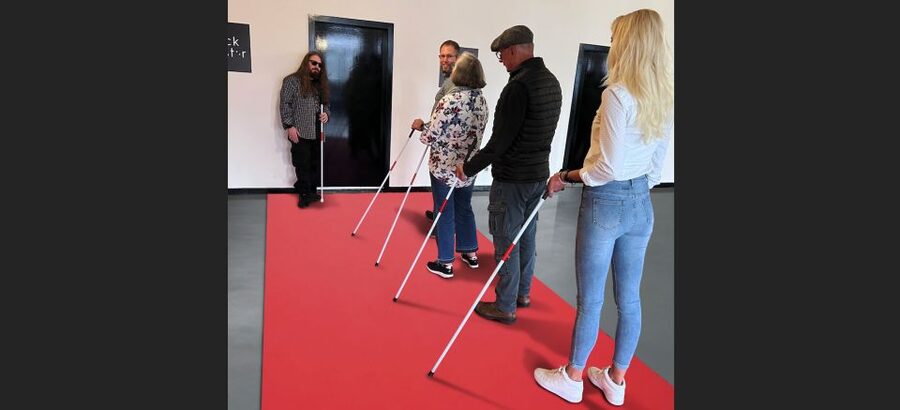
$21 for around 1.5 hours, with a 90 minute guided tour in complete dark, is honestly solid value. You are paying for:
- a trained live guide (German)
- a fully controlled dark environment with sensory design
- a small group limit
- a structured ending at the dark bar with drinks like fritz-kola, coffee, or beer
Many ticketed attractions charge similar prices for passive viewing. This tour is active learning. You do something, you feel something, and you get a chance to ask questions afterward.
Also, the experience has a clear inclusion mission. If that theme matters to you, the price feels more like support plus education, rather than just entertainment.
Who should book Adventure Darkness, and who should think twice
This experience is a great fit if you:
- enjoy hands-on learning
- want a practical understanding of inclusion, not just a lecture
- like sensory-focused activities
- are comfortable following instructions without visual confirmation
Based on the guided style, it also helps if you can stay calm in low-signal environments and focus on sound and touch. If you are highly anxious about being in total darkness, or you need constant visual reassurance to feel safe, you may find this harder than you expect.
There is also an age note: it is not suitable for children under 5 years. That makes sense because the experience depends on guidance, attention, and sensory processing.
Accessibility notes include a complication. The activity is listed as wheelchair accessible, yet it also says it is not suitable for wheelchair users. Because those statements conflict, you should verify what the actual on-site setup means for your mobility situation before booking.
Should you book Adventure Darkness Guided Tour in the Dark?
Book it if you want a meaningful Ruhr Area activity that teaches through experience, not through screens. The small group size, long-cane guided approach, and the mix of everyday and special scenarios create a learning arc you cannot get from typical attractions. If inclusion and real-world adaptation matter to you, this tour is one of the more direct ways to understand them.
Think twice and confirm details first if:
- you rely on your phone or filming to feel comfortable
- you have strong claustrophobia or anxiety triggered by darkness (even if the guide is supportive)
- you need clarity on wheelchair suitability, because the provided notes conflict
If you are the kind of traveler who likes being challenged in a useful way, Adventure Darkness is exactly that. You will leave with a better sense of what cues matter when sight is gone, and that is an experience you can carry into daily life.
FAQ
How long is the Adventure Darkness tour?
The total experience is about 1.5 hours. The guided dark part lasts about 90 minutes.
Do I get a live guide?
Yes. The tour has a live guide and the language listed is German.
How big are the groups?
The group is small, limited to 8 participants.
What happens after the dark rooms?
After about 60 minutes, you arrive at the dark bar, where you can chat with your guide while having a drink such as fritz-kola, coffee, or beer.
What items are not allowed during the tour?
Cameras, jewelry, flashlights, and cellphones are not allowed.
Is it suitable for kids or wheelchair users?
Children under 5 years are not suitable. Wheelchair notes are mixed, since it is listed as wheelchair accessible but also says it is not suitable for wheelchair users, so you should confirm fit before booking.
Newest Germany reviews on the site
- Private day trip from Munich to Eagle’s Nest, Salzburg and back★ 4.5 · 15 reviews
- Private Tour from Munich to Salzburg with English Speaking Driver★ 4.5 · 10 reviews
- Private day trip: Munich to Neuschwanstein Castle, local driver★ 4.5 · 3 reviews
- Private day trip from Munich to Salzburg and Hallstatt★ 4.5 · 17 reviews
- Private Day Trip Munich to Harburg, Dinkelsbuhl & Rothenburg★ 4.5 · 24 reviews
- Private Day Trip from Munich to Eagle’s Nest and Hallstatt★ 4.5 · 9 reviews
- Munich Lake Konigssee and Berchtesgaden Salt Mine Private Tour with Lake Cruise★ 4.5 · 7 reviews
- Private day trip from Munich to Eagle’s Nest and Salzburg★ 4.5 · 9 reviews
Guided, compared.

Reichstag, Dome and Government District Guided Tour
Read our review →
Government District around the Reichstag Guided Tour
Read our review →
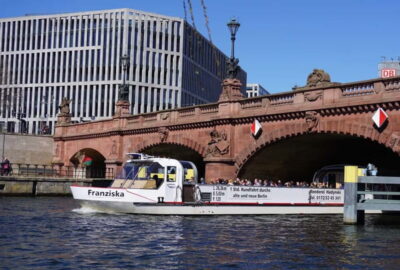
1-Hour Boat Tour with Bilingual Guide (Ger/Eng)
Read our review →