
Reviewed · GERMANY
Görlitz: Hallenhausführung
Medieval trade houses, right inside. This Görlitz Hallenhausführung lets you peek into the inner world of the city’s Tuchmacher-Hallenhäuser, with explanations that connect form to daily work. I especially like how the tour shows these buildings as living machines, not museum shells, and how you get clear, human context for life and business in the 15th century. One catch to consider: it is not suitable for wheelchair users, and you’ll be doing a walking tour through the old town.
In just two hours, you also get a handy framework for what you’re seeing: Wohnen, Präsentieren, Handeln, Lagern, Brauen. If you go Monday to Friday, the walk can include a peek into the Rathaus, including its Renaissance courtyard and a famous painted wooden ceiling, which adds a different kind of wow. The only drawback I can see for some people is that this is a “glance inside” experience, not an all-day deep architectural study, so you may want to return on your own if you fall for the details.
In This Review
- Key things that make this Hallenhaus tour worth your time
- Görlitz Hallenhäuser in one sentence: small entrances, big stories
- The tour flow: 4-5 hall houses in a compact 2-hour walk
- Inside a Tuchmacher-Hallenhaus: what the guide helps you see
- Wohnen, Präsentieren, Handeln, Lagern, Brauen: the multi-role building lesson
- Restoration reality: empty and used buildings in different stages
- Rathaus and Renaissance courtyard: the Monday to Friday extra
- Where to start and how to plan your timing
- Price and value: about $11 for multiple interiors
- Who should book this tour, and who might not
- What you’ll remember after: the city as a working system
- Should you book the Görlitz Hallenhausführung?
- FAQ
- How long is the Görlitz Hallenhausführung?
- What is the meeting point?
- How many hall houses will I see?
- Are the buildings the same every day?
- Is the Rathaus visit included?
- What language is the tour guide?
- How much does it cost?
- Is the tour wheelchair accessible?
- Is alcohol allowed on the tour?
- Can I cancel or pay later?
Key things that make this Hallenhaus tour worth your time
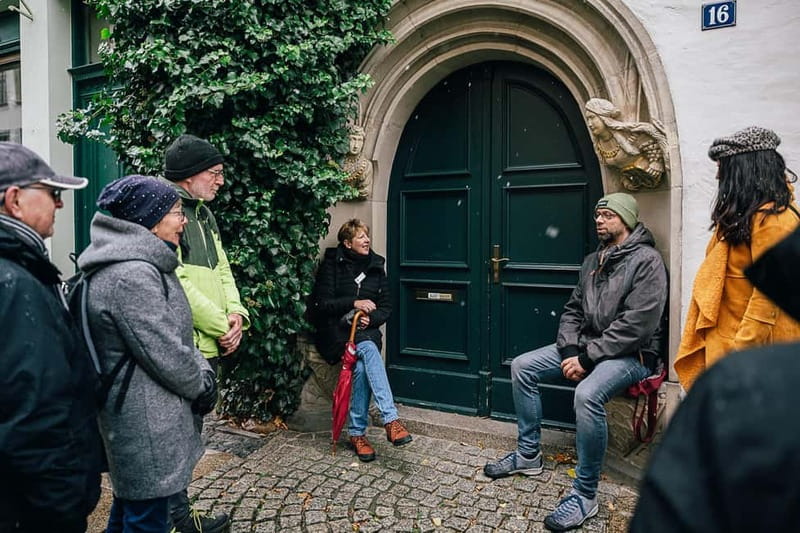
- Inside the Tuchmacher-Hallenhäuser: You don’t just look at facades, you get meaningful access to interiors.
- A multi-purpose city house concept: You learn how one building could support living, selling, storage, and even brewing.
- 4 to 5 buildings, based on weekday: Your route can change, so it stays flexible and not boringly repetitive.
- Empty and used buildings in different restoration stages: You see the real spectrum of preservation, not just a perfect postcard version.
- Optional Rathaus stop Monday to Friday: A Renaissance courtyard and an eye-catching painted wooden ceiling round out the medieval focus.
Görlitz Hallenhäuser in one sentence: small entrances, big stories
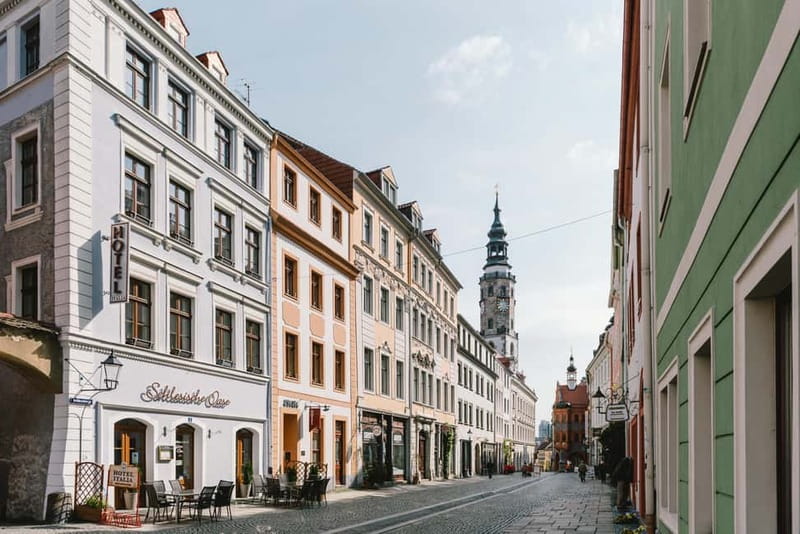
Görlitz is the kind of place where the past is close enough to touch. This tour turns that closeness into something practical: you learn how the city’s special hall houses worked, then you step into several of them and watch those ideas come alive.
What I like most is that the tour does not treat the buildings like static objects. You come away with a sense of how people used space for different jobs, not just one glamorous function. Even better, the guides tend to be quick with context and open to questions, so if you’re the kind of traveler who likes to ask why something is the way it is, you’ll be in your element.
More of Germany worth an hour:
- Berlin: Reichstag, Dome and Government District Guided Tour
★ 4.7 · 18,288 reviews - Hamburg: Sex and Crime in St. Pauli Tour for Ages 18 +
★ 4.7 · 17,793 reviews - Berlin: 1-Hour City Tour by Boat with Guaranteed Seating
★ 4.3 · 16,993 reviews
The tour flow: 4-5 hall houses in a compact 2-hour walk
This is a 2-hour guided tour with a public departure, and you can check starting times based on availability. Over the course of the walk, you’ll visit 4 to 5 hall houses. The exact addresses can vary by weekday, so don’t worry if your day’s lineup looks different from what you might see posted elsewhere.
Most stops follow a rhythm:
- The guide sets the scene for that house type and era.
- You get access into the interior, where you can actually connect the explanation to what’s built.
- You leave with a “what to look for next time” takeaway.
Because it’s a relatively short walk, it’s a good way to get oriented fast. But if you want to linger in one particular building, you’ll likely feel a bit of time pressure. I recommend using the tour as your first pass, then picking one house to revisit later on your own with fresh questions in mind.
Inside a Tuchmacher-Hallenhaus: what the guide helps you see
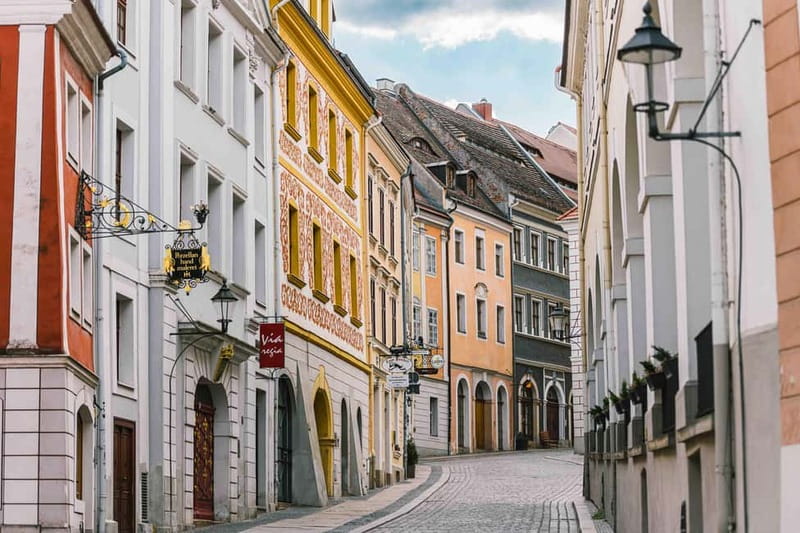
The heart of the experience is your look inside the Tuchmacher-Hallenhäuser, Görlitz’s cloth maker hall houses. These are a distinctive Görlitz house type that developed there in the 15th century, and the city still has more than 30 preserved examples.
When you step in, the biggest difference from just walking the street is scale and purpose. You’re not only seeing wood, stone, or beams. You’re learning how the building supported a whole workflow: life alongside work, showing goods to buyers, handling sales, storing materials, and even brewing.
One of the strongest themes from the tour experience is variety. Even when you’re looking at the same general house type, the interiors you see can feel different depending on whether a building is currently used, partially restored, or temporarily quiet. That makes the tour feel like a guided comparison, not a checklist.
Also, the guides are often praised for being both expert and approachable. In practice, that means the explanations tend to land clearly even if you don’t have an architectural background. And yes, a little humor shows up too, which keeps the walk from turning into a lecture marathon.
Wohnen, Präsentieren, Handeln, Lagern, Brauen: the multi-role building lesson
The highlight list gives you the tour’s mental map for what you’re about to learn: Wohnen, Präsentieren, Handeln, Lagern, Brauen.
Here’s why that matters for you as a traveler. Many historic buildings get simplified into one category, like “homes” or “shops.” These hall houses blur that line. By the time you’ve seen several of them, you start to understand the logic of the medieval city.
You’ll come away thinking about:
- How people could live and work under the same roof.
- How goods were presented and sold.
- Where storage fits into daily business.
- How production habits could sit close to domestic routines.
The practical benefit is that you’ll be able to read other buildings in Görlitz afterward. Even if you don’t return to another hall house that day, you’ll notice clues in how spaces connect, how the building supports activity, and how trade shaped city life.
Same city, a different way to spend the afternoon:
- Berlin: TV Tower Standard Entrance Ticket
★ 4.4 · 15,883 reviews - From Munich: Neuschwanstein & Linderhof Castle Full-Day Trip
★ 4.6 · 14,646 reviews - Hamburg: 1.5-Hour Harbor and Speicherstadt Day Cruise
★ 4.6 · 14,200 reviews - Dresden: Semperoper Tickets and Guided Tour
★ 4.7 · 12,102 reviews
Restoration reality: empty and used buildings in different stages
One of the most satisfying aspects of the tour is that you’re not limited to showpiece interiors. You may see several buildings that are empty, plus others that are in use, and you might encounter different stages of restoration.
This is valuable because it gives you a realistic view of how preservation works in a real town. It’s one thing to admire a historic facade. It’s another to understand that buildings can be in transition, partly restored, or actively adapted. That creates a more honest picture and helps you appreciate the ongoing effort required to keep these structures standing and meaningful.
From the reviews, it’s clear people feel the tour shows this well. The interiors can feel surprisingly impactful because you see how the building’s story continues, not just because it’s old.
Rathaus and Renaissance courtyard: the Monday to Friday extra
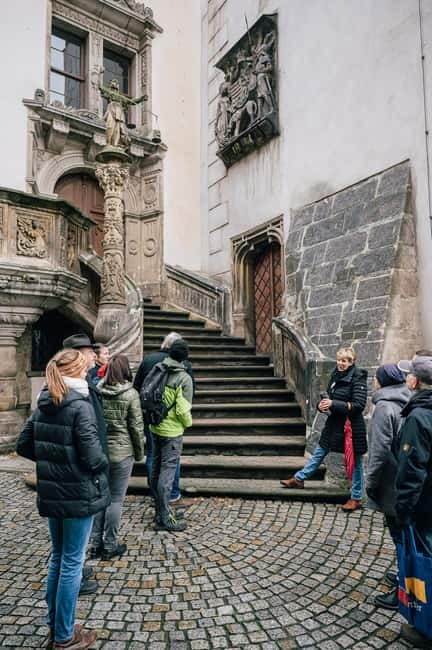
On Monday to Friday, your walk may include a stop at the Rathaus. That matters because it shifts you from the medieval hall house world to a more official civic setting, still within the historic core of Görlitz.
What you can expect at the Rathaus stop:
- A chance to see the Renaissance courtyard.
- A look at the city’s largest painted wooden ceiling.
This is a great pairing. The hall house portion teaches you how everyday business worked. The Rathaus portion shows you how city identity and status got expressed through public architecture and decoration. If you can choose your day, Monday to Friday gives you a slightly richer mix.
Where to start and how to plan your timing
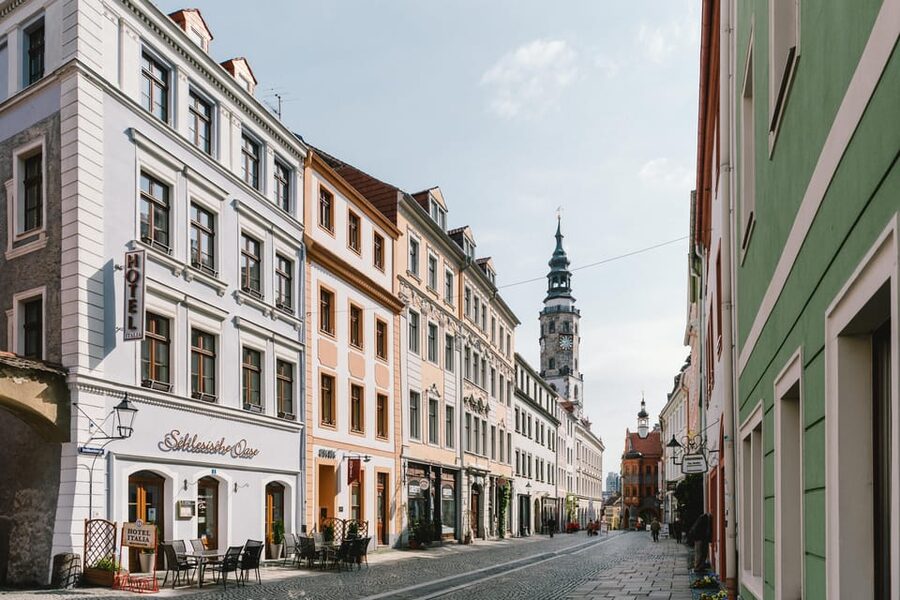
Meet at Görlitz-Information. Since it’s a public tour and starts at specific times, check availability for starting times that match your schedule.
A useful planning note: because the tour is two hours, you’ll want to keep the rest of your afternoon flexible. You’ll likely leave with extra questions and the urge to walk the streets more slowly, especially if one interior really grabs you.
Also, the guide is German. If your German is basic, it can still be worthwhile for visuals and guided explanations, but if you want everything to land perfectly, consider pairing the tour with quick vocab prep around buildings and trade.
Price and value: about $11 for multiple interiors
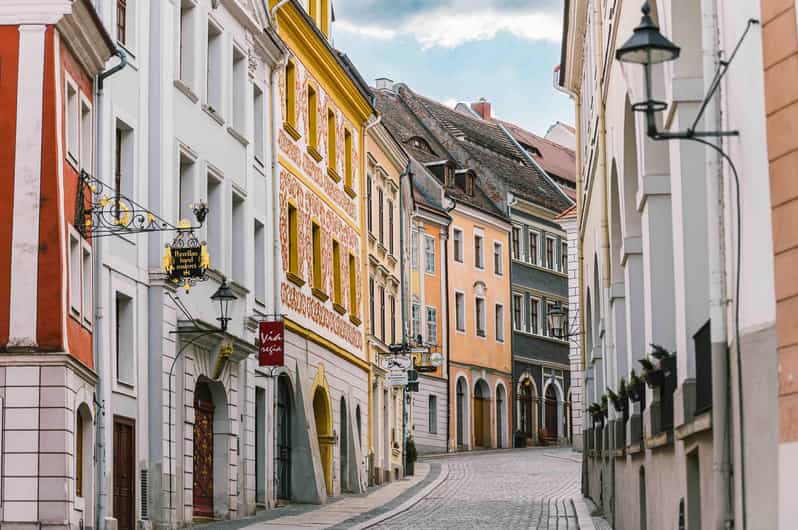
At around $11 per person for a 2-hour guided walk, this is strong value in two ways.
First, you’re paying for access. Hall houses can be impressive from the outside, but the tour’s key promise is that you get to look inside multiple buildings. That access, plus a live guide, is what elevates it.
Second, you’re getting a structured education. You leave with a clear framework for what the buildings did, not just a bunch of dates. The tour’s themes, including Wohnen, Präsentieren, Handeln, Lagern, and Brauen, turn the experience into something you can carry beyond those few stops.
If you like historic neighborhoods, practical interpretation, and “see it, then learn it” pacing, this is the kind of ticket that feels efficient without feeling rushed.
Who should book this tour, and who might not
This fits best if you:
- Want to see the inside of historic houses in Görlitz, not just exterior views.
- Enjoy guided explanations that connect architecture to real daily work.
- Like short, focused tours that give you a base for exploring on your own later.
It may not be a good fit if you:
- Need wheelchair access. The tour is not suitable for wheelchair users.
- Prefer long stays in a single location. This is a compact two-hour experience, with multiple stops.
One more practical point: the tour lists no alcohol and drugs as not allowed. That’s standard, but it’s good to know so you can plan snacks and energy the normal way.
What you’ll remember after: the city as a working system
Many tours give you pretty pictures. This one gives you a mental model.
After you’ve seen several hall houses, you’ll likely start noticing the logic of the spaces and how trade shaped daily life. You’ll understand why so many of these buildings have survived and why the city still treats them as part of its identity, not just background scenery.
And because the guide format tends to include clear explanations and a bit of wit, it stays engaging. You’re not just listening to facts. You’re learning how to look.
Should you book the Görlitz Hallenhausführung?
Book it if you want a smart, affordable way to understand Görlitz beyond facades. The combination of multiple interior visits, a clear set of building functions (Wohnen, Präsentieren, Handeln, Lagern, Brauen), and guides who are praised for expertise and openness makes this a very high-likelihood good experience.
Skip or consider alternatives if you need step-free access, or if you know you want a longer, slower architectural deep dive. In that case, treat this as your orientation tour, then plan independent time afterward.
If you’re choosing between days, Monday to Friday has the added bonus chance to include the Rathaus with its Renaissance courtyard and painted wooden ceiling. That extra stop can make an already compact tour feel even more complete.
FAQ
How long is the Görlitz Hallenhausführung?
The tour lasts 2 hours.
What is the meeting point?
Meet at Görlitz-Information.
How many hall houses will I see?
The route includes 4 to 5 such buildings. The exact buildings can vary depending on the weekday.
Are the buildings the same every day?
No. Depending on the day, the particular hall houses included can change.
Is the Rathaus visit included?
Monday to Friday, you may also get a look into the Rathaus, including its Renaissance courtyard and the city’s largest painted wooden ceiling.
What language is the tour guide?
The live guide speaks German.
How much does it cost?
The price is listed as $11 per person.
Is the tour wheelchair accessible?
No, it is not suitable for wheelchair users.
Is alcohol allowed on the tour?
No, alcohol is not allowed.
Can I cancel or pay later?
You have free cancellation up to 24 hours in advance for a full refund, and you can reserve and pay later.
Newest Germany reviews on the site
- Koblenz: The Living Vineyard, Nature & Wine Enjoyment★ 5.0 · 14 reviews
- Koblenz: Sektmuseum Histor. Kelllergewölbe incl. 1 Glas Sekt★ 4.5 · 41 reviews
- Koblenz: Wein-& Sektgeschichte(n) incl. Wein/Sekt Verkostung★ 4.7 · 8 reviews
- Koblenz: Christmas Boat Tour with Mulled Wine★ 4.3 · 35 reviews
- Koblenz: Private pub crawl with insider guide & free shots★ 5.0 · 5 reviews
- Koblenz: Express Walk with a Local★ 5.0 · 4 reviews
- Koblenz: Guided tour Moselle kisses Rhine★ 5.0 · 3 reviews
- Koblenz: Rhine Valley Castle Sightseeing Cruise★ 4.6 · 98 reviews