
Reviewed · DüSSELDORF TOURS
Explore Dusseldorf’s Art and Culture with a Local
Düsseldorf’s art map starts at a concert hall. This 90-minute walking tour threads together major sights tied to art, architecture, and exhibition spaces, guided by a local and paced for a small group. You’ll begin at the Tonhalle and end at the Kunstsammlung, with time that helps you plan your next museum stop.
Two things I really like: you get expert local guidance without the usual big-group muddle, and the route mixes famous landmarks with places where you can actually picture modern city life. It also runs in English, so you are not stuck translating your way through labels and architecture.
One thing to consider: it is short, so you won’t get a deep museum-style experience at every stop. If you want long, slow gallery time, think of this as your art-and-culture orientation and then choose one place to linger afterward.
In This Review
- Key highlights worth planning around
- Why this 90-minute Düsseldorf art walk makes sense
- Starting at Tonhalle Düsseldorf, Wilhelm Kreis architecture in real life
- Hofgarten, the 1600s park, and the Kö-Bogen viewpoint
- Kunsthalle stop and the last-century art storyline on one wall
- The museum with changing collections, where your next day gets easier
- Düsseldorf Altstadt energy across half a square kilometer
- Burgplatz and Rivertime, a post-war art moment you can spot easily
- Follow the Rhine connection, the city’s lifeline and cheerful spirit
- Landtag NRW and neo-Renaissance architecture with cutting-edge exhibitions
- Price and value: what $117.16 buys you
- Group size, pace, and who this is for
- Before you go: small planning details that make the walk easier
- Should you book this Düsseldorf art and culture tour with a local?
- FAQ
- How long is the Düsseldorf art and culture walking tour?
- Where does the tour start and where do you finish?
- Is the tour offered in English?
- What group size should I expect?
- What is included in the price?
- Do I get a mobile ticket?
- Are service animals allowed, and is the tour suitable for most travelers?
- Can I cancel for free?
Key highlights worth planning around
- Small group size (max 8), so questions do not get lost in the crowd
- Tonhalle Düsseldorf to Hofgarten to Kunstsammlung, a tight route for first-timers
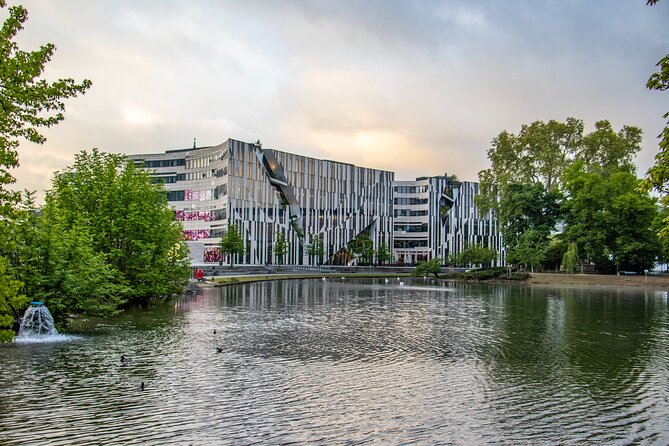
- Kö-Bogen view from a 1600s park, great for understanding old meets new
- Burgplatz details like Rivertime on the staircase, easy to miss on your own
- Landtag NRW building with cutting-edge exhibitions, more than just a photo stop
- English tour with a mobile ticket, straightforward for visitors
Why this 90-minute Düsseldorf art walk makes sense
Düsseldorf can feel a bit under the radar compared to Cologne or Berlin, but it has a strong art and exhibition rhythm. This tour is designed for exactly that problem. In a short window, you see where the city’s public spaces and cultural buildings connect, so you leave with a mental map instead of just photos.
I also like that the tour is built around recognizable stops, but you are not sent on a random checklist. Each location ties to a theme, from concert hall architecture to a park viewpoint and then into museum and exhibition settings. That makes your next day easier, because you know what to look for.
The small group matters more than you might think. With a maximum of 8 people, the guide can adjust pace and explain things without rushing past you. That includes how they handle different needs. One piece of feedback stood out for me: guides such as Anne and Beatriz were praised for being enthusiastic and attentive, including tailoring the walk for a senior parent. That kind of flexibility usually turns a “good” tour into a memorable one.
A few more Dusseldorf walks and trips to compare
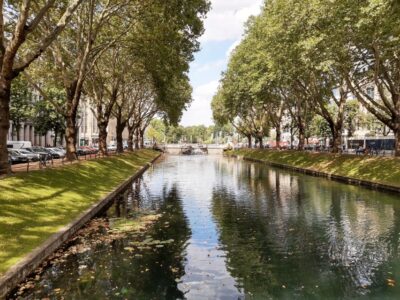
- Düsseldorf: City Sightseeing Cruise on the Rhine
★ 4.1 · 2,954 reviews - Düsseldorf: 24-Hour Hop-On Hop-Off Ticket
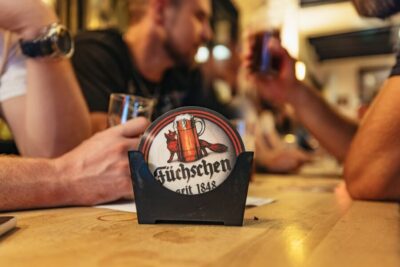
★ 4.2 · 1,685 reviews - Düsseldorf: Brewery Tour with Alt Beer Tastings
★ 4.7 · 1,523 reviews
Starting at Tonhalle Düsseldorf, Wilhelm Kreis architecture in real life
Your walk starts at Tonhalle Düsseldorf, at Ehrenhof 1. This is not just any building. The concert hall was built by the architect Wilhelm Kreis, and the exterior gives you an immediate sense of Düsseldorf’s cultural seriousness.
Even if you do not care about concert music, I think this opening works because Kreis’s architectural approach sets a tone. You begin with a place that is part of Düsseldorf’s identity, not a generic landmark. It also helps you shift your brain from sightseeing mode into art-and-structure mode.
Practical tip: because this is your first stop, arrive a couple minutes early if you can. Starting on time keeps the whole route comfortable, especially if the group is small and the guide is trying to hit several outdoor viewpoints.
Hofgarten, the 1600s park, and the Kö-Bogen viewpoint
Next comes a central park dating from the 1600s. That alone is a good reminder that Düsseldorf’s present is not disconnected from its past. You are walking through a long-standing green space, then looking outward to a modern creation by Daniel Libeskind, the Kö-Bogen.
This is one of the tour moments that clicks for newcomers. Seeing a modern architectural landmark from within an older park helps you understand how the city layers styles rather than replacing them. It is the kind of view that makes you look twice at the skyline.
What to do here: slow down for photos, but also listen. A good local guide usually points out relationships you would miss, like alignments and how the viewpoint changes what the building “feels like.” If you only take pictures, you still enjoy the view, but you lose the context.
Kunsthalle stop and the last-century art storyline on one wall
After the park, you move to a stop that is described as a compendium of artistic movements from the last century, with a famous mural on a wall. This kind of stop is valuable on a walking tour because it teaches without turning into a lecture.
You get an art timeline in a format you can absorb quickly. Instead of reading about movements one at a time, you can see how they feel when they are placed side by side in a single urban setting. And the mural gives you a concrete reference point.
Potential drawback: if you are the type who loves to zoom in on fine details, you might want more time here than a short walking route allows. Still, as an introduction, it is strong. It gives you the names and connections that make later museum visits much more rewarding.
Same city, a different way to spend the afternoon:
- Düsseldorf: Altbier-Safari Beer Walking Tour
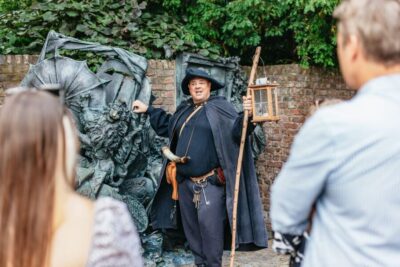
★ 4.4 · 1,150 reviews - Düsseldorf: Guided Tour with a Night Watchman
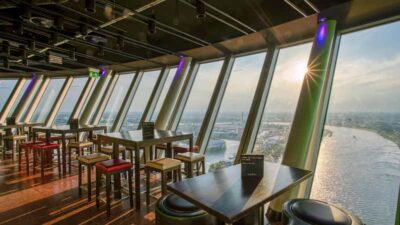
★ 4.7 · 986 reviews - Düsseldorf: Rhine Tower Adult Entry
★ 4.5 · 638 reviews - Dusseldorf: Old Town & Altbier Tour
★ 4.7 · 585 reviews
The museum with changing collections, where your next day gets easier
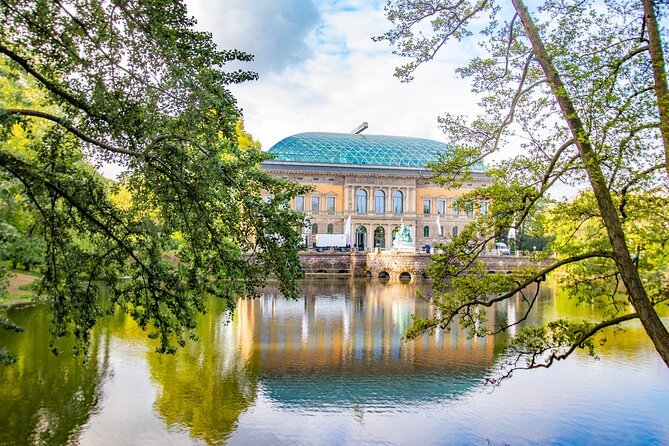
The tour includes a museum stop described as an excellent museum with an ever-changing collection of work from some of the country’s innovative artists. That wording matters. The goal is not to send you to one fixed “forever famous” exhibit. It is to show you how Düsseldorf’s museum scene actually works, with rotating shows and new work.
I like the idea of changing exhibitions on a tour route because it keeps the city feeling current. You can visit even if you are a repeat visitor, and the cultural offering does not feel like a static display.
At the end of the tour, you finish at Kunstsammlung, Ständehausstraße 1, and you can explore the museum on your own. This is smart planning. You get the guide’s orientation first, then you choose how to spend time based on what grabbed you most.
Tip: when you reach the end stop, do not feel pressured to see everything quickly. If the changing exhibit is your focus, you will get more satisfaction by picking one or two areas and going deeper than by scanning every room.
Düsseldorf Altstadt energy across half a square kilometer
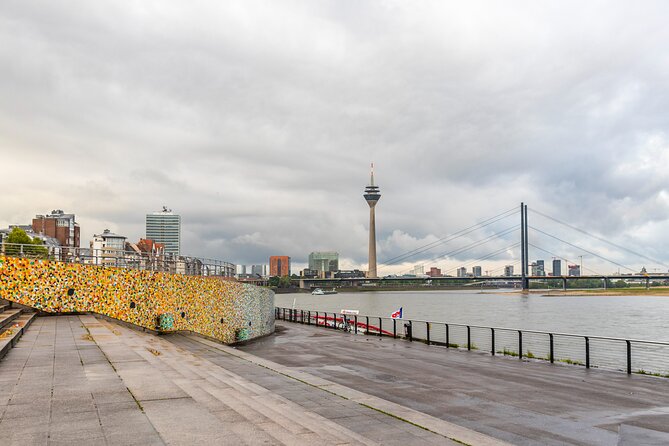
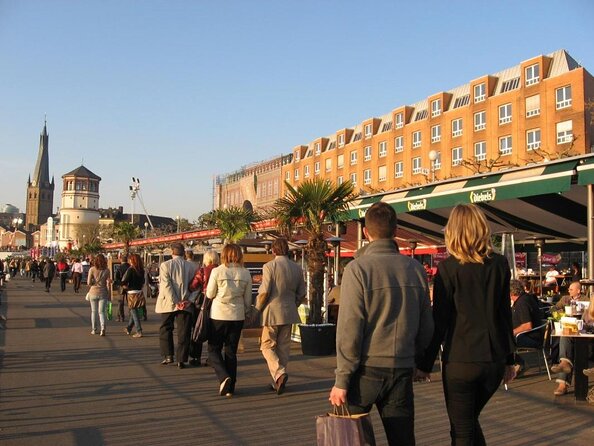
Then you hit the heart of Düsseldorf, described as beating across half a square kilometre. This is the part of the route that shifts from cultural buildings and art installations into urban atmosphere.
I interpret this stop as “where life happens.” You get a sense of the city’s scale and how the downtown area concentrates pedestrian movement, public spaces, and visual interest. Even if you are not shopping, it helps you understand how Düsseldorf moves.
One warning, in a friendly way: downtown areas can pull your attention toward food, drinks, and side streets. That is great if you are flexible, but if you have a specific schedule, keep a mental time check. This tour gives you the framework, but you still need to steer your own next steps.
Burgplatz and Rivertime, a post-war art moment you can spot easily
One stop is described as awarded as one of the most beautiful post-WWII places in Germany. It also calls out a detail you should not miss: Rivertime on the side walls of the staircase in the Burgplatz.
That is exactly the kind of guide value that matters. On your own, you might admire the overall setting and miss the artwork detail. With a local, you get the key instruction: look at the staircase side walls, and notice Rivertime where it belongs.
This is also a good moment to pause and think about what post-war design means in practice. Instead of treating the past like a distant subject, you see how art and public spaces work together, in a normal walk-up spot people actually use.
If you are traveling with family or anyone who wants photo-friendly highlights, this stop tends to land well. It is both meaningful and visually clear.
Follow the Rhine connection, the city’s lifeline and cheerful spirit
The tour then points you toward the lifeline of Düsseldorf, connecting the city to the mighty Rhine, with an atmosphere that celebrates the cheerful spirit of Düsseldorf. The Rhine is the kind of feature that changes how a city feels from one block to the next.
Even if you do not spend time sitting by the water, this part helps you understand why the city’s cultural energy exists where it does. River cities often have a specific pace, and Düsseldorf’s identity is tied to that rhythm.
What you can do: take a short walk slower than you did earlier. Outdoor areas give your eyes a break after architecture and museum-focused stops. If it is a nice day, this is also the easiest place to get a “Düsseldorf actually feels like something” moment.
Landtag NRW and neo-Renaissance architecture with cutting-edge exhibitions
The final cultural stop described is the former seat of the Parliament of North Rhine-Westphalia, a grand neo-Renaissance building known for cutting-edge art exhibitions. That combination is the point.
Neo-Renaissance architecture gives you formality, symmetry, and scale. Then the building’s current role as an exhibition space adds the modern layer, showing how Düsseldorf repurposes significant structures for today’s art conversations.
I love stops like this because they teach you a practical lesson: in many European cities, the most important cultural buildings are not always purpose-built museums. Sometimes they are older institutions turned into exhibition venues, and that change affects the way art is presented.
When you are done here, you finish at Kunstsammlung Ständehausstraße 1. Since the tour ends with museum access on your own, you can spend your remaining energy where the guide’s route made you curious.
Price and value: what $117.16 buys you
At $117.16 per person for about 1 hour 30 minutes, this tour is not a “cheap and cheerful” option. But it is also not priced like a full-day museum binge. So the question becomes: is the value in the route, the guide, or the combination?
For me, the best value is the guide plus the tight sequence of art and cultural checkpoints. You are paying for someone to connect the dots: Wilhelm Kreis at Tonhalle, a Kö-Bogen viewpoint from the Hofgarten, the mural timeline, Burgplatz’s Rivertime detail, and then the neo-Renaissance exhibition venue. That context is hard to recreate solo, especially when you have limited time.
The group size helps the math. With a maximum of 8 travelers, you get a more personal experience than you would with a typical big-city group.
Also, the tour includes a mobile ticket and is offered in English. Those may sound minor, but they remove friction. Less hassle means you actually enjoy the walk.
Group size, pace, and who this is for
This works best for:
- First-time visitors who want a fast art and culture orientation
- People who like walking routes with clear thematic stops
- Travelers who prefer small groups, with room for questions
- Anyone planning future museum time and wants a guide’s filter for what to prioritize
It might be less ideal if:
- You want long museum sessions or you dislike moving on before you have fully settled
- You are expecting a deep dive into one specific artist or movement over hours
Even though it is short, the route is not just photo stops. It is built around the idea that public art, parks, and museum spaces all tell one story when you see them in the right order.
Before you go: small planning details that make the walk easier
This is a walking tour, so wear shoes you trust. You will be on your feet through parks and between cultural landmarks.
Bring a charged phone for the mobile ticket. Also, consider having comfortable layers if the weather turns. Outdoor park and Rhine-facing sections can feel cooler than you expect.
Since food and drinks are not included, plan your timing so you are not hunting for snacks mid-walk. If you want a full lunch, schedule it after you finish at Kunstsammlung.
Should you book this Düsseldorf art and culture tour with a local?
Yes, if you want an efficient way to understand Düsseldorf’s art and exhibition geography. I think it is a smart choice for newcomers, especially because the route connects big-name cultural spaces with small, easy-to-miss details like Rivertime at Burgplatz.
Book it if you value a guide who can explain connections in plain language and keep the group comfortable. The strongest feedback theme tied to this kind of tour is the guide’s energy and careful attention, including tailoring the experience for a senior companion.
Skip it or treat it as optional if you are the type who needs hours inside museums. This tour gives you orientation and highlights, then sends you to explore more on your own at Kunstsammlung.
FAQ
How long is the Düsseldorf art and culture walking tour?
It lasts about 1 hour 30 minutes.
Where does the tour start and where do you finish?
It starts at Tonhalle Düsseldorf, Ehrenhof 1, 40479 Düsseldorf, and it ends at Kunstsammlung, Ständehausstraße 1, 40217 Düsseldorf. You finish at the museum so you can explore on your own.
Is the tour offered in English?
Yes, it is offered in English.
What group size should I expect?
The tour has a maximum of 8 travelers.
What is included in the price?
The tour includes a local guide.
Do I get a mobile ticket?
Yes, the tour includes a mobile ticket.
Are service animals allowed, and is the tour suitable for most travelers?
Yes, service animals are allowed, and most travelers can participate.
Can I cancel for free?
Yes. You can cancel up to 24 hours in advance for a full refund.
Newest Dusseldorf reviews on the site
- Düsseldorf Segway Rhein Tour: Rhine River Experience★ 5.0 · 27 reviews
- Sightrunning – Private Running Tour in Düsseldorf★ 5.0 · 16 reviews
- Dusseldorf Self Guided Sherlock Holmes Murder Mystery Game★ 3.5 · 3 reviews
- Düsseldorf PubCrawl: 4 Venues, Welcome Shots + Club Entry★ 5.0 · 18 reviews
- Discover Dusseldorf’s most Photogenic Spots with a Local★ 5.0 · 3 reviews
- Düsseldorf Scavenger Hunt and Highlights Self Guided Audio Tour★ 4.5 · 8 reviews
- Private Düsseldorf Walking Tour – History, Culture & Hidden Gems★ 5.0 · 8 reviews
- Düsseldorf Walking Tour: Explore Top Sights & Hidden Gems★ 4.5 · 58 reviews
Düsseldorf Tours, compared.


Browse the lists this tour appears in