
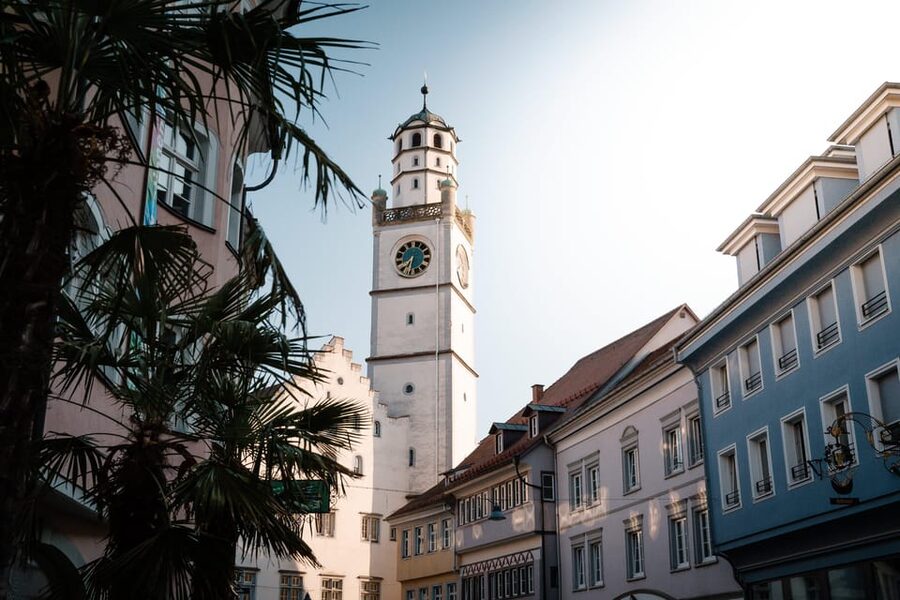
Reviewed · GERMANY
Der Klassiker RAVENSBURGER STADTGESCHICHTE
Ravensburg can feel like a living textbook. This 1.5 hour guided city history tour helps you sort out the eras of an imperial city and Lake Constance trading power, while you walk a compact old town route with real landmarks like Marienplatz and the Humpis Quarter Museum. I especially like how the guide keeps it short, paced, and funny, so the facts don’t drag. I also like that you get a clear citywide storyline, not just a list of buildings. The one drawback to keep in mind is that it is all in German, so non-readers of the language will have a harder time following the connections.
You start at the Tourist Information area by the Lederhaus and end at Obertor, walking through a route that includes the town hall, Kornhaus, an Evangelical City Church, and the upper town museum district. I like that the stop order basically mirrors how Ravensburg grew, from civic centers to trade landmarks to residential quarters. If you want independent, slow roaming time, this tour will feel like a guided sprint, not a long wander.
In This Review
- Key points worth knowing before you go
- Ravensburg’s story in 90 minutes, what this walk really does
- From Tourist Information by Lederhaus to Ravensburg Altstadt
- Marienplatz and Bachstraße, how the civic center connects to everyday life
- Town hall and Kornhaus, where civic power and trade wealth meet
- Evangelical City Church and the upper-town shift
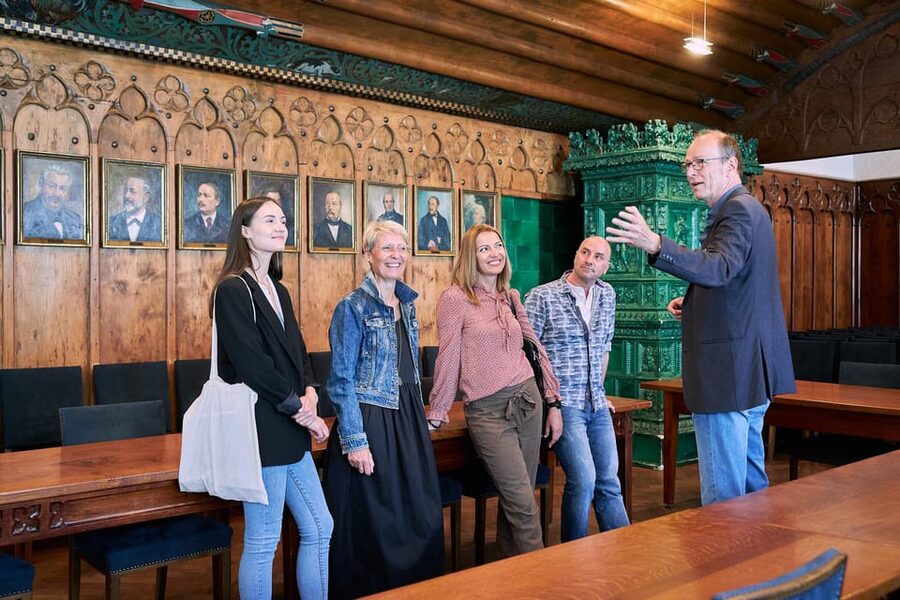
- Humpis Quarter Museum, medieval living quarters up close
- Ending at Obertor, the satisfaction of closing the city loop
- Price and value, is 14 dollars worth 1.5 hours?
- Who this tour suits best
- Should you book Der Klassiker Ravensburger Stadtgeschichte?
- FAQ
- Where does the tour start?
- What is the tour duration?
- How long is the city tour portion?
- How much does it cost?
- What language is the live guide?
- What are the main stops on the route?
- Where is the tour located?
- Is the tour wheelchair accessible?
- How should I plan for the walking route?
- Is free cancellation available?
- Can I reserve and pay later?
Key points worth knowing before you go
- City of gates and towers, with the walk ending at Obertor for a satisfying finish.
- Humpis Quarter Museum highlights medieval living quarters, not just monuments.
- A 90-minute format that’s long enough for context, short enough for active day plans.
- German live guide with explanations that stay understandable, helped by humor and flexibility.
- Stops connect major eras, so you leave with a map in your head, not just photos.
Ravensburg’s story in 90 minutes, what this walk really does
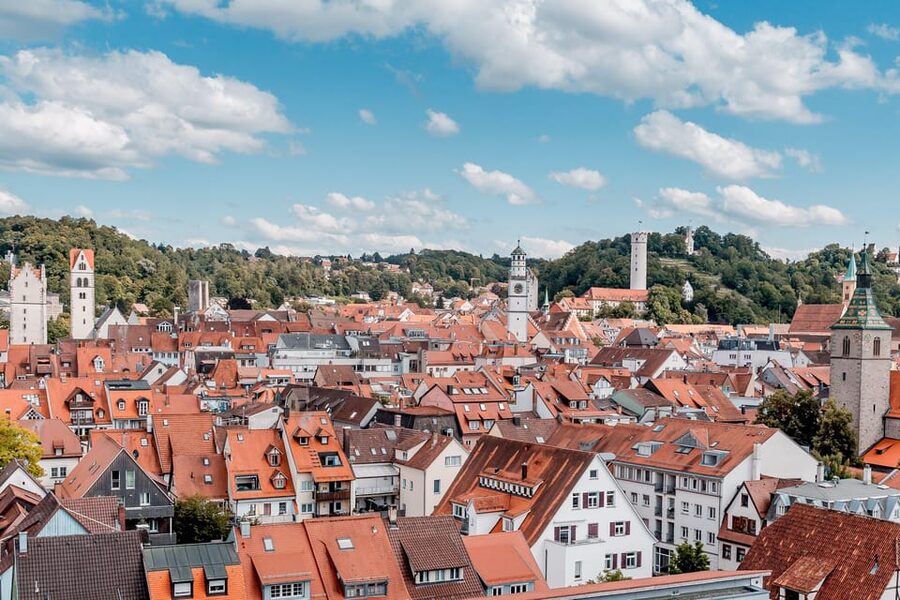
Ravensburg is one of those southern German towns that still looks like it grew slowly, brick by brick. The idea behind this classic city history tour is simple: you get an orientation to how Ravensburg became important in the late Middle Ages, first as an imperial city, then as the seat of the Ravensburger trading company, and finally as a center for the Lake Constance region.
The payoff is practical. Instead of seeing a pretty square, then another pretty building, you start noticing patterns. You understand why civic power shows up in one place, why trade wealth shows up in others, and why residential quarters like the Humpis Quarter Museum matter for everyday life.
I also appreciate the tour style. Based on what the guide does on the ground, the route stays engaging and keeps its rhythm. It is the kind of tour where the explanations come with timing, and when something in front of you changes, the guide adapts rather than marching you through like a script.
More of Germany worth an hour:
- Berlin: Reichstag, Dome and Government District Guided Tour
★ 4.7 · 18,288 reviews - Hamburg: Sex and Crime in St. Pauli Tour for Ages 18 +
★ 4.7 · 17,793 reviews - Berlin: 1-Hour City Tour by Boat with Guaranteed Seating
★ 4.3 · 16,993 reviews
From Tourist Information by Lederhaus to Ravensburg Altstadt
You meet at the Vordereingang of the Tourist Information at Lederhaus. That’s a smart starting point, because you are dropped into the old town area quickly, without extra transit fuss. Then the route moves into Ravensburg Altstadt, where most of the historic character is still easy to read in the street layout.
What you should expect here is the beginning of the storyline. The guide sets up the city’s growth, and you start linking the names you will hear, Marienplatz, Bachstraße, the town hall, Kornhaus, and the Evangelical City Church, to the bigger picture of Ravensburg as an imperial and trading hub.
This is where the tour does a lot of its value work. Good city history walks can turn into trivia. This one aims to explain how the city functioned, so each stop feels like it earns its place.
Marienplatz and Bachstraße, how the civic center connects to everyday life
Marienplatz is a natural anchor for a history tour, because squares are where city decisions become visible. On this walk, it is not just a pretty starting point. You use it as a reference point, so when the guide later points at civic buildings and trading-related architecture, you have a mental grid.
Then you move to Bachstraße. Even if you just treat it as a street between two landmarks, it helps you understand the city’s structure. You start to feel how the old town connects major points without needing modern transport logic. You see how the historic core strings together, and you realize Ravensburg’s character is not only in individual sights, it is in the way they sit next to each other.
A practical note: because you are moving through working old streets and squares, you get a sense of how the historic town is still used. That makes the history feel less like a museum and more like a living neighborhood.
Town hall and Kornhaus, where civic power and trade wealth meet
The town hall stop is the moment where Ravensburg’s identity as an imperial city becomes tangible. You get an overview of the city’s origins and its most important eras, then you see the kind of building that represents authority and decision-making. This is where the tour helps you understand why civic architecture tends to be placed where it can be seen and used.
Right after that comes the Kornhaus. The name itself hints at storage and resources, and the guide uses it as a way to explain Ravensburg’s rise in the late Middle Ages, when the trading company’s role helped shape the region. Even if you are not focused on building details, this stop is valuable because it ties trade to the physical city.
This pair of stops is a big reason the tour is a good first activity in Ravensburg. Many people arrive, take photos, and then feel like they still do not know what they just photographed. Here, the sequence builds understanding as you go.
Same city, a different way to spend the afternoon:
- Berlin: TV Tower Standard Entrance Ticket
★ 4.4 · 15,883 reviews - From Munich: Neuschwanstein & Linderhof Castle Full-Day Trip
★ 4.6 · 14,646 reviews - Hamburg: 1.5-Hour Harbor and Speicherstadt Day Cruise
★ 4.6 · 14,200 reviews - Dresden: Semperoper Tickets and Guided Tour
★ 4.7 · 12,102 reviews
Evangelical City Church and the upper-town shift
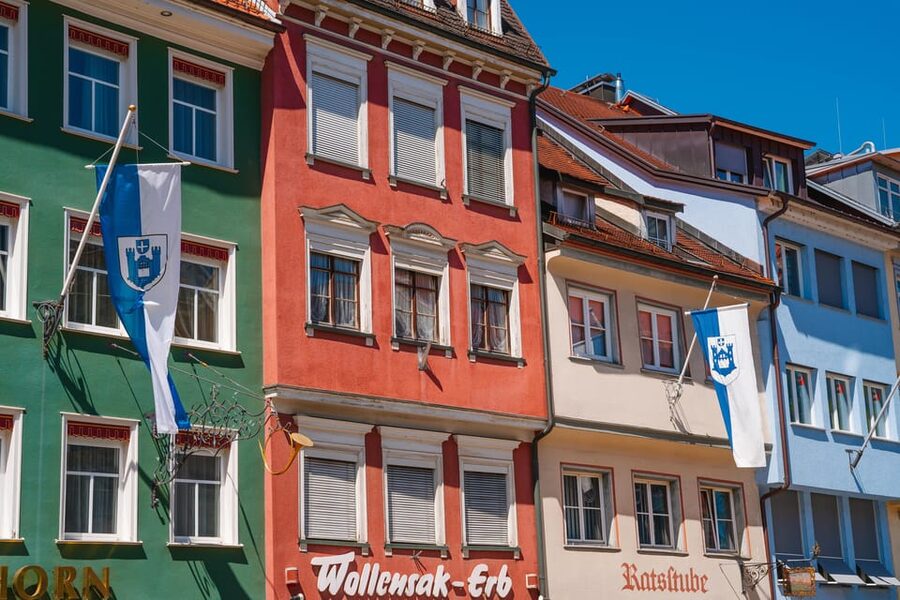
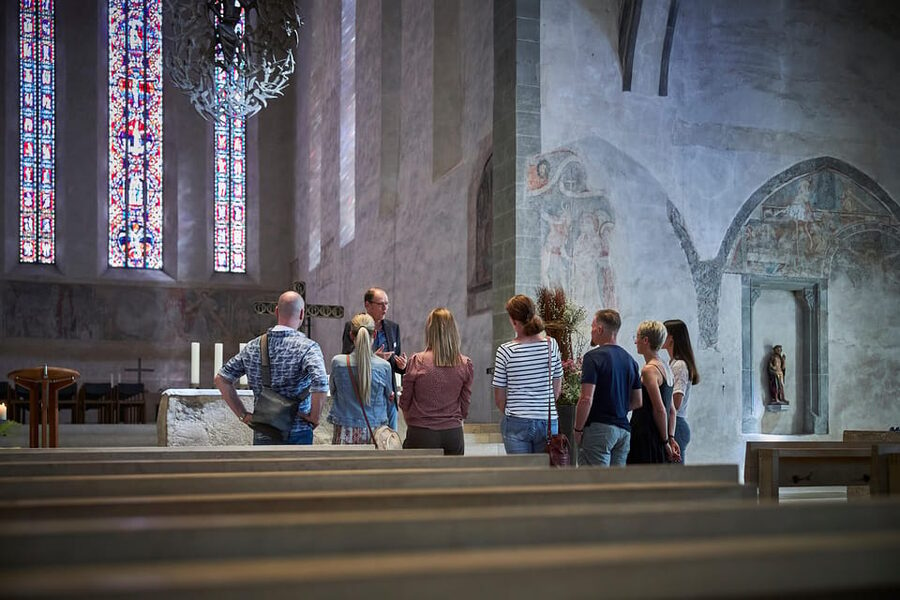
Next up is the Evangelical City Church. In a town like Ravensburg, religious buildings are more than spiritual landmarks. They are also major markers of how communities organized themselves across time. The guide’s job is to place the church into the city timeline you are building, so it does not become a standalone stop.
Then you shift toward the upper town and the museum district. This is a noticeable change in feel, because upper areas often make you feel the city more dramatically. It is also where the tour’s pacing can work well for you, because you start trading flat explanations for a more atmospheric setting.
You get the sense that Ravensburg is not only a “center” town, it has elevation, gates, and layers. The route helps you understand why medieval towns often looked like living systems, with movement between levels.
Humpis Quarter Museum, medieval living quarters up close
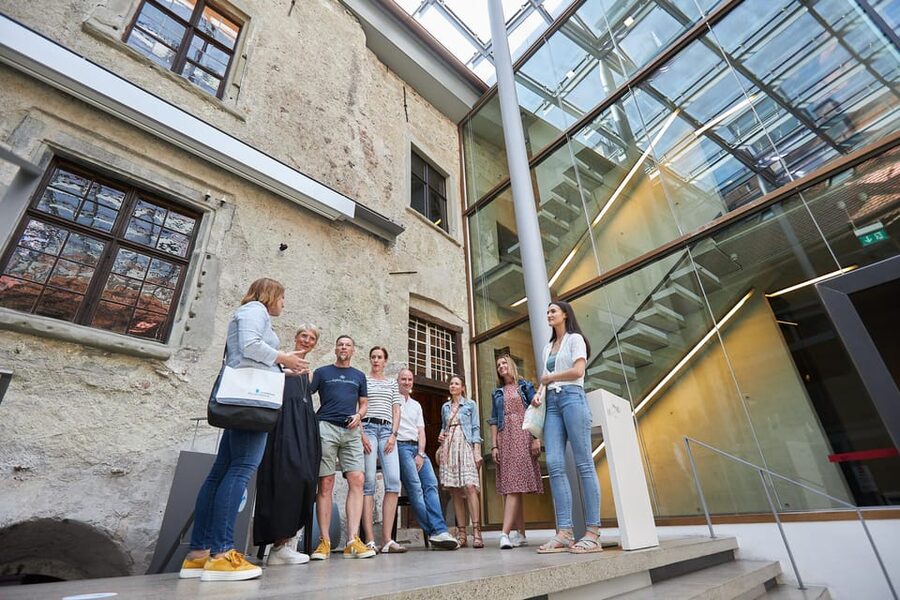
The highlight for many people is the Humpis Quarter Museum, and it makes sense. The tour does not stop at power and commerce. It gives you medieval living quarters, which is the part that tends to feel most real because it connects to daily life.
On this stop, expect the guide to shift from explaining the city’s rise to showing how people actually lived inside that world. That matters, because without it, city history can stay abstract. Medieval economic power is one thing. The way families occupied spaces, moved through streets, and lived with the rhythms of the era is another.
Even if you usually skip “museum” stops, this one tends to land well because it is built into the city storyline. You do not just look at rooms. You understand why those rooms exist in that place in that era.
Ending at Obertor, the satisfaction of closing the city loop
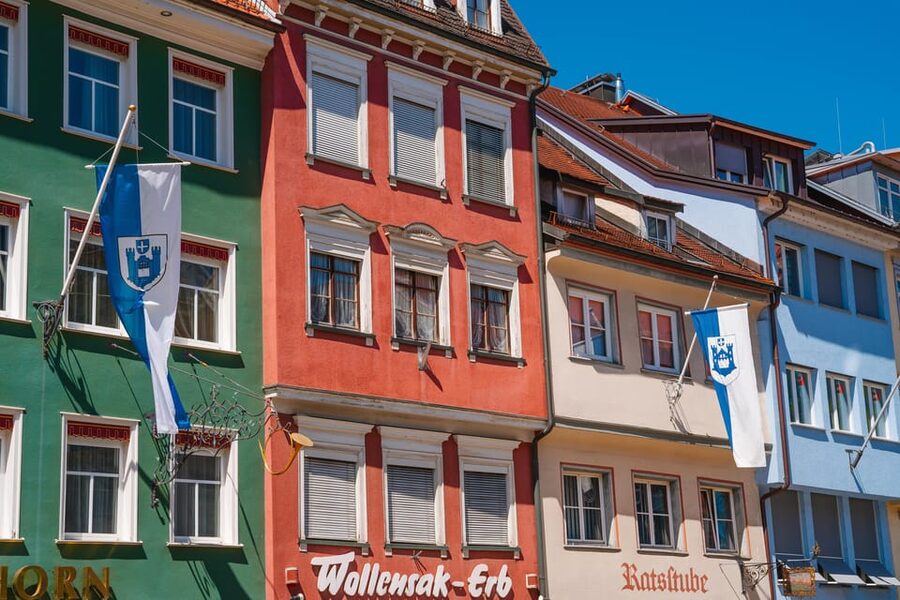
You finish at Obertor Ravensburg. Ending at a gate is a smart tour design choice. Gates and towers are not random decoration in a medieval town. They are part of control, movement, defense, and identity.
By the time you reach Obertor, you have already seen the civic and trading landmarks, then the upper-town museum district, and the living quarters of the Humpis Quarter Museum. The ending gate stop acts like a full circle. You leave with the feeling that the city has edges and boundaries, not just points on a map.
If you are the type who likes closure, this ending will feel good. You stop where the medieval logic of the city would have been most obvious.
Price and value, is 14 dollars worth 1.5 hours?
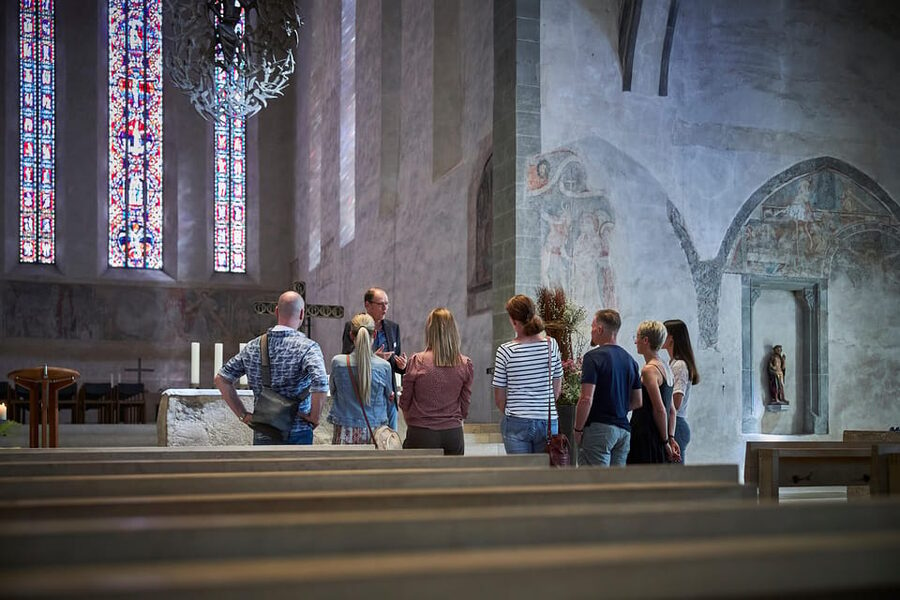
At about $14 per person for a 1.5 hour guided walk, this is solid value, mainly because the tour is doing more than sightseeing. The price buys you a live guide in German and a structured narrative through Ravensburg’s key historic areas.
Here is how I judge value for a tour like this:
- Does it save you time finding the storyline? Yes. The route includes big anchors like Marienplatz, town hall, Kornhaus, and the church, so you are not piecing everything together yourself.
- Do you get context you could not easily infer? Yes. The guide links Ravensburg’s imperial city status, its connection to the Ravensburger trading company, and its importance for the Lake Constance region into a route you can follow.
- Is it long enough to matter? 1.5 hours is long enough to understand, but short enough to fit into a full day.
If you are visiting for the first time and want a fast orientation, this feels like a practical purchase. If you only want quiet photo time, then yes, you might prefer a self-guided stroll. But for most people, this is a good, affordable way to understand Ravensburg without needing an encyclopedia app.
Who this tour suits best
This is a great pick if you want:
- A structured introduction to Ravensburg’s old town in a short time window.
- A history walk that stays humor-friendly and flexible, so it does not feel like a lecture.
- A route that mixes civic buildings with a real residential highlight at the Humpis Quarter Museum.
It may be less ideal if:
- You only understand very basic German and you need heavy detail explained in another language.
- You prefer long, unstructured wandering over a guided route with specific stops.
The tour is wheelchair accessible, which is a plus for people who need mobility-friendly options while still wanting a guided overview.
Should you book Der Klassiker Ravensburger Stadtgeschichte?
I’d book it if you want a first-time Ravensburg win. For $14, you get a 1.5 hour city history format that connects the imperial city story, the trading-company rise, and the Lake Constance role to specific, walkable landmarks. The Humpis Quarter Museum stop is a strong reason to choose this tour over a generic old-town stroll, because it focuses on medieval living quarters rather than only grand buildings.
Book if you like your history with momentum, and you want a guide who keeps the tone light while still organizing the information. Skip it only if you need your own pace and you are not comfortable following explanations in German.
FAQ
Where does the tour start?
You start at the Vordereingang of the Tourist Information, Lederhaus.
What is the tour duration?
The tour lasts about 1.5 hours.
How long is the city tour portion?
It is described as a 90-minute city tour with a guide through the old town.
How much does it cost?
The price is listed as $14 per person.
What language is the live guide?
The live tour guide speaks German.
What are the main stops on the route?
Stops include Marienplatz, Bachstraße, the town hall, the Kornhaus, the Evangelical City Church, and the upper town museum district, with the tour finishing at Obertor.
Where is the tour located?
It takes place in Baden-Württemberg, Germany, in Ravensburg.
Is the tour wheelchair accessible?
Yes, the tour is wheelchair accessible.
How should I plan for the walking route?
It is a guided sightseeing walk through the historic old town with multiple named stops.
Is free cancellation available?
Yes. You can cancel up to 24 hours in advance for a full refund.
Can I reserve and pay later?
Yes, you can reserve your spot and pay later.
Newest Germany reviews on the site
- Koblenz: The Living Vineyard, Nature & Wine Enjoyment★ 5.0 · 14 reviews
- Koblenz: Sektmuseum Histor. Kelllergewölbe incl. 1 Glas Sekt★ 4.5 · 41 reviews
- Koblenz: Wein-& Sektgeschichte(n) incl. Wein/Sekt Verkostung★ 4.7 · 8 reviews
- Koblenz: Private pub crawl with insider guide & free shots★ 5.0 · 5 reviews
- Koblenz: Christmas Boat Tour with Mulled Wine★ 4.3 · 35 reviews
- Koblenz: Express Walk with a Local★ 5.0 · 4 reviews
- Koblenz: Guided tour Moselle kisses Rhine★ 5.0 · 3 reviews
- Koblenz: Rhine Valley Castle Sightseeing Cruise★ 4.6 · 98 reviews