
Reviewed · FRANKFURT TOURS
Central and Eastern Europe Highlights 7-Day Tour from Frankfurt
Seven countries in seven days, mostly by coach. This Central and Eastern Europe highlights trip is interesting because you trade route planning for a packed route that hits major sights across Prague, Budapest, Vienna, and Switzerland.
I really like how the day-to-day logistics are handled for you, with modern air-conditioned coaches and an experienced tour manager guiding the timing. I also like the mix of UNESCO-caliber landmarks and true place-specific moments, from the Prague Royal Route to Titlis in the Alps.
One thing to consider is that the pace is fast, with lots of walking inside famous sights and long stretches on the bus, plus most attractions have entry fees not included.
In This Review
- Key highlights that make this tour worth your attention
- Frankfurt to Prague: starting easy, then going full-steam
- Prague Castle day: Royal Route, St. Vitus, Golden Lane, and Old Town Square
- Bratislava overnight: a quieter reset between giants
- Danube cruise and Budapest highlights: two cities, one day that matters
- Vienna on foot and on wheels: Schönbrunn Palace to St. Stephen’s Cathedral
- Mondsee to Munich: a Sound of Music stop with German-city energy
- Titlis and Lucerne: the Alps reward the long day
- Zurich, Rhine Falls, and the Black Forest around Lake Titisee
- Price and value: what $1,035.42 buys you here
- Hotels, group size, and the pace trade-offs you should plan for
- Who should book this tour, and who should look elsewhere
- Should you book this Central and Eastern Europe Highlights 7-day tour?
- FAQ
- What are the start and end points?
- How long is the tour?
- What is included in the price?
- Are attraction tickets included?
- What about lunches and dinners?
- Is the tour offered in English?
- How large is the group?
- Are rooms and bed setups flexible?
- How do gratuities work?
- Do I need a passport?
Key highlights that make this tour worth your attention
- Prague with a guided run of the big hitters, including Prague Castle, St. Vitus Cathedral, Golden Lane, and the Old Town Square clock area
- Danube River cruise time that helps you see Budapest as more than just buildings and bridges
- Vienna’s signature trio, Schönbrunn Palace, Hofburg area, and St. Stephen’s Cathedral, with time for music and dinner options
- Titlis and Lucerne with Alpine views built in, including a revolving gondola ride and classic Lucerne stops like Chapel Bridge and the Lion Monument
- Ending with nature stops in Zurich, Rhine Falls, and the Black Forest around Lake Titisee
Frankfurt to Prague: starting easy, then going full-steam
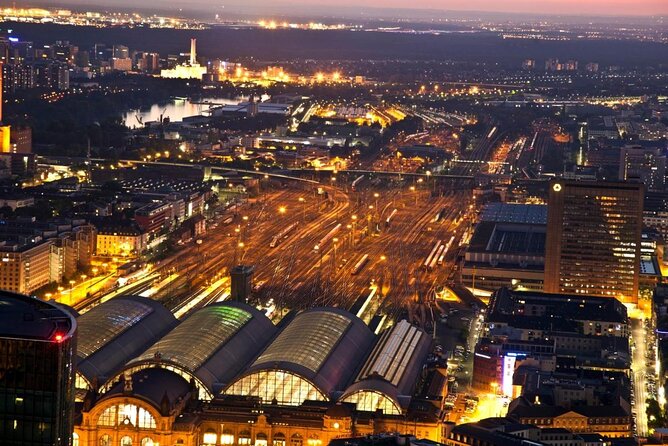
You begin at Frankfurt (Main) Central Station, with a departure time of 8:30 am. Then you settle into the coach and watch Germany roll by for a full day, with Prague as the first big emotional payoff.
This is one of those tours where the first day is less about sightseeing and more about saving your energy. You get scenic countryside time without having to figure out trains, tickets, and transfer chaos.
Practical heads-up: you arrive in the evening and use the night to reset. You will get your city exploring the next day, so don’t expect a deep Prague intro on Day 1 beyond getting oriented and finding your bearings.
A few more Frankfurt walks and trips to compare
- Frankfurt: River Main Sightseeing Cruise with Commentary
★ 4.3 · 5,127 reviews - Frankfurt: Hop-On, Hop-Off Grand or Express Bus Ticket
★ 3.9 · 2,088 reviews - Frankfurt: 1-Hour Panorama Boat Cruise on the river Main
★ 4.4 · 1,822 reviews
Prague Castle day: Royal Route, St. Vitus, Golden Lane, and Old Town Square
Day 2 is where Prague turns into a greatest-hits playlist, and you get a guided structure that keeps you from wandering randomly. You start at the top of Castle Hill in the Hradčany district and walk the Royal Route, the traditional path tied to Bohemian coronations.
Then the focus stays tight on Prague Castle itself, which has been a royal seat since the 9th century and still carries that weight in the way the courtyards and halls feel. Even if you’re not a palace superfan, this stop helps you understand why Prague looks the way it does.
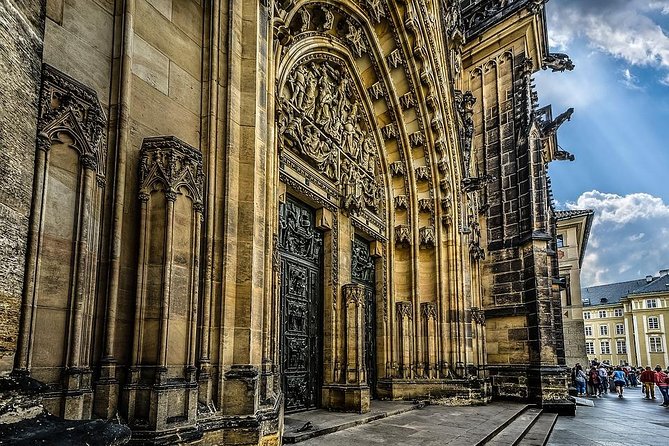
From there, you move through the cluster of religious and royal highlights: St. Vitus Cathedral with its Gothic scale, the Old Royal Palace area, and the walk along Golden Lane. Golden Lane is especially good for people who like small-scale details, because it’s lined with traditional buildings and feels like a different world inside the castle grounds.
The cathedral run continues toward St. George’s Basilica and then you wrap the day’s castle zone and transition toward Old Town. After lunch in the Old Town Square area, you’ll have Charles Bridge mentioned as part of the flow, then you’ll see the Astronomical Clock area up close before transferring on to Bratislava.
The trade-off is time pressure. These are big stops, and most entry tickets for specific buildings are not included, so your visit will be quickest if you have your tickets or plan to buy them on the spot.
Bratislava overnight: a quieter reset between giants
Bratislava is your overnight base after Prague, which is smart. It breaks up the momentum so you’re not trying to do another full capital day immediately.
You won’t get a giant city-dive here, but that’s part of the design. Think of Bratislava as the palate cleanser before you move on to the Danube loop and Budapest.
Danube cruise and Budapest highlights: two cities, one day that matters
By Day 3 you’re in Hungary, and the tour’s best move is putting the Danube River cruise at the center of the Budapest experience. Budapest is basically two cities joined by the river, with Buda on one side and Pest on the other, and a cruise helps you understand the layout fast.
After that cruise time, you shift into Buda and Pest highlights without feeling like you’re just checking boxes. You get the Budapest History Museum area and time for lunch around Buda Palace, with options such as looking at exhibitions or doing some souvenir shopping.
Then you go straight to the showstoppers on the Buda side: Fisherman’s Bastion, Matthias Church, and Gellért Hill for panoramic views. If you want photos that actually look like Budapest postcards, this is where you get them.
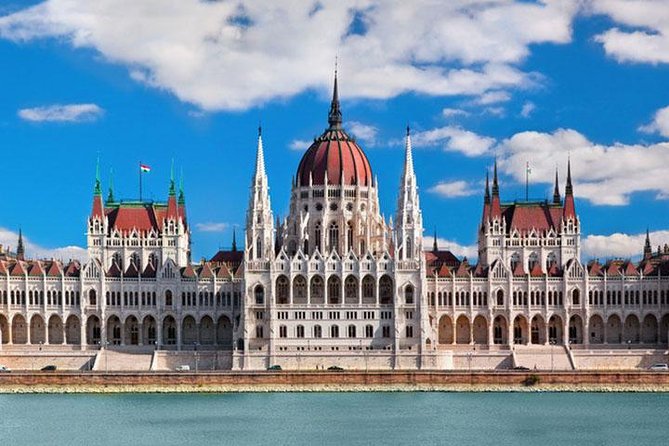
On the Pest side, the tour includes Heroes’ Square and highlights around the Parliament Building area. It’s a powerful contrast day because you’re moving between medieval-feeling views on one side and grand civic monuments on the other.
Dinner options are also part of the experience design. There’s an optional Hungarian meal with folk dance and music, and it’s exactly the kind of evening add-on that can make a packed schedule feel more human.
Same city, a different way to spend the afternoon:
- From Frankfurt: Rhine Valley Day Trip
★ 4.4 · 1,317 reviews - Frankfurt: New Old Town and Highlights German-Language Tour
★ 4.7 · 1,316 reviews - Frankfurt Highlights English Walking Tour
★ 5.0 · 1,203 reviews - Rhine Valley Trip from Frankfurt including Rhine River Cruise
★ 4.0 · 1,179 reviews
Vienna on foot and on wheels: Schönbrunn Palace to St. Stephen’s Cathedral
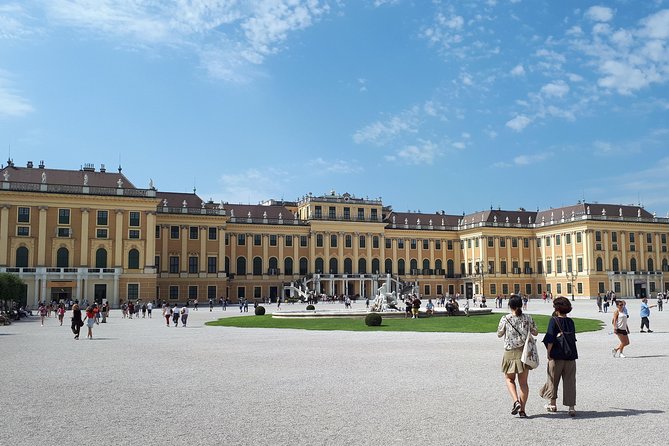
Day 4 is Austria’s main act, with Vienna as your focus. You start with Schönbrunn Palace, the Rococo summer residence of the Habsburg dynasty. This is one of those places where the scale hits you even if you only do a partial visit, because the grounds and rooms set the scene for how these empires lived.
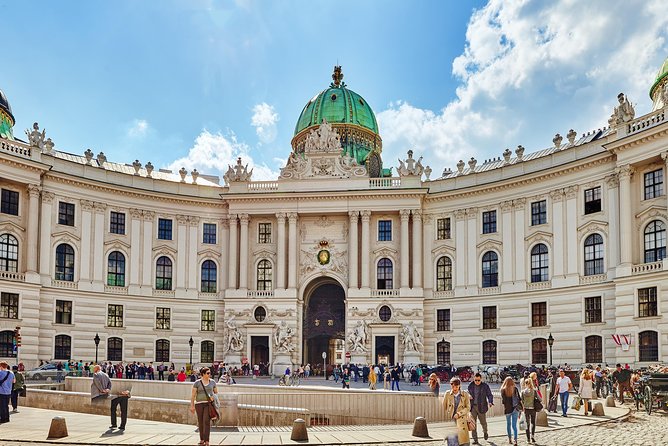
After Schönbrunn, you continue past major landmarks in the Hofburg area, including Hofburg Palace and nearby public buildings. This driving orientation time is practical, because Vienna spreads out and you benefit from seeing the city’s structure before you start walking.
In the afternoon, you have time for shopping and then you add Wiener Staatsoper to your sights. It’s a quick but memorable stop because the opera house is such a clear symbol of Vienna’s cultural identity.
The day closes with St. Stephen’s Cathedral and an evening stroll in Stadtpark, where you can see the Johann Strauss statue. Vienna is also where optional music fits naturally, and the tour includes a suggestion for a Viennese waltz concert as a relaxing way to end a sightseeing-heavy day.
The consideration here is simple: even with a guided flow, Vienna can swallow your time. If you are the type who likes to linger in one chapel or one museum room, you’ll want to pick your moments carefully.
Mondsee to Munich: a Sound of Music stop with German-city energy
Day 5 transitions from Austria to Germany. You stop in Mondsee, on the shore of Lake Mondsee, and visit Basilika St. Michael, a medieval church associated with the wedding scene location for The Sound of Music. Even if you are not a movie fan, the setting is pretty and it gives you a break from the biggest-city pace.
Then you continue across to Munich. In Munich, you get Marienplatz and the New Town Hall, which is the right anchor for first-time orientation. Munich is also where you have options like finding a beer garden instead of rushing to another museum, and that freedom is valuable on a multi-country schedule.
If you want one practical tip, it’s this: Munich squares and pedestrian zones can be crowded, so leave a little buffer for getting back to the coach. In a group tour, even short delays stack up fast.
Titlis and Lucerne: the Alps reward the long day
Day 6 is your Switzerland day, and it’s the one people tend to remember because it feels like a real trip into the mountains rather than just another city transfer. You start in Engelberg, then head up toward Mount Titlis using multiple stages of gondolas.
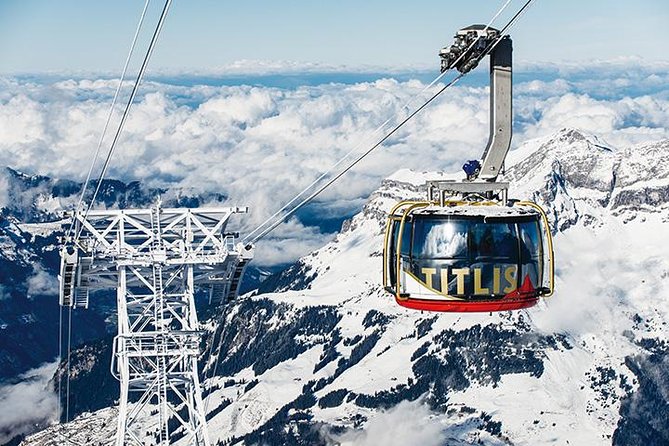
The standout detail here is the Titlis Rotair, described as a revolving gondola for dramatic views as you ascend. When the weather cooperates, this is your “you are actually in Switzerland” moment.
At the top, you get access to an ice cavern in the glacier and also the option to cross the highest suspension bridge in Europe for sweeping views. The tour also mentions sun terrace time as a pause point, which is key because mountain experiences feel better when you are not rushing.
After the alpine stop, you head to Lucerne. You see the Lion Monument, associated with Mark Twain’s comment about it being mournful and moving, then you get time around Chapel Bridge. Lucerne is a great place to slow down for an hour, even if the rest of the tour is fast, because the bridge-and-lake vibe is easy to enjoy.
There’s also a note that if weather and traffic allow, the tour might include a photo stop in Liechtenstein, which could be a fun extra border moment if it happens.
Overnight is in Zurich, which makes the final day’s nature stops easier and keeps travel friction low.
Zurich, Rhine Falls, and the Black Forest around Lake Titisee
Day 7 starts with a chance for a photo stop at Lake Zurich, then you move to Rhine Falls, which is described as Europe’s biggest waterfall. Even though this is not a city-center day, it still fits the tour logic: you end with big scenery instead of another long architecture list.
Then you cross back into Germany and head into the Black Forest around Lake Titisee. This is where you get a more local-feeling break from capitals.
The tour calls out the chance to stop at a lakeside café for Black Forest cherry cake, and it also notes cuckoo clock making. You can pick up souvenirs, and there’s time for a demonstration of the mechanisms, which is a nice hands-on contrast to grand cathedrals and palaces.
Finally, the tour returns you to Frankfurt for drop-off back at the meeting point. It’s a satisfying close because you finish with two very different kinds of scenery, falls and forest lakes, then snap back to Germany.
Price and value: what $1,035.42 buys you here
At $1,035.42 per person, this tour is not cheap, but it is also not trying to be a budget DIY trip. You are paying for the heavy lifting: coach transportation across multiple countries, hotels in a 3-star category, and an experienced tour manager handling the flow.
A rough math check helps: split the price across about seven days and you’re in the “just under $150 per day” range before add-ons. That number feels more realistic when you consider that it covers long-distance coach travel and multiple hotel nights rather than just local transport.
What is not covered matters, too. Entry tickets for attractions are not included, and lunch and dinner are on you with assistance from the tour leader for reservations or directions. There’s also a gratuity of €10 per person per day, collected in cash during the tour.
If you like the idea of seeing a lot of countries quickly, this price can feel fair. If you would rather spend more days in fewer places and build your own flexible schedule, then you may find better value in a slower trip.
Hotels, group size, and the pace trade-offs you should plan for
This tour includes accommodation in comfortable 3-star hotels (minimum), with private facilities and room types that include twin and double by request. You also get a limit of one main luggage up to 30 kg and one small hand carry, which is normal for coach travel and helps with daily loading.
Group size is capped at 30 travelers, which is big enough to meet people but small enough that the coach and timing can still work. One detail I think matters is that English and Chinese speaking tours can be combined on the bus if there are not enough travelers, with one tour leader on board. That usually means you should expect a standard tour pace and clear meeting points.
The biggest practical trade-off is pace. This is a highlights tour, so expect long coach stretches, lots of walking at major sights, and brief time windows. Based on guide performance stories like Daniel, Andy Lo, Alex, Lex, Miriam, Jack, Mano, Eric, Didier Florian, Geno, and Krisztian, the experience often feels smoother when the tour leader keeps everyone moving and informed.
But one warning sign is simple: even with good guidance, delays and late arrivals can steal your time. If you know you tend to run late or need extra time at each photo stop, build a little slack into your personal expectations.
Who should book this tour, and who should look elsewhere
You should seriously consider booking if you want a guided sampler of Central Europe plus Switzerland, and you like the idea of checking off major landmarks in a week. It’s also a good fit if you’re okay paying extra for entry tickets and you prefer to spend your energy on seeing, not on planning.
You might want to look elsewhere if you hate moving every day, or if you want deep museum time and long unstructured afternoons. This kind of schedule rewards people who can roll with a tight rhythm.
For families, it can work if kids can handle repeated walking and long bus rides, but you should treat it as a physically demanding itinerary and plan snacks and breaks accordingly.
Should you book this Central and Eastern Europe Highlights 7-day tour?
If your dream is to connect Prague Castle, Budapest by the Danube, Vienna’s palaces and cathedral, Munich’s main square, Titlis in Switzerland, Lucerne’s bridge-and-lion views, and the Black Forest around Lake Titisee all in one week, this tour is built for you. The value comes from bundled transport, hotel nights, and a guide-driven flow that reduces stress.
If you prefer slow travel, or if you want one or two places to feel like home, you’ll probably get more satisfaction from a longer stay elsewhere. My take is simple: book it when you want momentum and big sights, and just be realistic about the pace and extra costs for tickets and meals.
FAQ
What are the start and end points?
The tour starts at Frankfurt (Main) Central Station, Am Hauptbahnhof, 60329 Frankfurt am Main, Germany, with a start time of 8:30 am. The tour ends back at the same meeting point in Frankfurt.
How long is the tour?
The duration is 7 days (approx.).
What is included in the price?
The package includes accommodation in a comfortable 3-star (min.) hotel with private facilities, daily transportation by modern air-conditioned coaches, the services of an experienced tour manager, and breakfast on 6 days.
Are attraction tickets included?
No. The tour notes that admission tickets for attractions are not included.
What about lunches and dinners?
Lunch and dinner are not included. The tour leader offers assistance with reservations and directions to local restaurants, cafés, or service station restaurants.
Is the tour offered in English?
Yes, it is offered in English.
How large is the group?
The tour has a maximum of 30 travelers.
Are rooms and bed setups flexible?
You get twin/double/single room options with private facilities. A standard twin room is booked by default, and a double bed can be requested. Triple rooms will not be arranged for groups of 3 due to limited availability.
How do gratuities work?
Gratuities are €10 per person per day and are collected by the tour manager in cash while on tour.
Do I need a passport?
Yes. You must provide passport name and number, gender, date of birth, and nationality at booking, and you are responsible for ensuring your passport is valid for at least 6 months and that you meet visa, health, insurance, and travel regulation requirements for all countries on the route.
Newest Frankfurt reviews on the site
- from Frankfurt: historic treasure Rothenburg, private 1 day Tour★ 5.0 · 9 reviews
- magnificent historic Heidelberg, private Tour, from Frankfurt★ 4.5 · 15 reviews
- from Frankfurt: Heidelberg, Mercedes Museum / Schwetzinger Schloß★ 5.0 · 35 reviews
- The Tales of Frankfurt’s New Old Town: A Self-Guided Audio Tour★ 5.0 · 7 reviews
- from Frankfurt – romantic Black Forest & brewery, private tour★ 5.0 · 13 reviews
- Fairytale Rüdesheim and Monastery Eberbach Tour★ 5.0 · 9 reviews
- Frankfurt PubCrawl Weekend Pass (Fri + Sat) – Shots & Party★ 5.0 · 5 reviews
- Private German Beer Tasting Experience in Frankfurt Old Town★ 5.0 · 14 reviews
Frankfurt Tours, compared.
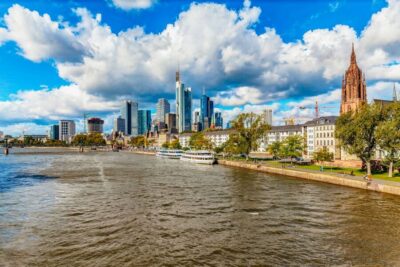
River Main Sightseeing Cruise with Commentary
Read our review →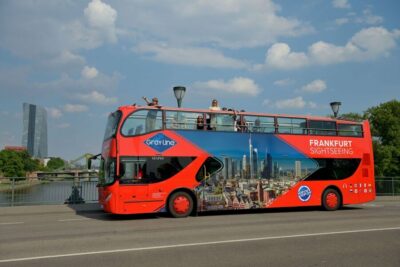
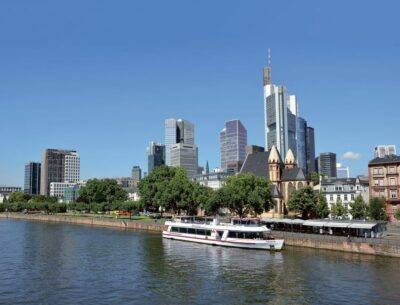
1-Hour Panorama Boat Cruise on the river Main
Read our review →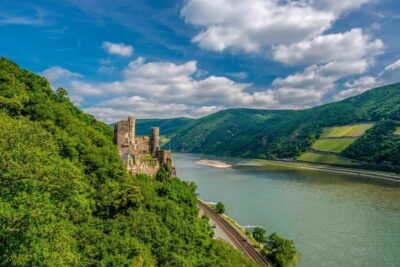
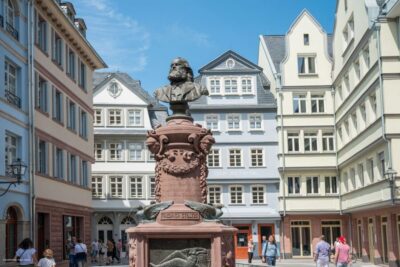
New Old Town and Highlights German-Language Tour
Read our review →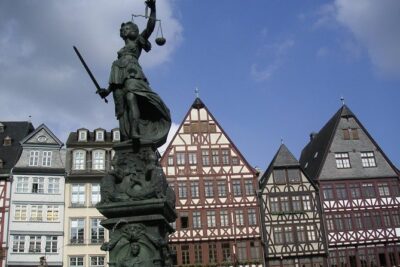
Rhine Valley Trip from Frankfurt including Rhine River Cruise
Read our review →
Browse the lists this tour appears in