
Reviewed · GERMANY
Airbus Flightsimulator | Flying Experience | adults&children
Touch the Airbus A320, without leaving Germany. In Oberhausen Centro, this private flight simulator turns cockpit exploration into hands-on practice, and I loved the original A320 soundscapes plus the chance to handle take-offs, landings, and cruise while you work the controls. One consideration: the flying slot is time-limited, so you’ll want to arrive ready to focus during the session rather than plan lots of extra experimenting.
What makes it especially fun is the way the instructor guides you through real flight tasks, not just a joystick ride. You’ll run through different weather scenarios and even practice emergency situations, which is great for kids who want adventure and adults who want to learn how things work.
Logistics are straightforward, too. Free parking is available nearby, and the lobby is on the first floor, so you spend less time figuring out where to go and more time getting into the cockpit.
In This Review
- Key things to know before you sit in the Airbus cockpit
- Oberhausen Centro Cockpit Time: A320 You Can Explore Up Close
- The 15-Minute Briefing and Your 60 Minutes of Flying
- Exploring Different Airports Around the World for Take-Off and Landing
- Weather Scenarios and Emergency Situations Without the Real-World Risk
- Instructor Support in German or English for Adults and Children
- Price Per Group Up to 4: Does $117 Feel Fair?
- Timing, Meeting Point, and Practical Tips for a Smooth Session
- Should You Book the Airbus A320 Simulator in Oberhausen?
- FAQ
- How long is the Airbus A320 flight simulator experience?
- What is the price and group size?
- What happens during the session?
- What languages are available for the instructor?
- Is this a private experience?
- Is recording included?
Key things to know before you sit in the Airbus cockpit
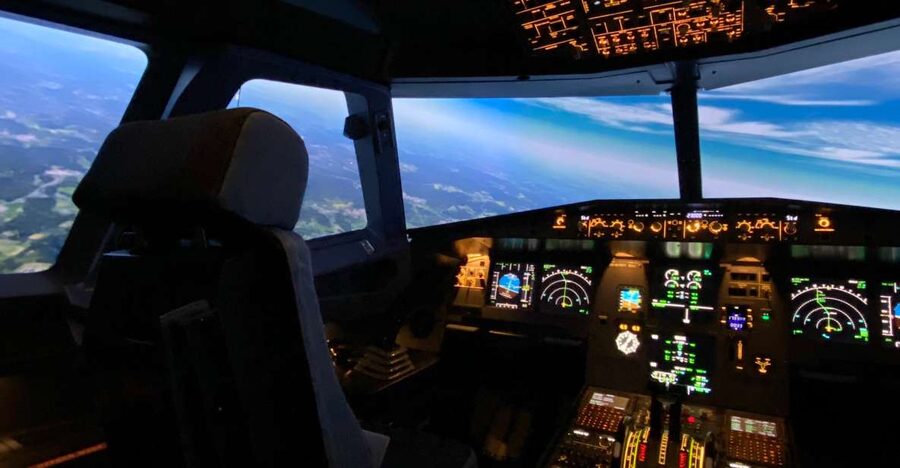
- Original A320 cockpit feel, including instruments and soundscapes that match the real plane
- Briefing, flying, and debriefing, structured so you understand what you’re doing
- Operate real controls, with time for take-off, landings, and cruise
- Weather scenarios and emergency situations, taught in a safe training format
- Different airports around the world, so your take-off and landing can feel fresh
- Private group experience, which usually means more attention from the instructor
Oberhausen Centro Cockpit Time: A320 You Can Explore Up Close
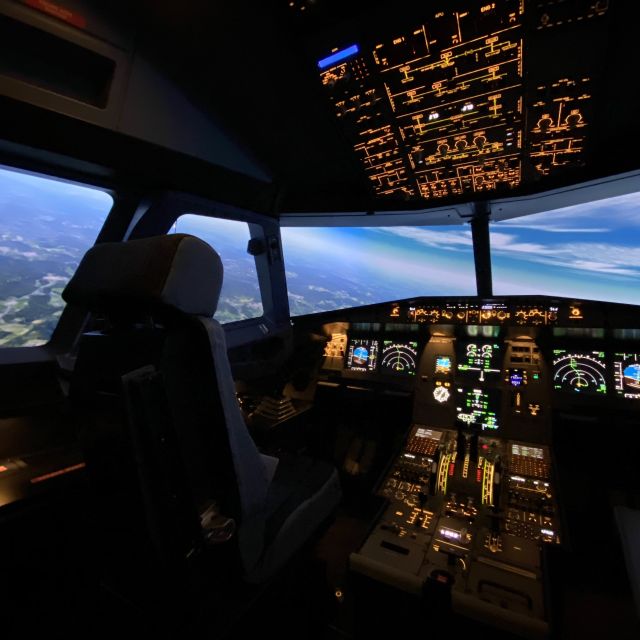
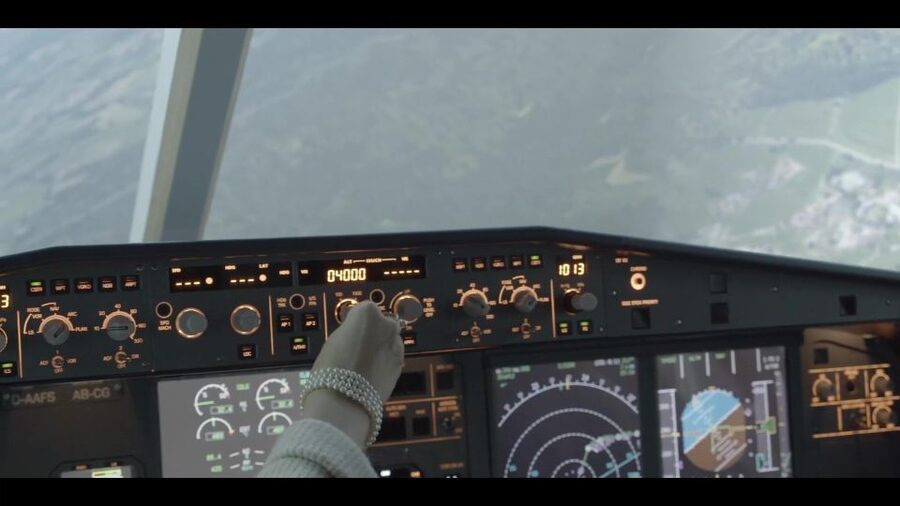
The moment you take your seat, the experience sets a high bar for realism. It’s not just a screen in front of you, it’s a realistic replica of an Airbus A320 cockpit with instruments and soundscapes that are tied to the real aircraft. You also get the kind of “is this really moving?” reaction that tells you the simulator’s motion and feedback are trying to feel physical, not purely visual.
This matters because cockpit time is about more than pressing buttons. The Airbus layout is complex, and the simulator environment gives you the chance to understand that complexity at your own pace, without worrying about real-world safety. If you’ve ever looked at an airliner cockpit and thought, I wonder what each control actually does, this is the kind of place where those questions can turn into actions.
I also like how the cockpit exploration is built into the experience instead of being a quick photo moment. You’re meant to look, learn, and then operate the controls with guidance. That makes it ideal for mixed-age groups, because adults can focus on systems while kids often latch onto the fun parts like switching what you see outside the cockpit and following the sequence for take-off and landing.
Finally, you’re not stuck in one kind of scenario. One of the big promises here is that you can fly with different weather conditions, and that keeps the session from feeling repetitive.
More of Germany worth an hour:
- Berlin: Reichstag, Dome and Government District Guided Tour
★ 4.7 · 18,288 reviews - Hamburg: Sex and Crime in St. Pauli Tour for Ages 18 +
★ 4.7 · 17,793 reviews - Berlin: 1-Hour City Tour by Boat with Guaranteed Seating
★ 4.3 · 16,993 reviews
The 15-Minute Briefing and Your 60 Minutes of Flying
You don’t just jump in and figure it out. The session starts with a briefing of about 15 minutes, and that briefing is where the instructor sets the tone: you learn the basic concepts and how the controls fit into the bigger picture of flight.
Then the main event is structured around 60 minutes of flying time, typically including take-off, landings, and cruise. In other words, you get the full shape of a flight rather than only one segment. That’s a big deal for value, because each part teaches you something different. Take-off is about power and configuration. Landings are about approach and precision. Cruise is about steady management and awareness.
Here’s what you should expect during the “get up in the air” portion:
- You’ll be guided through preparation for flight tasks in the simulator environment.
- You’ll operate various controls of the plane as the scenario develops.
- You’ll experience phases that resemble real operations, with time for adjustments as conditions change.
The instructor approach is also part of why people seem to enjoy it so much. In example stories tied to this experience, the instructor is described as matching the participant’s knowledge level, planning the route ahead, and then taking a calm, empathetic coaching style while you fly. That kind of teaching matters, because cockpit training goes much faster when you’re not guessing what matters most.
At the end, there’s a debriefing. That’s the moment where you can connect the dots: why a move worked, what went wrong if something didn’t, and what you might try next time. Even if you’re only there for fun, that wrap-up helps the experience feel like learning, not just entertainment.
Exploring Different Airports Around the World for Take-Off and Landing
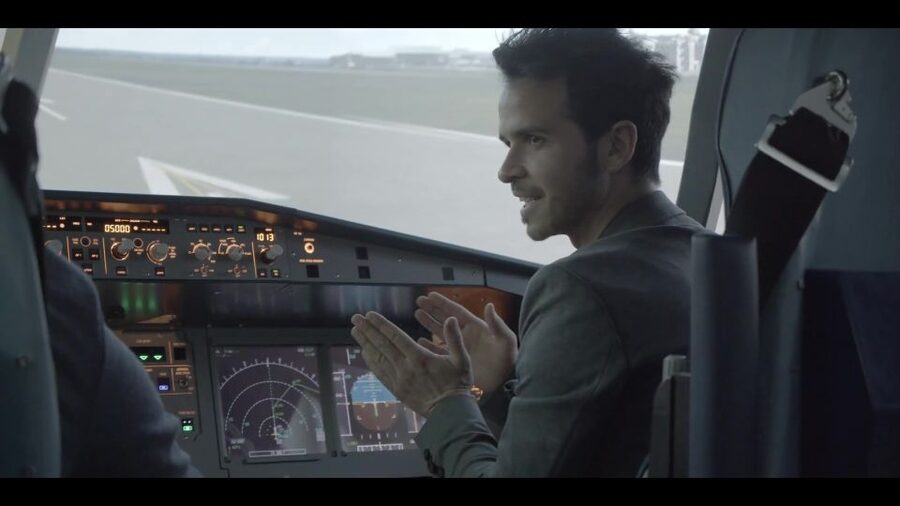
One of the neat things in this simulator setup is the option to choose different airports for your start and landing. That means you’re not stuck repeating the same runway and approach logic every time you do this activity. It also helps the session feel like a mini trip, not just a circuit.
In practical terms, airports can change how you experience the flight even if you’re still in the same A320 cockpit. Different locations can mean different approach vibes, different outside visuals, and different timing cues for when to adjust what you’re doing. You still focus on the core skills, but the scenario feels different enough to keep kids engaged and adults curious.
If you’re planning this with families, I’d treat the airport choice like choosing a movie setting. Think about what would be most exciting for your group: an airport with the visuals that spark questions, a place that feels like a real destination, or just the one your child points to as the most interesting. The experience is designed so that you can select these starting and ending points around the world, which helps personalize the flight.
Also, because it’s a private group, you’re more likely to get the instructor’s attention for your chosen scenario. That’s especially useful if someone in your group is new to flying and someone else wants to see how the systems work under different conditions.
Weather Scenarios and Emergency Situations Without the Real-World Risk
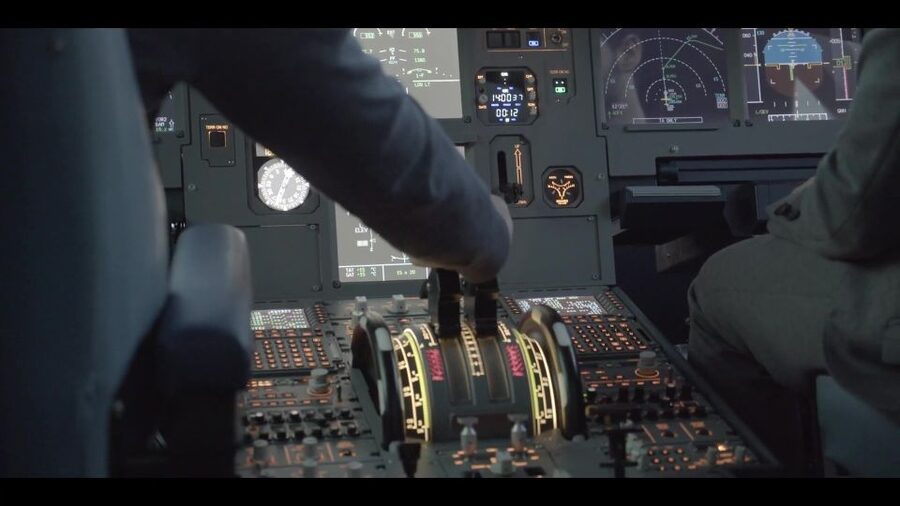
The best part, for me, is that the experience goes beyond smooth flying. You get different weather scenarios, and you also practice emergency situations. That combination turns the cockpit into a training tool, not just a simulator for calm skies.
Weather is more than atmosphere. It changes what you need to pay attention to, and it forces you to make decisions at the right times. When conditions shift, your attention has to move from simple control movement to broader planning, like how you keep the plane on track. Even if you’re being guided, the sense of challenge feels real.
Emergency situations add another layer. You’re not throwing yourself into danger, but you’re learning the mindset: stay organized, follow procedures, and communicate what you’re doing through the steps you take. The simulator format makes it possible to train that way, and it’s also something kids often love because it feels like a mission, not a lecture.
If you want the session to feel most meaningful, don’t treat emergencies like a jump scare. Treat them like a checklist moment. You’ll likely get more out of the experience if you listen closely during the briefing, because emergency handling is about sequence, timing, and calm responses, not just pushing the right control once.
One extra reason this is valuable: adults who are curious about aviation mechanics often want to understand not only how normal flight works, but how crews respond when something unexpected happens. This simulator gives you that taste of “what if” training without needing a pilot background.
Same city, a different way to spend the afternoon:
- Berlin: TV Tower Standard Entrance Ticket
★ 4.4 · 15,883 reviews - From Munich: Neuschwanstein & Linderhof Castle Full-Day Trip
★ 4.6 · 14,646 reviews - Hamburg: 1.5-Hour Harbor and Speicherstadt Day Cruise
★ 4.6 · 14,200 reviews - Dresden: Semperoper Tickets and Guided Tour
★ 4.7 · 12,102 reviews
Instructor Support in German or English for Adults and Children
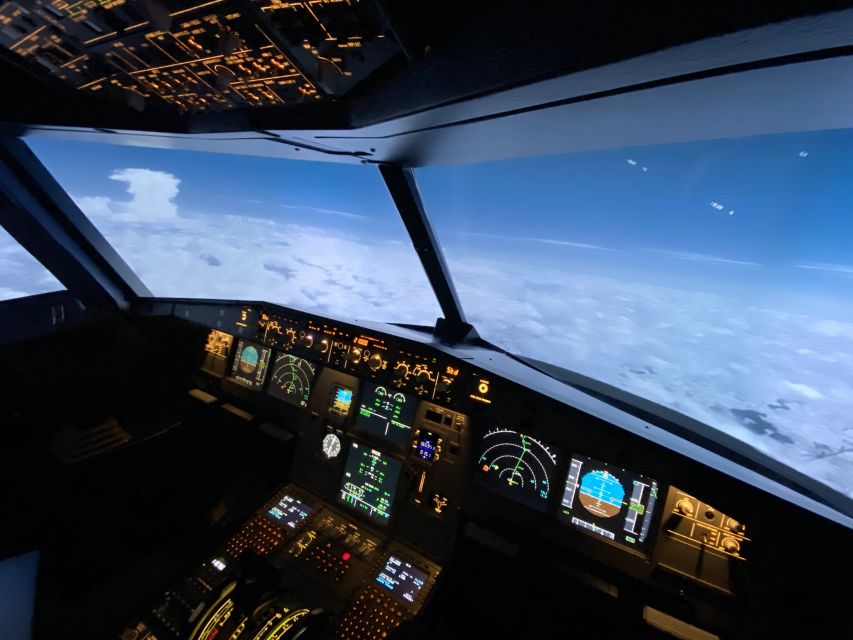
This is a private group experience with instruction available in German and English. That language flexibility matters for value, because it makes it easier for kids to follow along and for adults to ask the questions that pop up mid-flight.
The instructor is part of the experience from briefing through flying and then debriefing. And the teaching style seems to be a strong point. In real examples associated with this activity, an instructor tailored guidance to the participant’s knowledge and planned the flight route in advance, then coached the session in a way that felt both competent and supportive. That’s exactly what you want in a cockpit setting, because the fastest learning happens when the instructor explains what you’re doing, why you’re doing it, and what to watch next.
If you’re bringing children, consider how kids learn best:
- Let them explore the cockpit and controls during the guided moments.
- Ask them to point out what changes, like the outside conditions or what’s happening in the flight phase.
- Focus on understanding the sequence, not on perfect control.
The experience also seems to work well for multi-generation groups. In at least one family story tied to this activity, a teen relative was guided through the program while others watched closely, which suggests there is room for people to participate and observe in a respectful, structured way.
You’ll get the most from your session if you go in with curiosity and a willingness to listen. You do not need prior aviation knowledge. What you do need is attention during the briefing, because that’s where the simulator sets you up for success when weather or emergencies appear.
Price Per Group Up to 4: Does $117 Feel Fair?
The price is listed as $117 per group up to 4 people. That changes the math in a useful way: you’re not paying per person in the way you often see with attractions. Instead, you pay for a private cockpit training moment for your small crew.
If you’re comparing this to typical ticketed activities, the value is in what you actually get: a real-feeling Airbus A320 cockpit replica, a structured briefing (about 15 minutes), a sizable flying block (60 minutes of flying time), and a debriefing. You also get elements most “entertainment-only” simulator attractions skip, like emergency situations and guided instruction.
The dollar value is also tied to your travel style. If you have a family of four, this is often a sweet spot because the activity scales with the group size. If you’re traveling as two adults, it can still be worth it because the instructor attention is focused, and you’ll likely enjoy the session more when you’re not sharing a cramped space with strangers.
One more practical note: recordings are not included. If you want a souvenir video, plan on using your own phone or check what the provider allows beforehand.
Overall, I’d see the price as fair for a high-realism, instructor-led simulation experience where the goal is learning and control, not just watching a screen.
Timing, Meeting Point, and Practical Tips for a Smooth Session
The duration is listed as 30 minutes to 1 hour, and the flying portion is described as 60 minutes. That can feel confusing at first glance, but in practice it usually means the total time you spend on site can be longer or shorter depending on how the session is scheduled and how long your briefing and debriefing take. Expect the guided parts around the flying segment to be part of your overall visit.
Here’s how to make the start easy:
- Plan to arrive a few minutes early, especially if you’re parking near the Centro Oberhausen area.
- Use the free parking in unmarked spaces, and note that other parking options are around the corner under the bridge.
- Head to the lobby on the first floor, go left up the stairs.
- If the door is locked, ring the bell at FLIGHTHOUR.
Those details sound minor, but they matter when you’re traveling with kids. The more smoothly you transition into the cockpit, the more excited you’ll be when the instructor starts the briefing.
Also, if you’re deciding on timing, book a slot that keeps your group alert. Emergency scenarios and weather changes are more fun when everyone is paying attention and not fighting fatigue.
Finally, if you’re the parent or organizer, set expectations early. Tell your group this is a guided flight experience, not just playtime. That way, when the instructor asks you to follow the sequence of controls and procedures, everyone treats it like a mission.
Should You Book the Airbus A320 Simulator in Oberhausen?
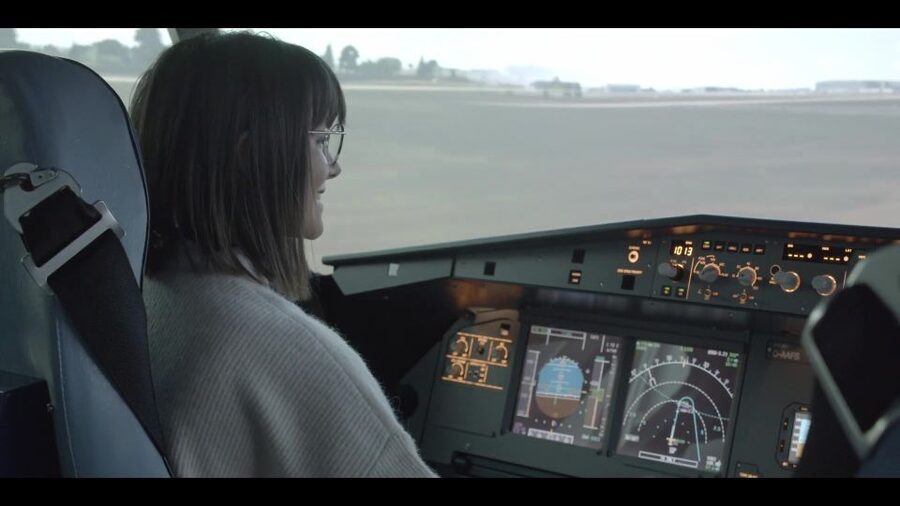
I’d book it if you want a realistic cockpit experience with real structure. You’ll likely enjoy it most if:
- you like hands-on learning with an instructor
- you’re traveling with adults and children who can share different levels of curiosity
- you want more than smooth flying, including weather scenarios and emergency situations
- you prefer a private group setup so you’re not competing for attention
I’d think twice if your main goal is unlimited free flight time. The flying is scheduled and the session has a defined shape, with briefing and debriefing around it. It’s a focused experience, so come ready to learn during the window you’re given.
If you want a safe, high-value way to see what the Airbus A320 feels like from the inside, this is the kind of activity that delivers that fantasy in a practical, teachable form.
FAQ
How long is the Airbus A320 flight simulator experience?
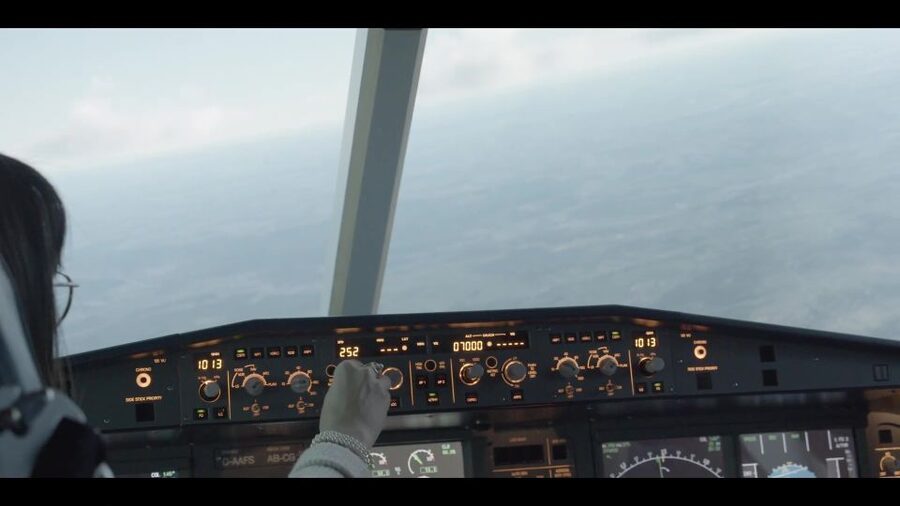
The duration is listed as 30 minutes to 1 hour. The flying portion is described as 60 minutes, including take-off, landings, and cruise.
What is the price and group size?
The price is $117 per group up to 4 people.
What happens during the session?
You get an initial briefing (about 15 minutes), then guided flying that includes take-off, landings, and cruise, and then a debriefing afterward.
What languages are available for the instructor?
The instructor is available in German and English.
Is this a private experience?
Yes, it is a private group.
Is recording included?
No, recording is not included.
Newest Germany reviews on the site
- Koblenz: The Living Vineyard, Nature & Wine Enjoyment★ 5.0 · 14 reviews
- Koblenz: Sektmuseum Histor. Kelllergewölbe incl. 1 Glas Sekt★ 4.5 · 41 reviews
- Koblenz: Wein-& Sektgeschichte(n) incl. Wein/Sekt Verkostung★ 4.7 · 8 reviews
- Koblenz: Private pub crawl with insider guide & free shots★ 5.0 · 5 reviews
- Koblenz: Christmas Boat Tour with Mulled Wine★ 4.3 · 35 reviews
- Koblenz: Express Walk with a Local★ 5.0 · 4 reviews
- Koblenz: Guided tour Moselle kisses Rhine★ 5.0 · 3 reviews
- Koblenz: Rhine Valley Castle Sightseeing Cruise★ 4.6 · 98 reviews